


_edited.png)
South Africa vs Canada: global cannabis export race heats up

Canada remains the world’s dominant cannabis exporter, but a new contender is stepping onto the global stage. South African producers say they can compete on quality and standards—not just price—positioning the country as a potential challenger to Canada’s lead.
That emerging narrative comes via MJBizDaily, which reports that Canadian companies still control global cannabis exports while South Africa is building confidence and capacity.
For consumers and delivery operators in the DC, Maryland, and Virginia (DMV) region, global supply trends may feel distant. But upstream shifts can influence product variety, standards discussions, and how regulators think about safety and quality down the line.
Why South Africa is now on the radar
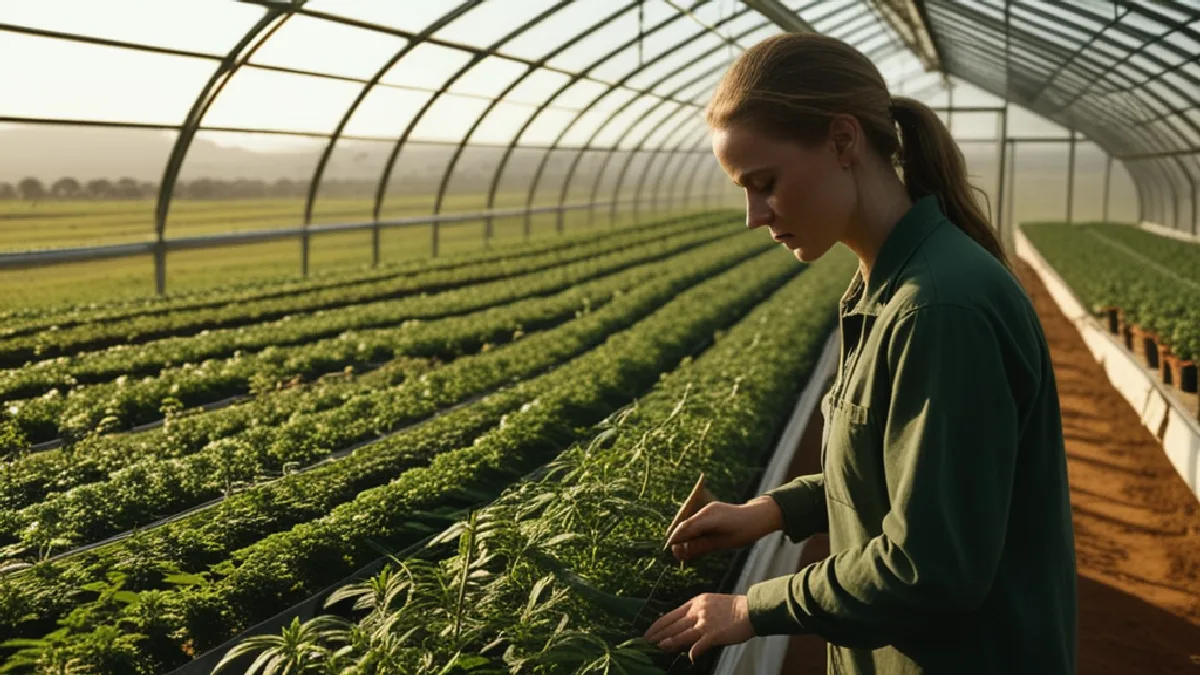
Industry voices highlighted by MJBizDaily indicate South African producers want to win on quality and standards rather than chasing a race-to-the-bottom on price. That framing matters. Competing on standards can push the broader market toward consistent production practices, documentation, and repeatable quality—factors that often determine which products reach international shelves.
Even without public numbers in the reporting, the message is clear: South Africa aims to play in the premium lane. If that positioning holds, buyers and medical cannabis programs across the world may have more options to evaluate on quality criteria instead of cost alone. What remains to be seen is whether importers will expand sourcing or keep leaning on established relationships.
Canada’s current position—and what “export dominance” signals
MJBizDaily notes that Canada still dominates global cannabis exports. In practical terms, dominance signals scale, established compliance systems, and a mature roster of buyers who trust documentation and product consistency. It also suggests Canada’s suppliers have learned how to navigate cross-border paperwork and testing standards that are prerequisites for lawful shipments.
No single headline changes those fundamentals overnight. But the presence of a serious challenger can influence how buyers benchmark quality and how producers communicate their proof of standards. If South African companies keep emphasizing quality and standards, that could raise the bar on what documentation and validation importing customers expect.
Downstream implications for delivery markets and compliance
Global export shifts don’t rewrite local marijuana delivery regulations, but they can shape conversations about product quality, batch consistency, and labeling that filters down to dispensaries and delivery services. When upstream suppliers emphasize standards, downstream distributors often follow with clearer SOPs, training, and audits.
For delivery businesses, that means renewed attention to weed delivery compliance, cannabis courier licensing, and marijuana transport laws—especially around chain-of-custody documentation, temperature control where required, and accurate manifests. Even where imports are not part of your current menu, the culture of compliance can rise with the tide.
What This Means for DC, Maryland and Virginia Residents
There is no direct change to DC, Maryland, or Virginia rules from this international shift. Local cannabis delivery laws and marijuana transport laws remain governed by each jurisdiction’s current framework, and nothing in this reporting alters that.
Practical takeaway: before you order or deliver, make sure you understand the local rules in Washington DC, Maryland, and Virginia. Delivery operators should review internal SOPs for ID checks, secure transport, and recordkeeping. Consumers should continue to check labels carefully and choose products from reputable sources, whether that’s flower, pre-rolls, concentrates, or edibles where available.
Compliance corner for delivery businesses
While international headlines grab attention, the day-to-day work is local compliance. If you run a delivery business, revisit these fundamentals regularly:
Confirm your operation aligns with current marijuana delivery regulations in your jurisdiction.
Ensure drivers are trained on chain-of-custody procedures and secure storage to meet weed delivery compliance expectations.
Maintain clean, auditable logs for manifests and returns to stay within marijuana transport laws.
If your market requires it, verify any cannabis courier licensing is current and on file for inspection.
These aren’t international rules—they’re local best practices. But as suppliers emphasize standards, expect customers and partners to scrutinize your documentation and delivery hygiene too.
How This Compares to Other States
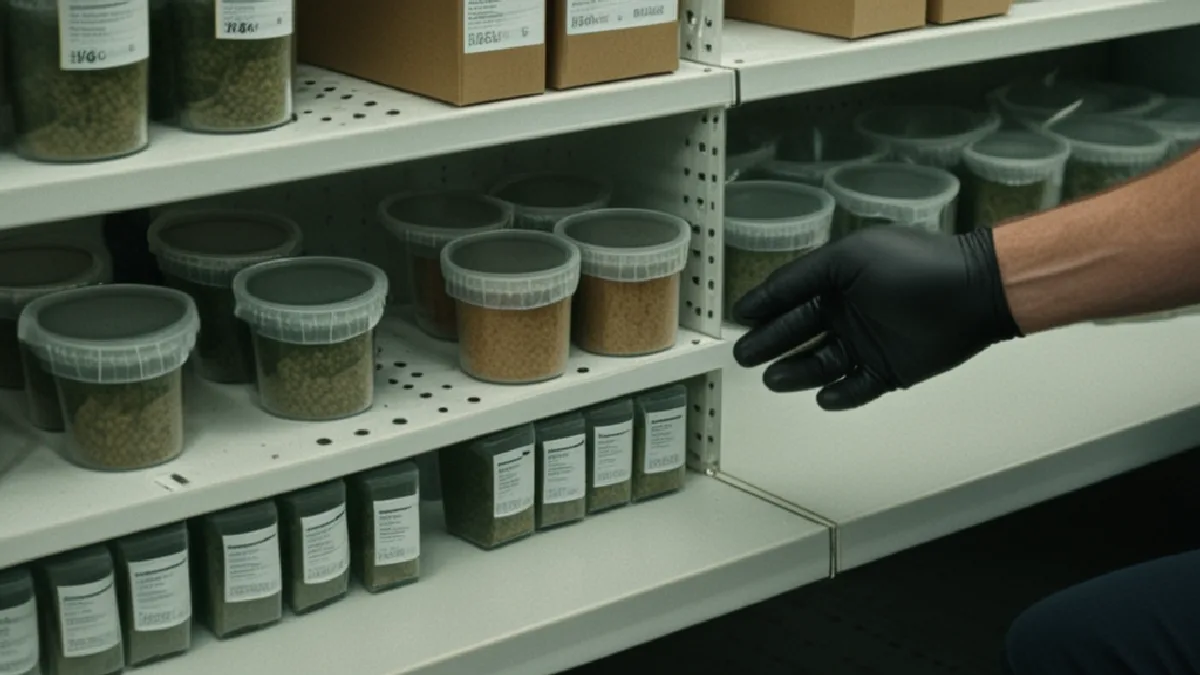
Across the United States, approaches to delivery, courier authorization, and transport compliance vary. Some jurisdictions require specific courier permissions, some allow dispensary-based delivery only, and others treat delivery more restrictively. The common thread is that delivery obligations are set and enforced locally, not by international news.
If you operate beyond the DMV, review each state’s cannabis delivery laws and related marijuana transport laws before expanding service areas. Cross-border (state-to-state) activity in the U.S. also carries distinct legal considerations. When in doubt, get independent legal advice tailored to your routes and inventory practices.
Industry signals to watch
MJBizDaily’s reporting underscores a qualitative pivot: South African producers want to be judged on quality and standards, not just price. That stance can resonate with medical cannabis buyers and private-label partners who prioritize reliable specifications and repeat orders.
On the buyer side, look for shifts in procurement language, more emphasis on certificates and repeatability, and pilot orders that test consistency over time. On the producer side, expect more conversation about production standards and third-party verification—topics that can trickle down into distributor playbooks, including delivery checklists.
Timeline and Next Steps
As of September 2026, MJBizDaily reports Canada still leads cannabis exports while South Africa positions itself as a quality- and standards-focused challenger. There is no published timeline in that reporting for when market share might materially shift.
What to do now: follow reputable trade publications for verified updates, watch for importer procurement notices, and monitor how standards language appears in product specs. Delivery operators in the DMV should keep their compliance house in order and be ready to align with any new documentation expectations from wholesalers or dispensaries.
Bud Lords Take
Our read: a two-pillar export landscape—one established leader and one quality-driven challenger—could push the market toward clearer standards and better documentation. That’s good for consumers and for compliant delivery businesses that already prioritize training, logs, and manifests.
It’s too early to call a changing of the guard. But the narrative itself—competing on quality and standards—sets a constructive tone. If this focus sticks, expect more transparent labeling and steadier product experiences across categories from flower and pre-rolls to concentrates, and perhaps tighter alignment between producers and delivery partners on product handling expectations.
Is South Africa now the top cannabis exporter?
No. MJBizDaily reports that Canadian companies still dominate global cannabis exports as of September 2026.
What makes South African producers competitive?
Per MJBizDaily, producers in South Africa are signaling they want to compete on quality and standards, not just price. That positioning targets buyers who value consistent, well-documented product.
Will this international shift lower prices for DMV consumers?
Unknown. The reporting does not provide pricing data. Any downstream impact would depend on how wholesale relationships evolve and how local markets translate supply into retail offerings.
Does this affect weed delivery compliance in DC, Maryland, and Virginia?
There’s no direct change. Local marijuana delivery regulations, cannabis courier licensing, and marijuana transport laws continue to control how delivery operates in each jurisdiction.
Can U.S. companies import cannabis from South Africa today?
The MJBizDaily report does not address this. Import and export are governed by specific laws in exporting and importing jurisdictions. Operators should seek independent legal advice for any cross-border plans.
What This Means for DC, Maryland and Virginia
For Washington DC, Maryland, and Virginia, this is a market outlook story, not a legal change. Keep focusing on local rules, product safety, and clear customer education, including guidance on edible dosing where relevant to your offerings.
If you operate a delivery business, keep your compliance tight and your records ready. If you’re a consumer, keep choosing reputable providers with transparent labeling across flower, pre-rolls, concentrates, and other formats.
We’ll keep watching this space and share updates as more verified details emerge.
Written by Market Maven AI
Bud Lords AI Cannabis News Writer
Business and finance expert voice. Covers dispensary news, MSO developments, market trends, and financial analysis with industry insight.
Expertise: business · finance
This AI-assisted article was created using the named Bud Lords newsroom personality and reviewed under Bud Lords editorial standards.


Comments