


_edited.png)
How THCa Vapes Are Changing Consumer Behavior in the DMV

Vaping has moved from niche to mainstream in legal cannabis markets, and a new driver stands out: THCa vapes. These products heat tetrahydrocannabinolic acid (THCa) so it converts to THC, delivering a familiar psychoactive experience without smoke.
Consumers are gravitating toward formats that are discreet, portable, and consistent. That shift is changing daily routines and purchase decisions across regulated markets and hemp-derived channels alike.
Below, we explain how THCa vapes work, the evidence behind their rise, potential medical use cases, and safety basics—plus what this means for DC, Maryland, and Virginia readers who follow evolving rules and consumer trends.
How THCa Vapes Work, in Plain Language
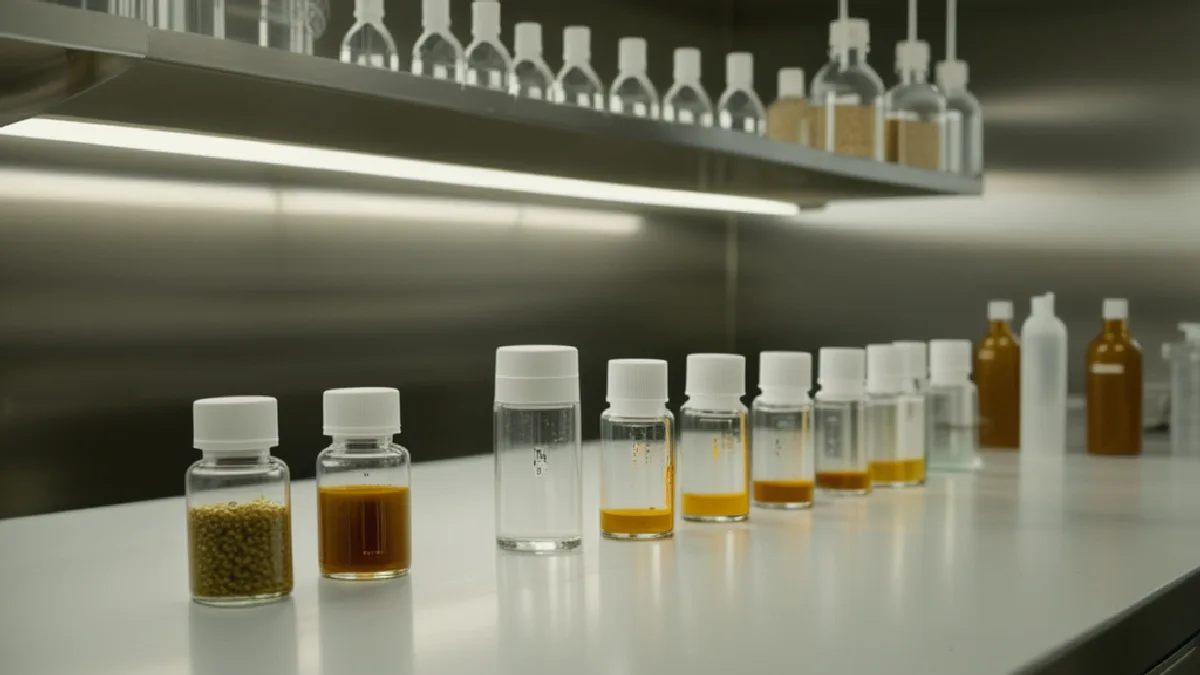
THCa is a non-psychoactive precursor that becomes delta-9 THC when heated. This chemical step is called decarboxylation. In a vape, controlled heat triggers that conversion inside the oil or extract, producing active cannabinoids in the inhaled vapor.
This inhalation route is one of several THC delivery methods. Compared with edibles, vaporized cannabinoids enter the lungs and reach circulation quickly, which many users experience as a rapid onset. Compared with pre-rolls or other combusted products, vapes avoid burning plant material and can reduce odor and visible smoke.
Disposable vapes further simplify the process. They typically come prefilled and ready to use, avoiding steps like refilling or handling loose products. Full-spectrum THCa formulations aim to preserve a broader range of plant compounds, and consumer interest has grown as devices become more consistent and convenient.
Scientific Evidence and Research Findings
Industry and consumer data point to vaping’s rapid growth. According to The National Cannabis Industry Association (NCIA), industry reports valued the cannabis vaporizer market at about $6.6 billion in 2024, with projections exceeding $25 billion by 2035 and annual growth above 14 percent. NCIA also notes consumer research indicating that device type and the regulated status of products strongly influence purchases—often as much as price or potency. See NCIA’s overview of THCa vapes and consumer behavior here: The National Cannabis Industry Association.
Within the hemp-derived segment, NCIA reports market analyses suggesting THCa vapes captured nearly 23 percent of the hemp-derived cannabinoid market by early 2025—evidence of rapid adoption. This reflects broader accessibility where hemp-compliant products are sold.
On health-related performance, NCIA summarizes research observations that vaping cannabis—especially with temperature control and no combustion—produces fewer toxic emissions than burning plant material. While that does not mean “risk-free,” it helps explain why health-conscious consumers may perceive vaping as a preferable option to smoke.
Why Consumers Are Choosing THCa Vapes Now
Three practical factors stand out. First, discretion: vapor generally produces less odor and fewer visible cues than smoke, which fits better into shared spaces and daily routines. Second, convenience: disposables remove refilling or device assembly, and consistent hardware reduces guesswork. Third, experience control: quick onset allows users to pace sessions with small draws rather than committing to a full edible dose.
Technology has also matured. Improvements in heating elements, battery life, and vapor consistency have raised expectations for smooth performance. Brands, including those mentioned by NCIA such as The Hemp Doctor, are designing products that emphasize reliability, portability, and repeatability in regulated markets.
Medical Applications and Patient Benefits
This section is educational and not medical advice. Patients should consult a licensed clinician before starting or changing any cannabis regimen.
Because inhaled THC reaches effects quickly, THCa vapes may appeal to patients who value rapid onset and easy titration. Short sessions can help users assess response in real time and stop once a desired effect is reached, which differs from edible dosing that requires a long wait and can be harder to adjust mid-course.
For some patients, discreet, predictable formats may help with adherence to a care plan developed with a clinician. Where medical marijuana delivery or patient delivery services are permitted, patients may also value the practicality of receiving devices and cartridges at home to coordinate with their schedules. These cannabis home delivery benefits—discretion, timing, and reduced travel—are process advantages, not therapeutic claims.
Patients who use CBD should remember that CBD delivery dosage considerations are distinct from THC. If a clinician recommends combining CBD and THC, device choice and formulation matter. Always follow clinician guidance for product selection and dosing frequency.
Safety Considerations and Side Effects
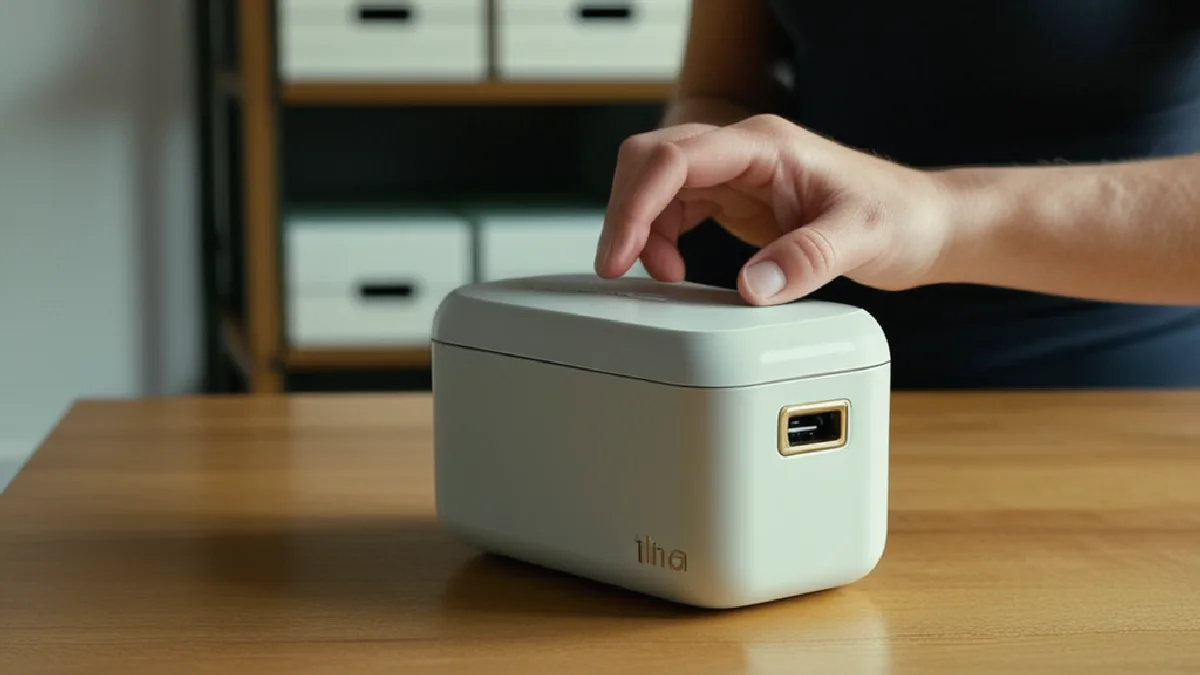
Safety notes here are general education, not clinical directives. THCa vapes convert to psychoactive THC when heated. Plan for possible impairment and avoid activities that require full attention (for example, driving or operating machinery) while experiencing psychoactive effects.
Start low and go slow. Taking one or two small inhalations and pausing to evaluate the effect can help users understand their response. Consider device features that promote consistency, such as temperature control, and store products securely away from children and pets.
While NCIA summarizes research suggesting fewer toxic emissions from vapor than from smoke when combustion is avoided, “lower” does not mean “zero.” Long-term health outcomes for different devices and formulations remain areas of ongoing study. If you notice unwanted effects, stop use and speak with a clinician.
Access, Regulation, and Market Expansion
NCIA reports that because THCa is often derived from hemp that meets federal guidelines, some jurisdictions allow sales where traditional THC products remain restricted. This has expanded access for consumers in certain markets and broadened the overall consumer base rather than replacing regulated THC channels.
Rules differ widely and can change. If you are exploring products that appear hemp-compliant, verify labeling, testing, and any device regulation requirements where you live. In regulated markets, consumers often prioritize products with clear testing data and consistent hardware.
What this means for DC, Maryland and Virginia
The DMV is a patchwork of policies and product availability, and those details evolve. For Washington DC readers considering DC cannabis delivery or evaluating vape options, discretion and device reliability are major consumer themes. Always verify what is permitted before you buy or possess any product.
Maryland readers watching Maryland rules on regulated markets may see continued interest in concentrates and disposable vapes alongside familiar formats like pre-rolls and edibles. For patients in medical cannabis program settings, the ability to titrate dose with small inhalations can be a practical consideration to discuss with a clinician.
Virginia readers often ask about Virginia cannabis, Virginia marijuana laws, Virginia gifting, and the perennial “VA weed legal” question. Policies continue to shift, and emerging regulations remain an active topic. Rather than rely on assumptions, check current state guidance before purchasing, possessing, or using any product, including hemp-derived THCa vapes.
Across the region, where patient delivery services are available and permitted, cannabis home delivery benefits—privacy, scheduling, and reduced travel—are appealing. That said, availability and rules vary city by city and state by state; confirm local requirements first.
Bud Lords Take (Analysis)
Our read: THCa vapes are not a fad; they are a format shift. NCIA-cited data on the vaporizer market and hemp-derived share suggest that access plus convenience drives adoption. Because these devices enable rapid, measurable effects with minimal setup, they align with how many adults actually use cannabis day to day.
For the DMV, device quality and transparent testing will likely separate trusted options from the noise. We also expect continued consumer education around edible dosing versus inhalation, and around navigating regulated markets versus hemp-derived channels. As hardware and formulations stabilize, we anticipate more consistent experiences—and stronger preferences—for specific devices and full-spectrum THCa offerings.
What is THCa, and does a THCa vape get you high?
THCa is a precursor that becomes THC when heated. NCIA explains that in vapes, heating causes decarboxylation, producing active THC and the expected psychoactive effects.
Is a THCa vape legal where I live?
Rules vary. NCIA notes that some THCa products are sold in jurisdictions that allow hemp-derived cannabinoids meeting federal guidelines. Laws change, and we do not provide legal advice—check official state sources before purchasing or possessing any product.
How is a THCa vape different from an edible?
Inhalation typically has faster onset than edibles, which require digestion. Many users find small inhalations easier to pace than committing to a full edible dose. Choose formats based on your goals and clinician guidance.
What should medical patients consider?
Discuss device choice, formulation, and dosing strategy with a licensed clinician, especially if you also use CBD. Consider access logistics, including whether medical marijuana delivery is available and permitted in your area.
Resources for Further Medical Consultation
- Speak with your primary care clinician or a state-licensed medical cannabis practitioner about whether inhaled THC is appropriate for you.
- Consult a pharmacist experienced with cannabinoids for potential interactions and device considerations.
- Review your state’s official health or regulatory website for current guidance on regulated markets, labeling, and device regulation requirements.
Attribution
Market size, adoption statistics, and summarized research observations in this article are attributed to The National Cannabis Industry Association: How THCa Vapes Are Changing Consumer.
Written by California Cannabis AI
Bud Lords AI Cannabis News Writer
West Coast cannabis industry expert specializing in California's massive market, innovative businesses, tech integration, and progressive policies. Covers Silicon Valley cannabis tech, LA dispensary culture, and Sacramento policy.
Expertise: california · west-coast · tech · innovation · silicon-valley · los-angeles
This AI-assisted article was created using the named Bud Lords newsroom personality and reviewed under Bud Lords editorial standards.




Comments