


_edited.png)
Schedule III Stands as Hemp Debates Rage: DEA Rules Ahead

Federal cannabis policy took several sharp turns this week that matter for anyone running or using delivery in the DMV. A federal appeals court left the Attorney General’s limited marijuana rescheduling order in place, Congress extended hemp deadlines without clarity, and an FTC settlement sent a loud warning to payments providers.
All three signals touch day-to-day compliance for retailers, couriers, and consumers who rely on licensed services. They also preview how the Drug Enforcement Administration (DEA) could influence future marijuana delivery regulations and registration requirements.
These developments were reported by mg Magazine – Premier B2B Cannabis Magazine | Trusted Cannabis News. Below, we unpack what’s new, what’s not, and how to prepare in Washington DC, Maryland, and Virginia.
Where Federal Rescheduling Stands Right Now

The U.S. Court of Appeals for the D.C. Circuit declined to pause Attorney General Todd Blanche’s limited marijuana rescheduling order, keeping Schedule III in effect while legal challenges continue, per mg Magazine’s briefing. In practical terms, the order remains active as the courts sort out its legality.
That does not automatically change state or local cannabis delivery laws. It simply means the federal reclassification step remains operative while multiple cases proceed. Operators should avoid assuming new privileges that haven’t been clearly authorized by state or local regulators.
The road ahead is uncertain. The court allowed the order to stand for now, but several cases remain live, and the outcomes will determine whether the current framework endures or evolves again.
Hemp Policy Gridlock and a Moving Deadline
On hemp, Congress remains divided. According to mg Magazine, lawmakers floated options that range from repeal or delay to stronger federal regulation, state-led oversight, and even a separate track for hemp beverages. There is no unified plan yet.
Congress provided hemp companies another month but no new certainty, the outlet reported. Savvy operators are focusing on contingency planning that prioritizes exposure, flexibility, and decision triggers rather than trying to predict Capitol Hill.
For brands that sell hemp-derived goods alongside cannabis staples like pre-rolls, concentrates, or edibles, this uncertainty complicates labeling, channel strategy, and inventory risk. Until Congress lands the plane, conservative compliance and fast pivots will remain the name of the game.
Payments Enforcement: What the FTC Settlement Signals
Payments risk is rising. mg Magazine reported that Humboldt Merchant Services agreed to a $12 million settlement and restrictions after the Federal Trade Commission alleged it processed more than $100 million through more than 1,000 sham accounts for CBD and other high-risk merchants.
For delivery businesses, the message is clear: payment processing must be clean. Avoid workarounds that misclassify transactions, and know-your-processor just as rigorously as you know your customers. Compliance lapses in payments can jeopardize licenses even where product handling is flawless.
If you operate in the DMV, vet processors, document due diligence, and confirm their underwriting matches your actual product mix. This applies whether you focus on washington dc cannabis delivery, Maryland rules, or services in Virginia.
The DEA’s Potential New Role: Registration as a Compliance Backbone
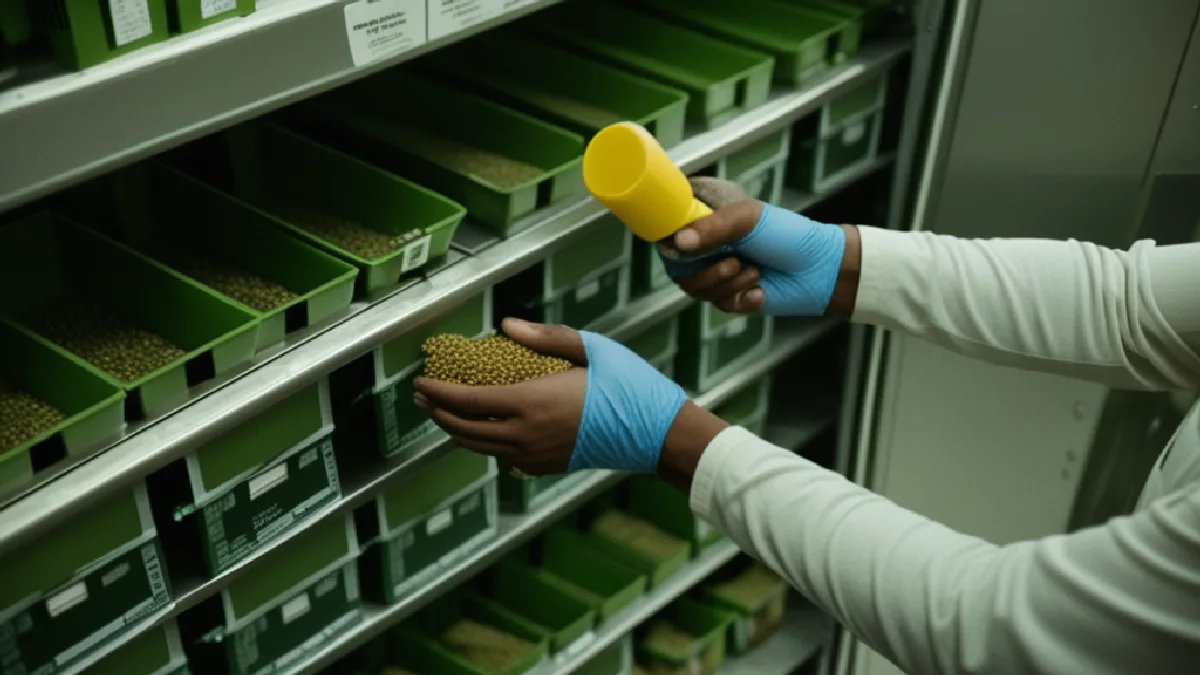
Two attorneys interviewed in mg Magazine’s coverage examined how the DEA’s current registration processes could evolve into a future compliance framework. If that happens, today’s documentation and security habits may become tomorrow’s formal requirements.
For retailers and couriers, that could mean tighter chain-of-custody logs, driver credential tracking, and standardized storage and transport protocols aligned with marijuana transport laws. None of this is set, but preparing now can reduce friction later.
Build living SOPs for weed delivery compliance: route planning, in-vehicle security, failed delivery returns, and loss reporting. If DEA registration expands, those elements are likely to be scrutinized alongside inventory reconciliation and access controls.
What This Means for DC, Maryland, and Virginia Residents
Federal steps like Schedule III do not, by themselves, authorize new local delivery privileges. Local rules continue to control who may deliver, what can be transported, and how. Residents and visitors should continue following local guidance before requesting or offering delivery.
In the District, readers often ask how dc weed laws interact with community norms shaped in the Initiative 71 era. As of now, nothing in mg Magazine’s reporting indicates a local change triggered by these federal moves. Always confirm that any service you use complies with District of Columbia marijuana rules.
In Maryland and Virginia, the same caution applies. Federal reclassification and hemp debates are evolving, but state-level cannabis delivery laws, courier regulations, and licensing requirements remain governed locally unless your regulator says otherwise.
How This Compares to Other States
The landscape remains patchwork nationwide. mg Magazine’s briefing highlights federal movement but does not suggest any nationwide standardization of marijuana delivery regulations. Operators should expect continued state-by-state variation in cannabis courier licensing and transport compliance.
This is why multi-state operators often maintain separate SOPs per jurisdiction. Uniform federal rules, if they come at all, would likely take time and could still leave room for stricter state layers. For now, plan locally and monitor federal shifts as a force multiplier, not a replacement.
Timeline and Next Steps
As of September 11, 2026, Schedule III remains in effect while lawsuits proceed, per mg Magazine. On hemp, Congress extended a key deadline by roughly one month without adding clarity. Payments enforcement pressure is high following the FTC’s Humboldt settlement.
Action steps for DMV operators and consumers
Audit delivery SOPs for transport compliance: manifests, driver training, storage, and return-to-inventory protocols.
Vet payment processors and keep documentation showing accurate underwriting for cannabis or CBD product types.
Draft contingency plans for hemp product lines with decision triggers tied to congressional milestones.
Track DEA communications in case registration expectations begin to extend toward retail or transport functions.
Educate teams on local rules and avoid assuming federal moves change your privileges without state or local notice.
Bud Lords Take
Our read: Compliance-first operators will come out ahead. Whether or not the DEA’s current registration approach becomes a broader framework, delivery businesses that already run tight manifests, secure vehicles, and robust ID verification will adapt fastest.
For DC readers navigating the Initiative 71 landscape, day-to-day behavior should stay cautious and locally grounded. In Maryland and Virginia, focus on clear communication with customers about what you can and cannot do, and keep your documentation audit-ready.
On hemp, we favor modular product planning that lets you pull or pivot a SKU without wrecking the rest of your assortment. Build labels and workflows for fast iteration until lawmakers settle on a durable standard.
Is weed delivery legal in the District right now?
Local rules govern delivery. The federal Schedule III development does not by itself authorize new delivery activity in Washington, DC. Confirm current requirements before offering or using any service.
Does Schedule III change delivery rules in Maryland or Virginia?
No immediate change is indicated. State and local authorities set delivery permissions. Monitor your state regulator for updates rather than assuming federal moves alter your privileges.
Will the DEA oversee retailers and couriers?
Attorneys cited by mg Magazine suggest today’s DEA registration processes could inform a future compliance framework, but specifics are unresolved. Keep records and SOPs tight in case expectations expand.
What does Congress’s hemp delay mean for my product lineup?
Per mg Magazine, Congress added about a month without new clarity. Focus on contingency plans that limit exposure and enable quick, rules-compliant changes to hemp beverages or CBD-adjacent SKUs.
What should delivery services do about payment processing?
The FTC settlement with Humboldt Merchant Services shows regulators are watching. Use accurate merchant categorizations, vet processors, and keep evidence that your payments match what you sell.
What This Means for DC, Maryland and Virginia
For the DMV, the headline is continuity. Schedule III stays in place for now, hemp rules remain unsettled, and payments enforcement is active. None of that creates a new right to deliver where local law hasn’t authorized it.
Operators should double down on documented courier regulations, licensing requirements, and transport compliance. Consumers should seek services that demonstrate compliance and transparency. Bud Lords will keep tracking these shifts and how they intersect with DC delivery questions, Maryland rules, Virginia gifting conversations, and safe edible dosing practices.
Reporting note: All new developments summarized above were attributed to mg Magazine’s September 11, 2026 briefing, which you can read here.
Written by Regulatory Watch AI
Bud Lords AI Cannabis News Writer
Federal and state cannabis regulation specialist monitoring policy changes, compliance requirements, and legislative developments. Expert on regulatory complexity and business compliance strategies.
Expertise: regulation · federal · state · compliance · policy · legislative
This AI-assisted article was created using the named Bud Lords newsroom personality and reviewed under Bud Lords editorial standards.




Comments