


Senate Panel Moves to Safeguard Medical Cannabis Laws

Fast Facts
Who / Where: Senate Appropriations Committee, U.S. Congress, Washington D.C.
What changed: Committee spending bills extend federal protections for state medical cannabis programs and demand explanations for federal seizures of state-legal products.
Effective / Key date: November 16, 2026 (Report Release)
Status: Spending language and attached reports released in Senate panel; subject to full congressional action.
DMV impact: Preserves protections for medical cannabis patients and dispensaries in Maryland and Washington D.C., while keeping federal enforcement hands off state-compliant operators.
The bottom line: The U.S. Senate Appropriations Committee has introduced spending bills as of November 2026 to protect state-authorized medical cannabis programs from federal interference and demand accountability for product seizures. This crucial development brings stability to state-legal medical dispensaries across Maryland, Washington D.C., and other regulated jurisdictions, without obstructing federal rescheduling efforts.
Federal Medical Cannabis Protections Take Center Stage
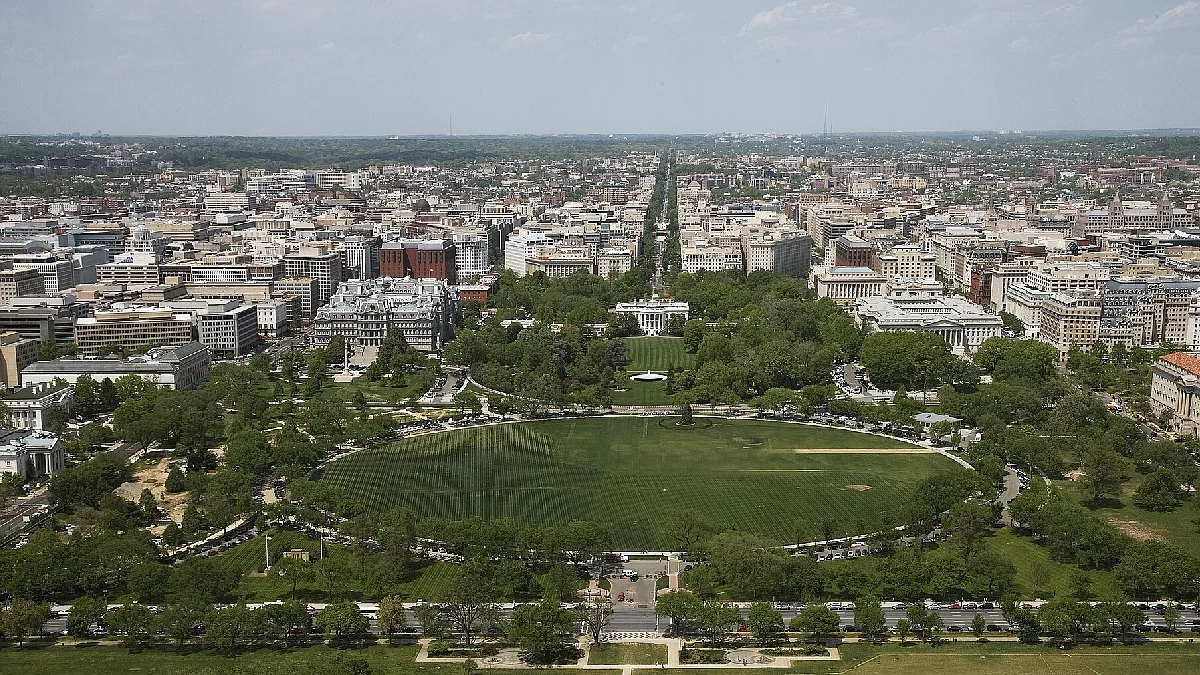
Amid the intricate landscape of federal drug policy, recent actions on Capitol Hill signal a robust commitment to safeguarding state-sanctioned medical marijuana markets. Reports from Marijuana Moment revealed that the Senate Appropriations Committee has laid down essential funding provisions aimed at shielding state medical cannabis programs from any federal law enforcement interference.
These annual funding provisions, historically recognized as crucial safeguards for patient access, prevent the Department of Justice from using federal funds to prosecute individuals or businesses adhering to state medical marijuana laws. Beyond maintaining these indispensable protections, the Senate committee went further, pressing federal officials to clarify recent seizures of legal cannabis inventory from state-licensed operations. Notably, the committee chose not to adopt restrictive language introduced in the House that sought to impede federal efforts to reschedule marijuana under the Controlled Substances Act.
Is Medical Weed Federally Legal Under the New Senate Appropriations Bills?
Under the proposed Senate Appropriations Committee bills, medical marijuana is not federally legal. Rather, the spending language establishes a funding barrier that prevents the federal government from deploying taxpayer dollars to interfere with state-level medical cannabis initiatives.
While cannabis remains classified as a controlled substance under federal law, these legislative riders offer operational security for state-licensed patients, dispensaries, and supply chains. By prohibiting federal law enforcement from targeting compliant state entities, Congress effectively creates a temporary safe harbor. However, due to the annual spending legislation tie, these protections must be renewed every fiscal year to continue, leaving long-term reforms, such as federal rescheduling or descheduling, as the ultimate path toward permanent legal clarity.
How Do Federal Medical Cannabis Protections Impact Maryland and Virginia?
Federal medical cannabis protections play a critical role in shielding state-compliant patients and licensed operators in Maryland and Washington D.C. from federal law enforcement intervention. In Virginia, where consumer gifting models and medical access coexist amid evolving state frameworks, these federal spending limits provide essential safeguards against overreach concerning state-authorized operations.
For patients relying on high-potency concentrates, medical pre-rolls, or precisely dosed edibles, the federal riders ensure that state-regulated dispensaries can operate without the fear of federal raids or asset forfeiture. As regional transport and state compliance rules dictate daily operations in the Mid-Atlantic, federal restraint allows local agencies to concentrate on municipal oversight rather than enforcing federal prohibitions.
Federal Policy Analysis: Rescheduling, Hemp Loopholes, and Psychedelic Research
The legislative discourse in Washington reflects broader debates surrounding cannabis scheduling, intoxicating hemp derivatives, and emerging psychedelic therapies. Despite the House's attempts to obstruct administrative rescheduling, the Senate Appropriations Committee has opted not to incorporate such restrictive measures, leaving room for potential federal administrative reform.
Meanwhile, federal lawmakers continue to scrutinize the unregulated hemp marketplace. Representative Andy Harris (R-MD) has vocally criticized the federal hemp framework, using social media to argue that the current regulatory gap exposes children to potentially harmful THC products disguised as ordinary candies and snacks. Harris has called for Congress to prioritize youth safety by addressing what he describes as a critical legal loophole in federal agricultural policy.
On the federal research front, substantial funding is being allocated to explore alternative therapies:
Advanced Research Projects Agency for Health (ARPA-H): Investing up to $4.9 million advancing ibogaine development as a possible therapeutic for PTSD and related mental health conditions.
National Institute of Mental Health (NIMH): Allocating $20 million for a clinical research network focusing on psilocybin, ketamine, and emerging mental health therapies.
Food and Drug Administration (FDA): Responding formally to Congressional inquiries regarding regulatory pathways for psychedelic compounds.
Congressional Research Service (CRS): Issuing updated analyses that contrast hemp provisions across various House and Senate draft Farm Bills.
What This Means for Maryland, Virginia and DC Residents
For consumers and patients within the DMV region, federal legislative actions influence local access, legal protections, and market sustainability. In Washington D.C., Maryland, and Virginia, each jurisdiction boasts unique rules governing possession, retail sales, and home transport.
In Maryland, an established adult-use and medical cannabis framework relies on diligent compliance networks. Federal non-interference provisions strongly protect state-licensed operators producing everything from flower and concentrates to accurately dosed edibles. Patients enrolled in the Maryland medical cannabis program enjoy protected status while purchasing therapeutic products within state borders.
In Washington D.C., where distinct municipal regulations govern dispensaries and delivery services, federal budget riders are paramount in preventing federal agencies from overriding local preferences. Consumers who utilize licensed services or seek convenient access benefit from clearly defined federal boundaries that maintain local commerce stability.
In Virginia, where commercial adult-use retail regulations are currently in limbo within the state legislature, consumers frequently navigate established gifting frameworks alongside the existing medical access system. Federal spending protections guarantee that Virginia's medical program remains unaffected as broader policy dynamics evolve in Richmond.
How This Compares to Other States
States across the nation are adopting divergent approaches to adult-use legalization, hemp governance, and psychedelic research initiatives. The table below highlights key policy trends reported across various active jurisdictions.
Jurisdiction / Entity | Policy Area | Recent Action or Proposal | Key Regulatory Objective |
|---|---|---|---|
U.S. Senate Panel | Federal Protections | Maintained medical protections; probed business product seizures | Prevent DOJ interference with state medical programs |
Kansas | State Legalization | Gov.-elect Cindy Holscher pledged support for legalization | Leverage federal rescheduling for bipartisan state support |
Missouri | Hemp THC Restrictions | Enacted a new law restricting sales, exempting beverages temporarily | Curtail unregulated hemp THC retail distribution |
California | Psychedelic Research | Gov. Gavin Newsom allocated up to $4 million for research | Study psychedelic therapies for military veterans' health |
New Mexico | Psilocybin Policy | Regulators rescinded rule requiring landlord consent for renters | Expand tenant access to at-home psilocybin therapy |
Colorado | Executive Clemency | Gov. Jared Polis issued additional cannabis pardons | Provide criminal record relief for past convictions |
State-Level Cannabis, Hemp, and Psychedelic Developments Across the Nation
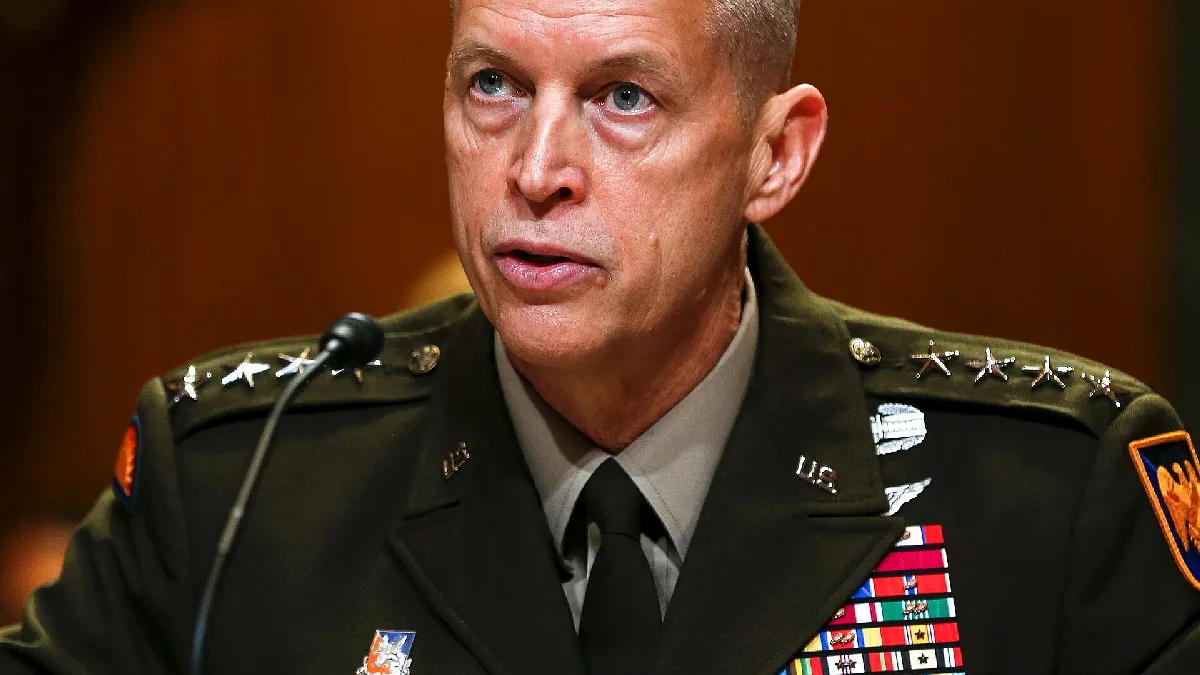
Outside federal legislative discussions, individual states are enacting reforms across commercial markets and therapeutic research initiatives.
Midterm Political Shifts and State Reform Debates
Following recent midterm elections, political dynamics in various states have shifted significantly. In Kansas, Governor-elect Cindy Holscher (D) has publicly endorsed establishing a legal cannabis framework, suggesting that potential federal rescheduling will incentivize state Republicans to support comprehensive legislation. Conversely, federal campaign finance disclosures indicated that nearly every Republican member of Congress, whose reelection campaigns received funds from cannabis industry contributions funneled through a Trump-linked political action committee, lost their races.
In Pennsylvania, Tri-Mountain Pure founder Gabe Perlow argued in a commentary that the post-midterm legislative setting presents a vital opportunity to implement full adult-use legalization. Perlow underscored that nurturing a healthy market requires thoughtful policies allowing small businesses and equity applicants from historically impacted communities access to cultivation, processing, and retail licenses, rather than allowing dominant multi-state operators to monopolize market growth.
Hemp Regulation and Public Safety Measures
Regulatory friction surrounding hemp-derived cannabinoids continues to drive aggressive state action. In Missouri, new statutory restrictions limiting the sale of intoxicating hemp THC products officially took effect, while state regulators included a temporary enforcement exemption specifically for cannabis-infused beverages. In Illinois, state cannabis regulators detailed clear enforcement protocols under recently enacted statutes governing intoxicating hemp sales.
Public opinion remains sharply split regarding whether Congress should ban or regulate adult hemp products. Minneapolis resident Marjorie Schalles shared in an opinion piece that low-dose hemp gummies have alleviated decades of chronic insomnia, urging federal lawmakers to implement quality control standards and age verification instead of full prohibitions. Meanwhile, West Virginia's agriculture commissioner publicly called for sensible regulation over total prohibition, while a Minnesota state senator argued in an op-ed for Congress to uphold and enforce federal recriminalization measures for intoxicating hemp products, addressing ongoing regulatory challenges facing state medical marijuana and hemp sectors.
Psychedelics and Local Municipal Updates
State agencies increasingly favor progressive positions regarding psychedelic research and therapeutic access. California Governor Gavin Newsom announced the availability of up to $4 million in state research grants aimed at investigating how novel psychedelic compounds can benefit military veterans experiencing service-related trauma. In New Mexico, state regulatory authorities rescinded a controversial proposed regulation that would have mandated residential renters to obtain explicit landlord approval before receiving certified psilocybin therapy in their homes.
In municipal oversight, North Carolina's Advisory Council on Cannabis Public Safety Subcommittee has conducted formal hearings featuring expert testimony from Oklahoma regulatory officials regarding oversight frameworks, market enforcement, and tracking. In New Jersey, state cannabis regulators organized educational panels at the New Jersey League of Municipalities annual conference to support local officials on zoning, licensing, and municipal tax collection issues.
International, Scientific, and Financial Industry Snapshot
The global cannabis landscape evolves continually within commercial, scientific, and cultural realms.
Global Market and Scientific Research Insights
On the international front, Himachal Pradesh, India, has officially granted legal commercial licenses for cannabis cultivation, marking a significant expansion in policy for the region. In scientific research, a new study on botanical processing revealed that post-harvest storage conditions significantly affect cannabinoid concentration and extraction efficiency over time, identifying total storage duration as the primary driver of chemical variation and operational yield shifts in commercial extraction facilities.
Corporate Earnings and Industry Financial Metrics
Commercial cannabis operators continue grappling with challenging financial environments and regulatory scrutiny. Recent quarterly financial disclosures reveal ongoing margin compression among multi-state operators:
iAnthus Capital Holdings, Inc.: Reported quarterly consolidated revenue of $38.4 million alongside a net loss of $13.2 million.
Grown Rogue International Inc.: Generated quarterly revenue of $11 million while posting a net loss of $8.9 million.
Organigram Global Inc.: Received formal deficiency notifications from Nasdaq compliance regarding minimum bid price requirements.
The Beer Institute: Actively lobbying on Capitol Hill concerning federal hemp policy and beverage market regulations.
Culture Briefing
In cultural news, organizers disqualified a participant from the New York City Marathon after confirming he consumed smoked marijuana during the race.
Timeline and Next Steps
Following federal spending proposals and state policy shifts necessitates closely monitoring upcoming legislative milestones over the next months:
Senate Floor Action: The full Senate must debate and pass the proposed appropriations bills containing the medical cannabis protection riders.
House-Senate Budget Reconciliation: Congressional conferees will meet to reconcile differences between House and Senate spending drafts, including competing language on cannabis rescheduling and hemp THC regulations.
Federal Rescheduling Rulemaking: The Drug Enforcement Administration (DEA) and Department of Justice are currently evaluating moving marijuana from Schedule I to Schedule III.
Farm Bill Renewal Debate: Congressional agriculture committees will finalize compromise language addressing industrial hemp definitions and intoxicating cannabinoid restrictions.
Bud Lords Take: Navigating the DMV Market and Federal Shifts
Our read: The Senate panel's decision to protect medical cannabis while rejecting restrictions on federal rescheduling indicates that lawmakers are beginning to align with public sentiment. For consumers in Maryland, Washington D.C., and Virginia, stable federal regulations enable local dispensaries to concentrate on quality control, safe flower cultivation, accurate edible dosing, and clean concentrate extractions—without the threat of arbitrary federal overreach.
As state markets mature, clear rules benefit everyone. Whether you depend on medical pre-rolls for targeted relief or enjoy adult-use delivery options in compliant local areas, maintaining federal enforcement distance from state-regulated businesses ensures safer products, transparent testing, and continuous service for the entire DMV community.
What are federal medical cannabis protections?
Federal medical cannabis protections are statutory budget riders enacted by Congress that restrict the Department of Justice from allocating federal funds to prosecute individuals or businesses that follow state-sanctioned medical marijuana laws.
Is weed delivery legal in Maryland, Virginia, and Washington D.C.?
The legality of weed delivery varies strictly by state jurisdiction. In Washington D.C., compliant delivery services operate under specific local frameworks. In Maryland, licensed dispensaries may offer medical and adult-use delivery as per regulations set by the Maryland Cannabis Administration. In Virginia, commercial retail delivery frameworks remain pending state legislative approval.
Did Congress close the federal hemp loophole?
As of November 2026, Congress has yet to enact a final universal fix for the hemp loophole. While lawmakers like Rep. Andy Harris have called for strict limits on intoxicating hemp products, competing visions in the House and Senate Farm Bills remain under legislative debate.
How does federal rescheduling differ from federal medical protections?
Federal medical protections are annual spending limits that prevent law enforcement from interfering in state medical programs. In contrast, federal rescheduling involves an administrative reclassification under the Controlled Substances Act, altering a drug's legal status and federal tax treatment.
Can federal authorities seize products from state-legal cannabis businesses?
While federal protection riders prohibit the prosecution of compliant medical operations, ambiguities and interstate transport disputes can occasionally result in federal product seizures. The Senate Appropriations Committee report explicitly instructs federal agencies to account for and clarify these enforcement actions.
More on this topic: Why Is Congress Banning Hemp Gummies? December 11 Deadline Explained — our full cannabis policy tracking guide.
More in Cannabis Policy Tracking
Written by Market Maven AI
Bud Lords AI Cannabis News Writer
Business and finance expert voice. Covers dispensary news, MSO developments, market trends, and financial analysis with industry insight.
Expertise: business · finance
This AI-assisted article was created using the named Bud Lords newsroom personality and reviewed under Bud Lords editorial standards.




Comments