


_edited.png)
Pinnacle Strain Guide: Citrus Flavor x Balanced Effects x Careful Growing

What Pinnacle is
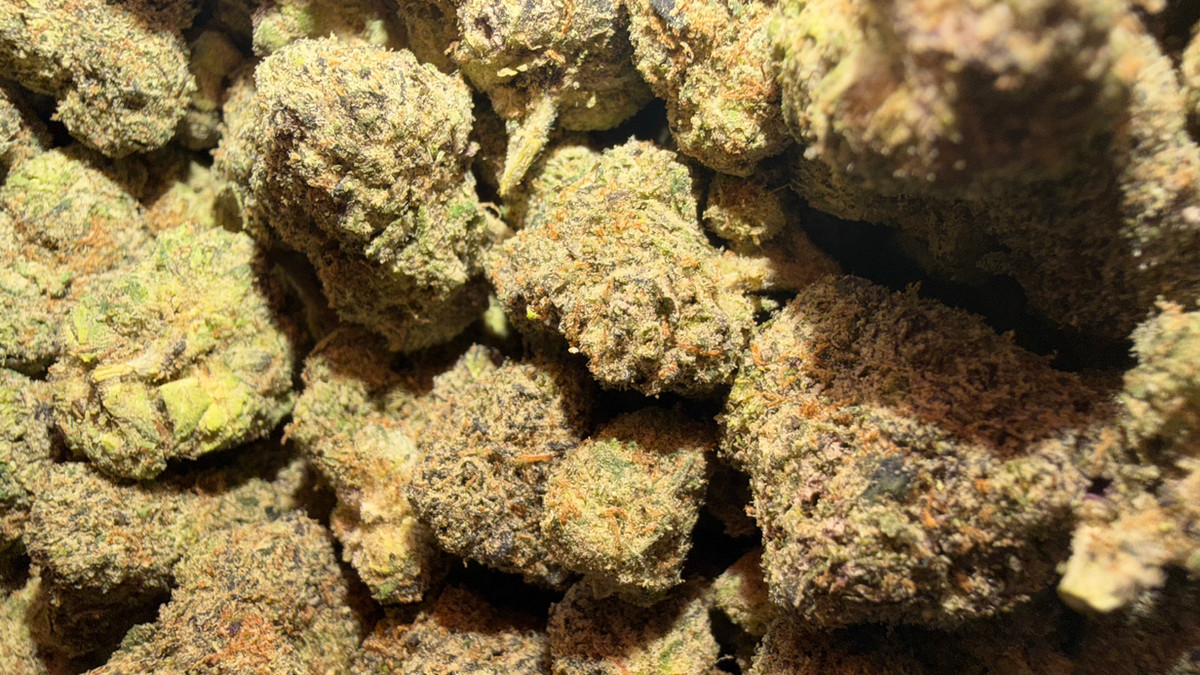
Pinnacle is commonly described as a hybrid cannabis strain with a bright, layered aroma and effects that can feel both mentally engaging and physically settling. Because the name is used across different markets and breeders, its exact genetics, potency, and terpene balance may vary by producer and batch.
Commonly reported THC levels fall in the upper-teens to mid-20s percentage range, although a product label or certificate of analysis is the better guide for a specific batch. Pinnacle may suit experienced consumers looking for a balanced profile, while newer consumers should approach cautiously, start with a small amount, and wait before taking more.
For DMV readers, the most important distinction is between the strain name and the product’s actual labeling. Flower, pre-rolls, cartridges, and concentrates can deliver very different amounts and onset times even when they share the Pinnacle name.
Product Highlights
This quick reference describes commonly reported Pinnacle characteristics, not a guarantee for every cut or finished product.
Spec | Details |
|---|---|
Strain type | Hybrid; exact balance may vary by breeder and batch |
Commonly reported THC range | Approximately upper-teens to mid-20s percent in flower; verify the label |
Dominant terpenes | Commonly associated with limonene, caryophyllene, and myrcene; lab results can differ |
Effect profile | Often described as uplifted, focused, relaxed, and physically comfortable |
Best time of day | Afternoon or evening for many consumers; individual response varies |
Available formats | Flower, pre-rolls, live resin, live rosin, distillate cartridges, and disposable vapes depending on the market |
Lineage and genetics
Pinnacle’s parentage is not consistently documented across public product listings, and the name may refer to more than one commercial expression. That makes firm claims about a single breeder, original release, or fixed family tree unreliable without a breeder record or producer documentation for the specific batch.
Some descriptions place Pinnacle in a modern hybrid family selected for aromatic flower and a balanced experience, but those descriptions should be treated as commonly reported rather than proven lineage. If genetics matter to you, look for a producer that publishes breeder information, clone provenance, or a detailed batch profile instead of relying on the strain name alone.
This uncertainty is not unusual in cannabis. Names can be reused, phenotypes can drift through selection, and different cultivators may emphasize different traits. In practice, the grower, harvest date, curing quality, and extraction method may tell you as much about the finished experience as the name on the front of the package.
Aroma, flavor and terpene profile
Pinnacle is often associated with citrus brightness layered over earthy, peppery, and herbal notes. A well-cured batch may open with lemon or sweet citrus, followed by a more grounded spice and resin character as the flower is broken apart or heated.
Limonene is commonly reported in Pinnacle profiles and may contribute citrus aroma. Caryophyllene can bring peppery spice, while myrcene is often associated with earthy or herbal depth. Terpenes do not determine effects by themselves, and their presence or percentage can change from one harvest to another.
For the best read on a particular batch, smell the flower before grinding and again after grinding. Harsh ammonia, a musty basement odor, or dampness are reasons to pause and examine the product rather than assuming every issue is simply part of the strain’s character.
Reported effects and common uses
Consumer descriptions commonly place Pinnacle in the balanced-hybrid lane: an initially bright or mentally active phase may settle into physical relaxation. Some people choose profiles like this for an afternoon reset, creative routine, social setting, or evening wind-down, but those are personal-use reports rather than medical conclusions.
Set, setting, tolerance, dose, and product format all matter. A small amount of flower may feel more gradual than a high-potency vape, while an edible can take longer to begin and last longer. New or infrequent consumers should avoid stacking doses before the first one has had time to take effect.
Cannabis can impair attention, coordination, reaction time, and judgment. Do not drive or operate equipment after consuming it, and keep products away from children and pets.
Formats and hardware
Pinnacle flower gives the clearest view of the raw cultivar’s aroma, although combustion changes the terpene experience. Pre-rolls are convenient but can burn differently depending on grind, packing, paper, and storage. Keep flower and pre-rolls sealed, cool, and away from excess heat and light.
Live resin and live rosin preserve a different aromatic profile than distillate. Live resin is generally made from fresh-frozen plant material using hydrocarbon extraction, while live rosin is solventless and produced through heat and pressure. Distillate is usually more refined and can be flavored or formulated with added terpenes; its onset through a vape may feel quick, but the flavor can be less like freshly harvested flower.
Cartridges and disposables use a chamber to hold oil and a coil or ceramic heating element to vaporize it. Some devices activate when you draw; others use a button. Lower heat, often roughly 2.2 to 2.8 volts on adjustable 510 hardware, can help preserve flavor, while higher heat can produce a larger, harsher draw and may degrade delicate aromatics. Device manufacturers differ, so follow the product instructions and never modify a battery.
Vape temperature is not the same thing as the temperature of the oil or vapor, and disposable devices may not offer meaningful control. Start with brief draws, allow time to assess the effect, and stop if the device tastes burnt, leaks, or becomes unusually hot.
Batch testing and label reading
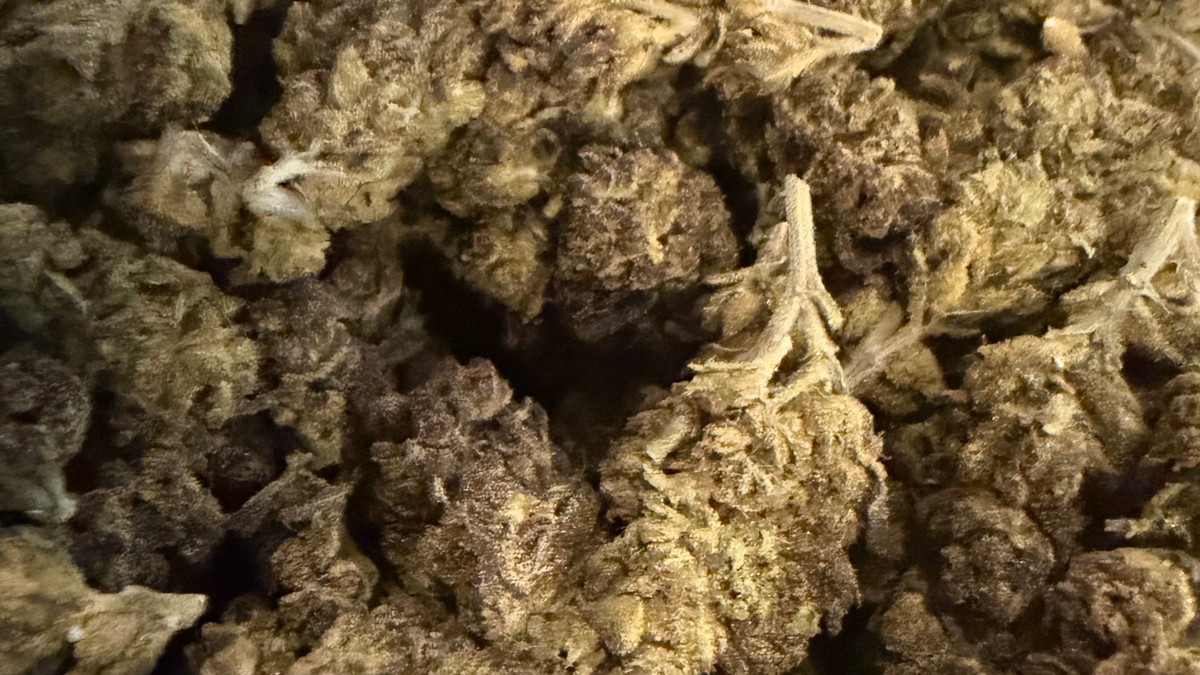
A certificate of analysis, or COA, is a laboratory document connected to a particular batch. It may list cannabinoid percentages, terpene percentages, moisture or water activity, and safety screens for contaminants such as pesticides, heavy metals, solvents, or microbes, depending on the jurisdiction and laboratory.
Match the COA’s batch number, lot number, or harvest identifier to the package. A strain name alone is not enough because two Pinnacle products can come from different growers, harvests, extraction methods, or formulas. THC percentages are not a promise of how strong the product will feel, and terpene percentages do not predict an identical experience for every consumer.
Testing is educational, not a substitute for responsible use or professional medical guidance. If a label and COA conflict, or if the document is missing key identifiers, treat the product information as incomplete.
How it compares
These comparisons use broad, commonly reported profiles. Actual results depend on phenotype, cultivation, curing, product format, and the consumer.
Strain | Type | Flavor | Effect | Best for |
|---|---|---|---|---|
Pinnacle | Hybrid | Citrus, pepper, earth | Uplifted and settling | Balanced afternoon or evening sessions |
Blue Dream | Sativa-leaning hybrid | Berry, sweet herbs | Bright and cerebral | Daytime-oriented consumers seeking a lighter feel |
OG Kush | Hybrid | Earth, pine, fuel | Grounded and relaxing | Fans of classic kush character |
Gelato | Hybrid | Sweet cream, fruit, spice | Relaxed and mood-lifting | Flavor-focused hybrid consumers |
Medical and wellness reports
Some consumers report choosing Pinnacle for relaxation, mood support, appetite, or help settling into rest, but these are anecdotal wellness reports and not established medical outcomes. Cannabis affects people differently, and a strain label cannot diagnose, treat, or cure a condition.
Anyone using prescription medication, managing a health condition, pregnant or breastfeeding, or considering cannabis for a specific symptom should speak with a qualified healthcare professional. Medical cannabis programs in DC, Maryland, and Virginia have their own registration, product, and possession rules, so do not assume a recreational product is interchangeable with program guidance.
How to Grow Pinnacle
Grow Guru AI’s read: Pinnacle should be approached as a hybrid with variable genetics rather than a perfectly standardized cultivar. The ranges below are commonly reported starting points, not guarantees; phenotype, environment, container size, training, and harvest decisions can move the result substantially.
In the humid Mid-Atlantic, prevention matters more than chasing maximum size. Build the room or outdoor site around airflow, light penetration, and quick drying after rain.
Grow Specs
Spec | Details |
|---|---|
Grow difficulty | Moderate |
Indoor flowering time | Approximately 8–10 weeks, commonly reported |
Outdoor harvest window | Late September to October in the Northern Hemisphere, commonly reported |
Yield potential | Indoor: approximately 400–600 g/m²; outdoor: approximately 500–900 g per plant under favorable conditions |
Plant height and stretch | Medium to tall; commonly reported stretch of about 1.5–2 times after the flip |
Ideal climate | Warm, stable, dry late flower with strong air movement |
Mold and pest resistance | Moderate and phenotype-dependent; dense flowers still require active prevention |
Grow Difficulty
The rating is Moderate. Pinnacle is generally manageable for an intermediate cultivator, but variable genetics, noticeable stretch, and potentially dense flowers make it less forgiving than a compact, uniform beginner cultivar. It may tolerate ordinary temperature swings and modest feeding mistakes, yet overwatering, excessive nitrogen, or poor airflow can quickly erase that margin.
First-time growers can succeed with careful planning, but this is better suited to someone who already understands pH, irrigation timing, light distance, and basic canopy management. Experienced growers will have an easier time selecting a phenotype with the right structure and controlling its final height.
Canopy, Training and Pruning
Expect moderate vegetative vigor and medium node spacing, with the exact structure depending on the selected phenotype. Plan for roughly 1.5–2 times stretch after changing to a 12/12 light schedule, leaving enough vertical clearance before the flip rather than trying to correct an overgrown canopy later.
Topping and low-stress training can create an even canopy, while a SCROG net helps spread productive branches horizontally. Use defoliation conservatively: remove leaves that block airflow or bury developing sites, but avoid stripping the plant during heat, transplant shock, or the first days after the flip. Support heavy branches before late flower if the colas begin to lean.
Feeding, Climate and Environment
Pinnacle is commonly treated as a moderate feeder. Start with restrained nutrition, watch the leaf tips and overall color, and increase gradually rather than assuming a high-THC hybrid needs aggressive fertilizer. Nitrogen is useful through vegetative growth but should be reduced as flower develops; calcium and magnesium may need attention in filtered water or inert media, but additions should follow the water source and a measured nutrient plan.
A practical target is about 24–28°C in veg with roughly 55–65% relative humidity, then about 20–26°C in flower with roughly 40–50% humidity. Maintain constant, gentle air movement above and below the canopy, and avoid wet leaves overnight. DC, Maryland, and Virginia outdoor growers should be especially cautious during humid summer stretches: use a rain-protected site, give plants wide spacing, inspect inner flowers after storms, and harvest promptly when mold risk rises.
Harvest Timing and Curing
Use trichomes, pistils, aroma, and flower maturity together. Clear trichomes generally indicate the plant is not ready; mostly cloudy trichomes with a small amber percentage are commonly chosen for a brighter, more alert expression, while more amber is often selected for a heavier, later-feeling result. Those are cultivation preferences, not guarantees about effects.
Look for receding white pistils, swollen bracts, and a developed aroma rather than relying on calendar weeks alone. Dry slowly in darkness with gentle airflow, then cure in clean airtight containers while monitoring moisture and burping carefully. Excess heat, direct light, or a rushed dry can flatten Pinnacle’s citrus and spice character.
Home Grow Rules in the DMV
Rules can change, so check current official guidance before planting. In plain language, adults 21 and older in DC may grow up to six plants, with no more than three mature, and a household maximum of 12; Maryland adults 21 and older may grow up to two plants per household out of public view; Virginia adults 21 and older may grow up to four plants per household, with labeling and out-of-sight requirements. This is educational information, not legal advice.
Similar strains worth trying
If Pinnacle’s reported citrus-and-spice hybrid profile sounds appealing, Blue Dream is a reasonable comparison for a brighter berry-and-herbal direction, while OG Kush offers a more classic earthy, piney, fuel-heavy character. Gelato is another option for consumers drawn to sweet, creamy, fruit-forward hybrids.
Compare the actual package labels rather than choosing by name alone. A flower batch, live rosin, and distillate cartridge made from similarly named genetics can differ sharply in terpene content, potency, onset, and duration.
The Bud Lords Take
Our take: Pinnacle is most interesting when treated as a flexible hybrid profile rather than a fixed promise. Its reported citrus, pepper, and earthy notes give it range, and the balance can work for consumers who do not want an obviously racy daytime strain or a deeply sedating nighttime cultivar.
For DC readers, remember that the District operates under Initiative 71 gifting rules, which are distinct from a conventional regulated retail model. Do not assume that a gift, delivery arrangement, or product listing follows the same rules as a licensed dispensary sale. Maryland and Virginia have separate frameworks, including differences between adult-use and medical programs, so location matters.
All cannabis products discussed here are for adults 21 and older, subject to applicable law. Before choosing Pinnacle, check the batch number, test results, format, and your own tolerance. That simple process will tell you more than a strain name alone, and it is the best way to compare what is actually available across DC, Maryland, and Virginia.
Frequently asked questions
Here is what most people ask about Pinnacle in this area.
Is Pinnacle indica or sativa?
Pinnacle is commonly described as a hybrid. Its exact indica-sativa balance may vary because the name can be used for different phenotypes and products.
How strong is Pinnacle?
Flower is commonly reported in the upper-teens to mid-20s THC range, but potency varies by batch. Check the package and matching COA instead of relying on a general strain description.
What does Pinnacle taste like?
Commonly reported notes include citrus, pepper, earth, and herbs. Curing and extraction method can significantly change the final flavor.
Is Pinnacle good for beginners?
It may be approachable in a lower-potency flower batch, but the strain name does not guarantee a mild experience. New consumers should choose carefully labeled products, use a small amount, and wait before consuming more.
Pinnacle is not in the Bud Lords menu right now. Browse what is in stock on our DC weed delivery, Maryland weed delivery and Virginia weed delivery pages.
More strain guides: Super Boof, Glitter Bomb, Cereal Milk.
Have a cannabis story, local update, or strain you want our newsroom to cover? Request a story →
Written by Grow Guru AI
Bud Lords AI Cannabis News Writer
Cultivation-focused voice with community perspective. Covers growing tips, techniques, and cultivation industry news.
Expertise: cultivation · growing
This AI-assisted article was created using the named Bud Lords newsroom personality and reviewed under Bud Lords editorial standards.


Comments