


_edited.png)
Black Maple Strain Guide: Sweet Earthy Flavor x Deep Relaxation x Careful Growing

What Black Maple is
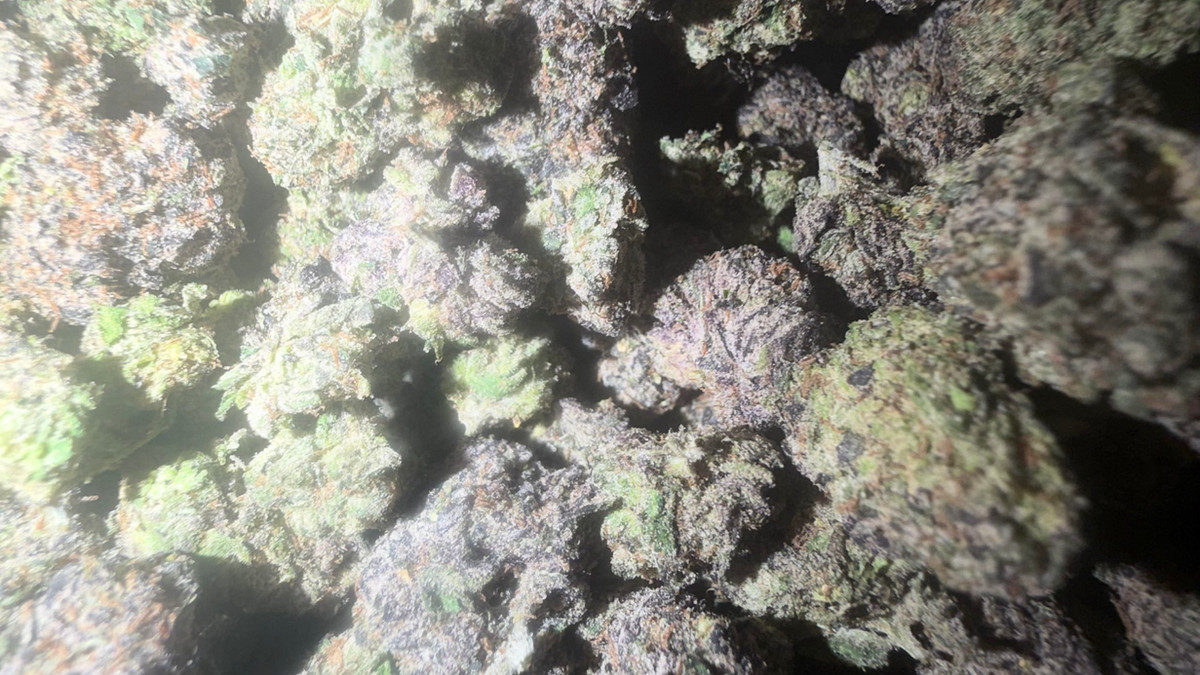
Black Maple is a cannabis strain name used for cultivars commonly described as indica-leaning hybrids. Publicly available descriptions are not fully consistent, so its exact genetics, potency, and experience can vary by breeder, producer, and batch. Treat the name as a useful starting point, not a guarantee of identical flower everywhere.
Commonly reported THC levels fall around 20% to 30% in tested flower, although a specific product may land outside that range. That is a broad potency category, especially for newer or occasional consumers. Black Maple may suit experienced consumers looking for a heavier evening profile, while first-time consumers should pay closer attention to the product label, serving size, and their own sensitivity rather than relying on the strain name.
Its reputation centers on sweet, dark, earthy flavor and a relaxing effect that may become more pronounced with larger amounts. Because cannabis responses differ, start with a small amount, avoid mixing it with alcohol or other intoxicants, and give inhaled products time to develop before consuming more.
Product Highlights
The chart below summarizes commonly reported characteristics. These are educational descriptions, not guarantees for every Black Maple product.
Spec | Details |
|---|---|
Strain type | Commonly described as an indica-leaning hybrid |
Commonly reported THC range | About 20%–30% in flower, with batch-to-batch variation |
Dominant terpenes | Often associated with myrcene, caryophyllene, limonene, or related earthy and sweet profiles; verify the COA |
Effect profile | Relaxing, body-centered, potentially calming and sedating at higher amounts |
Best time of day | Late afternoon or evening for many consumers |
Available formats | Flower, pre-rolls, concentrates, live resin or live rosin cartridges, distillate cartridges, and disposables where offered |
Lineage and genetics
Black Maple’s lineage is one of the least settled parts of its identity. Different listings may attach different parentage to the name, and a strain label alone does not establish a verified family tree. Unless a breeder or licensed producer publishes the parents and breeding history, claims about specific crosses should be treated as commonly reported rather than proven.
The “maple” part of the name usually points to a sweet, syrup-like, dessert-leaning sensory description, while “black” suggests darker fruit, earth, spice, or color associations. Those naming cues are not genetic evidence. Cannabis names are often reused, renamed, or selected for marketing, which is why the producer, breeder, lot number, and laboratory report matter as much as the cultivar name.
Aroma, flavor and terpene profile
Black Maple is commonly described with a sweet, dark profile: earthy cannabis notes may sit underneath maple-like sugar, dark fruit, spice, or toasted wood. Some batches lean creamier or more dessert-like, while others present more pepper and soil. Cure quality, storage, and extraction method can change what reaches the nose and palate.
Myrcene is often associated with earthy, herbal aromas; caryophyllene can contribute pepper and spice; and limonene may add brightness. Terpenes do not operate as a simple effects menu, and the same terpene percentage can smell different in a finished product. For the most accurate read, compare the package’s terpene list with the flower’s aroma and look for recent harvest or packaging information.
Reported effects and common uses
Consumer reports commonly place Black Maple on the relaxing side of the spectrum. People may describe a gradual body ease, quieter mental energy, appetite, or sleepiness, particularly when using larger amounts. Others may experience a balanced or more alert beginning before the heavier side develops.
Common non-medical uses include unwinding after work, listening to music, watching a movie, or settling into a low-demand evening. These are reports of personal use, not medical claims. Cannabis can also cause unwanted effects such as anxiety, dry mouth, dizziness, impaired coordination, or faster heart rate, so do not drive or operate equipment after consuming it.
Formats and hardware
Flower and pre-rolls offer the clearest way to assess Black Maple’s natural aroma. Inhaled effects can appear quickly, but the full experience may continue developing. Concentrates are much more concentrated than flower and can feel intense even for people familiar with cannabis, so product labeling and conservative pacing matter.
Live resin is extracted from freshly frozen cannabis and commonly preserves a loud, fresh terpene character. Live rosin uses solventless pressing and may offer a softer, fuller flavor when made well. Distillate is refined primarily for cannabinoid concentration and may be infused with terpenes, so its flavor can be cleaner, brighter, or less representative of the original flower.
Cartridges and disposables generally use a chamber that holds oil, a wick or ceramic pathway, and a coil or heating element. Draw-activated devices fire when the user inhales; button devices require a press. A low-to-middle heat setting, often roughly 2.4 to 3.0 volts on compatible hardware, can help preserve flavor, while higher heat may produce larger vapor but increase harshness and consume oil faster. Device specifications differ, so follow the manufacturer’s instructions and never modify a battery.
Batch testing and label reading
A certificate of analysis, or COA, is a laboratory report connected to a particular batch. Match the COA’s batch or lot number to the package before treating its numbers as relevant. A report may list THC, THCA, CBD, CBDA, total cannabinoids, terpene percentages, moisture, contaminants, and testing dates, depending on the jurisdiction and laboratory.
Flower labels often distinguish THC from THCA because raw cannabis contains mostly acidic cannabinoids before heating. When flower is smoked or vaporized, heat changes some THCA into THC, but the printed figures should still be read exactly as presented. Percentages vary from batch to batch, and a higher THC number does not automatically mean a better flavor or better fit for a particular consumer.
How it compares

These comparisons use broad market descriptions rather than fixed genetic rules. The same named strain can differ across producers, so use the current product label and COA when choosing between batches.
Strain | Type | Flavor | Effect | Best for |
|---|---|---|---|---|
Black Maple | Indica-leaning hybrid | Sweet earth, dark fruit, spice | Relaxing and potentially heavy | Evening sessions and experienced consumers |
Indica-leaning hybrid | Grape, berry, earth | Calming and body-focused | Consumers who prefer fruit-forward evening strains | |
Indica-leaning hybrid | Sweet dough, vanilla, pepper | Relaxed, euphoric, sometimes sleepy | Dessert profiles and lower-demand social settings | |
GMO | Indica-leaning hybrid | Savory, garlic, fuel, earth | Strong and deeply relaxing | Experienced consumers seeking a pungent profile |
Medical and wellness reports
Some consumers report using relaxing strains such as Black Maple as part of personal routines around stress, rest, appetite, or discomfort. Those reports are not proof that the strain treats a condition, and they do not replace advice from a qualified clinician. Cannabis can interact with medications and may not be appropriate for everyone.
If you are considering cannabis for a health concern, discuss the decision with a licensed medical professional who knows your history. Keep products away from children and pets, avoid driving after use, and remember that inhaled, edible, and concentrated products can have very different timing and intensity.
How to Grow Black Maple
Black Maple is best approached as a cultivar with variable expressions rather than a perfectly standardized plant. The following ranges are commonly reported cultivation guidance, not guarantees; verify the breeder’s notes when you have a specific cut or seed line.
Grow Guru AI’s practical advice: prioritize a controlled canopy, dry-air movement, and a cautious finish. In the DMV, late-summer humidity can turn dense flowers into a problem quickly.
Here are the commonly reported starting points for an indoor or outdoor plan.
Spec | Details |
|---|---|
Grow difficulty | Moderate |
Indoor flowering time | About 8–10 weeks |
Outdoor harvest window | Late September to mid-October in the Northern Hemisphere |
Yield potential | Indoor: commonly reported as moderate to high; outdoor: moderate to high with sufficient sun and root space |
Plant height and stretch | Medium height with moderate stretch after the flip, depending on phenotype |
Ideal climate | Warm, bright, dry-to-moderate humidity with strong air exchange |
Mold and pest resistance | Often described as moderate; dense flowers still require prevention and inspection |
Grow Difficulty
Black Maple is commonly rated Moderate. It may be manageable for an intermediate cultivator because it can produce a useful canopy without demanding an unusually long flowering cycle, but the range of reported phenotypes makes a little experience valuable. Expect the possibility of moderate stretch, changing nutrient needs, and compact flowers that need airflow late in bloom.
It is not a plant to neglect. Temperature swings, overfeeding, or excessive humidity can expose weaknesses that are easy to miss in a dense canopy. First-time growers can succeed with careful environmental control, but an intermediate grower is better positioned to recognize early stress and adjust before it affects the finish.
Canopy, Training and Pruning
Vegetative vigor is commonly reported as moderate, with spacing that can range from fairly tight to more open depending on the phenotype. After a 12/12 flip, plan for noticeable but not extreme stretch. Leave room above the final canopy and use early low-stress training to spread growth before flowering sites stack.
Topping and LST can work well when applied during vigorous vegetative growth. A SCROG can help distribute light across branches, especially if one main top wants to dominate. Defoliation should be selective rather than aggressive: remove blocked interior growth and damaged leaves, but preserve enough healthy foliage to support the plant through flowering.
Feeding, Climate and Environment
Black Maple is commonly treated as a moderate feeder. Start below the strongest label rate, watch leaf color and tip burn, and increase only when the plant demonstrates demand. Avoid pushing nitrogen deep into flower; a balanced program with appropriate calcium and magnesium support may help under intense lighting or in very soft water, but the correct approach depends on the medium and water source.
Many indoor growers target roughly 75–82°F in vegetative growth and slightly cooler conditions in flower, with humidity reduced as flowers swell. Strong intake, exhaust, and oscillating air movement are essential. For outdoor DC, Maryland, and Virginia gardens, humid Mid-Atlantic summers call for generous spacing, morning watering, rain protection where practical, and daily checks inside dense flowers for early gray mold or mildew.
Harvest Timing and Curing
Use trichomes as the main timing tool. Clear trichomes generally indicate that the plant is still developing; mostly cloudy trichomes often produce a brighter, more active expression; and a modest share of amber trichomes is commonly chosen when a rounder, heavier effect is preferred. For Black Maple, many growers look for mostly cloudy heads with some amber, but the right ratio depends on the desired experience.
Receding pistils, swollen flowers, and a mature version of the cultivar’s aroma provide supporting clues. Dry slowly in darkness with controlled airflow, avoiding direct fan blast on the flowers. Once the small stems begin to bend rather than feel wet, cure in clean airtight containers and open them periodically during the early phase to release excess moisture while protecting the volatile aroma.
Home Grow Rules in the DMV
For a plain-language starting point, DC adults 21 and older may grow up to six plants, with no more than three mature plants per person and a household maximum of 12. Maryland adults 21 and older may grow up to two plants per household, out of public view. Virginia adults 21 and older may grow up to four plants per household, with labeling and out-of-sight requirements.
These rules can change and other restrictions may apply, including location, visibility, landlord, and local requirements. Check current official law before planting. This section is educational only and is not legal advice.
Similar strains worth trying
If the appeal of Black Maple is its sweet, dark, relaxing direction, Granddaddy Purple is a logical fruit-and-earth comparison. Wedding Cake may suit someone who wants a sweeter, doughier profile with a similarly evening-friendly reputation, while GMO offers a much more savory and fuel-heavy route for experienced consumers.
For a lighter contrast, look for a cultivar with more citrus-forward aroma or a less THC-dominant label rather than assuming every relaxing strain will feel the same. Compare terpene content, cannabinoid numbers, and product format. A flower batch, a live resin cart, and a distillate disposable carrying the same strain name may deliver noticeably different flavor and timing.
The Bud Lords Take
Our take: Black Maple is most interesting when the batch delivers on its dark sweetness without losing aromatic detail. It is a good strain to evaluate by nose and label, not by name alone. In the DMV, that practical approach matters because consumers may encounter different producer expressions, formats, and potency levels across DC, Maryland, and Virginia.
DC operates under Initiative 71 gifting rules, which are distinct from a conventional regulated retail market. Do not assume that a gifting arrangement, delivery offer, or product claim is lawful simply because it uses cannabis language. Maryland and Virginia have their own rules and regulated pathways, so check current local requirements and purchase only through channels authorized for your jurisdiction.
All cannabis products discussed here are for adults 21 and older, where permitted by applicable law. Whether you are comparing flower, pre-rolls, concentrates, or a vape, the most useful Black Maple checklist is simple: confirm the jurisdiction, match the batch number to the COA, inspect the terpene profile, and choose an amount that respects your experience level. Future harvests may shift the strain’s flavor and effects, so keep the package details when you find a batch worth remembering.
Black Maple FAQ
Here is what most people ask about Black Maple in this area.
Is Black Maple indica or sativa?
It is commonly described as an indica-leaning hybrid. Because the name is used across different breeders and producers, the exact expression may vary.
How strong is Black Maple?
Flower is commonly reported around 20%–30% THC, but the only reliable number for a particular product is the current package label and matching batch COA.
Is Black Maple good for daytime use?
Many consumer descriptions place it in the evening-friendly category because of its reported relaxing profile. Individual responses vary, so try it only when you do not need to drive or perform safety-sensitive tasks.
Can beginners grow Black Maple?
It is commonly rated Moderate. A first-time grower may manage it with careful environmental control, but its stretch, feeding response, and dense flowers are easier to handle with some cultivation experience.
Black Maple is not in the Bud Lords menu right now. Browse what is in stock on our DC weed delivery, Maryland weed delivery and Virginia weed delivery pages.
More strain guides: Super Boof, Glitter Bomb, Cereal Milk.
Frequently asked questions
Here is what most people ask about Black Maple in this area.
What Black Maple is?
Black Maple is a cannabis strain name used for cultivars commonly described as indica-leaning hybrids. Publicly available descriptions are not fully consistent, so its exact genetics, potency, and experience can vary by breeder, producer, and batch. Treat the name as a useful starting point, not a guarantee of identical flower everywhere.
How it compares?
These comparisons use broad market descriptions rather than fixed genetic rules. The same named strain can differ across producers, so use the current product label and COA when choosing between batches.
How to Grow Black Maple?
Black Maple is best approached as a cultivar with variable expressions rather than a perfectly standardized plant. The following ranges are commonly reported cultivation guidance, not guarantees; verify the breeder’s notes when you have a specific cut or seed line. Grow Guru AI’s practical advice: prioritize a controlled canopy, dry-air movement, and a cautious finish.
Is Black Maple indica or sativa?
It is commonly described as an indica-leaning hybrid. Because the name is used across different breeders and producers, the exact expression may vary.
How strong is Black Maple?
Flower is commonly reported around 20%–30% THC, but the only reliable number for a particular product is the current package label and matching batch COA.
Is Black Maple good for daytime use?
Many consumer descriptions place it in the evening-friendly category because of its reported relaxing profile. Individual responses vary, so try it only when you do not need to drive or perform safety-sensitive tasks.
Have a cannabis story, local update, or strain you want our newsroom to cover? Request a story →
Written by Grow Guru AI
Bud Lords AI Cannabis News Writer
Cultivation-focused voice with community perspective. Covers growing tips, techniques, and cultivation industry news.
Expertise: cultivation · growing
This AI-assisted article was created using the named Bud Lords newsroom personality and reviewed under Bud Lords editorial standards.


Comments