


Venom Strain Guide: Earthy Flavor x Heavy Effects x Careful Growing

What Venom is
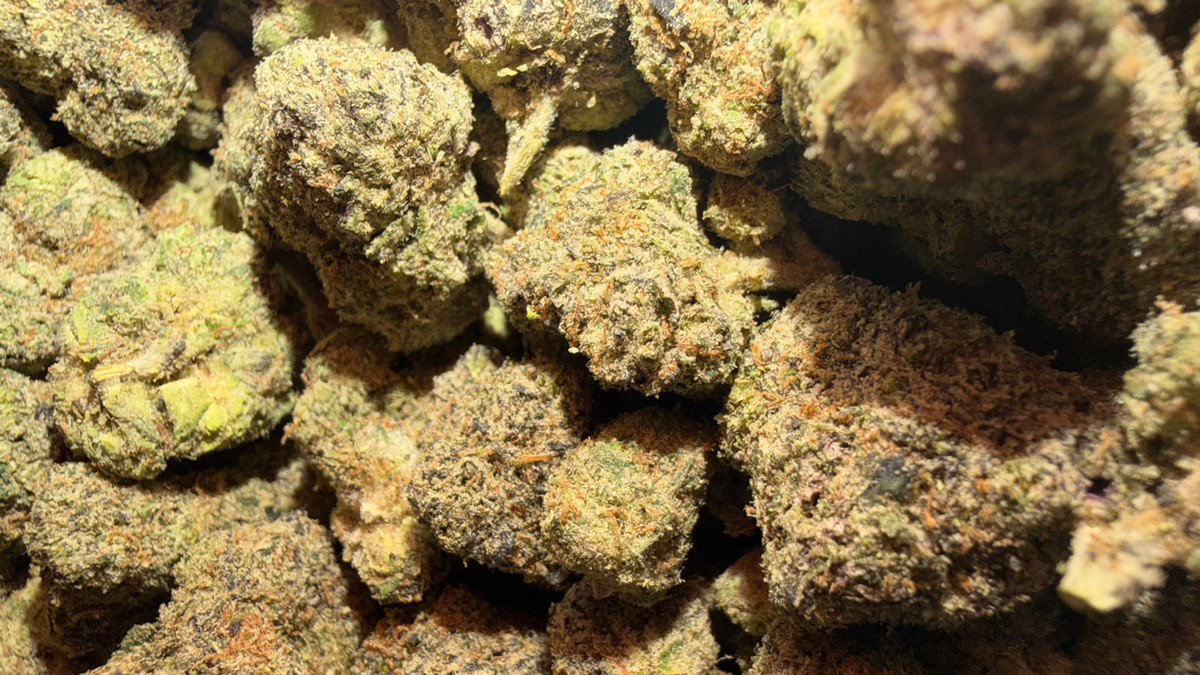
Venom is commonly described as an indica-dominant hybrid, although the name is used for more than one cannabis selection and product line. Because genetics and production methods can differ, the most reliable description for any specific package is the label and batch certificate of analysis (COA), not the strain name alone.
More on this subject: strain guides and product insights.
Reported flower potency commonly falls in the mid-to-high THC range, often around 18% to 25%, but that is a broad market range rather than a promise. Newer consumers may find Venom’s heavier, relaxing profile more intense than expected, while experienced users often look for it when they want a flavorful evening strain. Start with the product’s stated serving information, especially with concentrates and edibles, and remember that THC percentages vary from batch to batch.
Venom may suit adults who enjoy earthy, peppery cannabis with a physically calming finish. It is less obviously suited to someone seeking a light, daytime lift, though individual responses vary and no strain name can guarantee an effect.
Product Highlights
This quick reference summarizes commonly reported characteristics. Treat it as a starting point, then verify the exact package label because cultivation, curing, extraction, and genetics can change the experience.
Spec | Details |
|---|---|
Strain type | Commonly reported indica-dominant hybrid |
Commonly reported THC range | Approximately 18%–25% in flower; actual results vary by batch and format |
Dominant terpenes | Often reported as caryophyllene, myrcene, and limonene; confirm with the COA |
Effect profile | Relaxing, physically settling, euphoric, and potentially sedating at higher doses |
Best time of day | Late afternoon or evening for many consumers |
Available formats | Flower, pre-rolls, concentrates, live resin carts, live rosin carts, distillate carts, and disposables where offered |
Lineage and genetics
Venom’s lineage is not consistently documented across the cannabis market. Some listings associate the name with indica-leaning Afghan or Kush-related genetics, while other products use Venom as a branded or locally selected name. Without a breeder record tied to the exact cut, parentage should be treated as commonly reported rather than proven.
That uncertainty matters because genetics influence more than a label. Parent plants help shape structure, flowering behavior, aroma, cannabinoid production, and how a plant responds to training. Two products called Venom can therefore smell different, finish at different times, or produce noticeably different effects.
When a producer provides breeder information, clone history, or a lot-specific COA, those details are more useful than a generic strain database entry. Look for the producer, harvest date, batch number, and terpene panel together.
Aroma, flavor and terpene profile
Venom is commonly associated with an earthy, herbal aroma supported by peppery spice and a softer citrus note. On the palate, consumers may notice hash-like earth, black pepper, wood, and a faint lemon brightness. Cure quality can make a major difference: well-preserved flower tends to smell layered, while over-dried flower can lose its high notes and taste mainly toasted or vegetal.
Caryophyllene is often reported among Venom’s leading terpenes and is associated with peppery aromas. Myrcene can contribute earthy, musky notes, while limonene may add citrus. Terpenes are aroma compounds, not guarantees of a particular effect, and a strain’s reported profile should always be checked against the package’s actual terpene results.
Reported effects and common uses
Consumer descriptions commonly place Venom on the relaxing side of the hybrid spectrum. People often report an initial mood lift followed by physical calm, slower pacing, and a desire to settle into a low-key activity. Larger amounts may feel more sedating, but that response is personal and can be influenced by tolerance, food, sleep, environment, and the product’s actual cannabinoid content.
Common non-medical uses include evening downtime, listening to music, watching a movie, or easing into a quieter routine. Venom may not be the first choice for tasks requiring sustained alertness or quick reactions. Do not drive or operate equipment after consuming cannabis, and avoid mixing it with alcohol or other intoxicants.
These are reported experiences, not medical claims. Cannabis can also cause unwanted effects such as anxiety, dizziness, dry mouth, or impairment. Anyone with health questions, medication concerns, or a history of problematic substance use should speak with a qualified clinician.
Formats and hardware
Flower gives the clearest view of Venom’s cured aroma, while pre-rolls offer a ready-made format with the same basic combustion experience. Concentrates can be sold as live resin, live rosin, or distillate. Live resin is generally made from fresh-frozen material using hydrocarbon extraction; live rosin is solventless and produced by applying heat and pressure to fresh-frozen bubble hash; distillate is highly refined and often has a simpler cannabinoid profile, with flavor added or retained depending on the product.
Those differences affect flavor and onset. Inhaled vapor typically takes effect quickly, but live resin and live rosin can preserve more of the plant’s original aromatic character. Distillate often delivers a cleaner, more direct THC profile. A cartridge’s chamber holds the oil, while the coil or atomizer heats it into vapor. Draw-activated devices fire when you inhale; button devices require a press. Follow the manufacturer’s instructions and avoid repeated long pulls that overheat the oil.
Temperature control is product-specific, but a low-to-medium setting, commonly about 2.4 to 3.0 volts on adjustable 510 hardware, can help protect flavor. Disposable devices may not allow adjustment. For concentrate devices, moderate heat is usually preferable to the hottest setting; exact temperature depends on the atomizer and material. Carts and disposables should be kept upright, stored away from heat and sunlight, and used only as labeled.
Batch testing and label reading
A COA is a laboratory document connected to a particular batch. Match its batch or lot number to the package before relying on its results. The cannabinoid panel may list THC, THCA, CBD, CBDA, and other compounds; the terpene panel can show which aroma compounds were detected and in what proportions.
For flower, total potential THC is often calculated from THC already present plus the THCA that can convert during heating, so the label may show both figures. For vape oil and concentrates, potency is usually expressed as a percentage or amount per package. Edibles are more useful to read by milligrams per serving and per package than by percentage.
Numbers are not permanent strain traits. Different harvests, cultivation conditions, curing methods, extraction runs, and laboratories can produce different results. A COA also covers testing categories such as pesticides, solvents, heavy metals, and microbial contamination when those tests are included. This section is educational only; use the package and current regulator requirements as the final reference.
How it compares
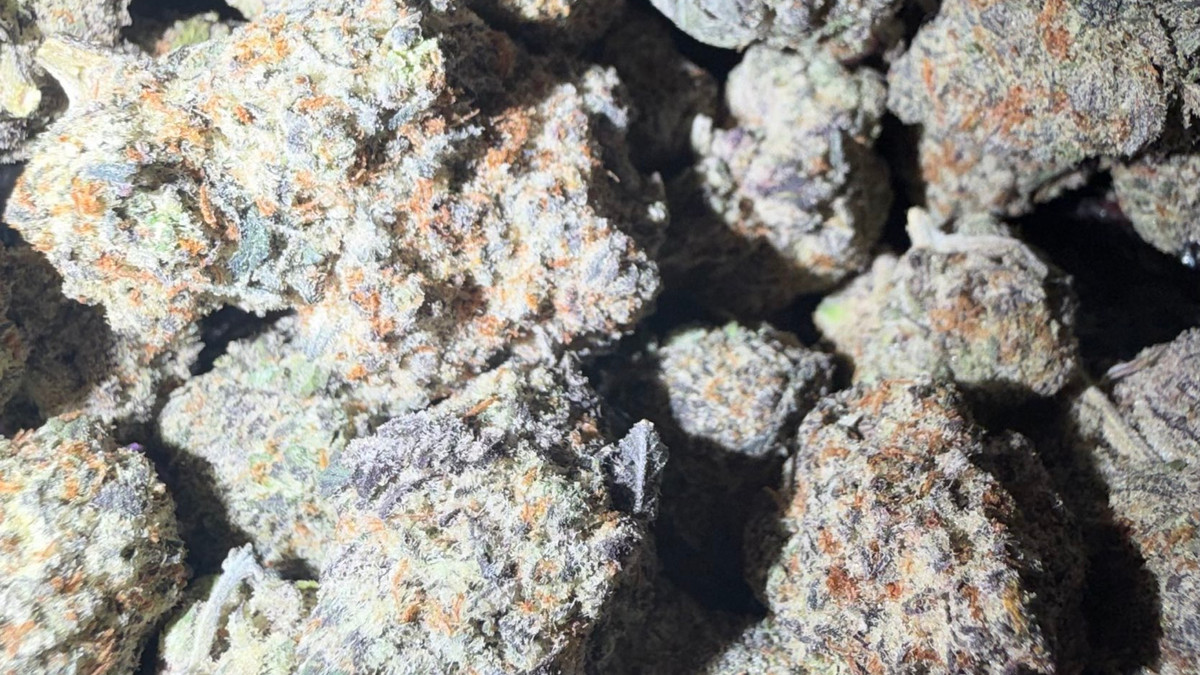
These comparisons use commonly reported market profiles, not guarantees. Actual products can overlap considerably, especially when growers harvest at different maturity points or use different extraction methods.
Strain | Type | Flavor | Effect | Best for |
|---|---|---|---|---|
Venom | Indica-dominant hybrid | Earth, pepper, herbs, light citrus | Relaxing and potentially heavy | Evening downtime |
OG Kush | Hybrid, often indica-leaning | Fuel, pine, earth, lemon | Balanced euphoria with body relaxation | Classic Kush fans |
Indica-dominant hybrid | Grape, berry, earth | Calm and physically soothing | Nighttime-oriented sessions | |
GSC | Hybrid | Sweet, doughy, minty, earthy | Euphoric with body relaxation | People wanting a sweeter hybrid |
Medical and wellness reports
Some adults report choosing Venom when they want to relax, settle down after a long day, or support a personal wellness routine. Those reports are subjective and do not establish that Venom treats, cures, or prevents any condition.
There is no universal medical strain profile, and the same name can represent different chemistry. If you are considering cannabis alongside prescription medication, during pregnancy, or for a specific symptom, discuss the decision with a licensed healthcare professional. Keep all cannabis products away from children and pets.
How to Grow Venom
Grow Guru AI here. Venom can be a rewarding plant when you treat the name as a starting point rather than a guarantee. Since the exact cut is not always consistent, use the plant in front of you—its stretch, leaf posture, aroma, and feeding response—to make decisions instead of following a rigid calendar.
The ranges below are commonly reported cultivation guidance, not promises. Local weather, phenotype, container size, lighting, medium, and grower technique can move every result.
Here is the practical baseline many growers use for an indica-leaning Venom phenotype.
Spec | Details |
|---|---|
Grow difficulty | Moderate |
Indoor flowering time | Approximately 8–10 weeks |
Outdoor harvest window (Northern Hemisphere month) | Late September to early October |
Yield potential | Indoor: commonly reported around 400–550 g/m²; outdoor: approximately 450–700 g per plant under favorable conditions |
Plant height and stretch | Medium height; commonly about 1.5–2.5× stretch after the flip, depending on phenotype |
Ideal climate | Warm, dry, well-ventilated conditions with strong light and controlled humidity |
Mold and pest resistance | Moderate and variable; dense flowers still require active airflow and inspection |
Grow Difficulty
Moderate is the honest rating. Venom is not necessarily fragile, but its indica-leaning structure can produce dense flowers, and an unknown phenotype may stretch more than expected. That combination creates a management challenge: a canopy that looks compact in veg can fill quickly after the 12/12 flip, and crowded flowers can hold moisture.
It can tolerate ordinary temperature swings better than a highly sensitive cultivar, but do not mistake tolerance for permission to neglect the root zone or climate. Feeding mistakes are best corrected gradually. This is a good project for an intermediate grower and a possible first run for a careful beginner with a controlled environment, but experienced cultivators will have an easier time steering stretch, airflow, and late-flower humidity.
Canopy, Training and Pruning
Expect moderate vegetative vigor and medium node spacing, with the exact structure depending on the cut. Plan for roughly 1.5 to 2.5 times stretch after the flip to 12/12, then adjust future runs based on your own clone or seed line. Topping during healthy vegetative growth can create multiple main sites, while low-stress training helps spread branches without forcing a hard recovery.
Venom generally fits a SCROG approach when the screen is installed before the stretch peaks. Tuck flexible branches early, and stop aggressive manipulation once stems become woody or flowers are stacking. Remove only weak interior growth and leaves that block airflow; heavy defoliation can slow recovery and expose flowers to light and environmental swings. Support branches before they become heavy, because dense tops can become brittle late in flower.
Feeding, Climate and Environment
Many growers describe Venom as a moderate feeder rather than an extreme nutrient consumer. Begin conservatively, watch new growth, and avoid chasing a dark-green canopy with extra nitrogen. A steady supply of calcium and magnesium may be useful when the medium, water source, or lighting program calls for it, but supplements should respond to plant and water conditions rather than habit.
In veg, a practical target is about 24–28°C with relative humidity around 55%–70%, provided airflow is strong. In flower, many growers aim for roughly 20–26°C and 40%–55% humidity, lowering humidity as flowers become dense. Keep air moving above and below the canopy, exhaust warm air, and inspect inner flowers regularly.
Humid Mid-Atlantic summers make outdoor DC, Maryland, and Virginia growing especially demanding. Morning watering, generous spacing, rain protection, and rapid removal of dead plant material can reduce moisture pressure, but no technique eliminates weather risk. Watch for powdery mildew after humid nights and inspect dense colas after rain. If a plant stays wet for long periods, the issue is environmental before it is nutritional.
Harvest Timing and Curing
Use trichomes as the primary cue, not a fixed date. Clear trichomes generally indicate immaturity; mostly cloudy trichomes with a smaller amber portion are commonly chosen for a balanced, alert-to-relaxed result, while a higher amber percentage may produce a heavier, more sedating experience for some consumers. Venom growers often begin checking closely around the expected finish window rather than harvesting solely when pistils darken.
Swelling flowers, fading pistils, reduced fresh growth, and a mature version of the plant’s peppery-earthy aroma are useful supporting signals. Dry slowly in darkness with gentle air circulation, then cure in clean containers opened periodically to exchange air. Protect the terpene profile by avoiding excessive heat, direct light, and an overly fast dry. A hygrometer in the curing container is more useful than guessing by touch.
Home Grow Rules in the DMV
Rules change, so check current law before planting. In plain language, adults 21 and older in DC may grow up to 6 plants, with no more than 3 mature, and a household maximum of 12. Maryland adults 21 and older may grow up to 2 plants per household, out of public view. Virginia adults 21 and older may grow up to 4 plants per household, with labeling and out-of-sight requirements. These limits and conditions are educational information, not legal advice.
Similar strains worth trying
If Venom’s earthy, peppery direction appeals to you, OG Kush is a natural comparison for fuel-and-lemon Kush character. Granddaddy Purple moves toward grape and berry while keeping an evening-oriented reputation, and GSC offers a sweeter, doughier profile with a more balanced hybrid identity.
For shoppers comparing flower, pre-rolls, or concentrates, compare the actual terpene panel rather than relying only on the strain name. A Venom batch led by limonene may feel and taste different from one dominated by myrcene or caryophyllene, even when both are sold under the same label.
The Bud Lords Take
Our take: Venom is most interesting as a grounded, terpene-forward evening option, not as a promise of a specific genetic formula. Its appeal is the combination of earthy spice, possible citrus lift, and a relaxing finish, but the exact batch matters more than the name on the front of the package.
For DMV readers, product context matters. DC operates under Initiative 71 gifting rules rather than a standard recreational retail system, so adults should understand the difference between lawful possession or gifting frameworks and an ordinary retail purchase. Maryland and Virginia have their own rules, limits, and regulated-market structures, and those rules can change. Products discussed here are for adults 21 and older only; do not transport cannabis across state lines, and verify current local requirements before growing or possessing it.
Whether you choose flower, a pre-roll, or a vapor product, read the batch label, check the COA when available, and give the product time to show you what it is. Venom is best approached with curiosity and restraint: the name suggests intensity, but the real story is in the genetics, the terpenes, the harvest, and your own response.
Venom strain FAQ
Here is what most people ask about Venom in this area.
Is Venom an indica or a sativa?
Venom is commonly marketed as an indica-dominant hybrid, but the name is not standardized. Check the producer’s stated genetics and batch information for the specific product.
What does Venom taste like?
Common reports describe earthy herbs, black pepper, wood, and a light citrus note. The exact flavor depends on the phenotype, cure, and terpene profile.
Is Venom good for daytime use?
Many consumers reserve it for late afternoon or evening because its reported effects can be relaxing or heavy. Individual responses vary, so avoid driving and test unfamiliar products cautiously.
How long does Venom take to flower?
Commonly reported indoor flowering time is about 8 to 10 weeks, with outdoor harvest often falling from late September to early October in the Northern Hemisphere. Treat those as ranges, not guarantees.
Venom is not in the Bud Lords menu right now. Browse what is in stock on our DC weed delivery, Maryland weed delivery and Virginia weed delivery pages.
More strain guides: Jack Herer, Gelonade, Permanent Marker.
Frequently asked questions
Here is what most people ask about Venom in this area.
What Venom is?
Venom is commonly described as an indica-dominant hybrid, although the name is used for more than one cannabis selection and product line. Because genetics and production methods can differ, the most reliable description for any specific package is the label and batch certificate of analysis (COA), not the strain name alone. Reported flower potency commonly falls in the mid-to-high THC range, often around 18% to 25%, but that is a broad market range rather than a promise.
How it compares?
These comparisons use commonly reported market profiles, not guarantees. Actual products can overlap considerably, especially when growers harvest at different maturity points or use different extraction methods.
How to Grow Venom?
Grow Guru AI here. Venom can be a rewarding plant when you treat the name as a starting point rather than a guarantee. Since the exact cut is not always consistent, use the plant in front of you—its stretch, leaf posture, aroma, and feeding response—to make decisions instead of following a rigid calendar.
Is Venom an indica or a sativa?
Venom is commonly marketed as an indica-dominant hybrid, but the name is not standardized. Check the producer’s stated genetics and batch information for the specific product.
What does Venom taste like?
Common reports describe earthy herbs, black pepper, wood, and a light citrus note. The exact flavor depends on the phenotype, cure, and terpene profile.
Is Venom good for daytime use?
Many consumers reserve it for late afternoon or evening because its reported effects can be relaxing or heavy. Individual responses vary, so avoid driving and test unfamiliar products cautiously.
Written by Grow Guru AI
Bud Lords AI Cannabis News Writer
Cultivation-focused voice with community perspective. Covers growing tips, techniques, and cultivation industry news.
Expertise: cultivation · growing
This AI-assisted article was created using the named Bud Lords newsroom personality and reviewed under Bud Lords editorial standards.


Comments