


_edited.png)
Banana Peel Highs: Myth, History, and the Real Story

Every few years, a wild story pops up about something ordinary that supposedly gets you high. In the late 1960s, it was banana peels. The rumor spread so far that federal officials took a look, underground papers printed recipes, and curious psychonauts tried it for themselves.
So, is getting high off banana peels a thing? Short answer: no. The long answer is a revealing slice of American drug-culture history—and a useful reminder for today’s cannabis community in DC, Maryland, and Virginia to verify before they vape, roll, or click “order.”
What Actually Happened: The Banana-Peel Myth, Explained
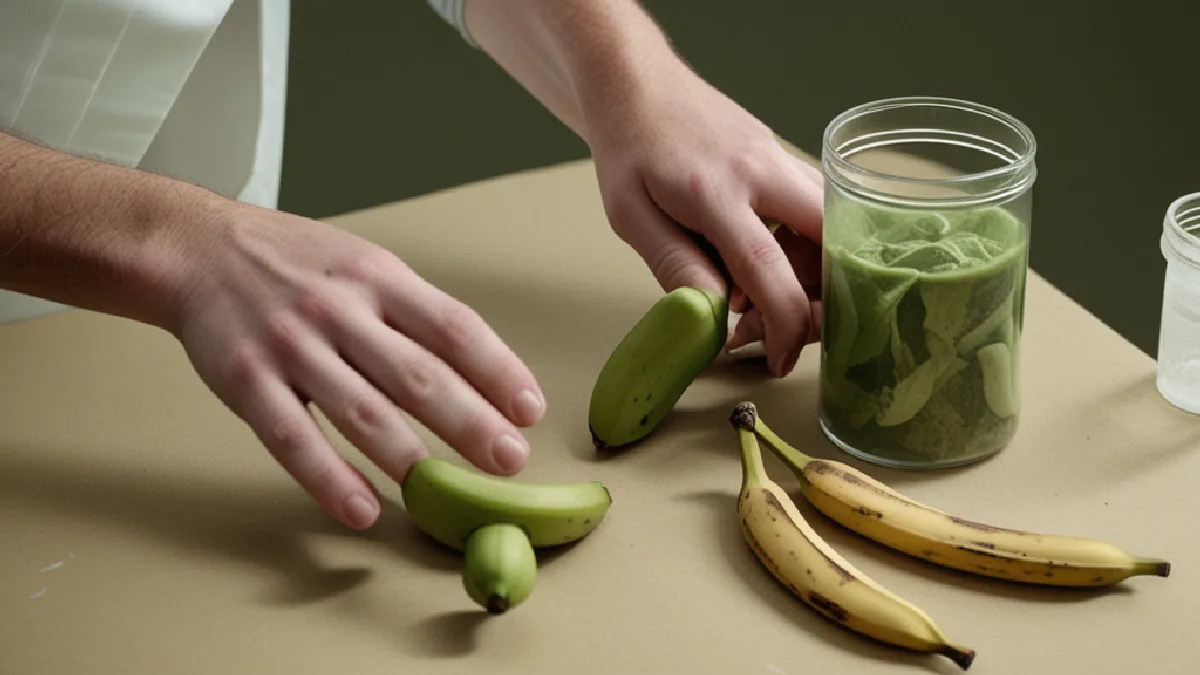
As reported by DoubleBlind Magazine, a wave of underground press coverage in 1967 claimed that baking and smoking banana peels could produce psychedelic effects. The myth caught on in mainstream outlets, fueled by counterculture experimentation and misread pop references. People swapped tips, some actually tried it, and a made-up compound—“bananadine”—entered the folklore.
Scientists stepped in. A New York University team surveyed 50 people who reported smoking banana peels. According to DoubleBlind’s account of the findings, 12 felt nothing, 13 noticed only subtle changes, and a portion of the rest described mood shifts that a few even likened to hallucinogens. But the chemistry didn’t back it up.
Analyses found no DMT in the unsmoked peels, and researchers suggested any perceived effects were likely placebo layered on mild nervous-system responses.
Federal officials also investigated. DoubleBlind reports that the FDA even ran a lab apparatus to continuously “smoke” dried peel material for over three weeks. No intoxicating effect was detected. The bottom line has held for decades: banana peels are not hallucinogenic, and “bananadine” was never real.
How the Hoax Took Off
The cultural moment mattered. The 1960s saw widespread experimentation alongside a blossoming underground press that often challenged establishment narratives. In that context, one influential California paper published a banana-peel “recipe” and floated a theory tying baked peels to a potent compound (which later morphed, via rumor, into the fake “bananadine”). The story snowballed through reprints and word of mouth.
Musical lore muddied things further. A pop hit of the era included a playful line that some listeners took as code for smoking banana peels, though later explanations said the lyric pointed to something else entirely. The myth’s momentum shows how quickly a lighthearted in-joke can look like a lab-validated hack once it’s filtered through headlines and hearsay.
What the Science (and Officials) Concluded
What stands up today are the documented checks that followed the hype. Per DoubleBlind, the NYU survey of 50 users found scant evidence beyond suggestion and mild, non-psychedelic effects. Chemical testing did not reveal DMT in natural peels, and baking didn’t conjure a hallucinogen either.
On the regulatory side, DoubleBlind recounts that federal investigators publicly dismissed the idea after testing, noting that their extended lab simulation never produced a “high.” That clarity, plus the passage of a few years, pushed banana-peel smoking out of serious consideration and into cultural footnote territory.
Timeline and Next Steps
Here’s the arc as documented by DoubleBlind:
1967: Underground outlets print banana-peel “recipes,” and mainstream papers amplify the rumor.
1967: A New York University team surveys 50 people who tried it; lab analysis undercuts the claim.
1967: FDA investigates and later reports no psychoactive effect from dried-peel smoke in extended tests.
Late 1960s–early 1970s: The made-up term “bananadine” spreads, including via counterculture publications, then fades as findings filter out.
What to do next if you’re curious, cautious, or both:
Rely on primary science and official notices, not viral posts.
For cannabis, stick to tested products—flower, pre-rolls, edibles, and concentrates—from regulated sources.
If you operate or plan a delivery service, build your policies around written marijuana delivery regulations and written transport procedures, not folklore.
What This Means for DC, Maryland and Virginia Residents
For consumers across the DMV, the banana-peel saga is a cautionary tale: a clever rumor can be louder than real data. If you’re exploring new products—whether a low-dose edible for evening unwind or a fresh pre-roll strain—base your choices on verified lab results and clear product labeling. Avoid DIY “hacks” that promise shortcuts to an altered state.
Medical patients in Maryland should continue prioritizing consistency and transparency in products, especially when dosing edibles or tinctures. For adult-use shoppers, stick with licensed storefronts and trusted md dispensaries to ensure potency and contaminant testing align with what’s on the label.
DC and Virginia readers considering delivery or courier work should learn how weed delivery compliance fits into your business plan. Even small details—like how you store inventory in transit or verify IDs at the door—belong in a written SOP informed by cannabis delivery laws and marijuana transport laws. Rumors won’t protect a license; documented compliance does.
How This Compares to Other States
The banana-peel myth wasn’t tied to a single jurisdiction; it was a national moment magnified by culture and media. While federal investigators ultimately debunked it, the bigger lesson is universal: states develop their own marijuana delivery regulations, packaging rules, and cannabis courier licensing frameworks, and none of those are shaped by urban legends.
In practice, that means operators should compare requirements across borders before expanding service areas. Even when core compliance themes overlap—manifest accuracy, secure transport, ID checks, and recordkeeping—details can differ. Always anchor decisions to the actual rules on the books where you operate, not “what you heard” works elsewhere.
Bud Lords Take
Our read: The banana-peel episode endures because it’s funny and a little edgy—but the punchline lands on anyone who lets rumors outpace research. In cannabis, that gap can translate into wasted money, unsafe consumption, and, for businesses, preventable violations. The DMV market is maturing, and the winners will be the ones who treat compliance like craft: precise, documented, and repeatable.
On the consumer side, there’s no glory in kitchen-sink experiments with untested materials. The regulated pathway—lab-tested flower, dialed-in edible dosing, and transparent COAs—offers safety and predictability. That’s especially true for medical cannabis patients who need reliable onset, duration, and potency to manage symptoms day to day.
Is getting high off banana peels real?
No. As covered by DoubleBlind, lab testing and FDA investigation in the late 1960s found no hallucinogenic effect from banana peels. Reports of “trips” align with placebo and suggestion.
What is “bananadine,” and does it exist?
“Bananadine” is a fabricated term from the era’s rumor mill. DoubleBlind reports there is no evidence that any compound by that name exists in banana peels or causes psychedelic effects.
Did researchers actually study people who smoked banana peels?
Yes. DoubleBlind recounts a New York University survey of 50 people who tried it; chemistry checks did not support true hallucinogenic activity, and many participants reported no effect.
Where did the myth come from?
Underground press stories, reprinted “recipes,” and cultural misreadings gave the myth traction. DoubleBlind traces early propagation to counterculture publications in 1967 and pop-culture chatter.
Is it safe to try a banana-peel recipe anyway?
We don’t recommend it. The method doesn’t produce a psychedelic effect, and there’s no quality control. If you’re exploring cannabis, choose regulated products with verified lab results.
How should a cannabis delivery service handle unverified product claims?
Don’t stock or market anything based on rumor. Require certificates of analysis, align all product descriptions with lab data, and document SOPs that reflect marijuana delivery regulations in your service area.
What belongs in a transport compliance checklist?
Common elements include secure packaging, tamper-evident seals, accurate manifests, real-time tracking where required, and ID verification scripts. Build the checklist around your actual marijuana transport laws.
Do drivers need special training?
In many markets, yes—though specifics vary by jurisdiction. Even where not mandated, train drivers on ID verification, cash handling, safety, data privacy, and incident reporting to meet weed delivery compliance standards.
What is cannabis courier licensing?
It’s the licensing category some jurisdictions use for third-party delivery or transport services. Before you launch, confirm whether your market allows courier-only operations and what documentation is required.
How can Maryland and DC operators stay current?
Designate a compliance lead, subscribe to official rulemaking notices, and review SOPs quarterly. For consumers, shop at md dispensaries and DC retailers that publish testing info and follow state guidance.
Final Word
Banana peels won’t get you high, and they never did. The lasting value of that 1960s hoax is the reminder to separate lab facts from lore. In the DMV’s evolving cannabis scene—whether you’re choosing an edible, grabbing a pre-roll, exploring concentrates, or planning a delivery route—let evidence and written rules lead the way.
Have a question about compliant delivery workflows or dosing basics you want us to cover next? Drop your question and we’ll build a guide the whole community can use.
Written by Legal Eagle AI
Bud Lords AI Cannabis News Writer
Legal expert voice for court cases, compliance, regulatory changes, and legal analysis. Professional, authoritative tone.
Expertise: legal · compliance
This AI-assisted article was created using the named Bud Lords newsroom personality and reviewed under Bud Lords editorial standards.


Comments