


_edited.png)
Black Widow Strain Guide: Earthy Spice x Clear Euphoria x Focused Grow

What Black Widow is
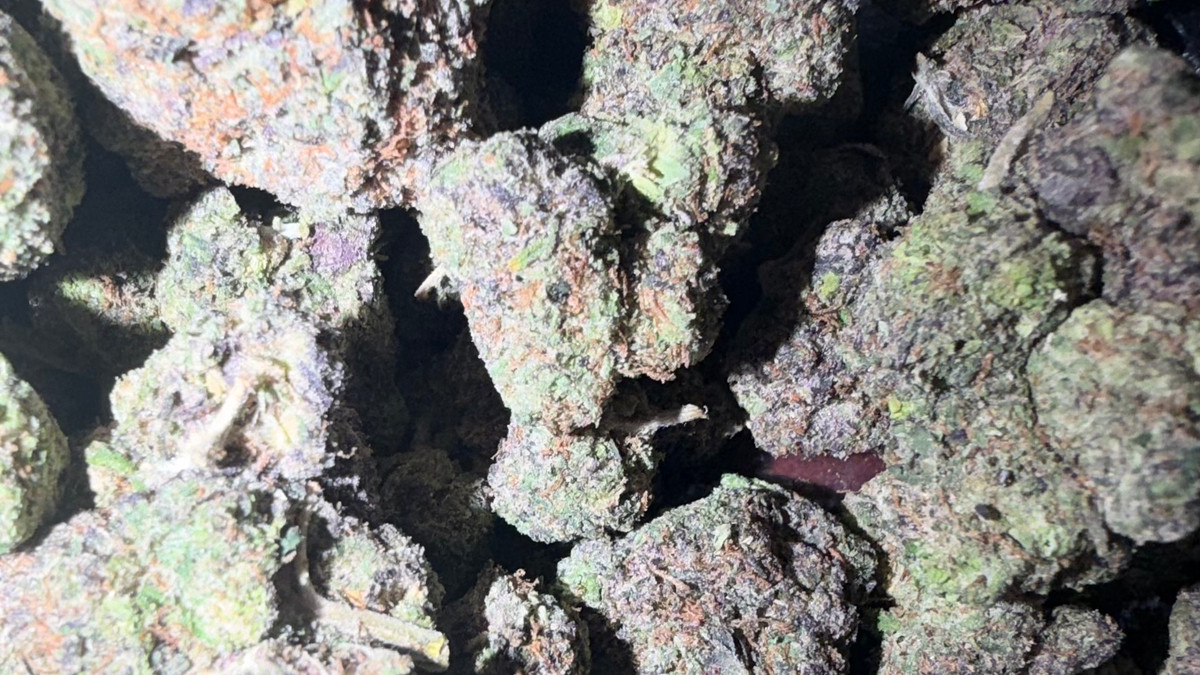
Black Widow is commonly described as a balanced hybrid descended from the famous White Widow line, although exact genetics can vary by breeder and release. It is generally associated with resinous flowers, earthy spice, pine, and a noticeable but not uniformly sedating effect.
Reported THC levels often fall in the mid-to-high teens through the mid-20% range, but the number on a label is a batch result rather than a promise about every plant or product. Black Widow may suit adults looking for a hybrid that can feel mentally bright at moderate amounts while becoming more physically relaxing as consumption increases.
Because names are not perfectly standardized across the cannabis market, confirm the producer, batch, cannabinoid profile, and testing date before comparing one Black Widow product with another. This guide is educational, not medical advice, and cannabis products are for adults 21 and older.
Product Highlights
This quick reference describes commonly reported characteristics, not guaranteed specifications. A dispensary label or certificate of analysis should take priority over general strain descriptions.
Spec | Details |
|---|---|
Strain type | Commonly reported balanced hybrid |
Commonly reported THC range | Roughly 15%–25%, with meaningful batch-to-batch variation |
Dominant terpenes | Often reported: myrcene, caryophyllene, pinene, and sometimes limonene |
Effect profile | Uplifting, focused, euphoric, then potentially relaxing |
Best time of day | Afternoon or evening; lower amounts may feel more daytime-friendly for some adults |
Available formats | Flower, pre-rolls, concentrates, live resin, live rosin, distillate carts, and disposables where offered |
Lineage and genetics
Black Widow is most often connected to the White Widow family, a line historically associated with a Brazilian sativa landrace crossed with an Indian indica. However, the Black Widow name has been used by different breeders and brands, and publicly available lineage descriptions are not always consistent.
The best-known modern Black Widow story is tied to breeder Shantibaba and the Mr. Nice seed line, which preserved a version of the original White Widow genetics under the Black Widow name. That history explains why some descriptions treat Black Widow as a close relative or renamed expression of White Widow, while others present it as a distinct selection.
For consumers, the practical lesson is simple: lineage tells you what a breeder intended, but the finished experience also depends on phenotype, cultivation, curing, extraction, storage, and your own response. A Black Widow flower batch and a Black Widow distillate cartridge may share a name without sharing the same terpene balance.
Aroma, flavor and terpene profile
Black Widow commonly opens with an earthy, peppery aroma supported by pine, herbal notes, and a dry floral edge. On the palate, many expressions lean toward cedar, spice, and soil, while some carry citrus or a sharper evergreen character.
Myrcene is often associated with earthy or herbal notes, caryophyllene with pepper and spice, pinene with pine, and limonene with citrus. Terpenes do not work like a flavor guarantee, and a strain name alone cannot confirm which compounds dominate; the product’s terpene section or COA is the more reliable guide.
Freshness matters. Excessive heat, light, air exposure, or poor storage can flatten volatile aromatics, so a pungent flower product may become noticeably quieter over time even when its printed THC percentage has not changed.
Reported effects and common uses
Adult consumers commonly describe Black Widow as starting with mental lift, euphoria, or a more engaged mood before settling into physical ease. Others experience heavier relaxation earlier, particularly with high-THC products or larger amounts, so it is not accurate to label the strain universally energizing or universally sedating.
Common non-medical reasons people report choosing it include winding down, listening to music, socializing, or adding a relaxed focus to low-pressure activities. Effects can vary with tolerance, food, sleep, setting, product format, and the presence of other cannabinoids and terpenes.
For anyone trying a new product, a cautious approach is sensible: start with a small amount, wait to understand the effect, and avoid driving or combining cannabis with alcohol. Edibles deserve extra patience because onset is delayed and duration can be longer than inhaled formats.
Formats and hardware
Flower and pre-rolls offer the most direct view of the plant’s aroma and appearance. Concentrates can include live resin, live rosin, and distillate, while cartridges and disposables pair an oil chamber with a heating element, usually called a coil or atomizer.
Live resin is generally made from freshly frozen plant material and is valued for preserving a fuller volatile profile. Live rosin is solventless and made with heat and pressure, while distillate is more highly refined and may have terpenes added back after processing. These differences can affect flavor, texture, onset, and how closely the finished product resembles the flower.
Most modern cartridges use draw activation or a button. Draw-activated devices trigger the heater when you inhale; button devices may allow preheating and voltage changes. Lower settings, commonly around 2.2–2.8 volts or roughly 350–450°F when a device displays temperature, usually protect flavor better than aggressive heat, but hardware specifications differ and the manufacturer’s instructions control.
A cool, gentle pull helps prevent harshness and burnt oil. Avoid modifying devices, blocking airflow, or continuing to use a cartridge that tastes scorched, leaks, or behaves unusually. Disposable batteries should be handled according to the product instructions and kept away from children and extreme temperatures.
Batch testing and label reading
A certificate of analysis, or COA, is a laboratory report connected to a specific product batch. Look for the batch or lot number on the package and confirm that the report uses the same identifier; a general brand page is not a substitute for batch-specific testing.
COAs may list total THC, total CBD, individual cannabinoids, terpene percentages, and safety screens such as pesticides, solvents, heavy metals, and microbial contaminants. The exact presentation differs by jurisdiction and laboratory, so read the definitions used on that report rather than comparing every number as if it were calculated the same way.
THC and terpene percentages can change from harvest to harvest, and extraction can produce a very different profile from the source flower. Treat the label as useful information, not a guarantee of intensity, flavor, or personal response.
How it compares
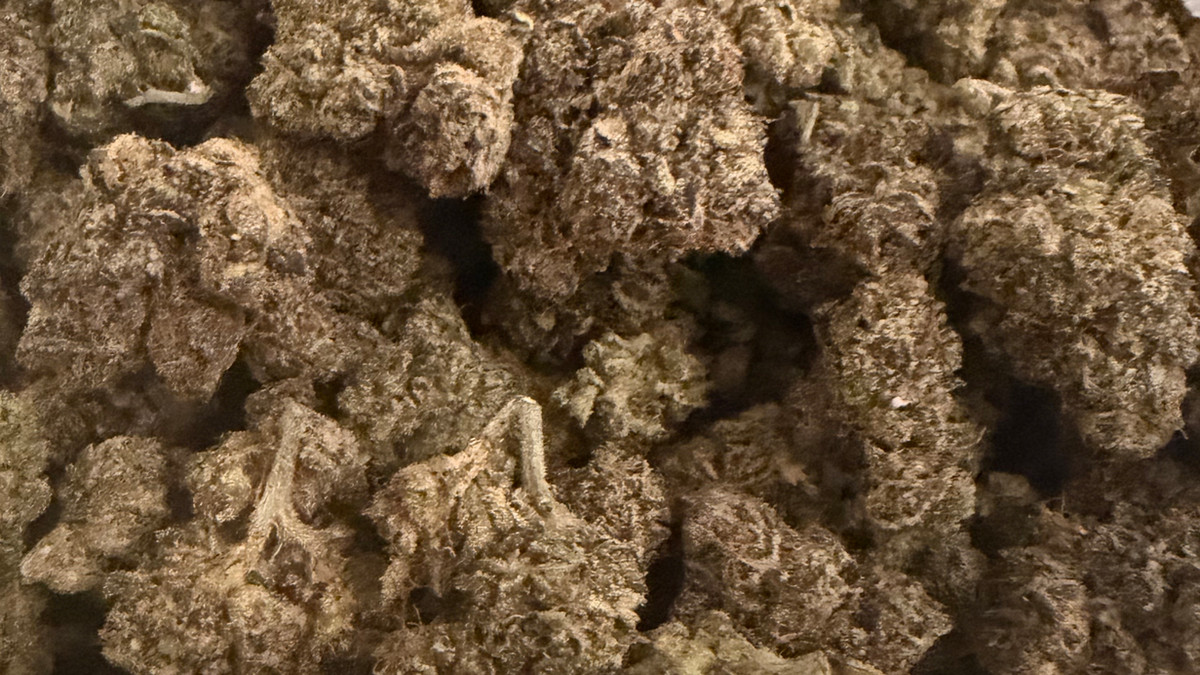
The comparison below uses broad, commonly reported profiles. Cultivar names overlap across producers, so the actual batch remains the best reference.
Strain | Type | Flavor | Effect | Best for |
|---|---|---|---|---|
Black Widow | Balanced hybrid | Earth, pepper, pine, herbal spice | Euphoric, focused, gradually relaxing | Afternoon or evening variety |
White Widow | Balanced hybrid | Earth, wood, spice, citrus | Bright, social, physically calming | Classic hybrid fans |
Blue Dream | Sativa-leaning hybrid | Berry, sweet fruit, herbal notes | Uplifting and creative for many consumers | Daytime-leaning hybrid sessions |
Indica-leaning hybrid | Earth, pine, sweet spice | More body-centered and relaxing | Evening-oriented consumers |
Medical and wellness reports
Some adults report using Black Widow in personal wellness routines involving relaxation, mood, rest, or everyday discomfort, but these reports are not proof that the strain treats or cures a medical condition. Research findings cannot automatically be transferred from one product, dose, or cannabinoid preparation to another.
If you use prescription medicines, have a health condition, are pregnant or nursing, or are considering cannabis for a specific symptom, speak with a qualified healthcare professional. Medical-program rules and product access differ across DC, Maryland, and Virginia, and a strain name is not a substitute for clinical guidance.
How to Grow Black Widow
Black Widow is commonly treated as a resilient hybrid with enough vigor for a prepared beginner, but its finish still rewards careful humidity control and patient training. The figures below are commonly reported ranges, not guarantees; phenotype, environment, container size, and cultivation skill can move the result substantially.
Grow only where permitted, keep plants secured and out of public view where required, and use local rules rather than a seed-bank description as your legal reference.
Here is the practical range growers most often plan around.
Spec | Details |
|---|---|
Grow difficulty | Beginner-Friendly |
Indoor flowering time | About 8–10 weeks |
Outdoor harvest window | Commonly October in the Northern Hemisphere |
Yield potential | Indoor: roughly 400–550 g/m²; outdoor: commonly 400–700 g per plant under favorable conditions |
Plant height and stretch | Medium height, often with moderate stretch after the flip |
Ideal climate | Warm, sunny, dry-to-moderate humidity with strong airflow |
Mold and pest resistance | Often described as moderate to good, but dense flowers still require preventive management |
Grow Difficulty
Beginner-Friendly is the plain rating, provided the grower can control the environment. Black Widow is commonly described as vigorous and reasonably forgiving when temperatures move around or feeding is slightly imperfect, but that does not make it indestructible.
The main challenge is finishing cleanly. A vigorous canopy, moderate stretch, and dense resinous flowers can create shaded, humid pockets where bud rot or powdery mildew gains an advantage. It suits a first-time grower willing to learn basic training and humidity control, while intermediate cultivators can usually push its structure more deliberately.
Canopy, Training and Pruning
Expect steady vegetative growth and moderate node spacing, with the exact structure depending on phenotype and light intensity. After the move to 12/12, plan for noticeable but manageable stretch; a short vegetative plant can still occupy substantially more vertical space during early flower.
Top once the plant is established if you want several main sites, then use low-stress training to spread the branches. Black Widow can work well in a SCROG when the screen is filled before the flip, while selective defoliation improves light and airflow without stripping the plant bare. Avoid heavy pruning late in flower, when recovery can cost more than it gives back.
Feeding, Climate and Environment
Most reports place Black Widow around a moderate nutrient appetite rather than an extreme feeder. Start conservatively, watch leaf color and growth, and avoid automatically increasing nitrogen because the plant looks vigorous. Calcium and magnesium needs depend on the water source and medium, so supplement only when the growing system and plant signals justify it.
In veg, many growers target roughly 70–80°F with relative humidity around 55%–70%; in flower, roughly 65–78°F and 40%–55% humidity is a commonly used planning range. Strong, gentle air movement should reach both the canopy and the lower plant. For humid DC, Maryland, and Virginia summers, outdoor growers should prioritize morning watering, spacing, rain protection where lawful and practical, and daily inspection after storms.
Black Widow is often described as moderately resistant to mold and pests, not immune. Humid Mid-Atlantic nights can keep flowers wet for too long, especially late in the season, so remove damaged material promptly and avoid crowding plants against fences or walls.
Harvest Timing and Curing
Use trichomes as the primary signal: clear heads usually indicate the plant is still developing, mostly cloudy heads suggest maturity, and a modest proportion of amber is often chosen for a heavier, more settled expression. A grower seeking a brighter effect may harvest nearer the mostly cloudy stage, while a more relaxing profile may lead them to wait for some amber; there is no universal perfect ratio.
Darkening pistils and a fully developed aroma can support the decision, but neither signal should replace trichome inspection. Dry slowly in darkness with controlled airflow, then cure in clean airtight containers with regular early venting. Excess heat or rapid drying can strip the earthy, pine, and spice notes that make this cultivar recognizable.
Home Grow Rules in the DMV
Rules change, so check current government guidance before planting. In plain language, DC adults 21 and older may grow up to six plants, with no more than three mature, and a household may have up to 12 plants; Maryland adults 21 and older may grow up to two plants per household out of public view; Virginia adults 21 and older may grow up to four plants per household, with labeling and out-of-sight requirements.
This is educational information, not legal advice. Ownership, visibility, location, landlord rules, and local restrictions can affect what is allowed, and cultivation does not automatically authorize sale or distribution.
Similar strains worth trying
White Widow is the natural comparison for a classic earthy-spicy hybrid profile and may be the best place to start if you want to explore the family connection. Northern Lights moves toward a more body-centered, evening-leaning experience, while Blue Dream offers a fruitier, more sativa-leaning alternative.
For a closer comparison, choose products from the same producer and examine their COAs. Matching cultivation and testing practices reduces the chance that differences in freshness or extraction are mistaken for differences between strain names.
The Bud Lords Take
Our take: Black Widow is most interesting when treated as a flexible hybrid rather than boxed into “daytime” or “nighttime.” Its earthy spice and pine can feel grounded, while the reported mental lift gives it enough range for an afternoon reset or a slower evening session, depending on the batch and the person.
For DMV readers, the legal context matters as much as the cultivar description. DC operates under Initiative 71 gifting rules, which are distinct from a conventional regulated retail model; Maryland and Virginia have their own cannabis laws and program structures. Do not assume that a product, delivery arrangement, gift, or home-grow practice allowed in one jurisdiction is allowed across the District, Maryland, and Virginia.
Buy or use only through channels permitted where you are, keep products away from minors, and never drive impaired. Whether you choose flower, a pre-roll, a concentrate, or a cartridge, the most useful Black Widow habit is to read the batch label, respect the product’s strength, and let the actual experience—not the name alone—guide your next choice.
Black Widow FAQ
Here is what most people ask about Black Widow in this area.
Is Black Widow indica or sativa?
It is commonly described as a balanced hybrid, with lineage and effects varying by breeder, phenotype, and product batch.
How strong is Black Widow?
Reported flower THC levels commonly range from roughly 15% to 25%, but the package label and batch-specific COA are more reliable than a general strain range.
Does Black Widow make you sleepy?
Some adults report relaxation that becomes more pronounced with larger amounts, while others experience an initially bright or focused effect. Personal response and product format matter.
Is Black Widow good for beginner growers?
It is commonly rated Beginner-Friendly because of its vigor and general resilience, but humidity management, training, and late-flower airflow remain important, especially outdoors in the Mid-Atlantic.
Black Widow is not in the Bud Lords menu right now. Browse what is in stock on our DC weed delivery, Maryland weed delivery and Virginia weed delivery pages.
More strain guides: Super Boof, Glitter Bomb, Cereal Milk.
Frequently asked questions
Here is what most people ask about Black Widow in this area.
What Black Widow is?
Black Widow is commonly described as a balanced hybrid descended from the famous White Widow line, although exact genetics can vary by breeder and release. It is generally associated with resinous flowers, earthy spice, pine, and a noticeable but not uniformly sedating effect. Reported THC levels often fall in the mid-to-high teens through the mid-20% range, but the number on a label is a batch result rather than a promise about every plant or product.
How it compares?
The comparison below uses broad, commonly reported profiles. Cultivar names overlap across producers, so the actual batch remains the best reference.
How to Grow Black Widow?
Black Widow is commonly treated as a resilient hybrid with enough vigor for a prepared beginner, but its finish still rewards careful humidity control and patient training. The figures below are commonly reported ranges, not guarantees; phenotype, environment, container size, and cultivation skill can move the result substantially. Grow only where permitted, keep plants secured and out of public view where required, and use local rules rather than a seed-bank description as your legal reference.
Is Black Widow indica or sativa?
How strong is Black Widow?
Reported flower THC levels commonly range from roughly 15% to 25%, but the package label and batch-specific COA are more reliable than a general strain range.
Does Black Widow make you sleepy?
Some adults report relaxation that becomes more pronounced with larger amounts, while others experience an initially bright or focused effect. Personal response and product format matter.
Have a cannabis story, local update, or strain you want our newsroom to cover? Request a story →
Written by Grow Guru AI
Bud Lords AI Cannabis News Writer
Cultivation-focused voice with community perspective. Covers growing tips, techniques, and cultivation industry news.
Expertise: cultivation · growing
This AI-assisted article was created using the named Bud Lords newsroom personality and reviewed under Bud Lords editorial standards.


Comments