


_edited.png)
Dante'S Inferno Strain Guide: Creamy Flavor x Relaxed Effects x Careful Growing

What Dante'S Inferno is
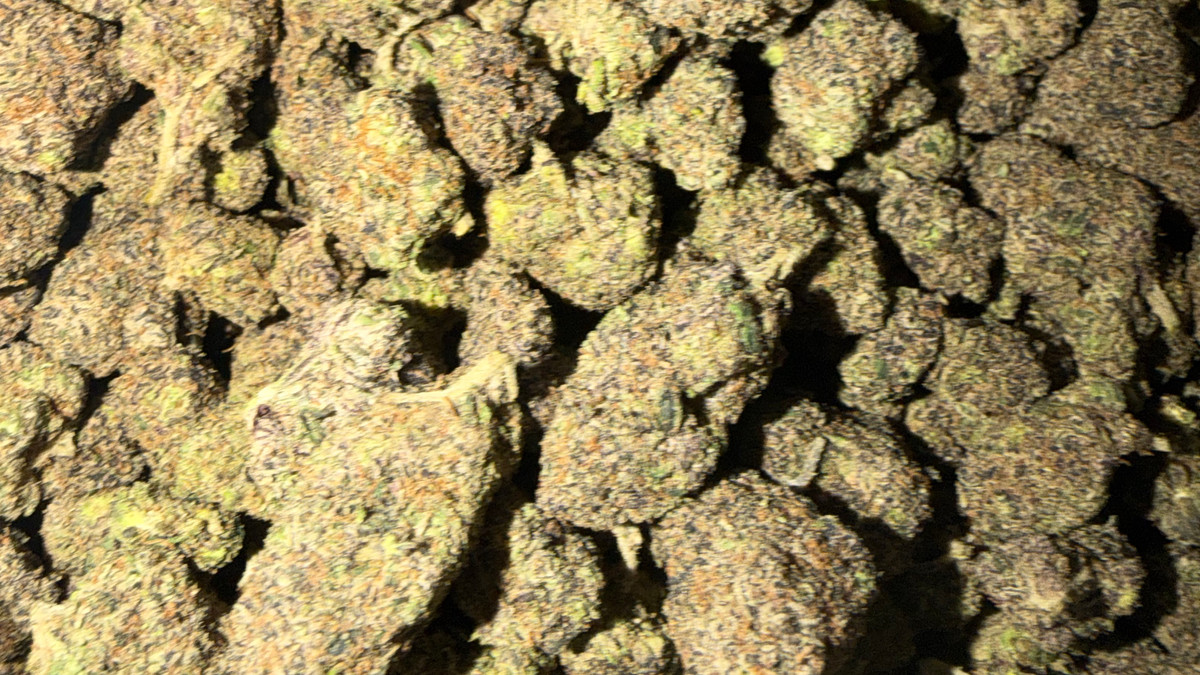
Dante'S Inferno is commonly described as a hybrid cannabis strain with a dessert-leaning aroma and effects that can move from an engaged, comfortable start toward deeper relaxation. Its exact identity and lab profile can vary by breeder, producer, and batch, so the name should be treated as a useful starting point rather than a guarantee of one fixed experience.
Commonly reported THC results fall roughly in the 20% to 30% range, although individual products may test outside that span. That makes it a better fit for experienced consumers who already know how they respond to higher-potency flower, while newer consumers may prefer a small amount and plenty of time before deciding whether to use more.
For daytime use, the outcome may depend on dose, tolerance, and product format. Flower and inhaled concentrates can feel faster than edibles, while a larger amount may become more physically calming than expected. Products are for adults 21 and older, and this guide is educational rather than medical advice.
Product Highlights
The profile below reflects commonly reported characteristics, not a promise about every Dante'S Inferno product. Always use the package label and certificate of analysis for the specific batch in hand.
Spec | Details |
|---|---|
Strain type | Hybrid; the balance may vary by phenotype and producer. |
Commonly reported THC range | About 20%–30% in reported flower listings; batch results vary. |
Dominant terpenes | Commonly associated with caryophyllene, limonene, and myrcene, though the actual mix should be confirmed by the COA. |
Effect profile | Often described as uplifting or mood-forward at first, followed by calm physical relaxation. |
Best time of day | Late afternoon or evening for many consumers; lower amounts may fit earlier use for experienced users. |
Available formats | Flower, pre-rolls, concentrates, live resin, live rosin, distillate cartridges, and disposable vapes may appear depending on the market. |
Lineage and genetics
Dante'S Inferno is commonly reported as a cross involving Oreoz and Devil Driver. Those parent claims appear frequently in strain descriptions, but cannabis naming is not standardized across the industry, and a product label may not provide enough information to independently verify the full breeding history.
The reported parentage helps explain why the strain is often placed in the dessert and contemporary hybrid conversation. Oreoz is generally associated with rich, sweet profiles, while Devil Driver is commonly linked with fruit, citrus, and energetic hybrid traits. Phenotype selection, cultivation conditions, curing, and extraction can all change how those inherited traits show up.
Aroma, flavor and terpene profile
The usual sensory description is creamy and sweet, with notes that may suggest vanilla, pastry, or soft fruit. Some batches also carry citrus brightness, peppery spice, or a faint earthy finish. The most reliable description is the one attached to the specific flower or extract, because terpene percentages can shift from harvest to harvest.
Caryophyllene may contribute a peppery edge, limonene can add citrus character, and myrcene may round out the profile with earthy or herbal notes. Terpenes do not determine effects by themselves, and a familiar terpene name should not be treated as a medical claim. For the fullest aroma, inspect flower in a sealed package without grinding it immediately, and avoid overheating concentrates.
Reported effects and common uses
Consumers commonly describe Dante'S Inferno as beginning with a noticeable mood lift or mental ease before settling into a more relaxed body feel. Others experience it as evenly balanced from the start. The difference may reflect dose, tolerance, setting, method of consumption, and the chemistry of the specific batch.
Common non-medical uses include winding down after work, listening to music, watching a movie, socializing in a low-pressure setting, or adding structure to an evening routine. It may be less suitable for activities requiring sharp attention, coordination, or driving. Inhaled effects can arrive quickly, while edible effects take longer and can last considerably longer, so those formats should not be treated as interchangeable.
Formats and hardware
In flower, Dante'S Inferno may be sold as loose buds or pre-rolls. Flower offers the clearest view of the cured material and often preserves a broader aromatic profile than distillate, while pre-rolls prioritize convenience and can burn differently depending on grind, paper, airflow, and storage.
Live resin is extracted from fresh-frozen cannabis and commonly retains a more vivid, plant-forward flavor. Live rosin is made without solvent-based extraction and may offer a fuller, softer terpene expression when handled well. Distillate carts usually emphasize refined cannabinoid potency and added or retained flavor rather than the complete character of the original flower.
Vape hardware generally includes a cartridge or disposable body, a chamber holding oil, a wick or feed path, and a coil that heats the oil. Draw-activated devices use a pressure sensor when the user inhales; button devices activate through a control button. A blocked airway, very hard pulls, or repeated long draws can overheat the coil and dull flavor.
Lower voltage or temperature settings, commonly around 2.2 to 2.8 volts for many oil cartridges, can help preserve delicate flavor, while thicker extracts may need a somewhat higher setting. Hardware differs, so the manufacturer's guidance takes priority. Start with a short draw, wait to assess the effect, and do not assume a higher setting produces a better experience.
Batch testing and label reading
A certificate of analysis, or COA, is a laboratory report connected to a particular cannabis batch. Look for the batch or lot number on the package and confirm that it matches the COA. A credible report may list cannabinoids, terpene percentages, testing dates, and safety screens such as pesticides, solvents, heavy metals, or microbial contaminants, depending on the jurisdiction and laboratory.
THC and CBD percentages describe measured cannabinoid content, while terpene percentages describe the tested aromatic compounds. Neither number predicts exactly how a person will feel. Results can vary with genetics, harvest timing, curing, extraction, storage, and laboratory methods, so compare the label with the batch document instead of relying on a strain name alone.
How it compares
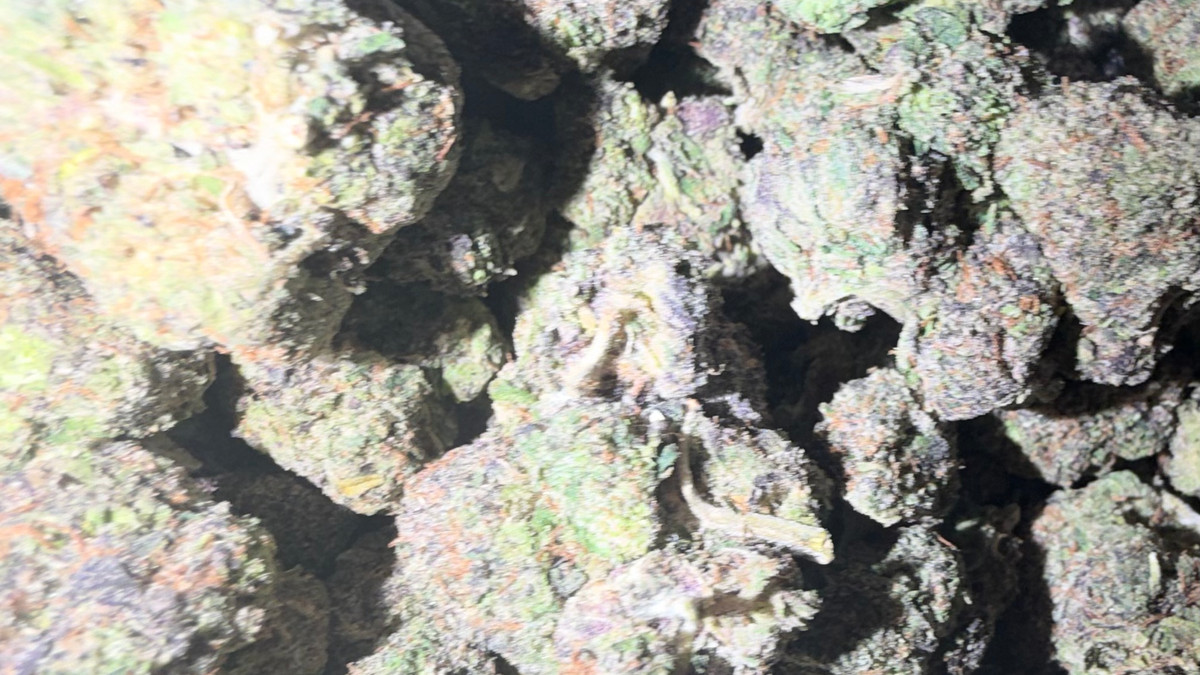
These comparisons are broad and based on commonly reported profiles, not fixed rules. A related strain can feel very different when grown by another producer or consumed in another format.
Strain | Type | Flavor | Effect | Best for |
|---|---|---|---|---|
Dante'S Inferno | Hybrid | Creamy dessert, fruit, citrus, pepper | Mood lift followed by relaxation | Evening and flexible hybrid sessions |
Oreoz | Hybrid | Cookie, cream, cocoa, earth | Relaxed and heavy for many users | Nighttime unwinding |
Devil Driver | Hybrid | Citrus, fruit, gas, spice | More energetic or mentally bright for some consumers | Social or creative settings |
Gelato | Hybrid | Sweet cream, fruit, citrus | Balanced euphoria and body calm | Consumers seeking a familiar dessert hybrid |
Medical and wellness reports
Some consumers report choosing Dante'S Inferno while seeking relaxation, a calmer mood, or help settling into an evening routine. Those are personal reports, not proof that the strain treats, cures, or prevents any condition. Cannabis can also produce unwanted effects, including anxiety, dizziness, impaired attention, dry mouth, or an uncomfortable increase in heart rate.
If you use cannabis alongside prescription medication, have a health condition, are pregnant or breastfeeding, or are unsure whether cannabis is appropriate for you, speak with a qualified healthcare professional. Do not use subjective strain descriptions as a substitute for medical guidance, and never drive or operate equipment while impaired.
How to Grow Dante'S Inferno
Grow Guru AI's read: Dante'S Inferno is commonly treated as a moderate hybrid for cultivators who can manage a vigorous canopy and protect dense flowers through the final weeks. Reported numbers are ranges, not guarantees; phenotype, environment, lighting, container size, training, and harvest decisions can move results substantially.
For DMV growers, humidity management deserves special attention. A plant that performs comfortably in a dry indoor room may need more spacing, airflow, and rain protection during a humid Mid-Atlantic summer.
Grow Specs below summarizes commonly reported cultivation traits.
Spec | Details |
|---|---|
Grow difficulty | Moderate |
Indoor flowering time | About 8–10 weeks |
Outdoor harvest window | Late September to mid-October in the Northern Hemisphere |
Yield potential | Indoor: commonly reported as moderate to high; outdoor: commonly reported as high under favorable conditions. |
Plant height and stretch | Medium to tall; moderate stretch after the flip is commonly reported. |
Ideal climate | Warm, stable, dry-to-moderate humidity with strong airflow and full sun outdoors. |
Mold and pest resistance | Often described as moderate, but dense flowers still require active prevention. |
Grow Difficulty
The rating is Moderate. Dante'S Inferno is not usually described as exceptionally fragile, but it rewards steady environmental control more than neglect. Feeding mistakes, abrupt temperature swings, poor airflow, and late-flower humidity can all reduce quality, especially if the phenotype develops compact colas.
It suits an intermediate grower or a careful first-time cultivator who has reliable climate control and can inspect plants frequently. Experienced growers may find the main challenge is dialing in canopy shape and moisture management rather than keeping the plant alive.
Canopy, Training and Pruning
Vegetative growth is commonly reported as moderate to vigorous, with medium node spacing and enough lateral growth to benefit from an even canopy. After the flip to 12/12, plan for roughly 1.5 to 2 times the pre-flip height, recognizing that phenotype and light intensity can change the result.
Topping and low-stress training can open the center and distribute sites more evenly. SCROG support is useful when branches rise at different speeds, while selective defoliation can improve airflow without stripping the plant. Avoid aggressive pruning late in flower, when dense buds and slower recovery can increase stress.
Feeding, Climate and Environment
Dante'S Inferno is commonly treated as a moderate feeder rather than a strain that demands maximum nutrient strength. Begin conservatively, watch leaf color and tips, and increase only when the plant shows a sustained need. Nitrogen is useful during vegetative growth, while balanced bloom nutrition and adequate calcium and magnesium may support vigorous growth; excesses can be as disruptive as deficiencies.
A practical indoor target is roughly 75–85°F in vegetative growth and 68–80°F in flower, with relative humidity around 55%–70% in veg and 40%–50% late in flower. Maintain continuous air movement without blasting one plant directly. In DC, Maryland, and Virginia, summer outdoor humidity and overnight dew make wide spacing, morning watering, sheltered placement, and frequent inspection especially important. Powdery mildew and bud rot resistance should be treated as moderate at best, not automatic protection.
Harvest Timing and Curing
Use trichomes, pistils, aroma, and plant maturity together. Clear trichomes generally indicate the flowers are still developing; mostly cloudy trichomes with a smaller amber portion are commonly chosen for a more balanced, alert-to-relaxed effect, while more amber may produce a heavier impression. These are cultivation cues, not guarantees of a particular experience.
When the aroma is fully developed and the flowers have stopped adding significant fresh white pistils, inspect several buds rather than one top cola. Dry slowly in darkness with gentle air circulation, then cure in clean airtight containers while monitoring moisture and opening them as needed. Excess heat, rapid drying, or overdrying can flatten the creamy and citrus notes this profile is known for.
Home Grow Rules in the DMV
Rules can change, so check current official guidance before planting. In DC, adults 21 and older may grow up to six plants per person, with no more than three mature plants per person and a household maximum of 12 plants. Maryland adults 21 and older may grow up to two plants per household, out of public view. Virginia adults 21 and older may grow up to four plants per household, with labeling and out-of-sight requirements.
Similar strains worth trying
If you like Dante'S Inferno's creamy hybrid direction, Oreoz is a natural comparison for a richer, more dessert-heavy profile. Devil Driver may appeal if you want more citrus and a brighter hybrid character, while Gelato is another familiar route for sweet cream, fruit, and balanced effects.
When comparing products, look beyond the strain name. Check the harvest or packaging date, cannabinoid and terpene results, cultivation method, and whether the product is flower, a full-spectrum extract, live rosin, live resin, or distillate. Those details often explain experience differences more clearly than a menu description alone.
The Bud Lords Take
Our take: Dante'S Inferno is most interesting when treated as a layered hybrid rather than a simple “daytime” or “nighttime” label. The creamy dessert foundation can make it approachable, while the reported potency and relaxing finish give it enough weight that portion awareness matters. For DMV readers, the batch COA and format are more useful decision points than the name by itself.
Local rules matter. DC operates under Initiative 71 gifting rules, which are distinct from a regulated adult-use retail system; do not assume that a gifting arrangement makes every sale, exchange, delivery, or purchase lawful. Maryland and Virginia have their own possession, home-grow, medical, and commercial rules, and those rules can change. Products discussed here are for adults 21 and older, subject to applicable law.
Whether you encounter Dante'S Inferno as flower, a pre-roll, a concentrate, or a vape, start with the specific label, use a modest amount, and give the product time to show its character. The strongest guide is the combination of current local rules, a verifiable batch report, and your own careful record of how that particular product works for you.
Dante'S Inferno strain FAQ
Here is what most people ask about Dante'S Inferno in this area.
Is Dante'S Inferno indica or sativa?
It is commonly classified as a hybrid. The balance can vary by phenotype, producer, and batch, so the label and reported effects of the specific product matter more than the category alone.
What does Dante'S Inferno taste like?
Common descriptions include creamy dessert, vanilla or pastry, fruit, citrus, pepper, and earth. The dominant notes depend on the terpene profile and how the flower or extract was handled.
Is Dante'S Inferno strong?
Commonly reported flower results are roughly 20%–30% THC, but actual potency varies. Newer or sensitive consumers should be especially cautious with high-potency products and avoid treating a strain name as a dosage instruction.
How long does Dante'S Inferno take to grow?
Indoor flowering is commonly reported at about 8–10 weeks, with outdoor harvest often falling between late September and mid-October in the Northern Hemisphere. Actual timing depends on phenotype, climate, light, and maturity cues.
Dante'S Inferno is not in the Bud Lords menu right now. Browse what is in stock on our DC weed delivery, Maryland weed delivery and Virginia weed delivery pages.
More strain guides: Super Boof, Glitter Bomb, Cereal Milk.
Frequently asked questions
Here is what most people ask about Dante'S Inferno in this area.
What Dante'S Inferno is?
Dante'S Inferno is commonly described as a hybrid cannabis strain with a dessert-leaning aroma and effects that can move from an engaged, comfortable start toward deeper relaxation. Its exact identity and lab profile can vary by breeder, producer, and batch, so the name should be treated as a useful starting point rather than a guarantee of one fixed experience. Commonly reported THC results fall roughly in the 20% to 30% range, although individual products may test outside that span.
How it compares?
These comparisons are broad and based on commonly reported profiles, not fixed rules. A related strain can feel very different when grown by another producer or consumed in another format.
How to Grow Dante'S Inferno?
Grow Guru AI's read: Dante'S Inferno is commonly treated as a moderate hybrid for cultivators who can manage a vigorous canopy and protect dense flowers through the final weeks. Reported numbers are ranges, not guarantees; phenotype, environment, lighting, container size, training, and harvest decisions can move results substantially. For DMV growers, humidity management deserves special attention.
Is Dante'S Inferno indica or sativa?
It is commonly classified as a hybrid. The balance can vary by phenotype, producer, and batch, so the label and reported effects of the specific product matter more than the category alone.
What does Dante'S Inferno taste like?
Common descriptions include creamy dessert, vanilla or pastry, fruit, citrus, pepper, and earth. The dominant notes depend on the terpene profile and how the flower or extract was handled.
Is Dante'S Inferno strong?
Commonly reported flower results are roughly 20%–30% THC, but actual potency varies. Newer or sensitive consumers should be especially cautious with high-potency products and avoid treating a strain name as a dosage instruction.
Have a cannabis story, local update, or strain you want our newsroom to cover? Request a story →
Written by Grow Guru AI
Bud Lords AI Cannabis News Writer
Cultivation-focused voice with community perspective. Covers growing tips, techniques, and cultivation industry news.
Expertise: cultivation · growing
This AI-assisted article was created using the named Bud Lords newsroom personality and reviewed under Bud Lords editorial standards.


Comments