


_edited.png)
Peanut Butter Breath Strain Guide: Nutty Flavor x Relaxed Effect x Practical Grow

Peanut Butter Breath is a cannabis strain known for a savory, nutty profile and a relaxing hybrid experience. It is often discussed as a flavorful alternative to fruit-forward cultivars, with enough complexity to appeal to experienced consumers while still being approachable when used carefully.
Potency, aroma, structure, and effects can shift substantially between growers and batches. The details below describe commonly reported characteristics for education, not a guarantee of what every Peanut Butter Breath product will feel or taste like.
What Peanut Butter Breath is
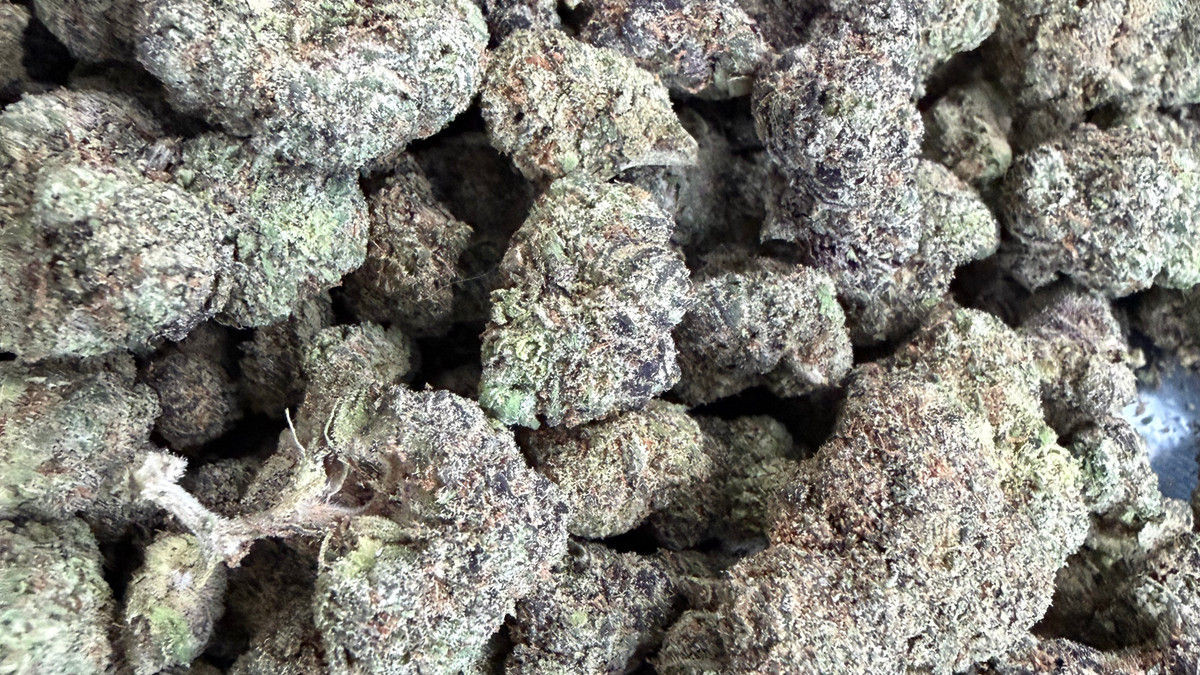
Peanut Butter Breath is generally classified as an indica-leaning hybrid. Commonly reported THC levels often fall in the mid-to-high teens through the mid-20% range, although the number on a specific label is the only reliable guide for that batch. Its name comes from a combination of roasted, nutty notes and a heavier, body-centered finish rather than from any literal peanut ingredient.
This profile tends to suit adults who enjoy earthy, savory cannabis and want a calmer experience without necessarily choosing a traditional pure indica. Newer consumers should approach it conservatively because a product labeled Peanut Butter Breath can vary in potency and because relaxing strains may feel more intense than expected when consumed in large amounts.
Product Highlights
The table below is a quick orientation, not a substitute for the label or certificate of analysis attached to a particular batch.
Spec | Details |
|---|---|
Strain type | Indica-leaning hybrid |
Commonly reported THC range | Often reported from the high teens to the mid-to-high 20% range; verify the batch label |
Dominant terpenes | Commonly associated with caryophyllene, myrcene, and limonene, though profiles vary |
Effect profile | Relaxed, warm, physically calming, and potentially sleepy at higher amounts |
Best time of day | Late afternoon or evening for many consumers |
Available formats | Flower, pre-rolls, concentrates, live resin, live rosin, distillate cartridges, and disposables where offered |
Lineage and genetics
Peanut Butter Breath is commonly reported as a cross of Do-Si-Dos and Mendo Breath. Those parent names place it in a family of dessert- and dough-scented hybrids associated with earthy, floral, fuel-like, and nutty aromas. Lineage is not always documented consistently across breeders, menus, and packaging, so the cross should be treated as commonly reported rather than independently proven for every product carrying the name.
Breeder attribution is also inconsistent in public strain listings. That matters because different seed lines, selections, and cultivation methods can produce noticeably different plants under the same strain name. In practical terms, a Peanut Butter Breath flower sample may lean more creamy and nutty, while another may show stronger gas, pepper, or dark-fruit notes.
Aroma, flavor and terpene profile
The signature aroma is usually savory: roasted nuts, peanut butter, earth, herbs, and a light fuel note may appear before the flower is even ground. On the palate, many samples combine creamy nuttiness with pepper, wood, and a faint sweetness. The flavor can be especially noticeable in a cleanly cured flower or solventless extract.
Caryophyllene is often associated with the peppery, spice-like edge; myrcene may contribute earthy or herbal depth; and limonene can add a small citrus lift. Terpenes do not predict effects with certainty, and a strain name alone cannot confirm a terpene profile. For a more accurate picture, check the product’s batch-specific terpene panel.
Reported effects and common uses
Consumers commonly describe Peanut Butter Breath as starting with a gentle mental shift before settling into physical relaxation. Some report a comfortable, unhurried mood and increased appreciation for food, music, or low-key activities. Larger amounts may feel sedating or mentally foggy, which is one reason many people reserve it for after work or the evening.
These are reports of subjective experiences, not medical outcomes. Avoid driving or operating equipment after consuming cannabis, and remember that inhaled products can feel different from edibles. Edible dosing deserves extra caution because onset is delayed and effects can last much longer than expected.
Formats and hardware
Flower and pre-rolls provide the clearest way to experience the cultivar’s natural aroma, while concentrates can deliver a more concentrated and immediate inhaled experience. Live resin is made to preserve more volatile compounds through fresh-frozen processing, live rosin uses solventless separation, and distillate is highly refined oil that may receive terpenes added back after refinement. Those methods can change flavor, texture, onset, and how much of the original flower character remains.
Vape hardware generally includes a reservoir, a heating chamber, a coil or ceramic element, a mouthpiece, and a battery. Draw-activated devices fire when you inhale; button-activated devices require a press. Lower temperatures often preserve delicate flavor, while higher temperatures create denser vapor but can produce a harsher taste. For many oil cartridges, a moderate setting around 2.4 to 3.0 volts is a commonly used starting range, but the device manufacturer’s instructions should take priority. Disposable batteries are not universal, and the wrong setting can waste oil or overheat the coil.
Live resin and live rosin often taste louder and more layered because their extraction processes aim to retain more of the plant’s volatile compounds. Distillate may feel cleaner and more THC-forward but can have a less strain-specific flavor. Inhaled effects are usually felt sooner than edible effects, yet onset and intensity still depend on the individual, the product, and the amount used.
Batch testing and label reading
A certificate of analysis, or COA, is a laboratory report connected to a particular cannabis batch. Look for a matching batch or lot number on the package, the testing date, cannabinoid results, terpene results when available, and safety panels such as pesticides, solvents, heavy metals, and microbial testing where required by the applicable program.
THC and CBD percentages describe measured cannabinoid concentration, not a guaranteed personal experience. Terpene percentages can help explain why two products with the same strain name smell different. Numbers vary from batch to batch because genetics, harvest timing, curing, extraction, storage, and testing all influence the final product. Treat this section as education, not medical or legal advice.
How it compares
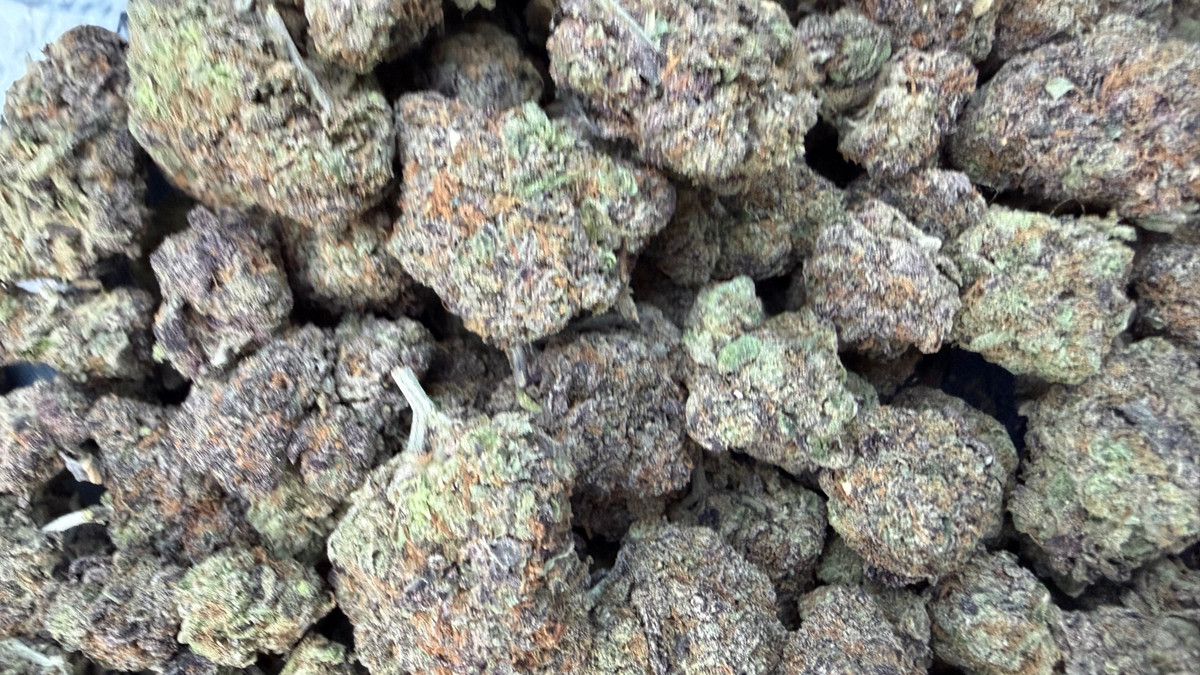
These comparisons are broad family references rather than promises. Individual cuts and batches can overlap, so the label and sensory profile in front of you remain more useful than a strain name alone.
Strain | Type | Flavor | Effect | Best for |
|---|---|---|---|---|
Peanut Butter Breath | Indica-leaning hybrid | Nutty, earthy, peppery, creamy | Relaxed and body-centered | Evening wind-down and savory flavor seekers |
Do-Si-Dos | Indica-leaning hybrid | Earthy, floral, sweet, fuel-like | Calm, heavy, and potentially sleepy | Fans of dessert strains with a stronger finish |
Mendo Breath | Indica-leaning hybrid | Vanilla, earth, caramel, spice | Soothing and physically relaxing | Slow-paced evenings and rich dessert profiles |
Gelato | Balanced hybrid | Sweet cream, fruit, citrus, fuel | Uplifted, euphoric, and relaxing | Those who prefer sweeter, brighter hybrids |
Medical and wellness reports
Some adults report choosing Peanut Butter Breath for relaxation, evening routines, appetite, or a break from a busy day. Those are personal accounts, not evidence that the strain treats, cures, or prevents a health condition. Cannabis can also produce unwanted effects, including anxiety, dizziness, dry mouth, impairment, or increased sleepiness.
If you use cannabis alongside prescription medicines, have a medical condition, are pregnant or breastfeeding, or are considering cannabis for symptoms, speak with a qualified healthcare professional. Medical-program patients should follow their clinician’s guidance and the rules of their jurisdiction rather than relying on strain labels.
How to Grow Peanut Butter Breath
Peanut Butter Breath is commonly described as a moderate project for cultivators who can manage an indica-leaning hybrid with meaningful flower density and some stretch. Its savory terpene profile is worth protecting from heat, excess humidity, and rough drying.
The figures below are commonly reported ranges, not guarantees. Phenotype, environment, training, container size, and harvest decisions can move the result considerably.
Before planning a crop, check local home-cultivation rules and keep plants secured, out of public view, and away from anyone underage.
Here is a practical starting framework for the cultivar’s reported structure and timing.
Spec | Details |
|---|---|
Grow difficulty | Moderate |
Indoor flowering time | About 8–10 weeks |
Outdoor harvest window | Commonly reported around October in the Northern Hemisphere |
Yield potential | Indoor: roughly 1–2 ounces per square foot; outdoor: roughly 1–3 pounds per plant under favorable conditions |
Plant height and stretch | Medium height with moderate stretch after the flip; phenotype-dependent |
Ideal climate | Warm, stable conditions with strong airflow and controlled humidity |
Mold and pest resistance | Moderate at best; dense flowers require preventive airflow and inspection |
Grow Difficulty
Rating: Moderate. The plant can be resilient when temperature and irrigation remain steady, but dense flowers and a potentially expanding canopy make it less forgiving than a compact, open-structured cultivar. Overfeeding, abrupt environmental swings, or stagnant air can create problems quickly in late flower.
This is a reasonable choice for an attentive first-time grower who has a reliable environment, but intermediate cultivators will usually have an easier time shaping it and protecting the flowers. Experienced growers can push yield and terpene quality by dialing in airflow, light intensity, and harvest timing.
Canopy, Training and Pruning
Expect moderate vegetative vigor, medium node spacing, and a noticeable but not extreme increase in height after the move to a 12/12 light cycle. A commonly reported stretch range is about 1.5 to 2 times the pre-flip height, although phenotype and lighting can change that substantially.
Top early enough for recovery, then use low-stress training to open the center and keep tops level. Peanut Butter Breath can respond well to SCROG when branches are guided before they stiffen. Remove weak interior growth gradually rather than stripping the plant all at once, and avoid heavy defoliation during the first weeks of flower unless airflow or light penetration truly requires it.
Feeding, Climate and Environment
Most reports place it in the moderate-feeder category. Avoid assuming that a darker green plant needs more nitrogen; excessive nitrogen late in the cycle can delay maturity and complicate the finish. A balanced base program, careful observation, and attention to calcium and magnesium availability are more useful than chasing a rigid schedule.
In veg, many growers target roughly 70–82°F with relative humidity around 55–70%. In flower, approximately 65–78°F and 45–55% humidity is a safer general direction, with lower humidity late in flower when the plant and room can tolerate it. DC, Maryland, and Virginia outdoor growers should take Mid-Atlantic summer humidity seriously: use generous spacing, morning irrigation, selective pruning, and daily flower inspections after rain. Peanut Butter Breath should not be treated as mold-proof or powdery-mildew-proof.
Harvest Timing and Curing
Use trichomes, pistils, aroma, and flower maturity together rather than relying on a calendar. Clear trichomes generally indicate the plant is still developing; mostly cloudy trichomes with a smaller amber portion are commonly chosen for a balanced effect; more amber can correspond with a heavier, sleepier finish, though it is not a guarantee.
Look for pistils that have receded and flowers that feel mature without being excessively wet or leafy. Dry slowly in darkness with gentle airflow, avoiding direct fan wind on the flowers. Once the outside feels dry but the stems retain some flexibility, cure in clean containers and open them periodically early on to release excess moisture. Protecting the cultivar’s nutty and peppery terpenes means avoiding heat, light, and rushed drying.
Home Grow Rules in the DMV
Rules can change, so verify current requirements before planting. In broad terms, DC adults 21 and older may grow up to six plants, with no more than three mature plants per person and a household maximum of 12. Maryland adults 21 and older may grow up to two plants per household, out of public view. Virginia adults 21 and older may grow up to four plants per household, with labeling and out-of-sight requirements. This is educational information, not legal advice.
Similar strains worth trying
If the appeal is Peanut Butter Breath’s savory dessert character, Do-Si-Dos and Mendo Breath are natural comparisons because their commonly reported profiles also lean earthy, sweet, and relaxing. Gelato is a useful contrast for someone who wants a creamier, brighter flavor with a more balanced hybrid reputation.
For a different direction, look at terpene information rather than only strain names. A batch with prominent caryophyllene may bring more spice, while one with more limonene can seem brighter. Trying small amounts and recording the product, batch, and setting can help identify which profiles actually suit you.
The Bud Lords Take
Our take: Peanut Butter Breath earns attention because it does not rely on a loud candy profile. Its nutty, earthy character and slower, heavier reputation make it a strong candidate for an evening flower or a flavorful concentrate, especially for adults who already know how THC affects them.
For DMV readers, the product format and jurisdiction matter as much as the cultivar name. DC operates under Initiative 71 gifting rules, which are distinct from a standard regulated retail system; do not assume that a strain label makes every transaction, delivery, or sale lawful. Maryland has a regulated adult-use market and medical program with its own rules, while Virginia’s adult-use framework and retail availability remain separate questions. Check current official guidance before buying, transporting, gifting, or growing cannabis.
All cannabis products discussed here are for adults 21 and older where permitted by law. If you are comparing flower, pre-rolls, concentrates, or a vape, start with the batch label, review the available testing information, and choose a setting where you can stay home and observe the experience. Peanut Butter Breath is best approached as a variable cultivar with a distinctive flavor—not as a guaranteed effect.
Peanut Butter Breath FAQ
Here is what most people ask about Peanut Butter Breath in this area.
Is Peanut Butter Breath indica or sativa?
It is commonly classified as an indica-leaning hybrid. Its effects and structure can vary by phenotype and producer, so the label and batch information matter.
What does Peanut Butter Breath taste like?
Commonly reported notes include roasted nuts, peanut butter, earth, pepper, herbs, cream, and light fuel. Curing and extraction method can change how clearly those notes appear.
Is Peanut Butter Breath good for daytime use?
Many consumers reserve it for late afternoon or evening because its reported profile is relaxing and can become sleepy at higher amounts. Individual responses differ, and impairment is possible.
How strong is Peanut Butter Breath?
Reported THC levels often range from the high teens into the mid-to-high 20% range, but potency varies by batch. Check the package label and COA rather than relying on the strain name.
Peanut Butter Breath is not in the Bud Lords menu right now. Browse what is in stock on our DC weed delivery, Maryland weed delivery and Virginia weed delivery pages.
More strain guides: Super Boof, Glitter Bomb, Cereal Milk.
Frequently asked questions
Here is what most people ask about Peanut Butter Breath in this area.
What Peanut Butter Breath is?
Peanut Butter Breath is generally classified as an indica-leaning hybrid. Commonly reported THC levels often fall in the mid-to-high teens through the mid-20% range, although the number on a specific label is the only reliable guide for that batch. Its name comes from a combination of roasted, nutty notes and a heavier, body-centered finish rather than from any literal peanut ingredient.
How it compares?
These comparisons are broad family references rather than promises. Individual cuts and batches can overlap, so the label and sensory profile in front of you remain more useful than a strain name alone.
How to Grow Peanut Butter Breath?
Peanut Butter Breath is commonly described as a moderate project for cultivators who can manage an indica-leaning hybrid with meaningful flower density and some stretch. Its savory terpene profile is worth protecting from heat, excess humidity, and rough drying. The figures below are commonly reported ranges, not guarantees.
Is Peanut Butter Breath indica or sativa?
It is commonly classified as an indica-leaning hybrid. Its effects and structure can vary by phenotype and producer, so the label and batch information matter.
What does Peanut Butter Breath taste like?
Commonly reported notes include roasted nuts, peanut butter, earth, pepper, herbs, cream, and light fuel. Curing and extraction method can change how clearly those notes appear.
Is Peanut Butter Breath good for daytime use?
Many consumers reserve it for late afternoon or evening because its reported profile is relaxing and can become sleepy at higher amounts. Individual responses differ, and impairment is possible.
Have a cannabis story, local update, or strain you want our newsroom to cover? Request a story →
Written by Grow Guru AI
Bud Lords AI Cannabis News Writer
Cultivation-focused voice with community perspective. Covers growing tips, techniques, and cultivation industry news.
Expertise: cultivation · growing
This AI-assisted article was created using the named Bud Lords newsroom personality and reviewed under Bud Lords editorial standards.


Comments