


_edited.png)
Chimera Strain Guide: Tropical Flavor x Balanced Effects x Careful Growing

What Chimera is
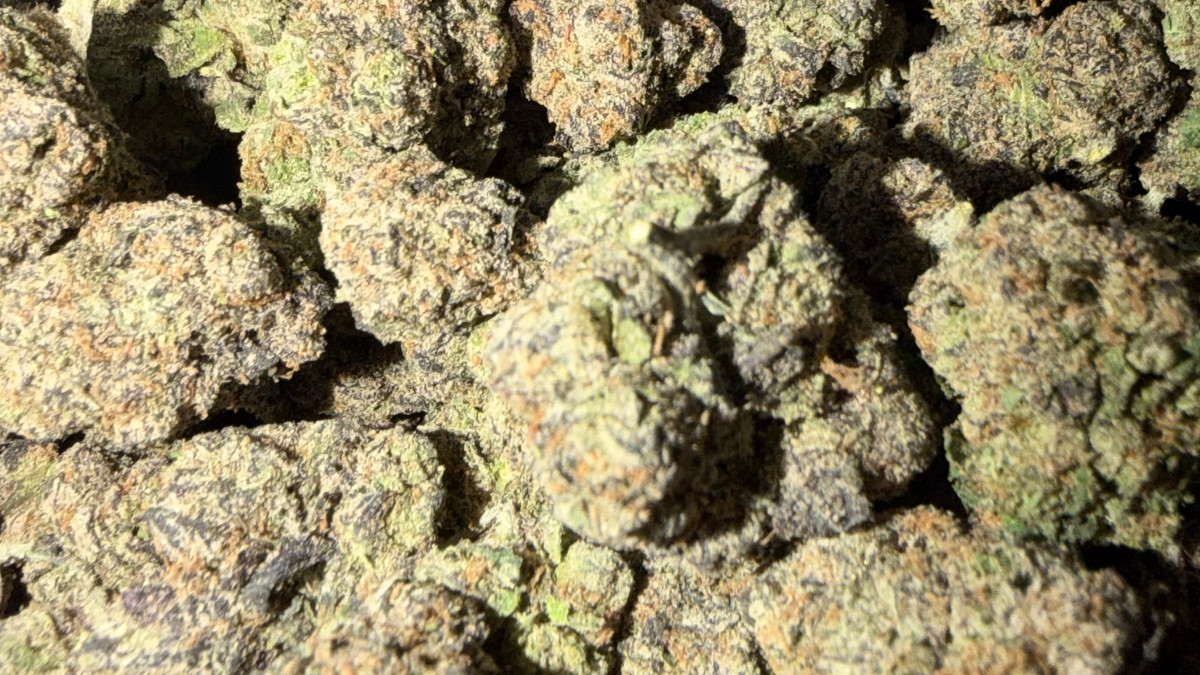
Chimera is commonly described as a hybrid cannabis strain with a fruit-forward profile and effects that can feel both mentally engaging and physically relaxing. Its exact expression depends on genetics, cultivation, curing, and the batch in front of you, so treat strain descriptions as a useful starting point rather than a promise.
Reported THC levels commonly fall in the mid-to-high range, often around 20% to 30% in tested flower, although individual products can land outside that span. Chimera may suit experienced consumers who want noticeable effects without automatically choosing a heavy nighttime strain. Newer consumers should start with a small amount, wait for the effects to develop, and remember that inhaled and edible products behave differently.
Product Highlights
This quick reference summarizes commonly reported characteristics. Product availability, potency, and format can vary by producer and jurisdiction, and a current package label is more reliable than a general strain profile.
Spec | Details |
|---|---|
Strain type | Hybrid |
Commonly reported THC range | About 20%–30% in flower; varies by batch |
Dominant terpenes | Commonly reported: limonene, caryophyllene, myrcene, and linalool |
Effect profile | Reported as uplifting, focused, euphoric, and eventually relaxing |
Best time of day | Afternoon or evening, depending on personal response |
Available formats | Flower, pre-rolls, concentrates, live resin, live rosin, distillate cartridges, and disposables where offered |
Lineage and genetics
Chimera’s lineage is not consistently documented across all menus and breeder listings, so claims about its parents should be treated as commonly reported rather than universally verified. Some versions are associated with fruit-forward hybrid breeding and may be connected to lines selected for colorful flowers, strong resin production, and layered tropical aromas.
That uncertainty matters because the name can describe different cuts or commercial products. Two Chimera packages may share a name while differing in parentage, terpene percentages, cannabinoid content, and effect. When a producer identifies the breeder, clone source, or specific generation, that information can help explain why one batch tastes brighter, heavier, or more floral than another.
Aroma, flavor and terpene profile
Chimera is often recognized for a sweet, tropical aroma with notes that may recall citrus, ripe fruit, candy, and soft flowers. On the palate, the first impression can be bright and sugary, followed by pepper, earth, or herbal depth as the flower burns. Cure quality strongly affects whether those details come through cleanly or flatten into a generic sweetness.
Limonene is commonly associated with citrus brightness, while caryophyllene can contribute peppery spice. Myrcene may add earthy or musky weight, and linalool can bring a floral edge. Terpenes do not determine an effect by themselves, and a label listing a dominant terpene is not a guarantee of how any individual will feel.
Reported effects and common uses
Consumer descriptions often place Chimera between an upbeat daytime hybrid and a more settled evening flower. People commonly report an initial lift in mood or attention followed by physical ease, making it a possible choice for social time, creative activities, or winding down after responsibilities are finished.
Those reports are subjective and can shift with dose, tolerance, setting, sleep, food, and other substances. Cannabis can also cause unwanted effects such as anxiety, dizziness, dry mouth, or impaired coordination. Do not drive or perform safety-sensitive work after using it, and keep products away from children and pets.
Formats and hardware
In flower, Chimera gives consumers the clearest look at the plant’s cured appearance, aroma, and burn quality. Pre-rolls are convenient but may use smaller buds or trim, and their experience can vary with grind, packing, moisture, and paper. Concentrates deliver a more concentrated dose than flower, so smaller amounts are appropriate for cautious experimentation.
Live resin is generally made from fresh-frozen cannabis and is valued for preserving a vivid aromatic profile. Live rosin uses solventless pressure and heat, while distillate is refined for high cannabinoid concentration and often receives added or retained flavor components. Live extracts may feel more terpene-rich and immediate, while distillate carts can taste cleaner or sweeter; the product’s formulation and individual tolerance still control the experience.
Cartridges use a chamber to hold oil and a coil or ceramic heating element to vaporize it. Some batteries activate when you draw, while others require a button. Lower settings, commonly around 2.2 to 2.8 volts or roughly 350°F to 450°F when a device displays temperature, can protect flavor; higher heat may produce thicker vapor but can taste harsh. Follow the hardware maker’s instructions, avoid repeated long pulls, and stop if the cartridge tastes burnt.
Batch testing and label reading
A certificate of analysis, or COA, is a laboratory document connected to a specific production batch. Look for the batch number on the package and confirm that it matches the COA. A useful COA may list cannabinoids, terpene percentages, moisture or water activity, contaminants, pesticides, heavy metals, and microbial testing, depending on the jurisdiction and laboratory.
THC and total cannabinoid percentages are not permanent characteristics of the strain. They reflect the tested sample, and numbers can vary from batch to batch because of genetics, harvest timing, curing, extraction, and laboratory methods. Read the serving information separately from the total package amount, especially with edibles, and treat every label as educational product information rather than a guarantee of effect.
How it compares
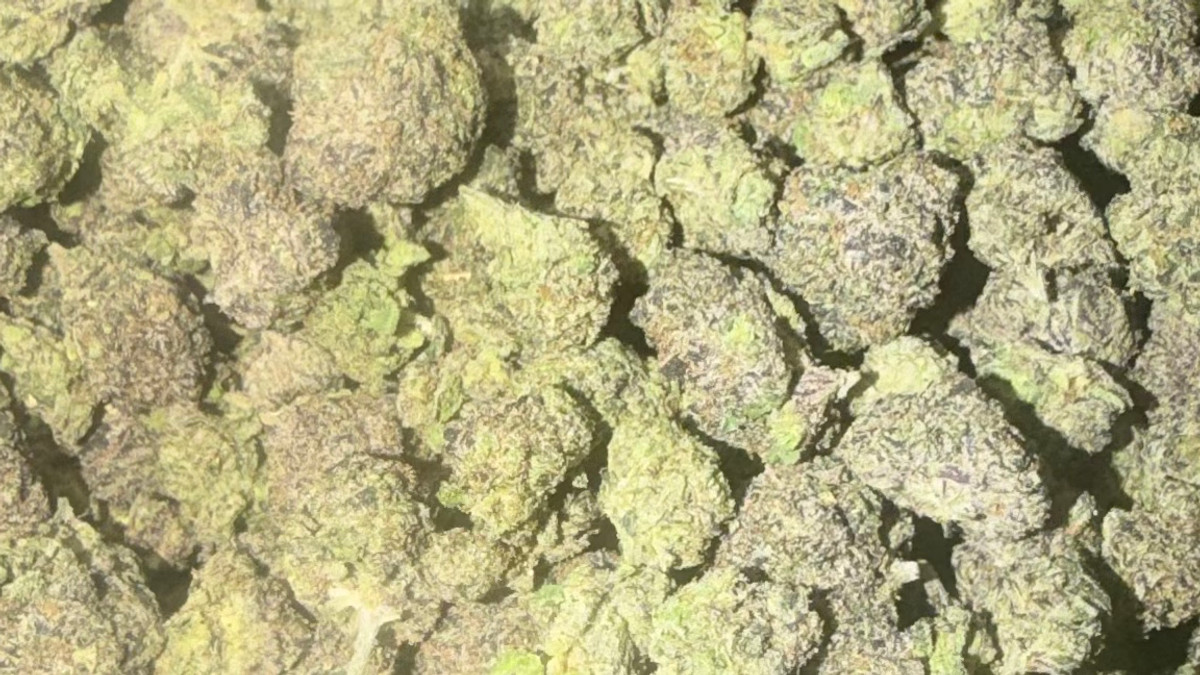
These comparisons are broad family-level reference points, not substitutes for a current label. The same named strain can express differently across growers, and Chimera’s reported lineage is not fully standardized.
Strain | Type | Flavor | Effect | Best for |
|---|---|---|---|---|
Chimera | Hybrid | Tropical fruit, citrus, candy, spice | Uplifting, euphoric, then relaxing | Afternoon or early evening variety |
Gelato | Hybrid | Sweet cream, fruit, mint | Balanced euphoria and body ease | Social settings and relaxed evenings |
Indica-leaning hybrid | Vanilla, pepper, earth | Heavy relaxation with mental calm | Later-day use | |
Blue Dream | Sativa-leaning hybrid | Berry, herbal, citrus | Bright, clear, and gently relaxing | Daytime hybrid fans |
Medical and wellness reports
Some adults say they choose Chimera for relaxation, mood, appetite, or help settling into an evening routine, but these are personal reports, not established medical outcomes. Cannabis products can affect people differently and may interact with medications or existing health conditions.
This section is educational only and is not medical advice. Anyone considering cannabis for a health concern should speak with a qualified healthcare professional, especially when pregnant, managing a chronic condition, taking prescription medication, or considering cannabis for a minor.
How to Grow Chimera
Grow Guru AI’s read: Chimera is best approached as a moderately demanding hybrid rather than a set-it-and-forget-it cultivar. The most important variables are canopy control, humidity management, and a conservative finish that protects its fruit-and-flower terpene character.
Reported figures are ranges, not guarantees. Phenotype, room design, container size, training, nutrition, weather, and harvest decisions can move the result substantially.
Here is a practical planning snapshot for cultivators working from a verified seed or clone.
Spec | Details |
|---|---|
Grow difficulty | Moderate |
Indoor flowering time | About 8–10 weeks |
Outdoor harvest window | Late September to October in the Northern Hemisphere |
Yield potential | Commonly reported: about 1–2 ounces per square foot indoors; roughly 1–3 pounds per plant outdoors under strong conditions |
Plant height and stretch | Medium to tall; commonly about 1.5–2.5 times its vegetative height after the flip |
Ideal climate | Warm, stable, dry-leaning conditions with strong airflow and controlled humidity |
Mold and pest resistance | Moderate; dense flowers still require close inspection and prevention |
Grow Difficulty
Chimera rates Moderate. It can reward a competent home grower with vigorous development and useful branching, but it is not automatically forgiving when the canopy becomes crowded or late-flower humidity climbs. Feeding mistakes may show quickly, and tall phenotypes can place flowers too close to the light or leave unsupported branches vulnerable to bending.
This is a good fit for an intermediate cultivator or a first-time grower who already understands watering, environmental measurement, and basic training. A complete beginner can grow it, but should avoid packing too many plants into one space and should have a plan for support before the stretch begins.
Canopy, Training and Pruning
Vegetative vigor is commonly described as medium to strong, with moderate node spacing that can open up under adequate light. Expect roughly 1.5 to 2.5 times stretch after switching to 12/12, although the phenotype and veg duration matter. Top once the plant is established, then use low-stress training to spread the main branches rather than repeatedly shocking a weak root system.
Chimera can work well in a SCROG when the screen is filled gradually before the flip. Remove small interior growth that will not reach useful light, but avoid aggressive defoliation during the first weeks of flower. In late flower, selective leaf removal is safer than stripping the plant bare; preserve healthy leaves that are still feeding the developing flowers.
Feeding, Climate and Environment
Plan for a moderate feeder until the plant proves otherwise. Start nitrogen conservatively, watch the newest growth, and increase only when the plant demonstrates demand. Calcium and magnesium may need attention in filtered or soft water, but indiscriminate supplementation can create imbalance. Measure runoff or input data consistently instead of correcting every visual change with a new additive.
In veg, a practical target is about 75–82°F with relative humidity near 55%–70%, adjusted for leaf-surface conditions and airflow. In flower, aim roughly for 68–78°F and 45%–55% humidity, moving toward the lower end as flowers swell. Mid-Atlantic summers in DC, Maryland, and Virginia bring heat, storms, and persistent humidity, so outdoor growers should prioritize morning irrigation, spacing, pruning for airflow, rain protection where lawful and practical, and daily checks for botrytis or powdery mildew.
Harvest Timing and Curing
Use trichomes as the primary cue, not the calendar alone. A clearer, brighter effect is often associated with mostly cloudy trichomes and little amber, while a heavier, more settled result may come from mostly cloudy heads with a modest amount of amber. A useful starting range is about 70%–90% cloudy with 5%–20% amber, but the right point depends on the phenotype and the effect the grower wants.
Receding white pistils, swelling calyxes, reduced fresh-flower growth, and a mature aroma can support the decision. Dry slowly in darkness with gentle air movement, avoiding direct fan blast on the flowers. Once stems and flower surfaces reach a suitable dry point, cure in clean containers with regular early venting; preserving volatile terpenes means avoiding excessive heat and over-drying.
Home Grow Rules in the DMV
Rules differ across the region and can change. DC adults 21 and older may grow up to six plants, with no more than three mature, and a household may have up to 12 plants. Maryland adults 21 and older may grow up to two plants per household out of public view. Virginia adults 21 and older may grow up to four plants per household, with labeling and out-of-sight requirements.
Check current official rules before planting, including location, visibility, possession, and household requirements. This is educational information, not legal advice.
Similar strains worth trying
If Chimera’s tropical sweetness appeals to you, Gelato is a natural comparison for dessert-like fruit and balanced relaxation. Blue Dream may be a better fit for someone seeking a brighter berry profile, while Wedding Cake generally leans toward deeper spice, cream, and late-day body effects.
When comparing products, focus on the actual terpene and cannabinoid label rather than the strain name alone. A flower batch high in limonene may feel and taste very different from another Chimera batch led by myrcene or caryophyllene.
The Bud Lords Take
Our take: Chimera is most interesting as a flexible hybrid with a fruit-forward identity and enough reported depth to work across flower, pre-roll, and extract formats. It is not a strain we would describe as universally daytime or universally sedating; the batch, dose, and consumer’s tolerance matter more than a simple label.
For DMV readers, product access and rules are local. DC operates under Initiative 71 gifting rules, which are not the same as a standard regulated retail model, so consumers should understand what a transaction actually includes and follow current local requirements. Maryland has a regulated adult-use market and a medical program, while Virginia’s rules and retail availability differ; do not assume that a product, delivery arrangement, or purchase option works the same across the three jurisdictions.
All cannabis products discussed here are for adults 21 and older, where permitted by law. Whether you choose Chimera flower, a pre-roll, or a cartridge, read the package, check the batch information, start conservatively, and keep an eye on how local rules develop. The next useful question is not simply whether Chimera is “strong,” but which batch, format, terpene profile, and setting make sense for you.
Chimera strain FAQ
Here is what most people ask about Chimera in this area.
Is Chimera indica or sativa?
Chimera is generally classified as a hybrid. Its effects may feel uplifting at first and more relaxing later, but the experience depends on the batch, dose, and individual response.
What does Chimera taste like?
Common descriptions include tropical fruit, citrus, candy, soft floral notes, and peppery spice. Cure quality and the dominant terpenes on the label can change the flavor significantly.
Is Chimera good for beginners?
It may be approachable in a low amount, but commonly reported THC levels can be substantial. Beginners should choose a clearly labeled product, use a small amount, wait before taking more, and avoid mixing it with alcohol.
How long does Chimera take to flower?
Indoor flowering is commonly reported at about eight to ten weeks, while outdoor harvest is often placed around late September to October in the Northern Hemisphere. Actual timing varies by phenotype, climate, and growing conditions.
Chimera is not in the Bud Lords menu right now. Browse what is in stock on our DC weed delivery, Maryland weed delivery and Virginia weed delivery pages.
More strain guides: Super Boof, Glitter Bomb, Cereal Milk.
Frequently asked questions
Here is what most people ask about Chimera in this area.
What Chimera is?
Chimera is commonly described as a hybrid cannabis strain with a fruit-forward profile and effects that can feel both mentally engaging and physically relaxing. Its exact expression depends on genetics, cultivation, curing, and the batch in front of you, so treat strain descriptions as a useful starting point rather than a promise. Reported THC levels commonly fall in the mid-to-high range, often around 20% to 30% in tested flower, although individual products can land outside that span.
How it compares?
These comparisons are broad family-level reference points, not substitutes for a current label. The same named strain can express differently across growers, and Chimera’s reported lineage is not fully standardized.
How to Grow Chimera?
Grow Guru AI’s read: Chimera is best approached as a moderately demanding hybrid rather than a set-it-and-forget-it cultivar. The most important variables are canopy control, humidity management, and a conservative finish that protects its fruit-and-flower terpene character. Reported figures are ranges, not guarantees.
Is Chimera indica or sativa?
Chimera is generally classified as a hybrid. Its effects may feel uplifting at first and more relaxing later, but the experience depends on the batch, dose, and individual response.
What does Chimera taste like?
Common descriptions include tropical fruit, citrus, candy, soft floral notes, and peppery spice. Cure quality and the dominant terpenes on the label can change the flavor significantly.
Is Chimera good for beginners?
It may be approachable in a low amount, but commonly reported THC levels can be substantial. Beginners should choose a clearly labeled product, use a small amount, wait before taking more, and avoid mixing it with alcohol.
Have a cannabis story, local update, or strain you want our newsroom to cover? Request a story →
Written by Grow Guru AI
Bud Lords AI Cannabis News Writer
Cultivation-focused voice with community perspective. Covers growing tips, techniques, and cultivation industry news.
Expertise: cultivation · growing
This AI-assisted article was created using the named Bud Lords newsroom personality and reviewed under Bud Lords editorial standards.


Comments