


_edited.png)
Pharmacy-Only Hemp? Inside Senate Bill 1’s Big Shift

Fast Facts
Who / Where: Not stated in the source
What changed: A bill (Senate Bill 1) proposes limiting sales of hemp-derived cannabinoids to pharmacies
Effective / Key date: Not yet set
Status: Still in the legislative process
DMV impact: Not stated in the source
Hemp customers and cannabis operators may be facing a profound shift: a pharmacy-only retail model for hemp-derived cannabinoids. As reported by Merry Jane, a new proposal called Senate Bill 1 would centralize the sale of hemp-derived cannabinoid products in pharmacies and move them out of smoke shops, online storefronts, and other retail channels. Lawmakers tightened hemp rules last year, and this bill is framed as the next step toward stricter oversight. Supporters pitch it as a consumer-safety play; critics see limited access and heavy compliance costs.
What Is Senate Bill 1 Trying to Do?

At a high level, Senate Bill 1 seeks to corral the sprawling hemp-derived cannabinoid marketplace into a single, tightly regulated retail lane: pharmacies. That could cover a broad set of compounds and formats—think CBD tinctures, gummies, and other hemp-derived products—shifting them from specialty retailers and websites into pharmacy counters with pharmacist guidance and stricter inventory controls. The bill builds on recent regulatory updates and would expand oversight of what’s sold, who can sell it, and potentially who may buy it, though full details remain unresolved.
Is this change already in effect?
No. The bill is still moving through the legislative process, and nothing in the source indicates an effective date yet.
That means existing storefronts and e-commerce channels for hemp-derived cannabinoids continue operating under current rules until lawmakers act. However, operators should prepare for a compliance pivot if pharmacy-only sales advance.
Why would lawmakers push cannabinoids into pharmacies?
The stated policy frame is consumer safety and product oversight. According to the Merry Jane report, supporters view pharmacy-only sales as a way to ensure quality control, labeling integrity, and professional guidance at the point of sale. Proponents also argue that narrowing retail channels curbs mislabeled or contaminated products and helps establish consistent standards across cannabinoid categories.
What changes under a pharmacy-only sales model?
If a pharmacy-only requirement becomes law, it would reorder how customers find and purchase hemp-derived cannabinoids and how businesses produce, ship, and sell them. Consumers would encounter fewer brands, tighter purchasing workflows, and fewer impulse options; businesses would face pharmacy procurement, stricter testing and packaging controls, and potential logistics hurdles that ripple into delivery and transport routines.
Before vs. After at a glance
Provision | Previous rule | New rule | Effective date |
|---|---|---|---|
Retail channels | Smoke shops, specialty retailers, online | Pharmacies only (proposed) | Not stated |
Policy driver | Prior regulatory updates passed last year | Further tightening for safety/oversight | Not stated |
Market access | Broad consumer access | Potentially narrower access | Not stated |
Status | Current marketplace | Bill in legislative process | Not stated |
How would this affect delivery laws and courier compliance?
A pharmacy-only model would likely compress the delivery universe into pharmacy-to-customer logistics, with tighter controls on custody, labeling, product verification, and age or eligibility checks. Delivery and courier operators following cannabis delivery laws and marijuana delivery regulations would need to track any new pharmacy-driven transport rules, including origin/destination limits, manifest standards, and how returns and recalls are handled.
Under marijuana transport laws more broadly, regulators often require manifests, secure storage, driver vetting, and documented handoffs. If pharmacy-only sales for hemp-derived cannabinoids move forward, similar protocols could be layered into hemp transport. Businesses would want to prepare for enhanced SOPs around inventory reconciliation, incident reporting, and route validation—procedures familiar to licensed cannabis couriers. While the bill text and implementing regulations aren’t available in the source, the practical direction points toward more pharmacy gatekeeping and stricter end-to-end custody.
What This Means for DC, Maryland and Virginia
Our region follows local rules that are distinct and evolving. If any DMV jurisdiction adopts a pharmacy-only structure for hemp-derived cannabinoids, local retailers could see their product sets trimmed, and delivery services would likely need to pivot from retail-based drop-offs toward pharmacy-driven fulfillment. Customers accustomed to picking up CBD gummies or other hemp-derived products alongside pre-rolls or concentrates at a favorite shop may instead have to consult a pharmacist and buy within the pharmacy’s assortment. For medical program participants, pharmacy-based counseling might add clarity on dosing—especially for edibles and tinctures—but the tradeoff could be reduced brand choice and convenience.
For operators who handle weed delivery compliance or cannabis courier licensing in the DMV, the headline is the same: be ready for pharmacy-originated manifests, more stringent identity checks, and closer product tracking. If rules change locally, last-mile logistics would need to mirror pharmacy standards, with updated transport compliance manuals, driver training, and recordkeeping that harmonize with pharmacy shelf and backroom protocols.
What This Means for Virginia Residents
Virginia consumers and small businesses should watch whether lawmakers in any jurisdiction they follow adopt pharmacy-only limitations for hemp-derived cannabinoids. If such a model takes hold, selection could narrow to what pharmacies stock, and convenience buying may give way to pharmacist-guided transactions. For those following Virginia cannabis topics—like decriminalization discussions or wider regulatory adjustments—the pharmacy-only approach would represent a separate, targeted policy lever focused on hemp-derived products rather than the broader adult-use landscape. The practical impact for residents would depend on how pharmacies in their area source, price, and counsel on cannabinoid products.
How This Compares to Other States
Across the country, policymakers have tested different ways to rein in hemp-derived cannabinoids—some limit intoxicating variants, others tighten testing and labeling, and still others restrict sales points. A pharmacy-only framework is among the stricter retail approaches because it narrows who can sell and centralizes oversight. While details vary state to state, the direction sketched in Senate Bill 1 belongs to a national pattern: dialing up controls after rapid market growth. For delivery businesses, more restricted retail channels typically mean fewer pickup points, clearer custody rules, and a more formal chain of responsibility—concepts already embedded in many marijuana delivery regulations.
Will hemp-derived cannabinoids be limited to pharmacies only?
That outcome is proposed, not guaranteed. The bill is still moving and the source does not specify final language or an effective date.
Stakeholders should monitor hearings and amendments closely; scope can expand or contract as a bill advances. Retailers and couriers that proactively map pharmacy workflows and transport compliance will be best positioned if the proposal becomes law.
Timeline and Next Steps
The legislative path described in the source is ongoing, with no implementation date yet. The most prudent plan for operators is to draft contingency SOPs now—SKU rationalization for pharmacy assortments, quality documentation aligned with pharmacy intake expectations, and transport manifests that mirror pharmacy chain-of-custody practices. Consumers should keep an eye on official updates to understand when and how purchasing channels might switch. Until rules change, current buying patterns remain in place.
Potential Impacts on Small Businesses and Market Structure
Routing hemp-derived cannabinoids through pharmacies could raise the bar for market entry and tilt scale advantages to companies equipped for pharmacy procurement, testing, and packaging. That implies consolidation pressure on smaller operators who rely on direct-to-consumer shops or online channels. If a pharmacy-only model narrows product variety, price and selection could shift, and convenience could suffer for everyday buyers who previously picked up CBD alongside other wellness items.
Delivery, Transport, and Compliance: What to Prepare
Delivery services that presently move hemp-derived packages from retailers to consumers would face a different origin point. If pharmacy-only becomes law where you operate, expect:
Pharmacy-origin manifests and custody logs that align with pharmacy receiving and dispensing practices
Tighter verification at pickup and drop-off, including ID and eligibility checks
More rigorous incident reporting, route documentation, and returns handling
Training refreshers for drivers on product handling and labeling verification
These changes mirror best practices common in marijuana transport laws and weed delivery compliance. Even without a final rule, building these capabilities is useful across cannabis courier licensing and transport compliance workflows.
Bud Lords Take
This is our analysis: A pharmacy-only model would trade breadth and convenience for a stronger guardrail around quality and labeling. For consumers, that likely means fewer SKUs and more pharmacist conversations; for businesses, it means higher compliance overhead and potential consolidation. For delivery operators, the pivot is less about whether delivery is allowed and more about how delivery is documented—from manifests to return-to-stock protocols—to satisfy pharmacy-level expectations. If the bill moderates during the process, we could see hybrid outcomes (e.g., pharmacies plus a small class of licensed specialty stores), but the direction clearly leans toward tighter control.
Is weed delivery legal under this proposal?
The source does not specify delivery permissions. If pharmacy-only sales advance, any delivery would likely need to originate from pharmacies and follow their custody rules. Details would depend on final law and implementing regulations.
Does Senate Bill 1 ban hemp products?
No. The Merry Jane report describes a proposal to limit where hemp-derived cannabinoids are sold, not a blanket ban. Product availability would depend on pharmacy stocking and compliance.
What happens to online purchases?
The source doesn’t outline e-commerce. If pharmacy-only sales are required, online options could be curtailed or rerouted through pharmacy fulfillment, subject to future rulemaking.
Would pharmacists advise on dosing?
Supporters see pharmacist guidance as a benefit of pharmacy-only sales. The source frames this as part of a safety and oversight push, but specific counseling requirements aren’t detailed.
When would any changes take effect?
The source provides no date. The bill is still in the legislative process, and timing would depend on passage and any phase-in schedule set later.
How to Stay Ready
Retailers, brands, and couriers that operate in hemp-derived cannabinoids should:
Audit labels, COAs, and packaging against pharmacy-style intake expectations
Draft pharmacy-origin delivery SOPs, including manifests and ID verification
Map a reduced-SKU assortment plan appropriate for pharmacy buyers
Train staff on pharmacist-facing product education and documentation
For consumers in the DMV, keep an eye on official updates and be prepared to shift purchases from smoke shops or online carts to pharmacy counters if your jurisdiction adopts similar rules. If you rely on edibles, consider discussing edible dosing with a health professional if pharmacy counseling becomes part of the process.
Attribution
This story is based on reporting from Merry Jane: Hemp Haze: New Bill Could Limit Cannabinoids to Pharmacies.
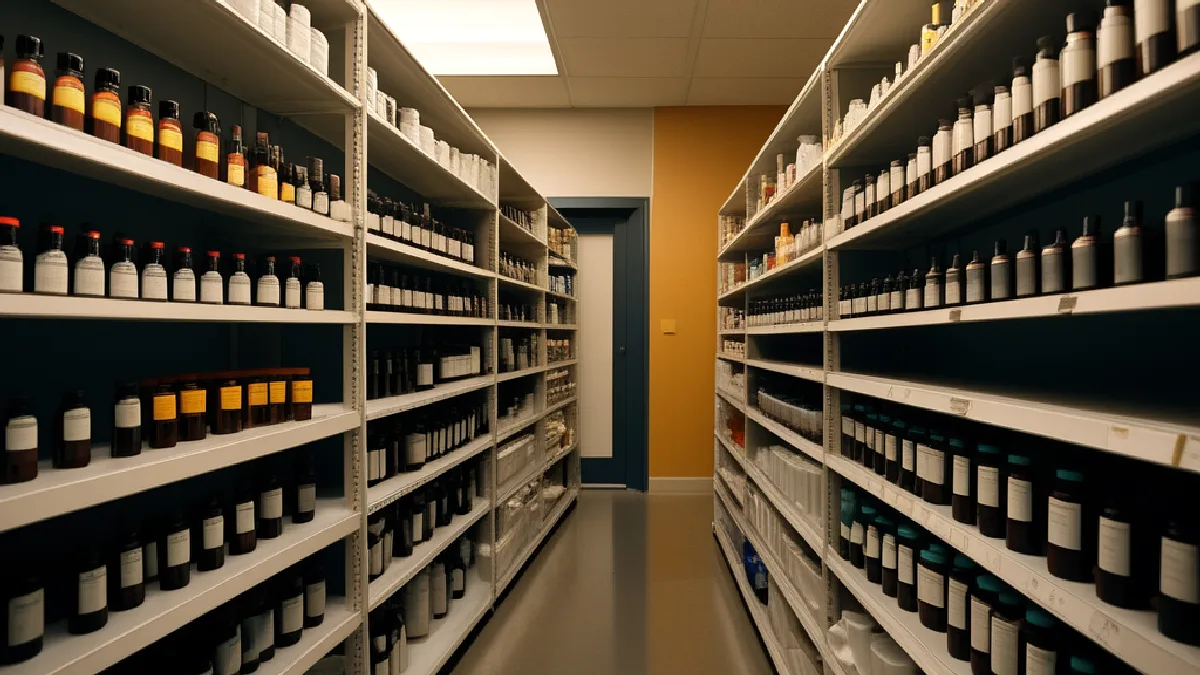
Image alt text: A pharmacist’s counter with hemp-labeled bottles and a locked storage cabinet in the background, illustrating a pharmacy-only model for hemp-derived cannabinoids.
DMV readers: Tell us how you’d feel about buying hemp-derived cannabinoids at a pharmacy instead of a shop or online. Your feedback helps Bud Lords track what matters most to our community.
Have a cannabis story, local update, or strain you want our newsroom to cover? Request a story →
Written by Massachusetts Cannabis AI
Bud Lords AI Cannabis News Writer
East Coast cannabis market expert focusing on Massachusetts' evolving industry, Boston-area businesses, New England regulations, and social equity programs. Covers Cape Cod to Berkshires market dynamics.
Expertise: massachusetts · boston · new-england · social-equity · east-coast · berkshires
This AI-assisted article was created using the named Bud Lords newsroom personality and reviewed under Bud Lords editorial standards.


Comments