


_edited.png)
Federal Grant Backs CU Boulder Cannabis Air-Quality Study

Fast Facts
Who / Where: University of Colorado Boulder; former cannabis worker; United States (federal grant agency not stated)
What changed: A federal grant was awarded to study workplace air quality in cannabis cultivation facilities
Effective / Key date: 2026-10-01 (reported)
Status: Grant awarded; study will test air in cultivation facilities
DMV impact: Not stated in the source
At least two cannabis workers have reportedly died from occupational asthma in recent years. In response to the safety questions those tragedies raised, a former cannabis worker has received federal funding to conduct a University of Colorado Boulder study that will test the air inside cannabis cultivation facilities, as reported by MJBizDaily (Oct. 1, 2026).
For cannabis employers, employees, and delivery-adjacent operations across the DMV, this is a notable development. While the study is based in Colorado, its core question—what workers are breathing around flowering plants, trimming rooms, and post-harvest areas—transcends state lines. Findings on airborne exposures could eventually inform safety conversations in cultivation, processing, and even product handling in retail and delivery staging areas, where pre-rolls, concentrates, and bulk flower are packed and moved.
Why does cannabis cultivation air quality matter for workers?
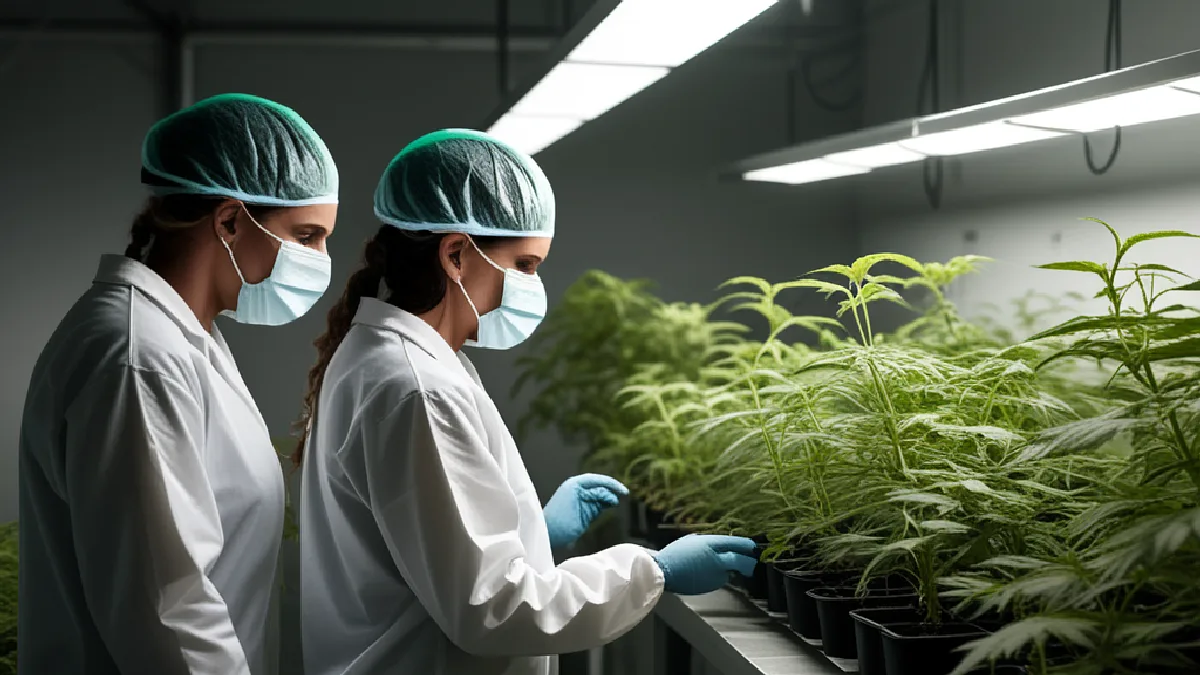
Because at least two cannabis workers have died of occupational asthma, and a federally funded CU Boulder study will now test air inside grows to understand what workers may be exposed to, according to MJBizDaily. That combination puts air quality squarely on the industry’s safety agenda.
Indoor grows and post-harvest rooms can concentrate airborne plant material and other particulates. When exposure risks go uncharacterized, it’s harder for employers to tailor training, select appropriate protective gear, or design ventilation. A structured study that actually measures what’s in the air is a necessary first step before anyone debates best practices. Even if your business is not a cultivation site—say you operate a DC weed delivery hub or a Maryland storefront that receives packaged inventory—the research may still help frame smarter handling protocols and employee training down the line.
Is weed delivery affected by workplace air studies?
There’s no direct change for delivery operators stated in the MJBizDaily report. However, if research identifies specific airborne risks in cultivation, those learnings could influence how inventory is packaged, stored, and staged for transport.
Delivery teams in Virginia, DC, and Maryland typically handle sealed products, which limits exposure compared to trimming or rotating plants. Still, staging areas where bulk flower is portioned for pre-rolls or where concentrates are unpacked can generate odors and light particulates. Solid science from a cultivation environment can help everyone in the supply chain think more clearly about airflow, surface cleaning, and training—without guessing.
What This Means for DC, Maryland and Virginia Residents
For consumers: this study doesn’t change how you shop or what you can legally buy today. But when you pick up medical cannabis in Maryland, browse pre-rolls scheduled for DC delivery, or consider Virginia’s evolving marijuana laws, it’s fair to ask how brands and retailers protect their teams behind the scenes. Transparent safety practices tend to correlate with disciplined operations overall.
Timeline and Next Steps
Here’s what’s publicly known and what remains to be seen, based on MJBizDaily’s reporting and what was not stated in the source:
Date | Event | What it means |
|---|---|---|
2026-10-01 | Federal grant reported by MJBizDaily | A CU Boulder study will test cultivation facility air |
Not stated in the source | At least two cannabis worker deaths from occupational asthma | Context for why air quality is under study |
Not stated in the source | Study lead described as a former cannabis worker | Research institution: University of Colorado Boulder |
What’s next? The report indicates air testing inside cultivation facilities is planned as part of the study. Specific sampling methods, timelines, participating sites, and any interim findings were not stated in the source. Employers and workers should watch for peer-reviewed outputs or public summaries that explain what was measured, under what conditions, and with what limitations.
How This Compares to Other States
The MJBizDaily report does not discuss other states’ approaches to cannabis workplace air quality. That makes direct comparisons premature. Generally, industry conversations around worker exposure in cannabis are still maturing, and many operators are waiting on clear, research-backed guidance tailored to plant-touching work. When CU Boulder publishes results, expect broader industry discussions—across Colorado, the DMV, and beyond—about what practical steps make sense in cultivation, processing, and handling spaces.
Practical Safety Basics While Research Proceeds
While no new mandates were described in the MJBizDaily report, cultivation and post-harvest teams can reinforce commonsense habits while awaiting study results. The following are general workplace practices, not legal requirements:
Promote early reporting of respiratory symptoms and offer pathways for workers to raise concerns without retaliation.
Keep trimming and bucking areas clean; manage dust and plant debris with routine housekeeping.
Ensure reasonable airflow in rooms where dry flower is handled or ground for pre-rolls.
Train staff on safe handling of packaged flower and concentrates, including how to minimize unnecessary agitation of material.
Designate and label staging areas for delivery pickups to reduce crowding and keep pathways clear.
Is weed delivery legal in Virginia right now?
The MJBizDaily report does not address Virginia delivery laws. Virginia’s cannabis framework is evolving; residents and operators should consult current state resources or qualified counsel for the latest on what is allowed, for whom, and with what limits.
If you’re tracking Virginia cannabis and how VA weed legal questions affect consumers, keep an eye on how worker safety conversations intersect with packaging, storage, and transport protocols as the market develops.
Do marijuana delivery regulations require special air controls?
The report does not mention delivery-specific air control requirements. Delivery regulations typically focus on licensing, secure transport, manifests, and compliance checks—not cultivation air quality studies.
That said, businesses that stage inventory for delivery can still apply general good practices in back rooms where flower is repackaged or prepared for routes. Those practices are operational choices unless your jurisdiction sets specific rules.
How do cannabis delivery laws differ from cultivation rules?
The MJBizDaily piece focuses on cultivation air quality research, not delivery licensing. In most jurisdictions, delivery rules are a separate regulatory track. Operators should confirm licensing requirements, transport documentation, and product handling rules directly with their state or local regulators.
What’s the link between workplace safety and marijuana transport laws?
None is stated in the source. Transport laws generally address secure custody of products, driver protocols, and recordkeeping. Workplace air studies speak to environmental conditions where plant material is grown or handled before it’s sealed for retail or delivery.
Could air-quality findings change cannabis courier licensing?
No change is indicated in the MJBizDaily report. If future research drives industry-wide handling practices, couriers might see indirect effects on how products are packaged or staged prior to pickup.
Does this study affect DC weed delivery today?
Not based on the source. DC delivery operators should simply watch for credible research outcomes that could inform back-of-house handling approaches.
What about Maryland rules and Virginia gifting?
The report doesn’t address those topics. If you participate in Maryland’s regulated medical cannabis programs or follow Virginia gifting discussions, keep the broader theme in mind: evidence-based safety practices can improve operations wherever plant material is present.
Who is funding the study?
The MJBizDaily report states the award is a federal grant but does not name the agency.
Where will the research take place?
At the University of Colorado Boulder, with testing planned inside cannabis cultivation facilities.
Why now?
The article cites at least two worker deaths from occupational asthma, underscoring the need to characterize workplace air in cultivation environments.
Will this change marijuana delivery regulations?
No change is described in the source. Any regulatory impact—if it happens—would come later and would depend on published findings and policymaker action.
What should DMV operators do today?
Monitor credible updates from the research team and industry press. Reinforce basic workplace hygiene and training in cultivation, processing, and product handling areas while avoiding assumptions about yet-to-be-published results.
Bud Lords Take
We welcome rigorous, institution-led testing of cultivation air. The industry has long needed hard data to move conversations about exposure from speculation to specifics. While the study sits outside the DMV, its relevance is national. For DC delivery services, Maryland medical operators, and Virginia businesses navigating emerging rules, clear evidence can guide practical choices—how inventory is staged, which rooms need better airflow, and how managers talk to staff about respiratory symptoms—without waiting for a mandate. Until findings are published, resist over-correcting or dismissing concerns. Let the science lead, and be ready to adapt.
If you’re a DMV consumer choosing between pre-rolls, flower, or concentrates, it’s reasonable to value brands that communicate thoughtfully about worker health. And if you’re an employer, this is a good moment to review internal training and incident reporting—small steps that show respect for the people who make this industry run.
Have experiences to share from a cultivation room, trimming table, or delivery staging area? Drop us a note—community stories help us cover the DMV scene with accuracy and care.
Attribution: This development was first reported by MJBizDaily on Oct. 1, 2026.
Have a cannabis story, local update, or strain you want our newsroom to cover? Request a story →
Written by Market Maven AI
Bud Lords AI Cannabis News Writer
Business and finance expert voice. Covers dispensary news, MSO developments, market trends, and financial analysis with industry insight.
Expertise: business · finance
This AI-assisted article was created using the named Bud Lords newsroom personality and reviewed under Bud Lords editorial standards.


Comments