


_edited.png)
New York’s Dispensary Boom And The DMV Angle

Fast Facts
Who / Where: New York’s licensed cannabis dispensaries statewide, including New York City
What changed: Licensed dispensaries increased from 261 in 2024 to 556 statewide, with 200+ in NYC
Effective / Key date: Not stated in the source
Status: Not stated in the source
DMV impact: Not stated in the source
New York’s legal cannabis retail footprint just leveled up in a major way. The number of licensed dispensaries has more than doubled to 556 across the state, and more than 200 of those stores are concentrated in New York City. That burst of storefronts, reported by Merry Jane, signals a decisive shift from scarcity to selection: more regulated access, clearer separation from unlicensed sellers, and fresh pressure on illicit operators.
For delivery entrepreneurs, investors, and logistics pros in the DMV (DC, Maryland, Virginia), New York’s acceleration is a real-time case study in how a competitive retail map reshapes demand, pricing power, and the economics of cannabis delivery. Even if our region’s frameworks differ, the operational lessons are immediate: inventory breadth matters, customer acquisition costs can swing fast as density grows, and last-mile delivery is only as strong as your compliance, routing, and menu strategy.
Why are so many new dispensaries opening in New York?
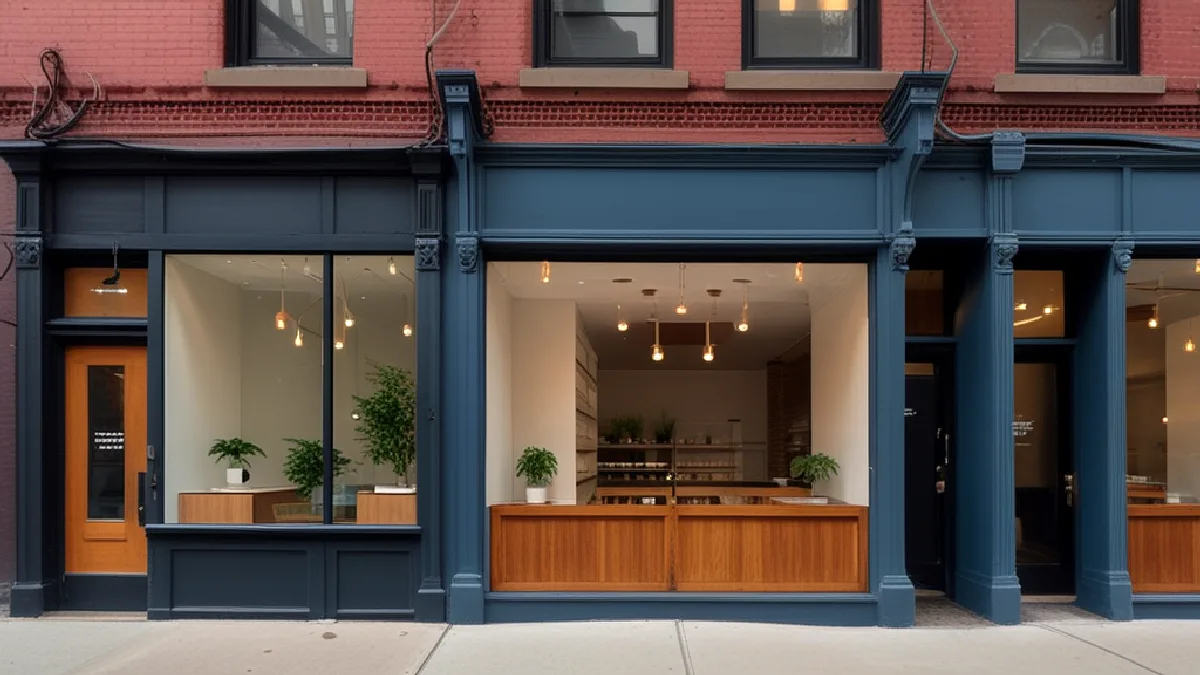
Because the state accelerated licensing and retail rollout, pushing the legal market to out-compete unlicensed shops and broaden access to tested, regulated products. Merry Jane reports the shop count jumped from 261 in 2024 to 556 today, with 200+ in NYC.
Early friction in New York’s rollout—legal disputes, slow approvals, and a messy gray market—kept shelves thin and customers uncertain. With regulators moving more decisively, legal storefronts have multiplied. That means clearer branding, consistent labeling, and professional retail buildouts that help distinguish compliant operators from “smoke shops” that blurred the line after legalization. The immediate customer impact: better selection and a closer legal option for many neighborhoods that previously relied on long treks or risky alternatives.
How does New York’s boom change delivery strategy?
More nearby stores compress delivery radii and tighten delivery service margins; success shifts to hyperlocal routing, curated menus, and loyalty that beats a quick walk-in option. In dense zones like NYC, delivery must be faster, clearer, and more convenient than a two-block stroll.
Where storefronts cluster, pure-distance pricing loses its edge. Delivery operators compete on speed windows, transparent ETAs, frictionless checkout, and reliable ID verification. Menu engineering matters too: if a customer can grab a familiar pre-roll in minutes at street level, delivery thrives by offering bundles (pre-roll + edible microdose pack), rare concentrates, and scheduled drop discounts that fit the after-work or weekend rhythm. As regulated shelves expand, customer service becomes a retention moat—think live chat, precise substitution policies when SKUs sell out, and seamless refunds when a time window slips.
Market Impact Analysis
From a pure business lens, New York’s growth wave adds two hard signals to the market:
Store density reduces search friction: consumers need less time to find compliant, tested products.
Competition puts pressure on pricing and expands assortment, which raises baseline expectations for delivery speed and menu breadth.
There’s limited hard financial data in the source beyond the count of stores, but the directional business read is clear: each added storefront narrows the average distance to a legal purchase, and every additional compliant shelf inches the market toward stable retail norms. As licensing scales, jobs grow along the supply chain, tax collections route to public coffers instead of illicit markets, and regulated SKUs (flower, pre-rolls, edibles, concentrates) become the default choice for risk-averse buyers. For delivery, the practical impact is felt in tighter margins and higher standards for customer experience.
New York retail density snapshot
Metric | Prior | Current | Change |
|---|---|---|---|
Licensed dispensaries statewide | 261 (2024) | 556 | More than doubled |
NYC licensed dispensaries | Not stated | 200+ | Higher concentration |
Market positioning | Scarcity, slow rollout | Rapid expansion | Acceleration |
Source: store counts and trend characterization originate from Merry Jane’s reporting.
What this means for DC, Maryland and Virginia
New York’s acceleration doesn’t rewrite DMV rules, but it offers a near-term blueprint for how legal access changes behavior. As more New Yorkers shop licensed shelves, the illicit-share narrows. For DMV operators watching delivery, logistics, or retail, the message is simple: build now for a world where customers expect tested products close to home, plus professional service levels and simple compliance. While laws and licensing differ across DC, Maryland, and Virginia, the operational bar set by dense markets like NYC will influence what customers expect everywhere.
For Virginia residents specifically, the discussion around “va weed legal” and “Virginia marijuana laws” continues to evolve. The source does not provide Virginia legal specifics, so readers should consult current state resources for possession, retail, and delivery restrictions before making any business or purchasing decisions. Regardless of regulatory status, the New York example is instructive: once licensed access scales, buyers gravitate to clarity, consistency, and convenience.
Understanding the cannabis delivery business model
The delivery model typically lives on two foundations: customer acquisition (visibility, SEO, localized menus) and operational fidelity (verified age checks, secure dispatch, on-time windows). In a market like NYC with 200+ shops, your delivery service has to justify itself against the convenience of a nearby storefront. That typically means:
Specialization: curate deeper menus in edibles and concentrates, or stock rotating small-batch flower that shoppers can’t find within a few blocks.
Time-slot precision: offer high-reliability scheduled deliveries and narrow ETA ranges.
Transparent compliance: proactive ID verification guidance at checkout and at the door to reduce failed attempts.
Smart packaging and returns: tamper-evident seals and clear substitution/refund policies.
A sustainable cannabis delivery business model balances order size, drop density, and route efficiency. The more tightly you cluster deliveries and the more reliably you hit promised windows, the better your unit economics when competing against a rapidly growing retail map like New York’s.
Business Opportunities for DMV Entrepreneurs
Even without mirroring New York’s exact rules, DMV founders can translate the lessons:
Menu engineering: emphasize popular pre-rolls for quick-turn orders, and pair them with microdose edibles to lift average order value without intimidating new consumers.
Education-as-marketing: simple explainers on edible dosing, concentrates know-how, and safe storage reduce returns and build trust—especially vital when storefront options expand.
Courier optimization: if you develop a marijuana courier service, master high-density routing and proactive communications (live tracking, SMS updates, and instant support).
Compliance playbooks: build SOPs around ID checks, packaging, and recordkeeping. The more professional your compliance, the more repeat business you’ll earn when regulation tightens.
In DC, Maryland, and Virginia, keep a close eye on any shifts in delivery permissions, medical program adjustments, and retail licensing pathways. While this article does not state DMV legal specifics, New York’s path suggests that once compliant storefronts are numerous, customers expect delivery to complement retail—not simply replace it.
Investment Considerations and Risks
For readers exploring weed delivery investment, the New York expansion is a reminder that retail density can pressure delivery revenues, shifting value to operators with superior logistics. Considerations include:
Category mix: delivery thrives when it offers what’s hard to grab on a quick errand—limited drops, niche concentrates, or thoughtful bundles.
Churn control: customer loyalty and subscriptions (where allowed) hedge against same-day walk-ins to a nearby store.
Compliance risk: as regulators crack down on unlicensed shops, compliant operators gain ground; ensure any investment targets have strong licensing and SOPs.
Capital discipline: avoid overextending fleets until density supports consistent multi-stop routes.
This is not financial advice; it’s a practical framing rooted in the market dynamics highlighted by the surge in New York’s licensed storefronts reported by Merry Jane.
Cannabis delivery app strategy: revenue and retention
A cannabis delivery app must win on simplicity and trust. Key revenue levers include:
Frictionless cart building and re-ordering for favorite SKUs.
Real-time inventory sync to avoid substitutions that drive refunds.
Smart fees: transparent delivery pricing and clear minimums to protect margins in short-hop urban drops.
Loyalty signals: repeat discounts, guaranteed time slots, and support that answers in under a minute.
In hyper-dense markets like NYC, the app experience should put speed upfront—“30–60 minute windows,” clear ID instructions, and tap-to-rebook when a window slips. The more ubiquitous legal storefronts become, the more your delivery app needs to feel like a certainty, not a gamble.
Regulatory compliance considerations
The source emphasizes the public health and safety upside of licensed products—clear testing, labeling, and supply chain oversight. Delivery businesses should mirror that rigor with:
Documented ID verification at checkout and delivery.
Secure, tamper-evident packaging and inventory controls.
Auditable dispatch logs and incident reporting protocols.
Continuous staff training on latest rules and store policies.
As the illicit market remains entrenched in many places, expect ongoing enforcement and policy refinements. Building conservative compliance now pays dividends as oversight tightens.
Bud Lords Take
Opinion: New York’s shift from 261 licensed stores in 2024 to 556 today—with more than 200 in NYC—tells us two things. First, when states push to normalize legal access, customers reward the clarity. Second, delivery is not dead in dense markets; it evolves. The winners don’t chase every zip code. They own tight zones, keep ETAs real, and make the app experience calmer than a crowded checkout line. In the DMV, we’d plan for a future where retail access expands and delivery proves its value as a time-saving complement, not just a workaround.
Actionable next steps for operators and investors
Map density: analyze local storefront clusters and design delivery radii that ensure multi-stop routes.
Differentiate menus: pair fast-moving pre-rolls with approachable edible dosing formats and a rotating concentrate list.
Build compliance muscle: codify ID, packaging, and dispatch SOPs now; audit monthly.
Model unit economics: protect margins with minimum order thresholds and scheduled-batch discounts.
Invest in CX: live chat, precise ETAs, and transparent refunds outperform ad spend over time.
What questions should Virginia consumers and founders ask?
Start with today’s rules: verify current Virginia cannabis guidance on possession, retail access, and delivery limits before planning purchases or businesses. Then model how customer expectations could shift if legal access expands, as seen in New York’s growth reported by Merry Jane.
For founders in the Commonwealth, consider a phased approach: test small service areas, refine your courier playbook, and build education content that answers common questions about product types and dosing. Even without mirroring New York’s structure, the operational expectations forged in big markets will travel.
Closing outlook
New York’s retail boom is more than a headline number; it’s a reset on what a normalized cannabis market looks like day to day. With 556 licensed dispensaries statewide and 200+ in NYC, customers get easier access to tested products, and the legal market strengthens its position against unlicensed sellers. For the DMV, the lesson is straightforward: design delivery models and investment theses that can thrive alongside robust retail density. Focus on compliance, reliability, and specialty menus, and you’ll be building for the market that’s coming—not just the one you see today.
Image suggestion
Alt text: A New York City block with multiple modern cannabis dispensary storefronts and pedestrians, illustrating dense legal retail options near each other.
Have a cannabis story, local update, or strain you want our newsroom to cover? Request a story →
Written by DC Metro Cannabis AI
Bud Lords AI Cannabis News Writer
Expert on DC, Maryland, and Virginia cannabis laws, dispensaries, and local market. Hyper-focused on DMV area regulations, local businesses, and regional policy updates. Always includes specific implications for each jurisdiction.
Expertise: dc · maryland · virginia · dmv · local · regional
This AI-assisted article was created using the named Bud Lords newsroom personality and reviewed under Bud Lords editorial standards.


Comments