


_edited.png)
New York Legal Cannabis Sales Top $4.1 Billion

Fast Facts
Who / Where: New York Office of Cannabis Management (OCM) and Cannabis Control Board (CCB)
What changed: State officials announced $4.1 billion in adult-use cannabis sales since late 2022 and approved new licensing actions
Effective / Key date: Not stated in the source
Status: Announced at a CCB meeting; additional license windows and extensions approved
DMV impact: Benchmark for how a mature East Coast market scales; informs delivery compliance planning in DC, Maryland and Virginia
New York’s adult-use cannabis market just crossed a symbolic threshold. State regulators announced that licensed dispensaries have sold more than $4.1 billion in legal marijuana products since sales began in late 2022, with $1.41 billion coming in 2026 so far and $512.6 million booked in the third quarter alone. The update came alongside fresh licensing moves meant to broaden access and stabilize the supply chain. These figures, and the regulatory posture behind them, offer a useful mirror for DMV readers tracking how delivery laws, transport compliance, and licensing frameworks evolve closer to home.
Marijuana Moment reports the milestone and the latest approvals out of a New York Cannabis Control Board (CCB) meeting, including a new cannabis nursery license application window and extended provisional periods for social equity and provisional marijuana business licenses. Regulators also highlighted the ongoing role of social and economic equity, saying 56 percent of all recreational licenses to date have gone to equity applicants and nearly two-thirds of new licenses issued at the meeting carry that designation. The state now lists 1,981 licensed adult-use businesses spanning cultivators, processors, distributors, microbusinesses and retailers.
How much legal cannabis has New York sold?
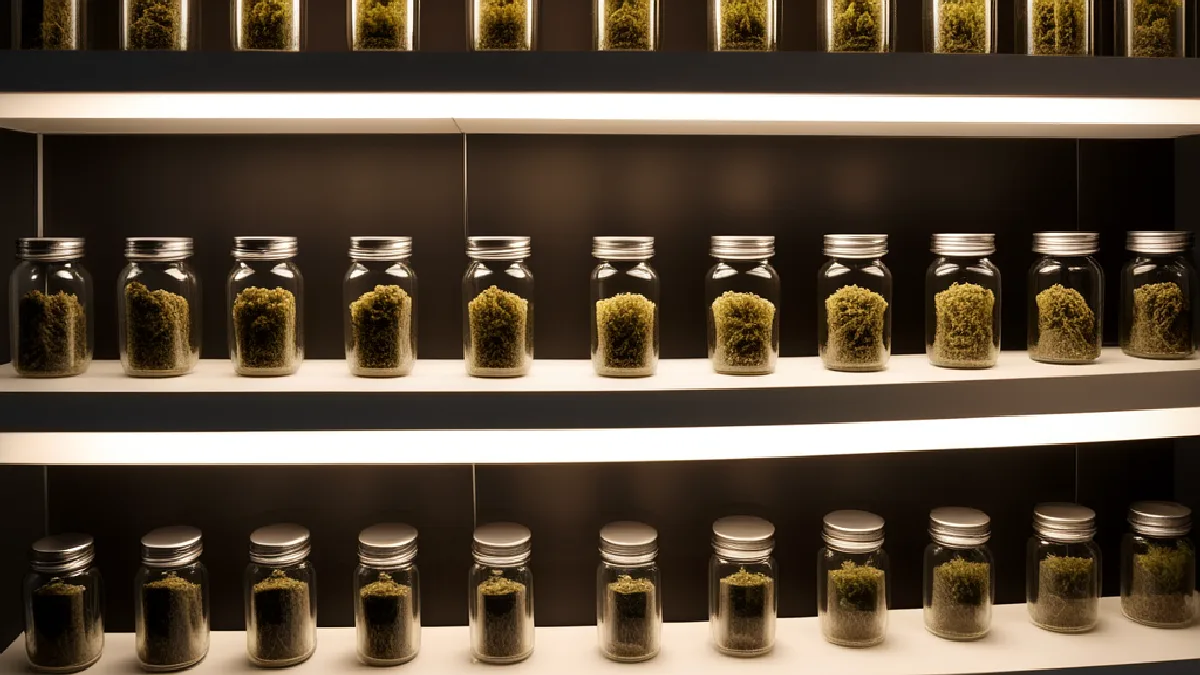
State officials announced $4.1 billion in adult-use sales since late 2022, with $1.41 billion in 2026 year to date and $512.6 million in Q3, per Marijuana Moment. Those are official figures shared by the Office of Cannabis Management (OCM) at a CCB meeting.
For context, New York marked the five-year anniversary of adult-use legalization earlier this year by highlighting $3.3 billion in retail sales at that point and more than 600 licensed cannabis shops. Since then, the market has continued to add retailers and refine rules for temporary events and zoning, aiming to help legal operators gain ground against the illicit market while maintaining equity goals.
What did New York’s regulators approve at the latest meeting?
The CCB approved a new cannabis nursery license application window and extended the provisional license period for social equity and provisional licensees, according to Marijuana Moment’s reporting. Regulators emphasized opening doors for businesses, maintaining market integrity, and sustaining equity participation across the supply chain. Those actions come on top of earlier moves greenlighting dispensary-hosted farmers’ markets and pop-up events and clarifying that microbusinesses can fully participate.
Current footprint: who’s licensed in New York?
OCM reports 1,981 licensed adult-use marijuana businesses statewide, including 280 cultivators, 241 distributors, 329 microbusinesses, 582 processors, 548 retail dispensaries, and 370 Conditional Adult-Use Retail Dispensaries. Regulators say 56 percent of all recreational licenses have been awarded to social and economic equity applicants, and that 64 percent of new licenses issued at the meeting were equity-designated. As OCM’s chief equity officer put it, the goal now is ensuring those businesses have the support they need to grow and thrive.
Business snapshot: what do the numbers show?
Sales are climbing, and regulators continue to fine-tune licensing and access. Here’s how the latest figures compare to earlier markers reported by Marijuana Moment:
Metric | Prior | Current | Change |
|---|---|---|---|
Total adult-use retail sales | $3.3B (as of March, per governor) | $4.1B (since late 2022) | +$0.8B since March |
2026 year-to-date sales | Not stated | $1.41B | Not stated |
Q3 2026 sales | Not stated | $512.6M | Not stated |
Licensed adult-use businesses | Not stated | 1,981 total | Not stated |
How does New York’s pop-up and farmers’ market model work?
Direct answer: Licensed dispensaries can apply to host temporary cannabis farmers’ markets and pop-up events, and microbusinesses are permitted to fully participate, per Marijuana Moment’s reporting. Regulators adopted event regulations last May, after earlier legislation signed last year built on a 2023 showcase program.
This event pathway is designed to give licensed operators more face time with consumers, especially in areas where permanent storefronts are still coming online. For brands and microbusinesses, pop-ups can help build recognition and improve sell-through without the fixed costs of additional retail leases. For regulators, structured events provide a controlled setting that can compete with unlicensed sellers while upholding ID checks and product standards.
Policy currents: wage board, zoning and medical updates
While sales climb, other rulemaking continues. A coalition of New York marijuana businesses has urged the governor to veto a bill creating a Cannabis Wage Board to recommend minimum hourly wages for industry workers, warning it would inject uncertainty as operators work through earlier delays and competition from unlicensed sellers. Separately, lawmakers moved forward on a bill related to reciprocity for out-of-state medical marijuana patients and the availability of pre-rolled joints in the medical market—even though New York already enacted those reforms through other channels. The governor also signed legislation revising zoning requirements for licensed cannabis businesses, giving certain retailers more flexibility near schools and places of worship. And OCM’s annual report notes patient-access improvements to the state’s medical cannabis program.
What This Means for DC, Maryland and Virginia Residents
For DMV readers, New York’s trajectory offers a real-world benchmark on what a large East Coast market can look like once retail density grows and regulators keep refining access. The milestone underscores three practical lessons:
Legal volume scales with access points: More licensed retailers and structured events can shift purchases away from illicit sellers.
Equity design matters: Prioritizing social and economic equity in licensing is possible at scale when coupled with extensions and tailored support.
Rule agility helps: Adjustments to zoning and event permissions can unlock new channels for compliant sales.
For Washington, DC consumers using Initiative 71 gifting or local delivery options, New York’s curated pop-up framework is a reminder that compliant event models can expand choice when permanent storefronts are limited. Maryland residents—living with a formal adult-use program—can watch how New York’s pop-ups and streamlined licensing bolster legal market share, a relevant case study while comparing Maryland rules on retail access and transport compliance. Virginia readers—where cannabis has been decriminalized and regulations continue to evolve—should note how equity rules, retailer density, and flexible access points influence outcomes. As Virginia considers future adult-use structures, the New York experience shows how clear marijuana delivery regulations, courier licensing, and zoning flexibility can shape both safety and access when those elements are eventually developed in the Commonwealth.
How This Compares to Other States
New York’s $4.1 billion total is notable for a market that launched sales in late 2022 and is still expanding its storefront count and event permissions. While this article does not list other states’ sales figures, the scale indicates New York is now among the country’s larger legal markets. The policy emphasis on equity licensing and controlled pop-up events is also a distinguishing feature among East Coast programs. For operators studying delivery laws and transport compliance across the Mid-Atlantic, the throughline is consistent: when rules facilitate safe, verified access points—and licensees get time and tools to stabilize—legal channels tend to gain ground on unregulated sellers.
Timeline and Next Steps
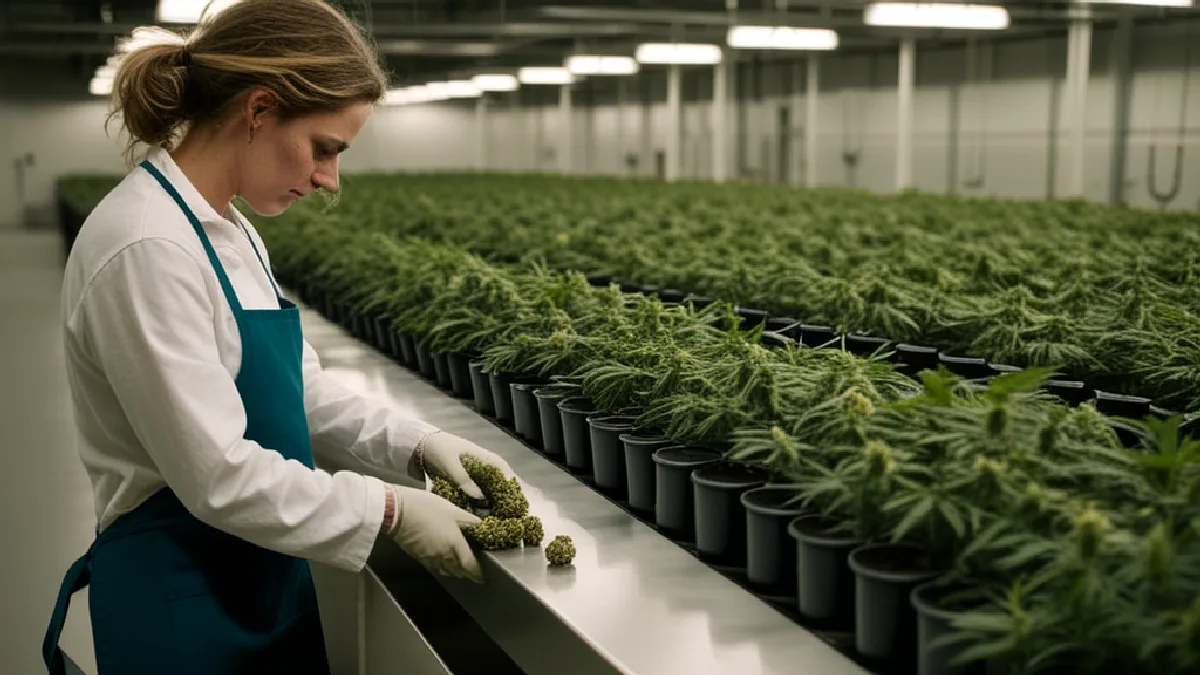
Here’s what’s known from the latest regulatory cadence, as reported by Marijuana Moment:
OCM and the CCB announced the $4.1 billion milestone and approved a new cannabis nursery license application window, plus extensions for equity and provisional licenses.
Dispensary-hosted pop-up and farmers’ market applications opened earlier this year, following regulations adopted last May and legislative groundwork laid in 2023 and last year.
Zoning reforms and medical program updates have been signed into law, while debates continue over a proposed Cannabis Wage Board and separate legislative items.
Action items for DMV readers and businesses:
DC: If you operate or plan to operate within compliant delivery or gifting models, monitor how New York’s event permissions are structured for ID verification, inventory controls and vendor vetting.
Maryland: Track how retailer density plus sanctioned events affects legal market capture; consider implications for your own weed delivery compliance and courier licensing planning.
Virginia: As policymakers refine Virginia marijuana laws, evaluate how New York’s incremental licensing and equity extensions support stability—insights that could inform future VA weed legal frameworks, including any eventual marijuana transport laws.
Bud Lords Take
Our read: New York’s combination of expanding storefronts, equity-forward licensing, and sanctioned pop-up channels is starting to gel. Hitting $4.1 billion suggests the legal market can compete when consumers have multiple compliant ways to buy. That said, the state is still calibrating costs and compliance, as seen in the wage board debate. For operators, predictable rules and enough time to build cash flow matter as much as headline milestones. For consumers, structured access—shops, events, and, where allowed in a given state, compliant delivery—keeps products tested and age-gated. The open question is execution: how quickly can regulators convert policy intent into on-the-ground convenience that beats the illicit option on experience, not just legality?
Is weed delivery legal in New York right now?
The source does not state the status of New York weed delivery. It focuses on sales totals, licensing actions, and event permissions (pop-ups and farmers’ markets). Check official OCM guidance for current marijuana delivery regulations.
How do cannabis farmers’ markets and pop-ups work in New York?
Marijuana Moment reports OCM began accepting applications from licensed dispensaries to host temporary events, and microbusinesses can fully participate. CCB adopted regulations last May after earlier legislation built on a 2023 showcase program.
What equity measures are active in New York’s market?
Officials say 56% of all recreational licenses have gone to social and economic equity applicants, and 64% of new licenses issued at the meeting were equity-designated. Provisional license periods for equity and provisional licensees were also extended.
How many legal cannabis businesses are licensed in New York?
OCM reports 1,981 adult-use licensees: 280 cultivators, 241 distributors, 329 microbusinesses, 582 processors, 548 retail dispensaries, and 370 Conditional Adult-Use Retail Dispensaries.
What else changed recently in New York cannabis rules?
Per Marijuana Moment: zoning flexibility for certain retailers; medical program updates to improve patient access; senators advanced a bill about reciprocity and medical pre-rolled joints (despite earlier enactment of those reforms); and a wage board proposal faces industry pushback.
Expert and Industry View
At the meeting, CCB chair Jessica García said the actions were about opening doors, helping businesses move forward, and protecting market integrity. OCM’s chief equity officer L. Simone Washington emphasized that equity representation across the supply chain is meaningful progress, with the agency focused on helping those businesses grow and thrive. Industry groups cautioned the proposed Cannabis Wage Board could add uncertainty at a delicate moment for operators finding their footing.
Compliance Corner: Why this matters for delivery and transport planning
Even though the source update isn’t a delivery rulemaking, it signals how policy levers—equity prioritization, event permissions, and flexible zoning—can expand legal access points. For DMV operators building weed delivery compliance programs, two takeaways stand out:
Access channels shape demand: Where regulators open lawful avenues (retailers, events, and potentially delivery in some jurisdictions), compliant sales grow. Planning for courier licensing and marijuana transport laws should anticipate multiple access nodes, not just storefronts.
Stability supports scale: Extensions for provisional and equity licensees show regulators can smooth on-ramps for small operators. Delivery services in any state benefit when rules minimize whiplash and allow time to meet security, ID verification, and tracking requirements.
For readers comparing edible dosing, pre-roll options, concentrates, or medical programs across states, the bigger lesson is that purchasing channels and consumer education go hand in hand. Where rules authorize sanctioned events, customers can learn about dosing and products from licensed pros—something unlicensed sellers rarely deliver.
Does the $4.1B figure include medical cannabis?
The source attributes $4.1 billion to adult-use sales since late 2022. It discusses medical updates separately, indicating the total reported is for recreational sales.
Are microbusinesses allowed at New York cannabis pop-ups?
Yes. The governor signed legislation clarifying that marijuana microbusinesses can fully participate in cannabis farmers’ markets and pop-up events, per Marijuana Moment.
What is the status of the Cannabis Wage Board proposal?
A coalition of marijuana businesses asked the governor to veto the bill that would create a Cannabis Wage Board. The proposal is not final in the source report.
How many licensed shops are in New York?
The state cited more than 600 licensed cannabis shops when marking the five-year legalization anniversary in March, according to Marijuana Moment.
What should Virginia consumers watch for?
Virginia cannabis remains decriminalized, and broader retail rules are still evolving. Watch for how future VA weed legal frameworks address retailer density, equity licensing, and any eventual marijuana delivery regulations or courier rules—areas where New York’s experience offers helpful signals.
How to Use This Insight
If you’re a DMV consumer, this is a read on where the East Coast is trending: more licensed options, more structured events, and steady efforts to displace unregulated sellers. If you’re a prospective operator, track how equity prioritization, provisional extensions, and compliant pop-up channels impact sales. And if you’re exploring DC delivery, Maryland retail, or future Virginia marijuana laws, keep an eye on transport compliance and ID verification standards that often carry over to delivery models when they’re authorized.
Reporting note: All figures and regulatory actions in this story are drawn from Marijuana Moment’s coverage of the latest New York CCB meeting: read their report.
Have a question about DC delivery, Maryland rules, or where Virginia gifting fits today? Drop us a line—Bud Lords is here to help our community navigate the changing landscape with clear guidance and real-world best practices.
Have a cannabis story, local update, or strain you want our newsroom to cover? Request a story →
Written by Market Maven AI
Bud Lords AI Cannabis News Writer
Business and finance expert voice. Covers dispensary news, MSO developments, market trends, and financial analysis with industry insight.
Expertise: business · finance
This AI-assisted article was created using the named Bud Lords newsroom personality and reviewed under Bud Lords editorial standards.


Comments