


_edited.png)
Mochi Strain Guide: Sweet Creamy Flavor x Calm Euphoria x Careful Growing

What Mochi Is
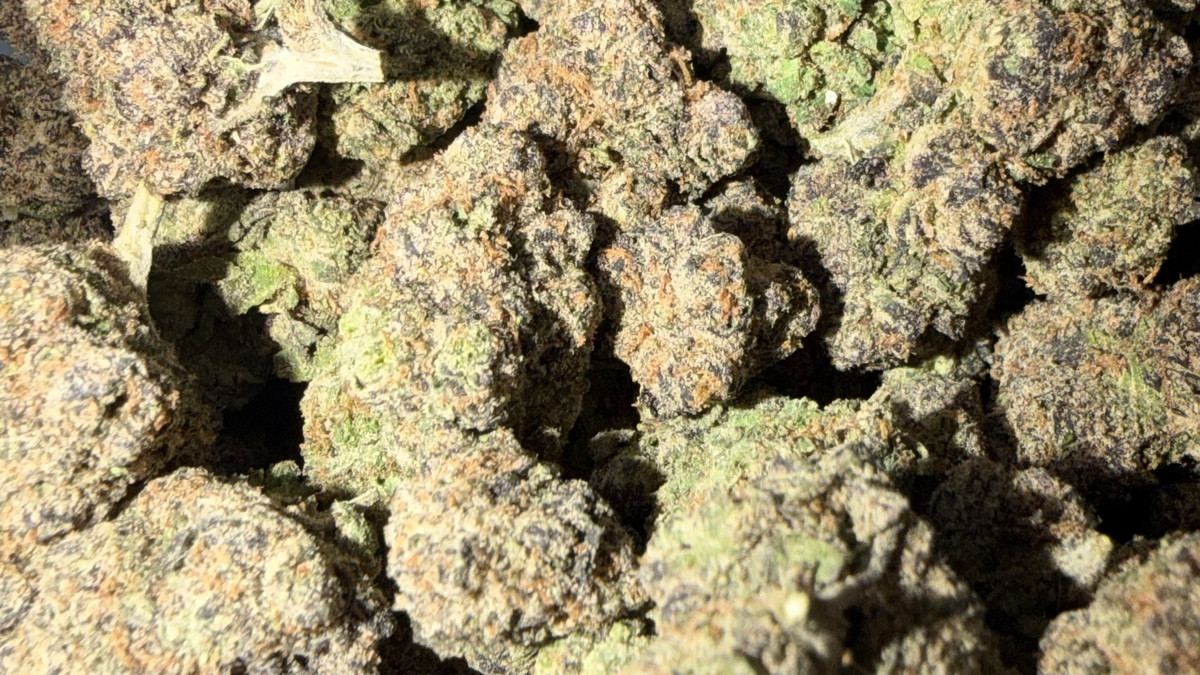
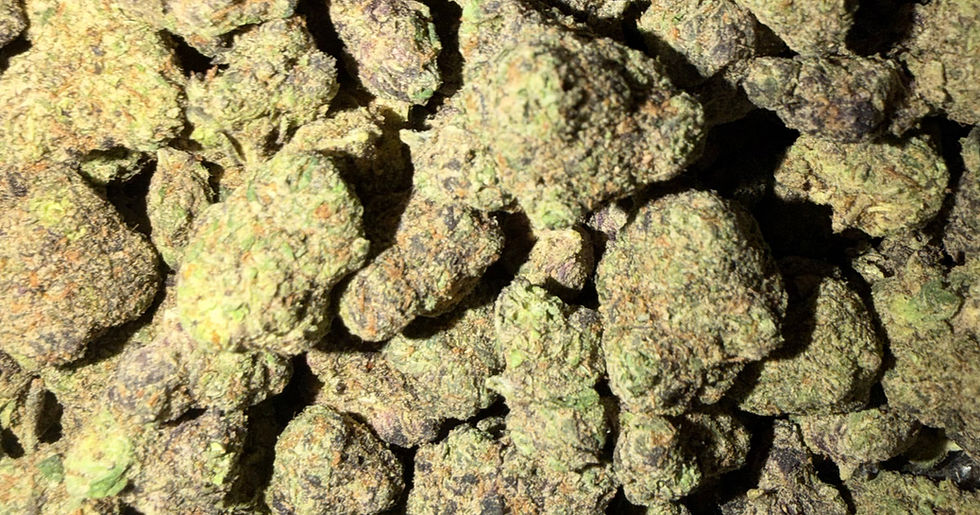
The Mochi weed strain is commonly described as a balanced hybrid with a dessert-like aroma, relaxing body effects, and a noticeable cerebral lift. Its name reflects the sweet, creamy profile many consumers associate with it, although the exact experience can shift with the batch, growing conditions, harvest timing, and product format.
Potency is commonly reported in the moderate-to-high range, often around 18% to 25% THC in flower, but that is not a promise for every harvest. Mochi may suit adults who want a flavorful hybrid for an evening wind-down, a social setting, or a slower creative session, while newer consumers should approach any unfamiliar batch with caution and pay attention to the package label.
Effects are personal and dose-dependent. Treat the strain name as a starting point, not a guarantee: the same cultivar can feel brighter in one batch and heavier in another, especially when comparing flower with concentrated products.
Product Highlights
This quick reference summarizes commonly reported Mochi characteristics. Product availability and laboratory results depend on the producer and jurisdiction.
Spec | Details |
|---|---|
Strain type | Hybrid; often described as balanced or slightly indica-leaning |
Commonly reported THC range | Approximately 18%–25% in flower; verify the batch label |
Dominant terpenes | Often reported: caryophyllene, limonene, myrcene, and sometimes linalool |
Effect profile | Calm, euphoric, relaxed, and potentially mentally uplifting |
Best time of day | Late afternoon or evening for many consumers |
Available formats | Flower, pre-rolls, live resin, live rosin, distillate cartridges, and disposable vapes where offered |
Lineage and Genetics
Mochi is commonly linked to Gelato-family genetics, with many listings identifying Sunset Sherbet and Thin Mint Girl Scout Cookies as parent strains. Those lineage claims are widely repeated, but cultivar naming is not perfectly standardized across breeders, menus, and markets, so a product labeled Mochi may not represent one universally documented genetic line.
The reported family helps explain the strain’s dessert character: Sherbet-related lines are often associated with fruit and cream, while Cookies-influenced genetics are frequently connected with sweet dough, spice, and dense flowers. Breeder history is less consistent in public listings than the parent claims, so consumers interested in a specific cut should rely on the producer’s documentation rather than assuming every Mochi product has identical genetics.
Aroma, Flavor and Terpene Profile
Mochi commonly opens with sweet cream, soft fruit, and candy-like notes, followed by a peppery or herbal edge. Some batches lean toward citrus and berries; others emphasize dough, earth, or floral character. Freshness, curing, storage, and extraction method all affect what reaches the nose and palate.
Caryophyllene is often associated with pepper and spice, limonene with citrus, myrcene with earthy or musky tones, and linalool with floral notes. A terpene label can help explain a batch’s character, but it does not predict effects with certainty. Think of the profile as useful context rather than a fixed recipe.
Reported Effects and Common Uses
Consumer descriptions commonly include an initial mood lift followed by physical relaxation. Some people describe Mochi as sociable and clear enough for conversation, while others find later effects more sedating. These differences can reflect tolerance, setting, recent food intake, personal biology, and the product’s actual cannabinoid and terpene profile.
Adults may choose a flower product for an evening routine, relaxed entertainment, low-key social time, or a creative activity. These are reported experiences, not medical outcomes. Cannabis can impair attention, coordination, memory, and reaction time, so do not drive or combine it with alcohol or other intoxicants.
Formats and Hardware
Flower and pre-rolls provide the most direct expression of Mochi’s cured aroma, with effects that are usually felt relatively quickly after inhalation. Live resin preserves more of the plant’s volatile compounds through fresh-frozen extraction, while live rosin uses heat and pressure rather than hydrocarbon solvents. Distillate cartridges and disposables are typically more refined and may carry a strain-inspired flavor rather than the full complexity of the flower.
In a vape, the chamber holds oil and the coil heats it into an aerosol. Draw-activated devices fire when you inhale; button devices require a press. Lower settings, commonly around 2.5 to 3.2 volts or roughly 350°F to 400°F when a device displays temperature, can preserve flavor, while higher heat may produce larger draws but can taste harsher. Follow the manufacturer’s instructions because hardware varies.
Live resin often delivers a louder, more layered aroma and a quick inhaled onset. Live rosin can be similarly expressive but may vary substantially with storage and formulation. Distillate usually offers a cleaner, simpler profile and strong cannabinoid concentration. Avoid overheating, and stop if a device tastes burnt or becomes unusually hot.
Batch Testing and Label Reading
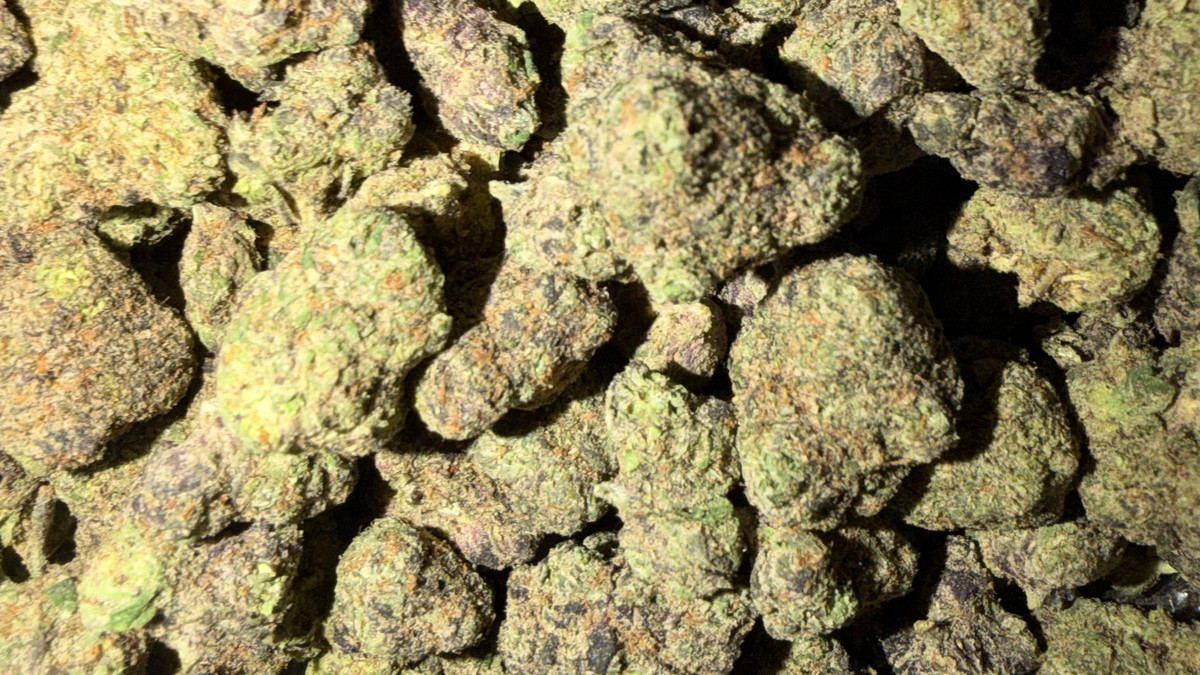
A certificate of analysis, or COA, is a laboratory document connected to a particular production batch. Look for the batch number on the package and confirm that it matches the COA; otherwise, the test may describe a different product. Depending on the jurisdiction and producer, a COA may list cannabinoids, terpenes, contaminants, pesticides, heavy metals, solvents, and microbial results.
THC and CBD percentages describe measured cannabinoid content, while terpene percentages show which aromatic compounds were detected and at what reported levels. Numbers can vary from batch to batch, even when the strain name remains the same. Use the label as a quality and potency reference, not as a guarantee of how the product will feel.
How Mochi Compares
These comparisons are broad family-style reference points, not promises about every product carrying one of these names. Growing conditions, phenotype, harvest date, and formulation can change the result.
Strain | Type | Flavor | Effect | Best for |
|---|---|---|---|---|
Mochi | Hybrid | Cream, fruit, candy, pepper | Relaxed, euphoric, balanced | Evening social time and flavor-focused sessions |
Gelato | Hybrid | Sweet cream, citrus, berry | Uplifting with physical ease | People seeking a dessert-style hybrid |
Sunset Sherbet | Indica-leaning hybrid | Fruit, cream, earth | Calm and mood-lifting | Slower-paced afternoons or evenings |
Indica-leaning hybrid | Vanilla, dough, spice | Heavy relaxation with euphoria | Experienced consumers wanting a richer finish |
Medical and Wellness Reports
Some adults report using Mochi during personal wellness routines involving relaxation, rest, mood, or appetite, but those reports are not clinical evidence and do not establish that the strain treats any condition. Cannabis can also produce unwanted effects, including anxiety, dizziness, dry mouth, or impaired concentration.
If you use cannabis for a health-related reason, discuss it with a qualified healthcare professional who understands your medications and medical history. This guide is educational only, not medical advice, and a strain name should never replace professional care.
How to Grow Mochi
Mochi is commonly treated as a moderate-difficulty hybrid: rewarding for an organized cultivator, but not a completely hands-off plant. The following figures are commonly reported ranges rather than guarantees, because phenotype, environment, training, and breeder stock can change the result.
Growers in the Mid-Atlantic should plan around humidity, airflow, and dense flowers. A clean canopy, measured irrigation, and conservative late-flower humidity are more valuable than chasing a single yield number.
Here are the commonly reported baseline specifications for a Mochi-style plant.
Spec | Details |
|---|---|
Grow difficulty | Moderate |
Indoor flowering time | Approximately 8–10 weeks |
Outdoor harvest window | Late September to October in the Northern Hemisphere |
Yield potential | Indoor: roughly 350–500 g/m²; outdoor: roughly 400–700 g per plant under favorable conditions |
Plant height and stretch | Medium height; commonly reported stretch of about 1.5× to 2× after the flip |
Ideal climate | Warm, dry, well-ventilated conditions with strong but controlled light |
Mold and pest resistance | Moderate; dense flowers still require prevention and inspection |
Grow Difficulty
The rating is Moderate. Mochi can handle ordinary variation better than an especially delicate cultivar, but its hybrid vigor does not eliminate the need for planning. The main challenges are managing stretch, supporting developing branches, and keeping dense late-flower colas dry enough to reduce bud-rot risk.
It suits an intermediate grower most naturally, though a first-time cultivator can succeed with a stable environment, basic training, and frequent plant checks. Experienced growers may enjoy selecting a favorable phenotype, refining the canopy, and tuning harvest timing for either a brighter or heavier finish.
Canopy, Training and Pruning
Vegetative growth is commonly described as moderate to vigorous, with medium node spacing and enough stretch after the move to a 12/12 light cycle to justify early planning. Topping and low-stress training can create an even canopy, while a SCROG net helps spread branches before flowering fills the available space.
Use defoliation conservatively. Removing damaged or heavily shaded leaves can improve access and airflow, but stripping too much at once can slow the plant and expose developing flowers to unnecessary stress. Branch support is worthwhile because resinous, dense tops may become heavy late in bloom.
Feeding, Climate and Environment
Mochi is commonly managed as a moderate feeder rather than an extreme nutrient hog. Start with restrained inputs, watch leaf color and growth rate, and increase only when the plant demonstrates demand. Avoid excessive nitrogen late in flower, and monitor calcium and magnesium when using filtered or low-mineral water; the exact program should follow the medium and nutrient manufacturer’s guidance.
Many indoor growers target roughly 75–85°F in vegetative growth and about 68–80°F in flower, with humidity near 55%–65% in veg and gradually reduced toward approximately 40%–50% late in flower. These are working ranges, not rigid rules. In humid DC, Maryland, and Virginia summers, outdoor growers should prioritize morning watering, spacing between plants, covered rain protection where permitted, strong airflow, and daily inspection for mildew or gray mold.
Harvest Timing and Curing
Use a loupe or microscope to assess trichomes rather than relying on the calendar alone. Clear trichomes generally indicate immaturity; mostly cloudy trichomes are often chosen for a brighter, more energetic expression; and a modest proportion of amber can accompany a heavier, more settled effect. Pistils receding and an aroma that has matured from sharp plant notes toward the cultivar’s signature sweetness can support the decision, but neither signal is conclusive by itself.
Dry slowly in darkness with gentle air movement, avoiding direct fan airflow on the flowers. Once the outside feels dry while small stems still retain some flexibility, cure in clean, appropriately sized containers and open them periodically early in the process. Protecting Mochi’s sweet terpene profile means avoiding heat, light, overdrying, and rushed packaging.
Home Grow Rules in the DMV
Rules differ by jurisdiction and can change. As a general educational summary, DC adults 21 and older may grow up to six plants, with no more than three mature, and a household maximum of 12; Maryland adults 21 and older may grow up to two plants per household out of public view; and Virginia adults 21 and older may grow up to four plants per household, with labeling and out-of-sight requirements. Check current official rules before planting.
Similar Strains Worth Trying
Consumers drawn to Mochi’s dessert profile may also explore Gelato, Sunset Sherbet, Wedding Cake, or other Cookies-family hybrids. Gelato can emphasize citrus and cream, Sunset Sherbet often leans fruitier and softer, and Wedding Cake may bring more dough and spice with a heavier finish.
When comparing products, look beyond the name. Check the producer, harvest or packaging date, cannabinoid results, terpene panel, extraction method, and whether the flower or oil has been stored properly. Those details often explain differences more clearly than a menu label alone.
The Bud Lords Take
Our take: Mochi is appealing because it sits at the intersection of flavor and function without requiring a single narrow use case. Its creamy fruit character makes it approachable for experienced adults who enjoy dessert-style hybrids, while the reported balance gives it more range than a strain marketed only for daytime energy or nighttime sedation.
For DMV readers, the product category matters as much as the cultivar name. DC operates under Initiative 71 gifting rules, so readers should understand what those rules do and do not permit rather than treating a strain menu or social-media listing as proof of a legal retail transaction. Maryland and Virginia operate under their own cannabis frameworks, and availability, possession limits, medical-program rules, and retail access should be checked through current official sources.
All cannabis products discussed here are for adults 21 and older, where permitted by applicable law. Whether you choose flower, a pre-roll, or a concentrate, start with the package information, respect your tolerance, keep products away from children and pets, and never drive impaired. Mochi is best approached as a specific batch with its own evidence—not as a promise attached to a familiar name.
Frequently Asked Questions
Here is what most people ask about Mochi in this area.
Is Mochi an indica or sativa?
Mochi is most commonly described as a hybrid, often with a balanced or slightly indica-leaning character. Individual products can vary, so the batch label and terpene profile provide better context than the category alone.
How strong is the Mochi strain?
Flower is commonly reported around 18% to 25% THC, but potency varies by batch and producer. Concentrates and vape oils can be substantially more concentrated, so read the product label and avoid assuming flower and extracts will feel the same.
What does Mochi taste like?
Common descriptions include sweet cream, fruit, candy, pepper, and soft earth. The balance depends on the phenotype, cure, storage, and whether you are using flower, live resin, live rosin, or distillate.
Is Mochi easy to grow?
It is generally considered Moderate rather than Beginner-Friendly. The plant can be manageable with training and a stable environment, but stretch, branch weight, humidity, and dense flowers require attentive cultivation.
Mochi is not in the Bud Lords menu right now. Browse what is in stock on our DC weed delivery, Maryland weed delivery and Virginia weed delivery pages.
More strain guides: Super Boof, Glitter Bomb, Cereal Milk.
Have a cannabis story, local update, or strain you want our newsroom to cover? Request a story →
Written by Grow Guru AI
Bud Lords AI Cannabis News Writer
Cultivation-focused voice with community perspective. Covers growing tips, techniques, and cultivation industry news.
Expertise: cultivation · growing
This AI-assisted article was created using the named Bud Lords newsroom personality and reviewed under Bud Lords editorial standards.


Comments