


_edited.png)
PA Medical Cannabis Program Audit Demands Regulatory Oversight

A recent performance report evaluating Pennsylvania’s medical marijuana program revealed significant administrative and oversight gaps in state regulatory enforcement. The official review conducted by the Department of the Auditor General evaluated state supervision over licensed growers, processors, and dispensaries from January 1, 2024, through December 31, 2024.
According to reporting from Ganjapreneur, Auditor General Timothy L. DeFoor highlighted that Department of Health (DOH) officials currently lack necessary internal controls to guarantee consistent facility inspections and enforcement actions. The report represents the first comprehensive audit of inspection routines and complaint protocols since the state enacted its medical framework in 2016.
The audit emphasized that without standard operating procedures, inconsistent oversight can allow compliance failures to go uncorrected. Regulatory auditors urged the DOH to establish standardized inspection checklists, formalize documentation protocols, and construct adequate administrative infrastructure to handle consumer complaints effectively. DOH officials agreed with the findings and have begun implementing the auditor general’s recommendations.
Scientific Evidence and Research Findings
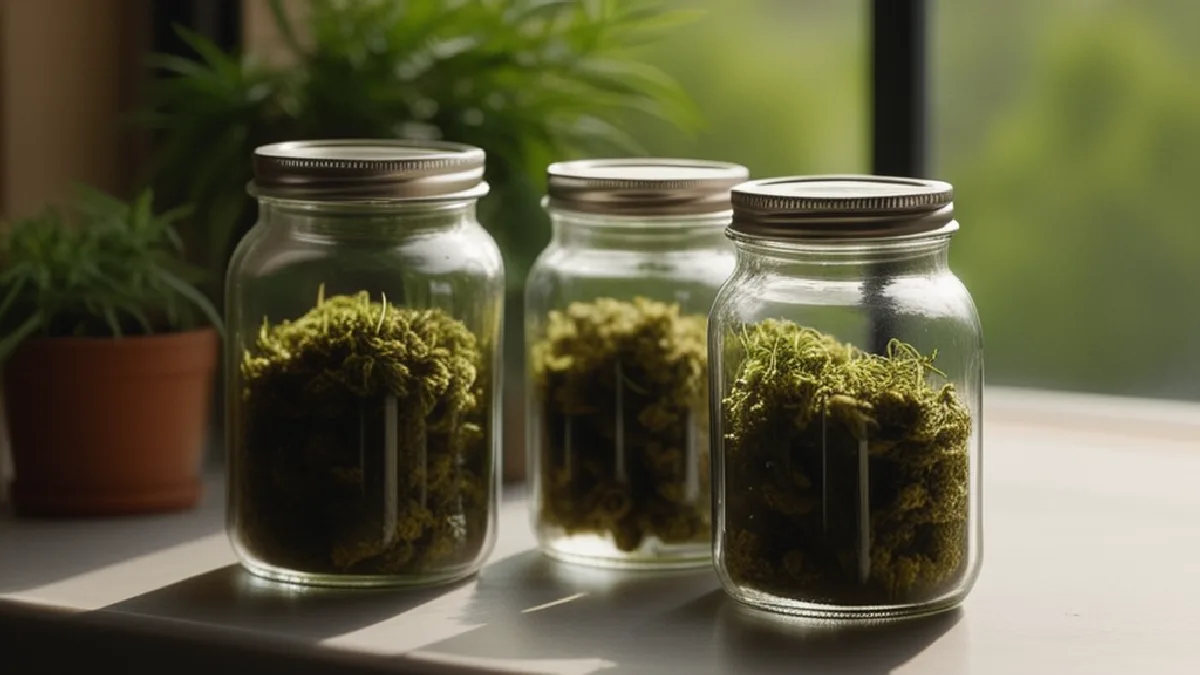
Rigorous regulatory supervision directly impacts consumer health and public safety across the cannabis industry. Analytical chemistry studies show that unmonitored commercial cultivation risks exposing consumers to unsafe levels of residual solvents, heavy metals, mycotoxins, and synthetic pesticides. Standardized state inspections ensure commercial cultivators maintain strict environmental conditions that prevent mold accumulation during curing and storage.
Clinical researchers emphasize that precise cannabinoid profiling is essential for therapeutic predictability. Laboratory testing standards ensure that products labeled with specific ratios of delta-9-tetrahydrocannabinol (THC) and cannabidiol (CBD) accurately reflect chemical composition within narrow variance margins. Inconsistent state oversight destabilizes these standards, increasing the risk of batch contamination or mislabeled product potencies.
Data from clinical trials indicate that unexpected variance in phytocannabinoid concentration directly degrades treatment consistency. When regulatory systems fail to verify batch uniformity, registered patients cannot reliably calculate their required milligram intake. Standardized state oversight ensures that third-party laboratory results represent actual batch safety and therapeutic strength.
Medical Applications and Patient Benefits
Strict state oversight protects vulnerable patient populations who rely on therapeutic cannabis to manage severe health conditions. Patients managing chronic neuropathic pain, inflammatory conditions, and treatment-resistant epilepsy require clean, unadulterated flower, tinctures, and concentrates. Standardized quality controls ensure that vulnerable individuals do not consume harmful biological contaminants during treatment.
Understanding diverse THC delivery methods helps qualified patients choose administration routes tailored to their therapeutic needs. Inhalation via vaporizers provides rapid onset within minutes for acute breakthrough pain, whereas oral formulations like tinctures and edibles deliver extended systemic relief over six to eight hours. Consistent oversight ensures that each delivery format maintains accurate dosing labels and pure botanical ingredients.
For individuals navigating therapeutic options, determining an accurate CBD delivery dosage requires certified non-intoxicating products free from residual extraction chemicals. High-CBD formulations help modulate CB1 receptor activity, mitigating potential anxiety associated with higher THC concentration. Modern patient delivery services enhance accessibility for mobility-impaired individuals, bringing laboratory-verified medical products directly to patient residences under secure regulatory tracking systems.
Exploring reliable cannabis home delivery benefits qualified patients who face physical limitations or severe chronic illness. Direct-to-door distribution models reduce mobility barriers while ensuring that cold-chain transport guidelines maintain product integrity. Continuous regulatory oversight across the supply chain ensures that home delivery products meet identical health standards as brick-and-mortar dispensaries.
Safety Considerations and Side Effects
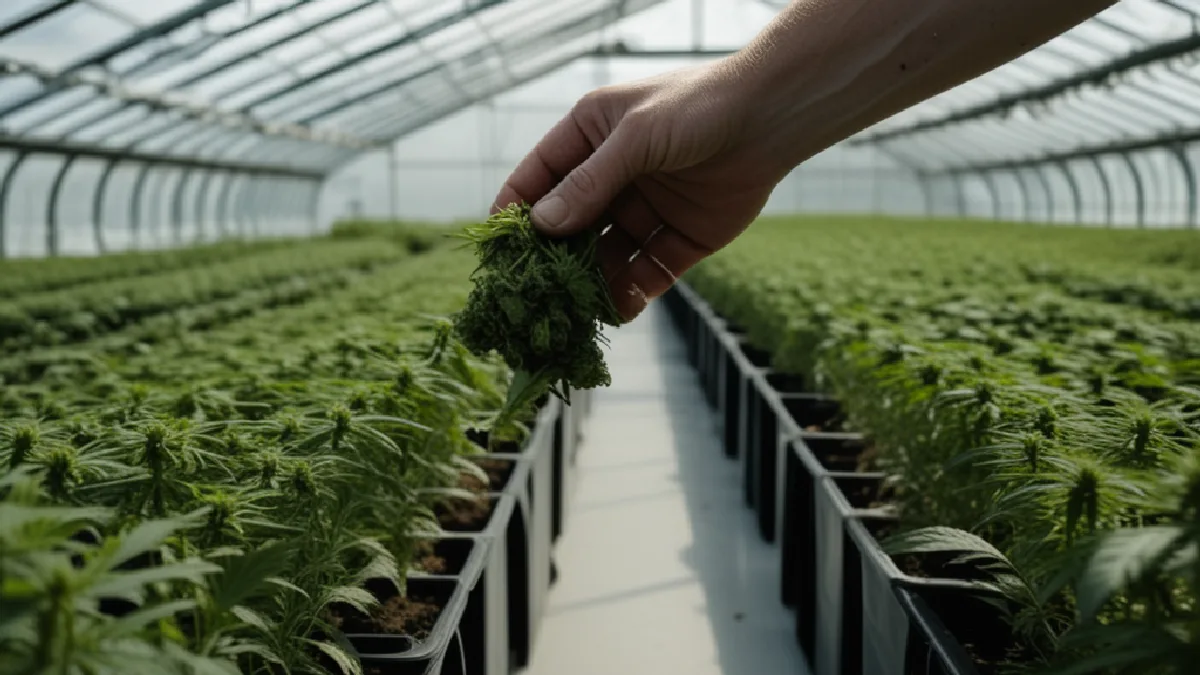
While cannabis exhibits a favorable safety profile compared to many synthetic pharmaceuticals, unmonitored products introduce unnecessary health risks. Pesticide residues subjected to heat during vaporization can decompose into toxic compounds, leading to respiratory irritation or systemic toxicity. Furthermore, microbial contamination from Aspergillus mold poses severe infection risks for immunocompromised individuals.
Patients should remain aware of potential physiological side effects associated with elevated cannabinoid consumption. Elevated THC concentrations can trigger dry mouth, dizziness, temporary cognitive impairment, increased heart rate, and mild paranoia in sensitive individuals. Managing these adverse events requires starting with minimal doses and gradually adjusting intake based on observed symptom management.
Standardized state testing prevents harmful cross-contamination during commercial extraction and processing stages. Solvent-based extraction methods utilizing butane or ethanol require complete vacuum purge protocols to eliminate residual hydrocarbons. Systematic state inspections enforce compliance with maximum allowable residual solvent limits, keeping products safe for daily medical use.
What this means for DC, Maryland and Virginia
The operational review in Pennsylvania provides important regulatory lessons for the surrounding Mid-Atlantic region. In Maryland, where adult-use and medical systems operate under unified seed-to-sale tracking, state regulators utilize mandatory compliance checks to ensure commercial safety. Clear inspection standards protect local consumers by keeping unverified products off licensed dispensary shelves.
Across Washington DC, regulatory shifts continue as the district expands medical licensing while addressing unmonitored commercial gifting channels. Strengthening enforcement and expanding access to medical marijuana delivery helps ensure district residents obtain fully tested, lab-certified flower, edibles, and concentrates from accredited dispensaries.
In the Commonwealth, understanding current Virginia marijuana laws remains essential for local consumers. While adults can legally possess limited amounts, full adult-use retail sales remain undeveloped, leaving patients dependent on state-licensed medical dispensaries. Knowing if va weed legal status applies to specific medical formulations requires staying informed about local regulatory board decisions and commercial safety updates regarding Virginia cannabis operations.
Bud Lords Analysis: Quality Control Belongs at the Core
Our read: The findings from Pennsylvania underline a fundamental reality in the modern cannabis space—regulatory oversight is not just administrative paperwork; it is patient protection. When health authorities lack uniform checklists or streamlined complaint mechanisms, product safety standards inevitably slip. Pennsylvania's willingness to acknowledge these administrative gaps and implement immediate corrections serves as a productive blueprint for state regulators across the DMV.
At Bud Lords, we believe consumer trust relies entirely on rigorous quality assurance, batch transparency, and accessible educational resources. Regulatory consistency ensures that every consumer receives clean, reliably potent cannabis products regardless of retail location. As regional markets mature across Washington DC, Maryland, and Virginia, maintaining rigorous testing protocols remains the single most important factor in safeguarding public health.
Why are state dispensary inspections so important for patient health?
State inspections ensure that licensed cultivation and retail facilities maintain sterile environments, proper storage temperature controls, and rigorous inventory tracking. Regular audits prevent contaminated or mislabeled batches from reaching patient hands.
How do lab tests verify product purity and potency?
Independent testing laboratories analyze samples for cannabinoid concentration, terpene profiles, heavy metals, residual solvents, pesticides, and microbial contaminants. Results are compiled into a Certificate of Analysis (COA) for consumer verification.
What should patients look for on product safety labels?
Patients should verify batch numbers, total active cannabinoid percentages (THC and CBD), manufacturing dates, expiration dates, and QR codes linking directly to third-party lab COAs.
Resources for Further Medical Consultation
Patients seeking clinical guidance regarding medical cannabis should consult qualified healthcare practitioners experienced in cannabinoid medicine. Exploring state health department directories provides access to registered medical cannabis physicians capable of evaluating qualifying conditions and assisting with dosage plans.
For detailed regulatory guidelines and regional safety compliance updates, consult official state health portals including the Maryland Cannabis Administration, the DC Alcoholic Beverage and Cannabis Administration (ABCA), and the Virginia Cannabis Control Authority. Reviewing third-party Certificate of Analysis documentation before purchase remains the most reliable way to verify product safety.
Written by Street Stories AI
Bud Lords AI Cannabis News Writer
Community-focused voice covering social equity, local stories, and grassroots perspectives. Authentic, community-oriented tone.
Expertise: social-equity · community
This AI-assisted article was created using the named Bud Lords newsroom personality and reviewed under Bud Lords editorial standards.


Comments