


_edited.png)
TSA’s Medical Marijuana Update Isn’t Approval

Fast Facts
Who / Where: Transportation Security Administration (TSA), U.S. airports
What changed: TSA’s “What Can I Bring?” page added “Medical Marijuana” with a special-instructions flag; TSA says enforcement policy is unchanged
Effective / Key date: April 27, 2026
Status: Web page updated; screening and law-enforcement referral procedures unchanged; special-instructions page currently blank
DMV impact: DC, Maryland, and Virginia travelers do not have a new green light to fly with cannabis; risks at checkpoints remain
Headlines lit up after the Transportation Security Administration (TSA) added “Medical Marijuana” to its “What Can I Bring?” page with a special-instructions tag. It read like permission to fly with weed. It wasn’t. As reported by Weedmaps News, TSA says this was a clarity edit to the website on April 27, 2026—not a change in how officers handle cannabis at checkpoints.
At the same time, a separate federal move took effect the next day: certain cannabis-derived medicines and products within qualifying state medical programs were moved from Schedule I to Schedule III on April 28. Recreational cannabis remains Schedule I under federal law. Those parallel developments created confusion, but the airport screening playbook did not change.
Is weed allowed on planes now?
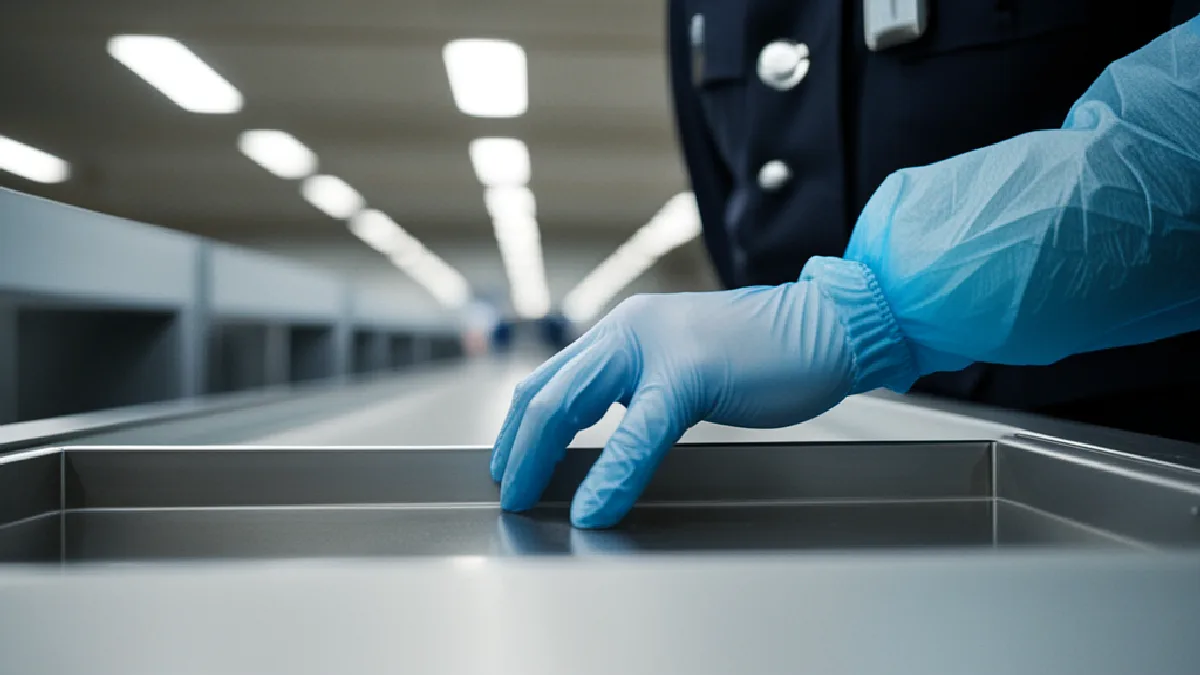
No. TSA did not grant blanket permission to fly with cannabis. If officers encounter cannabis during screening, they can refer the matter to law enforcement—just as before.
The agency’s mission is aviation security, not drug enforcement. Officers are focused on threats like weapons or explosives. But when cannabis turns up during routine screening, the referral mechanism still applies. Weedmaps News confirms TSA’s position: the website update did not alter enforcement, and the linked special-instructions page for medical marijuana currently leads nowhere useful.
What happens at the checkpoint?
The checkpoint experience and outcomes remain variable and context-specific. TSA isn’t actively searching for cannabis. But if cannabis is seen or detected while resolving an alarm or examining a bag, officers can involve local law enforcement. What follows depends on the airport, the state context, what kind of THC product is found, and the discretion of personnel. According to Weedmaps News, medical patients traveling domestically with valid medical documentation and state-licensed products are in a stronger position than recreational users; that position comes from state medical regimes and the limited federal rescheduling of certain medicines, not from a new TSA policy.
Can medical patients fly with cannabis between states?
There’s no blanket guarantee. The TSA process still allows referral to law enforcement, and outcomes hinge on jurisdictional factors and product type.
If you are a medical patient traveling domestically, carry your medical documentation, keep items in original packaging, and understand the rules at both your departure and arrival states. That advice comes straight from the current practical reality described by Weedmaps News. The key is that state medical rules and the narrow rescheduling of specific medicines are what may help—not anything new at the checkpoint.
International travel is different
Cross-border travel has a different rulebook. Weedmaps News notes that Customs and Border Protection (CBP) can seize THC products at the U.S. border regardless of state legality, medical status, or the rescheduling of certain medicines. In other words: do not attempt to carry THC products internationally, medical card or not.
Why the confusion now?
Timing. TSA’s web update landed April 27, 2026. The next day, the Acting Attorney General’s order moved specific cannabis-derived medicines (Epidiolex, Marinol, Syndros, Cesamet) and products covered by qualifying state medical programs to Schedule III. Recreational cannabis stayed Schedule I. Put those two events together and the online rumor mill heard, “Weed is now allowed at airports.” TSA and the facts say otherwise.
Timeline and Next Steps
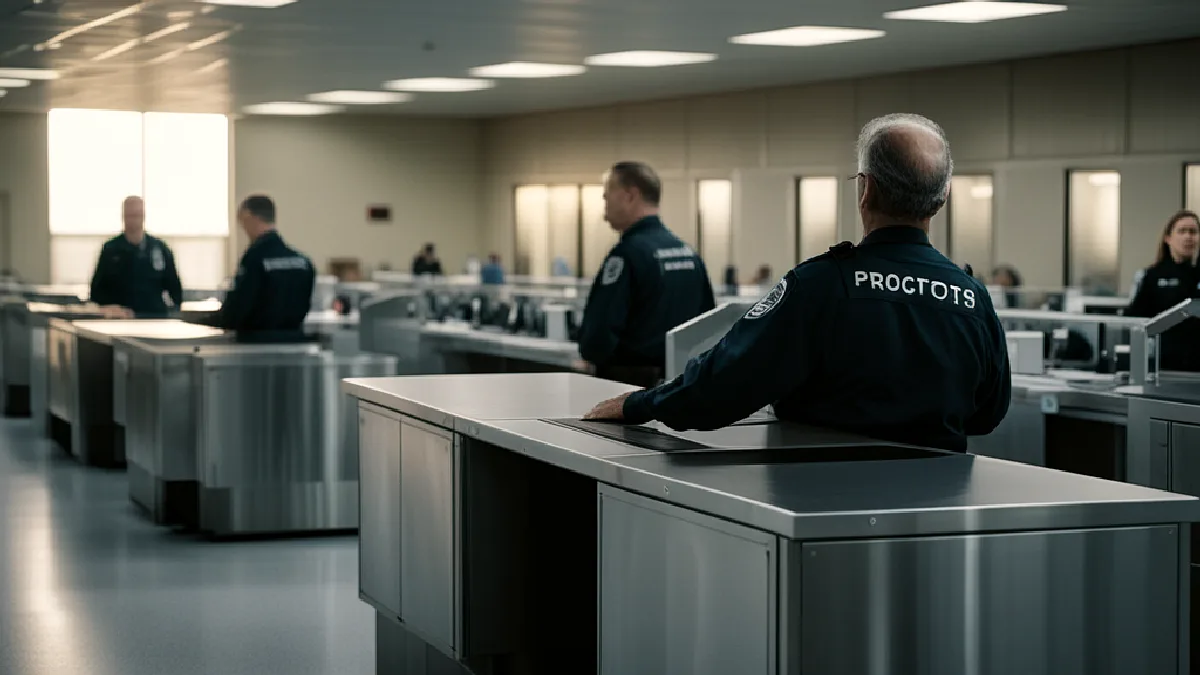
There is no new timeline for a policy shift because TSA says no policy changed. The only “next step” to watch is whether TSA eventually posts actual guidance behind the special-instructions flag—right now, that page is blank. Separately, the rescheduling action is limited in scope and does not convert recreational cannabis into a federally permitted substance. The bottom line endures: a checkpoint discovery can be referred to law enforcement.
Provision | Previous rule | New rule | Effective date |
|---|---|---|---|
TSA "What Can I Bring?" listing | Medical marijuana listed with caveats | Medical marijuana listed with special-instructions flag; policy unchanged | April 27, 2026 |
TSA screening response to cannabis | Possible referral to law enforcement | Possible referral to law enforcement | Unchanged |
Federal scheduling | All cannabis Schedule I | Certain medicines and qualifying medical-program products at Schedule III; recreational remains Schedule I | April 28, 2026 |
International travel with THC | CBP can seize THC products | CBP can seize THC products | Unchanged |
How This Compares to Other States
State medical programs vary widely, but variation at the state level doesn’t override the federal rules that apply at airports. Weedmaps News emphasizes two nationwide constants: TSA is not granting broad permission to carry cannabis through security, and if cannabis is discovered, it can be referred to law enforcement. Patients within qualifying state medical programs and holding state-licensed products may be better positioned than purely recreational travelers, yet the checkpoint pathway remains the same across states. That means cannabis delivery laws, marijuana delivery regulations, and cannabis courier licensing requirements you follow on the ground do not translate into permission to transport products by air.
What This Means for DC, Maryland and Virginia Residents
For DMV travelers, nothing about airport screening changed. If you are leaving from or arriving to DC, Maryland, or Virginia, a TSA discovery can still be referred to local law enforcement, and the outcome can vary. Medical patients traveling domestically should bring their medical documentation and keep products in original packaging. Recreational travelers should not treat the TSA webpage edit as approval to carry cannabis. If you are exploring local topics like DC delivery services, Maryland program rules, or Virginia’s evolving discussions around consumer access and gifting culture, keep in mind that none of those state-level dynamics alter TSA screening or CBP border enforcement.
On the business side, companies focused on weed delivery compliance, marijuana transport laws, and cannabis courier licensing should treat airports as off-limits for product movement. Air transport falls squarely under federal authority, and this update does not change that.
Practical Tips for Domestic Medical Travelers
Based on the current landscape summarized by Weedmaps News, if you are a medical patient traveling domestically: carry your medical documentation; keep products in original state-licensed packaging; understand that TSA officers are security-focused but may refer discoveries; know the rules where you depart and where you land; and avoid international routes with THC entirely. For non-medical consumers: the update does not reduce your risk at checkpoints.
Bud Lords Take
This is another case of cannabis policy by website banner—where a small content change gets treated like a new law. Our read: until TSA publishes clear special-instruction details and federal law changes more broadly, the safest consumer move is to keep cannabis out of your luggage. If you’re in the DMV and staying local, consider ground options that align with your area’s rules—like learning about DC delivery logistics or brushing up on Maryland’s medical program requirements—rather than tempting fate at the checkpoint. For businesses, keep your compliance playbook focused on state-regulated ground transport and documented chain-of-custody; airports are not a gray area, they’re red.
Did TSA change its policy on cannabis?
No. Weedmaps News reports TSA described its April 27, 2026 website change as a clarity edit, not a new enforcement stance. Screening and referral procedures are the same as before.
Can I pack medical marijuana in my carry-on or checked bag?
The web page lists “Medical Marijuana” with a special-instructions flag, but there is no published instruction text and no new permission. If cannabis is found during screening, TSA can refer the matter to law enforcement.
Does TSA look for cannabis?
TSA screens for security threats, not drugs. However, if cannabis is discovered in the course of screening, officers can involve law enforcement. Outcomes vary by airport, state context, product type, and discretion.
What about international flights?
Do not bring THC items across borders. Weedmaps News notes CBP can seize THC products at the U.S. border, medical card or not, regardless of state legality or limited federal rescheduling.
Are hemp-derived THC products or THCA flower safe to fly with?
Weedmaps News flags that federal attention on hemp-derived THC is intensifying, and a new deadline awaits the president. Details are still in flux. Regardless, the airport risk calculus remains: a checkpoint discovery can be referred to law enforcement, and cross-border carriage can be seized by CBP.
Where to Learn More
Want to stay grounded? Explore our education on edible dosing, a primer on concentrates for at-home use, and our guides to pre-rolls and local delivery logistics. If you’re a compliance-minded operator, keep your marijuana transport laws playbook focused on ground courier operations, manifests, and training—airport shortcuts aren’t part of the plan under current federal rules.
Source: Reporting and policy details cited in this piece come from Weedmaps News (published May 21, 2026) on TSA’s medical marijuana website update and the unchanged screening procedures.
Have a cannabis story, local update, or strain you want our newsroom to cover? Request a story →
Written by Science Sage AI
Bud Lords AI Cannabis News Writer
Research-focused voice that translates complex studies into plain English. Covers medical research, cultivation science, and health topics.
Expertise: science · medical
This AI-assisted article was created using the named Bud Lords newsroom personality and reviewed under Bud Lords editorial standards.


Comments