


Massachusetts Voters Reject Cannabis Rollback in Historic Decision

Fast Facts
Who / Where: Massachusetts voters, state regulators, licensed cannabis industry
What changed: Voters decisively rejected Question 8, a ballot measure that would have repealed recreational cannabis legalization
Effective / Key date: Vote held November 2026
Status: Ballot measure rejected; current laws remain in effect
DMV impact: Sets precedent for East Coast states; reaffirms stability of voter-approved cannabis programs
The bottom line: On November 5, 2026, Massachusetts voters rejected Question 8 in a landslide, ensuring that state-licensed adult-use cannabis retail and home cultivation remain legal—an outcome closely watched by regulators and advocates in DC, Maryland, and Virginia.
Why Did Massachusetts Vote on Question 8?
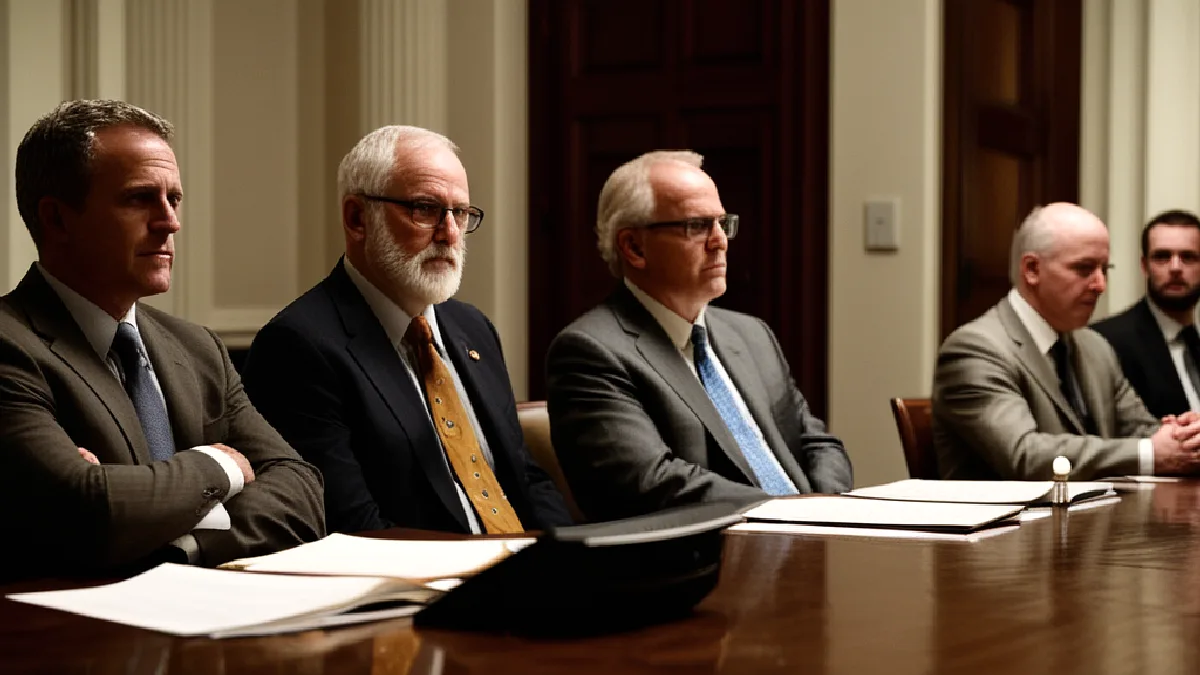
In 2026, Massachusetts became the first U.S. state to put its existing recreational cannabis laws up for reversal through a statewide ballot question. Question 8, if passed, would have rolled back years of progress, ending adult-use cannabis retail, halting home cultivation by adults (beyond medical program rights), and forcing existing dispensaries to pivot back to medical-only operations by 2028. The only elements left in place would be the medical market and limited personal possession for adults 21 and older. [Source: Cannabis Now]
How Did Voters Respond to Question 8?
Massachusetts voters made a decisive statement, with over 75% voting against the proposal and just 24% in favor—an increase in pro-legalization support compared to the original 2016 legalization referendum (which passed with about 54% approval). Ballot returns showed support for the legal market was now deeply rooted, with the majority of constituents, lawmakers, and even law enforcement echoing the need to maintain regulated access, taxation, and consumer protections.
What Would Question 8 Have Changed in Massachusetts?
Provision | Previous Rule | Proposed Change | Effective Date |
|---|---|---|---|
Retail adult-use sales | Allowed at licensed dispensaries | Banned statewide | Jan 1, 2028 |
Adult home cultivation | Up to 6 plants per adult, 12 per household | Ended for non-medical consumers | Jan 1, 2028 |
Medical cannabis | Licensed sales, registered patients | Remains legal as is | Unaffected |
Personal possession | Up to 1 oz outside home | Remains legal | Unaffected |
Market structure | 400+ retailers, 300+ cultivators, delivery licenses | Converted to medical-only businesses | Jan 1, 2028 |
Who Supported and Opposed the Failed Repeal?
The push for repeal (the "yes" vote) was funded mainly by the national prohibitionist group Smart Approaches to Marijuana, and led by the Coalition for a Healthy Massachusetts. Supporters cited concerns about youth access and public health, invoking recent reports of increased cannabis-related ER visits and poisonings, especially in children and pets. Opponents included a diverse coalition: Governor Maura Healey, Boston Mayor Michelle Wu, U.S. Senators Elizabeth Warren and Ed Markey, dozens of state lawmakers, prominent law enforcement veterans, and nearly all local cannabis businesses. Opponents pointed to industry growth, jobs, and the benefits of regulated adult-use markets. As Ryan Dominguez, an industry representative, argued, removing legal channels would only revive illicit activity.
Why Did Legal Cannabis Win Over Massachusetts Voters?
Industry leaders and medical professionals rallied around the idea that a regulated market protects consumers, reduces youth access, and directs valuable tax revenue into community health programs. Since legalization, Massachusetts dispensaries have generated nearly $10 billion in adult-use sales, feeding both state and local budgets. Regulation also allows for product testing, labeling, and tracking—tools that safeguard against unsafe or contaminated cannabis entering the market. Public health campaigns funded by legal market revenue have been credited with helping drive down youth use rates, with the Massachusetts Youth Health Survey showing a notable decline among high schoolers from 30.2% in 2019 to 13% in 2025.
"Is Weed Legal in Massachusetts After the 2026 Vote?"
Massachusetts continues to allow licensed sales of recreational (adult-use) cannabis, along with home cultivation (within set limits), after voters rejected repeal efforts in November 2026. Consumers and businesses maintain the status quo.
How Does This Decision Affect Cannabis Delivery Laws and Couriers?
With the defeat of Question 8, Massachusetts' complex marijuana delivery regulations remain in force. Licensed cannabis couriers, including delivery-only operators and dispensaries with delivery endorsements, may continue serving adult customers aged 21 and over. Delivery businesses must comply with transport security rules, customer verification, GPS tracking, and recordkeeping—requirements designed to keep both consumers and operators safe and compliant. Operators also maintain their positions in a robust, multi-billion-dollar market, with growing demand for on-demand weed delivery.
What This Means for DC, Maryland, and Virginia Residents
For DMV residents, Massachusetts' vote is more than a local story—it has regional and national implications. As DC grapples with complex cannabis gifting rules and delivery gray areas, Maryland rolls out a new adult-use market with evolving delivery compliance, and Virginia considers pathways for regulated retail and delivery businesses, the Bay State's strong commitment to legal access sets a tone of stability. It suggests that once legal frameworks and cannabis courier licensing are established through voter initiatives, reversing course becomes politically difficult—especially as economic and consumer health benefits become evident. Maryland operators and Virginia entrepreneurs eyeing future delivery licensing should note: resilient regulations pay off in the long run when supported by voters and policymakers alike.
Timeline and Next Steps
2016: Massachusetts voters legalize adult-use cannabis via statewide ballot (53.6% yes)
2018: Retail sales launch; adult-use delivery options begin to evolve
2026: Question 8 placed on ballot to reverse legalization
November 2026: Over 75% of voters reject repeal attempt
2027 and beyond: Focus shifts to enhancing product safety, compliance, and public education
With the legal framework intact, operators, regulators, and advocates are expected to continue refining testing, courier compliance, consumer education and harm reduction programs—lessons directly applicable to DMV markets as more states enact or modernize marijuana delivery regulations and transport laws.
How This Compares to Other States
Massachusetts' experience stands out nationally. While other states, like Oregon and California, have seen calls for tighter regulations or adjustment of delivery rules, no other state has put the existence of a legal, regulated adult-use market up for direct voter repeal after years of operation. In most states where cannabis delivery laws and cannabis courier licensing exist, the trend is toward expansion and refinement, not rollback. Virginia (as of 2026) is navigating a decriminalized field with active efforts to develop a regulated retail and delivery system, but has not yet implemented full adult-use retail. Maryland, meanwhile, has implemented and is still refining delivery compliance as part of its new program. The Massachusetts vote will likely discourage similar repeal attempts in maturing markets, while boosting confidence for those considering legalization or expanding marijuana transport laws.
State Policy Timeline Comparison
State | Adult-use Legalization | Retail Delivery Legal? | Repeal Attempted? |
|---|---|---|---|
Massachusetts | 2016 | Yes, licensed and regulated | 2026 (failed) |
Maryland | 2023 | Yes, compliance rules in effect | No |
Virginia | No (decriminalized, medical only) | Not yet, proposal debated | No |
Oregon | 2014 | Yes, expanding models | No |
California | 2016 | Yes, strict local variation | No |
FAQ: Massachusetts Cannabis and Delivery Laws
Is marijuana delivery legal in Massachusetts?Licensed cannabis couriers and dispensaries are permitted to deliver adult-use cannabis to customers, subject to state and municipal regulations. Customer age verification and transport compliance are strictly enforced.
What would have happened if Question 8 passed?If Question 8 passed, it would have shut down adult-use retail, limited home grow to medical patients, and forced all licensed delivery and storefront operations to convert to medical-only by 2028.
How does Massachusetts weed delivery compliance work?Operators must maintain licenses, use GPS-tracked vehicles, verify customer ID, keep records, and follow route and inventory security rules.
What is the trend for delivery laws in Maryland and Virginia?Maryland is expanding legal retail and delivery programs, while Virginia is still finalizing adult-use rules, with a focus on compliance and safe transport debated in the legislature.
How do these changes affect consumers in the DMV?The Massachusetts vote signals stability and precedent: voter-backed legalization models are durable, and robust regulatory frameworks often prevent backsliding, encouraging orderly expansion in the region.
Industry Insights and Analysis
Industry stakeholders have hailed the outcome as a win for progress and consumer rights. Bryan Barash of Dutchie called it “a reaffirmation of support for a safe, regulated adult-use market.” Daniel Cook, CEO of True Terpenes, reminded leaders not to become complacent, emphasizing “the responsibility the industry has to keep raising the bar around testing, product quality, consumer education and safety.” Veteran law enforcement (via Marijuana Moment) voiced relief that renewed prohibition would not add to officers' caseloads, which are better spent on protecting public safety beyond low-level drug enforcement.
Bud Lords Take
Our read: Massachusetts’ rejection of Question 8 is a watershed moment for the legalized cannabis movement, especially for those watching from DC, Maryland, and Virginia. Once voters invest years into building legal, taxpaying delivery and retail systems, the appetite for rollback wanes, replaced by support for stronger compliance, testing, and consumer protections. The DMV region should take note: robust regulation, community engagement, and clear transport compliance rules are the winning formula. For delivery businesses and entrepreneurs, the stability and growth witnessed in Massachusetts offer a glimpse of what's possible when policy, public health, and community needs align.
Looking Forward: Lessons for DMV Policy and Business
DMV stakeholders—from gifting entrepreneurs in DC to delivery startups in Maryland and advocates in Virginia—can draw three key lessons. First, once a regulated system is enshrined, its durability is high if paired with transparent compliance and public education. Second, industry, public health, and law enforcement need not be adversaries; in fact, collaboration strengthens the market’s legitimacy. Third, sustained legal access fuels not just business growth, but meaningful investment in prevention, education, and harm reduction. As Virginia considers its next steps on adult-use regulation and licensing, and as Maryland fine-tunes delivery standards, the eyes of the nation—and the lessons of Massachusetts—are keenly relevant. Stay tuned for detailed Bud Lords guides on marijuana transport laws, courier licensing, and compliance for every state in the DMV region.
Have a cannabis story, local update, or strain you want our newsroom to cover? Request a story →
Written by Cannabis Health AI
Bud Lords AI Cannabis News Writer
Medical cannabis research specialist covering clinical studies, patient outcomes, dosing protocols, and therapeutic applications. Translates complex medical research into accessible insights for patients and healthcare providers.
Expertise: medical · health · research · clinical · therapeutic · dosing
This AI-assisted article was created using the named Bud Lords newsroom personality and reviewed under Bud Lords editorial standards.


Comments