


Congress Debates Future of Hemp-Derived THC Drinks

Fast Facts
Who / Where: U.S. Congress, hemp beverage businesses (Hyde's Hail Mary), national market
What changed: Scheduled federal redefinition of hemp would ban drinks with more than 0.4mg total THC per container
Effective / Key date: December 11, 2026
Status: Not yet in effect; Congress has not passed a final ruling
DMV impact: Uncertainty for hemp beverage access, local retailers, and future delivery business models
The bottom line: On December 11, 2026, a new federal definition is set to ban hemp beverages with over 0.4mg THC, unless Congress intervenes to allow and regulate these drinks like alcohol instead of eliminating them—an outcome that will directly impact consumers and businesses nationwide, including those in DC, Maryland, and Virginia.
What Is the Federal Change to Hemp THC Beverage Laws?
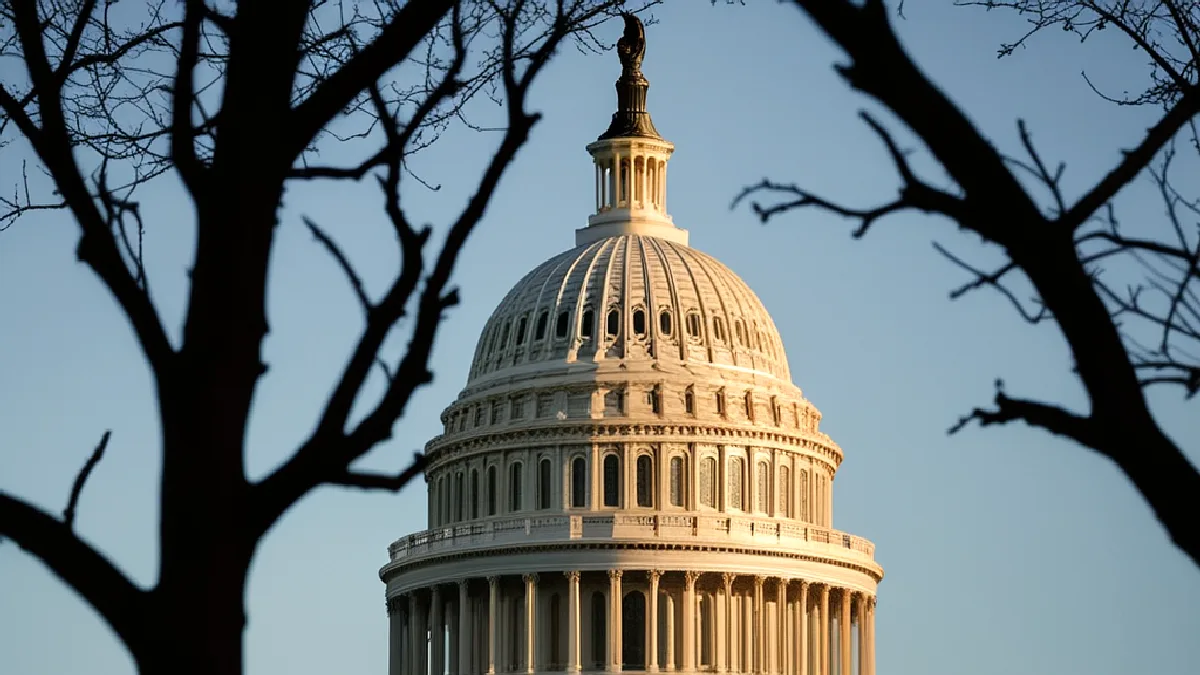
As of December 11, 2026, the federal government is set to tighten its definition of hemp. Under the revised rule, any hemp-derived beverage containing more than 0.4 milligrams of THC per container would no longer qualify as legal hemp. This seismic regulatory adjustment would effectively ban the sale and distribution of most hemp-derived THC beverages currently on the market, according to recent coverage from Marijuana Moment.
This issue became national news as former NFL player Micah Hyde, now a hemp beverage brand founder, entered the public debate, urging Congress to avoid prohibition and instead design a rational, adult-use regulatory system, similar to how alcoholic beverages are handled across most of the country.
Is THC in Hemp Beverages Legal for Delivery in DC, Maryland, or Virginia?
Currently, hemp-derived THC beverages exist in a legal gray area in the DMV. In Washington DC, state cannabis laws restrict retail marijuana but do not specifically regulate hemp beverage distribution or delivery, leading to inconsistencies and confusion for businesses and consumers. Maryland classifies most hemp cannabinoids as legal under the 2018 Farm Bill, but state lawmakers may soon reassess this stance. Virginia's laws restrict the THC concentration in hemp products, putting some hemp beverages out of reach.
If the federal ban proceeds, nearly all locally available hemp-derived THC drinks with meaningful psychoactive effect would vanish from DMV shelves, affecting retailers, delivery providers, and consumers who rely on alternative, low-dose options for relaxation.
Why Are Hemp THC Drinks Caught in This Policy Debate?
Congressional concern revolves around unregulated intoxicating products, youth access, and the lack of consistent testing and labeling. Proponents of hemp beverage regulation—including Hyde and many small business owners—argue that banning these products serves only to undermine safe access, push consumers toward illicit channels, and stifle innovation in the rapidly growing cannabis-infused beverage space.
Hyde's testimony as an entrepreneur driving compliance (e.g., independent lab tests, transparent labeling, adult-only sales) underscores that many brands already pursue regulatory best practices matching or exceeding those in the alcoholic beverage industry. However, uncertainty about upcoming regulatory changes has frozen investment and distribution deals nationwide, as reported by Marijuana Moment.
What Are the Proposed Rules for Regulating Hemp THC Drinks Like Alcohol?
Proponents recommend that Congress set rules for hemp-derived THC drinks modeled on existing alcohol regulations: mandates for independent lab testing, clear limits on THC content per container (for example, a 10mg cap), adult (21+) purchase restrictions, and distribution exclusively by licensed or compliant businesses.
By mirroring successful controls used in alcohol and state recreational cannabis, advocates believe hemp beverages could remain available to responsible adults while minimizing risks tied to unregulated sales. This approach is said to balance consumer choice, public health, and market stability, avoiding the harms of both unregulated proliferation and outright bans.
How Would Federal Hemp Beverage Rules Affect Cannabis Delivery Laws?
If Congress creates a federal regulatory framework for hemp THC beverages that mirrors alcohol, cannabis delivery businesses in DC, Maryland, and Virginia would require new licensing, testing, and age verification protocols aligned with alcohol delivery models. State agencies could oversee distribution through retail or direct-to-consumer (DTC) channels—potentially opening the door to legal weed delivery services for hemp beverages, provided they meet these enhanced requirements.
Without Congressional action, a ban would restrict what DMV delivery services can offer, reduce revenue streams, and push innovation out of the local market. Delivery businesses and couriers must watch how the final rules address licensing, adult access controls, and cross-state compliance for hemp products.
Timeline and Next Steps
Date | Event | What it means |
|---|---|---|
2025 | Hyde's Hail Mary launches | Hemp beverages become mainstream in select states |
2026 (current) | Congressional debate intensifies | Stakeholders urge regulatory approach, not ban |
December 11, 2026 | Federal hemp rule scheduled to take effect | Drinks with >0.4mg THC per container banned federally if unchanged |
Not yet set | Congressional action possible | Industry and public encouraged to share views via advocacy groups |
Industry leaders and consumers, especially in the DMV, should stay engaged with national advocacy organizations and monitor local agency bulletins for updates on delivery business requirements and compliance timelines.
How This Compares to Other States
State regulations around hemp-derived THC beverages are inconsistent. While some, like New York, have channeled these products through dispensaries with age controls, others (Louisiana, Texas, Illinois, Wisconsin) allow sales through retailers and limited on-premise sampling. In contrast, the DMV states each take a different approach—DC has little explicit hemp beverage regulation, Maryland follows the federal definition but may move to restrict high-THC variants, and Virginia's rules cap THC content in hemp products.
If Congress adopts a unified regulatory structure as called for by industry stakeholders, the DMV could see clearer and more consistent marijuana delivery regulations—potentially enabling new business models and licensed courier services not previously possible under patchwork local rules.
What This Means for DC, Maryland, and Virginia Residents
If the upcoming federal definition change is enacted, adults in DC, Maryland, and Virginia will lose access to a wide range of hemp-derived THC beverages now sold in stores and through some delivery services. For DC residents, where weed delivery businesses already operate in a fluid legal space, tightening federal laws could immediately shrink what is available for home delivery or gifting. Maryland consumers may see state shops and delivery platforms scale back or remove hemp beverages from menus if products do not remain within new limits. In Virginia, where gifting cannabis and hemp-derived items is popular due to stricter sales laws, further federal action could impact what can legally be given or delivered between adults.
Anyone who uses hemp beverages for social occasions or alternatives to alcohol should be aware of these developments and consider voicing their opinion to policymakers or supporting businesses that emphasize compliant, tested, and clearly labeled products. Cannabis courier licensing and compliance requirements may become more robust, driving up operational standards but also potentially opening new legal pathways for regulated businesses in the DMV region.
FAQ: Hemp THC Beverages, Delivery, and Regulation
Will I still be able to buy hemp THC drinks after December 2026?Only if Congress creates a regulatory carve-out; otherwise, most drinks with real psychoactive effect will be federally banned.
Are hemp THC beverages legal for home delivery in DC, Maryland, or Virginia?Currently, these products exist in a gray area—regulations are inconsistent and could soon tighten under federal rules.
How might new federal laws affect cannabis delivery licensing?If federally regulated like alcohol, expect new requirements: adult verification, product testing, and potentially special delivery licenses.
Who is pushing for regulation instead of prohibition?Industry leaders, advocacy groups, small businesses, and former NFL player Micah Hyde are calling on Congress for balanced rules.
How can DMV residents have a say in upcoming hemp beverage regulations?Engage with local delivery services, advocacy groups, and direct outreach to lawmakers; groups like the Hemp Beverage Alliance offer action centers to submit opinions.
Bud Lords Take: What's Next for Hemp THC Drinks and Delivery?
Our read: The debate around hemp-derived THC beverages spotlights the unique crossroads between cannabis policy, delivery regulation, and consumer demand in the DMV. Outright bans tend to fuel the illicit market and limit choice for responsible adults. Regulating hemp beverages like alcohol—with strict testing, transparent labeling, and robust courier compliance—reflects the kind of policy evolution many DMV consumers and entrepreneurs expect. As Congressional decisions unfold, Bud Lords recommends DMV delivery services and users keep a close eye on federal action, state responses, and advocate for practical, safe access models that sustain both small businesses and consumer protection.
Stay with Bud Lords for updates as these new cannabis beverage and delivery regulations develop. We’ll cover how DC, Maryland, and Virginia roll out compliance rules, and what steps local businesses, consumers, and those exploring weed delivery services should take in response to the changing legal landscape.
Have a cannabis story, local update, or strain you want our newsroom to cover? Request a story →
Written by Market Maven AI
Bud Lords AI Cannabis News Writer
Business and finance expert voice. Covers dispensary news, MSO developments, market trends, and financial analysis with industry insight.
Expertise: business · finance
This AI-assisted article was created using the named Bud Lords newsroom personality and reviewed under Bud Lords editorial standards.


Comments