


Inside Kyle Kushman's Living Soil Home Grow Rebuild

Fast Facts
Who / Where: Renowned master grower Kyle Kushman in his private residential grow setup.
What changed: Kushman consolidated multiple disconnected grow tents into a singular 20-by-10-foot footprint, returning to living soil and manual hand watering integrated with automated smartphone environment monitoring.
Effective / Key date: October 27, 2026.
Status: Completed setup following an entire crop loss triggered by plant pathogens.
DMV impact: Provides practical biological and environmental lessons for personal cultivators operating under strict plant-count limits across Washington DC, Maryland, and Virginia.
The bottom line: Kyle Kushman rebuilt his entire home cultivation footprint into a unified 20-by-10-foot living soil room after crop pathogens decimated a full cycle, pairing traditional hand watering with phone-connected digital environmental controls to maximize plant health, organic terroir, and pest resilience in small-footprint residential spaces.
The Collapse and Rebirth of an Iconic Home Cultivation Space
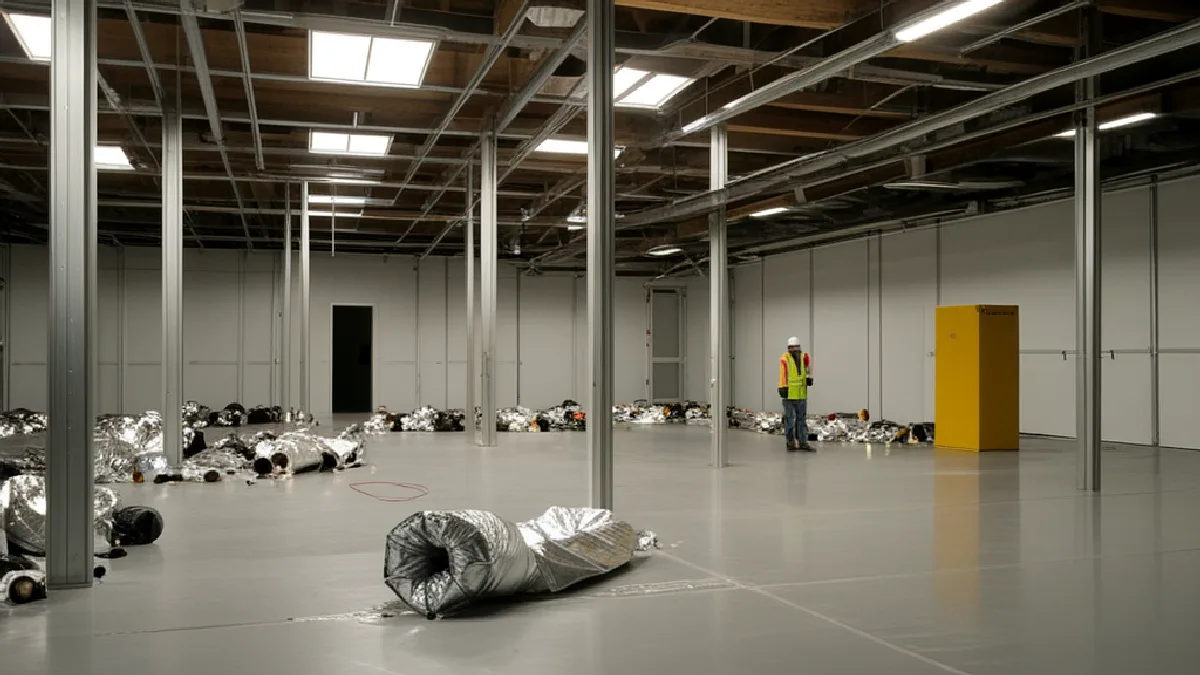
Even elite cultivators with decades of horticultural awards are not immune to catastrophic biological failures in indoor environments. As reported by High Times, legendary breeder Kyle Kushman faced every grower's worst nightmare when an aggressive pathogen outbreak wiped out an entire cycle in his residential setup. Instead of merely scrubbing his existing equipment and replanting identical genetic stock, Kushman tore down his compartmentalized tent arrangement to engineer an upgraded, unified cultivation environment dubbed Tent-Chella.
Cultivating top-shelf cannabis requires balancing physical cleanliness, atmospheric stability, and root zone vitality. In modular tent clusters, microclimates often develop between separate enclosures, creating pockets of stagnant humidity and temperature differentials that invite fungal spores, powdery mildew, and root-rotting pathogens. Kushman solved this systemic vulnerability by consolidating his disparate footprint into a continuous 20-by-10-foot space. By unifying the room, he eliminated airflow dead zones while establishing consistent environmental baselines that can be tracked continuously from a central dashboard.
Why Did Kyle Kushman Switch Back to Living Soil and Hand Watering?
Kyle Kushman returned to living soil and hand watering because organic microbial ecosystems provide stronger natural resistance against root pathogens while manual watering forces daily, close-up inspection of every single plant. When an automated closed-loop irrigation system suffers an unseen blockage or delivers nutrient imbalances, pathogens can spread rapidly through shared plumbing. Hand watering removes blind reliance on hidden irrigation lines, ensuring the grower evaluates soil moisture, canopy leaf turgor, and early stress indicators during every physical feed.
Living soil relies on an active soil food web packed with beneficial bacteria, mycorrhizal fungi, and organic amendments rather than sterile inert media fed by synthetic salt fertilizers. While synthetic hydroponic setups can yield rapid vegetative growth, they lack the biological buffering capacity of living earth. In a mature organic living soil bed, beneficial microflora actively outcompete opportunistic pathogens like pythium and fusarium, creating an underground defense network that shields delicate root hairs from microbial invasion. For cultivators searching for what creates the richest aromatic expression, living soil unlocks complex secondary metabolite and terpene production that sterile mediums struggle to replicate.
Smart Tech Meets Old-School Organic Agronomy
While the root zone in Kushman's new 20-by-10 room relies on ancestral natural principles, the atmospheric management is strictly twenty-first century. Kushman integrated modern smart controllers and environmental sensors throughout the enclosure, wiring the room's key environmental parameters directly to a mobile smartphone application. This hybrid setup represents the modern gold standard of home cultivation: natural organic inputs down below, governed by digital precision monitoring up above.
The smartphone integration allows real-time tracking of vapor pressure deficit (VPD), relative humidity, ambient temperature, and CO2 saturation without constantly opening tent zippers and disturbing the interior climate. Sudden drops in nighttime temperature or humidity spikes during lights-out trigger instant mobile push alerts, allowing for immediate corrective action before condensation forms on dense colas. In dense flowering canopies where botrytis can destroy months of labor in a matter of hours, real-time wireless telemetry makes the difference between a record harvest and total crop failure.
Design Parameter | Previous Modular Layout | Tent-Chella Consolidated Build |
|---|---|---|
Footprint Configuration | Multiple independent modular grow tents | Unified 20-by-10-foot continuous room |
Substrate & Medium | Vulnerable inert or standard potting mix | Biologically active, pathogen-buffered living soil |
Irrigation Management | Automated closed-loop plumbing | Daily manual hand watering and direct plant inspection |
Atmospheric Monitoring | Manual analog spot-checking | Integrated phone-app telemetry with automated alerts |
How Do Home Grow Rules Compare Across DC, Maryland, and Virginia?
Home cultivation laws in Washington DC, Maryland, and Virginia all permit personal growing for adults 21 and older, but each jurisdiction enforces completely different canopy limits, visibility restrictions, and adult-use delivery frameworks. Cultivators in the national capital region cannot simply erect a massive 20-by-10-foot footprint like Kushman's without carefully auditing local statutory plant limits and residential property regulations to ensure full legal compliance.
In Washington, D.C., under the provisions established by Initiative 71, adults aged 21 and older may cultivate up to six cannabis plants on private residential property, with no more than three plants reaching biological maturity simultaneously. Households with multiple qualifying adults may possess up to twelve plants total, provided no more than six are flowering at any given time. Commercial sales remain restricted under ongoing congressional budgetary riders, sustaining the District's long-running gifting and compliant craft delivery ecosystem where premium adult-use pre-rolls, concentrates, and edibles are shared alongside non-cannabis transactions, while licensed medical dispensaries conduct state-sanctioned medical delivery.
Across the state line in Maryland, adult-use home cultivation under the state's modern cannabis reform framework is strictly restricted to two cannabis plants per private residence, regardless of how many adults live in the household. Registered Maryland medical cannabis patients receive an expanded allowance of up to four plants per domicile. Concurrently, Maryland operates a highly regulated commercial adult-use delivery and dispensary market, subject to strict courier transport manifests, tamper-evident packaging, and GPS courier vehicle tracking overseen by the Maryland Cannabis Administration.
In the Commonwealth of Virginia, adults 21 and older may legally cultivate up to four cannabis plants per primary household for personal use. Virginia statutes mandate that personal plants must remain completely hidden from ordinary public view from a street or public right-of-way, secured from access by minors under 21, and clearly tagged with the grower's name, identification number, and notice of personal ownership. However, because Virginia's legislative bodies have repeatedly stalled the launch of an adult-use retail marketplace, commercial dispensary storefronts and direct-to-consumer adult-use courier deliveries remain unavailable outside of the state's registered medical cannabis pharmaceutical processor network.
What This Means for DC, Maryland, and Virginia Residents
For mid-Atlantic growers in the DMV, Kyle Kushman's pathogen crisis provides an urgent lesson in residential space optimization. Cultivators in the District, Maryland, and Virginia face harsh legal limits on plant counts—often capped between two to four mature specimens per residence. When an unlicensed or home cultivator is legally constrained to just two to four individual plants, the biological loss of an entire cycle is devastating. You cannot simply pull backup clones from a commercial greenhouse; losing your legal canopy means waiting four to five months for replacement seedlings to cycle through veg and bloom.
Adopting Kushman's living soil approach allows regional craft growers to maximize cannabinoid density and terpene expression without needing an enormous commercial plant count. By nurturing larger root zones in substantial fabric containers filled with diverse bio-amended soil, home cultivators can train small numbers of legally compliant plants into expansive, high-yielding scrog canopies. Hand watering ensures that everyday pest issues, such as spider mites, thrips, or fungus gnats common to mid-Atlantic humidity, are spotted long before they require harsh chemical intervention.
Bud Lords Take: Why Biological Craft Cultivation Always Outperforms Mass Production
Our take: Commercial multi-state operators (MSOs) churning out warehouse cannabis frequently rely on sterile rockwool blocks, synthetic liquid salt feeds, and automated drip emitters to maximize profit margins and harvest turnaround. While this industrial approach produces uniform, photogenic buds, it consistently strips cannabis of the nuanced entourage effect and vibrant aromatic depth that craft connoisseurs demand. The rush to scale has flooded regional markets with bland, machine-trimmed nugs that test moderately well on THC percentage but taste entirely hollow.
Kyle Kushman's decision to rebuild around living soil reinforces what small-batch craft artisans in Washington DC and across the country have known for years: superior cannabis quality originates in healthy microbial soil ecology. When consumers look for the cleanest, most potent smoke—whether selecting hand-trimmed craft flower or solventless live rosin concentrates—they are increasingly hunting for terpene complexity derived from living organic soil rather than mass-produced corporate salt grows. Supporting sustainable cultivation techniques and demanding organic integrity raises the standard for the entire DMV cannabis marketplace.
Timeline and Next Steps for Setting Up an Organic Home Canopy
Transitioning from standard potting soil or synthetic hydro setups to a pathogen-resilient living soil environment requires deliberate planning and patience before germinating high-value genetics:
Step 1: Deep Facility Sanitization. Strip and deep clean your cultivation area from floor to ceiling using hydrogen peroxide or agricultural-grade sanitizers to eradicate dormant pathogen spores, mold, and insect eggs.
Step 2: Substrate Sourcing and Cooking. Mix your base soil using compost, sphagnum peat moss, aeration amendments like pumice or perlite, and organic amendments (kelp meal, crustacean meal, worm castings). Allow the soil to "cook" for two to four weeks while beneficial microbes establish biological balance.
Step 3: Atmospheric Hardware Calibration. Install your exhaust filtration, circulation fans, and digital environmental sensors. Ensure smart app notifications are active and properly calibrated to alert you to shifts in VPD and nighttime humidity swings.
Step 4: Canopy Training and Routine Management. Transfer healthy seedlings or rooted cuttings into deep fabric beds or large pots. Implement daily manual hand-watering schedules, monitoring moisture retention with soil moisture probes while visually examining undersides of fan leaves daily.
Can I legally sell excess cannabis from my home grow in DC, Maryland, or Virginia?
No. Personal home cultivation in Washington DC, Maryland, and Virginia is strictly designated for non-commercial personal consumption. Selling homegrown cannabis without state or jurisdictional commercial licenses is illegal across all three DMV jurisdictions and subjects individuals to civil and criminal penalties.
Why is pathogen control more critical in living soil than in synthetic setups?
Pathogen control is vital in living soil because chemical fungicides and harsh sterilizers cannot be used without destroying the beneficial bacteria, mycorrhizae, and microscopic soil biology that sustain the plant. Once root pathogens take hold in organic soil, remediating the medium without damaging the soil food web is extraordinarily difficult.
Does living soil produce higher cannabinoid levels and more potent weed?
Living soil optimizes the natural genetic potential of a cannabis cultivar by providing continuous, plant-directed access to micronutrients and trace minerals. While maximum THC limits are ultimately dictated by plant genetics, living soil cultivation consistently produces richer terpene concentrations and broader secondary cannabinoid profiles, leading to a perceptibly stronger entourage effect.
How does ambient humidity impact pathogen spread in residential grow rooms?
High relative humidity combined with stagnant airflow creates dew points on plant foliage and flowers, providing the exact moisture conditions required for fungal spores like botrytis (bud rot) and powdery mildew to germinate. Maintaining continuous air exchange and monitoring vapor pressure deficit prevents these moisture layers from forming.
What should I do if my home grow experiences an incurable pathogen outbreak?
If an entire crop is lost to systemic root or fungal pathogens, immediately remove and safely dispose of all infected plant tissue. Thoroughly scrub and sanitize all walls, reflective tent surfaces, fans, carbon filters, and pots with an approved sterilizing solution, discard contaminated media, and verify that fresh intake air is thoroughly filtered before introducing new genetics.
Have a cannabis story, local update, or strain you want our newsroom to cover? Request a story →
Written by Beauty & Cannabis AI
Bud Lords AI Cannabis News Writer
Cannabis beauty and skincare expert covering CBD cosmetics, hemp-derived beauty products, skin health research, and wellness trends. Specializes in beauty industry integration and consumer product reviews.
Expertise: beauty · skincare · cbd · cosmetics · wellness · hemp
This AI-assisted article was created using the named Bud Lords newsroom personality and reviewed under Bud Lords editorial standards.


Comments