


Ice Strain Guide: Frosty Terpenes x Deep Relaxation x Dense Yields

What Ice Is
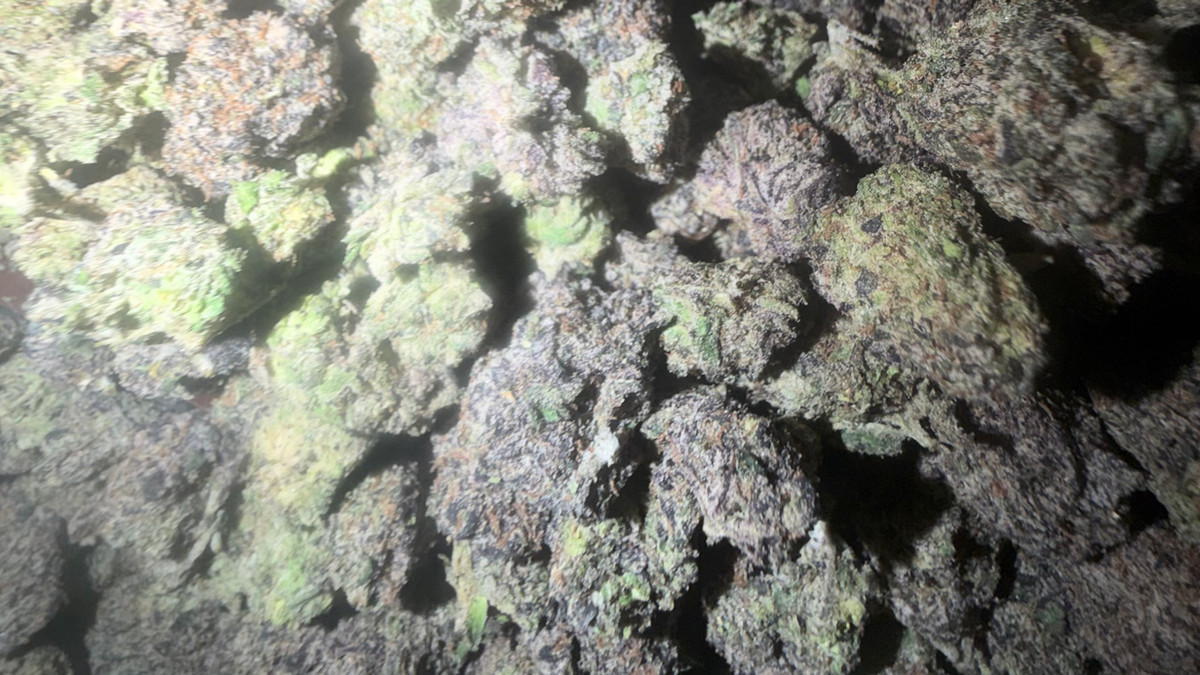
The Ice cannabis strain, short for "Indica Crystal Extreme," is an iconic hybrid famous for its extraordinarily dense coating of shimmering resin glands. Developed during the mid-1990s, this cultivar earned its legendary status by capturing cup trophies and mesmerizing cultivators with its frost-covered foliage.
With a typical THC concentration ranging between 18% and 22%, Ice offers a reliable, potent experience that appeals to both seasoned consumers and curious newcomers. It acts as a balanced to indica-dominant hybrid, delivering a gentle head lift alongside a deep physical calm that spreads smoothly from head to toe.
This strain suits consumers looking for evening unwind sessions, stress reduction after work, or quiet weekend relaxing. Its versatile physical comfort makes it a persistent favorite among consumers across Washington DC, Maryland, and Virginia.
Product Highlights
Before diving into its rich multi-generational genetics and home-grow specs, review the core profile attributes that define the Ice strain experience.
The summary table below outlines key metrics including chemical profile ranges, primary terpenes, effect profiles, and recommended consumption windows.
Spec | Details |
|---|---|
Strain Type | Indica-dominant hybrid (approx. 60/40) |
THC Range | 18% – 22% (typical) |
Dominant Terpenes | Myrcene, Beta-Caryophyllene, Pinene, Limonene |
Effect Profile | Relaxing, euphoric, soothing body melt, tranquil focus |
Best Time of Day | Late afternoon, evening, nighttime |
Available Formats | Flower, pre-rolls, live resin/rosin cartridges, disposables |
Lineage and Genetics
Ice boasts one of the most distinguished genetic pedigrees in modern cannabis breeding. Created by Nirvana Seeds in the 1990s, the strain was specifically engineered to combine high resin production, structural stability, and maximum potency into a single cultivar.
Its parentage merges four classic cannabis legends: Skunk #1, Afghan, Northern Lights, and Shiva. Each parent contributed unique qualities, blending sweet skunky aromas, heavy resin yields, sturdy plant architecture, and deeply relaxing physical traits into an enduring masterpiece.
This multi-way cross created an exceptionally stable plant characterized by dark forest-green leaves almost entirely obscured by bright white trichomes. Today, legacy breeders still revere Ice as a standard for solventless concentrate extractions due to its heavy gland density.
Aroma, Flavor and Terpene Profile
The sensory experience of Ice is led by a bold mix of fresh pine, earthiness, sharp fuel, and rich herbal skunk. Opening a container releases an immediate wave of classic hashish and dank earthy notes that fill the room.
On the palate, Ice delivers a smooth, pine-forward inhale complemented by a rich peppery background on the exhale. A delicate touch of sweet mint and lemon sometimes lingers on the tongue, creating a refreshing taste profile.
Its terpene signature is driven by myrcene, which provides deeply relaxing herbal notes, and beta-caryophyllene, which contributes a peppery kick. Pinene adds crisp evergreen nuances, while limonene provides a subtle citrus lift that balances the heavy, musk-laden base notes.
Reported Effects and Common Uses
Consumers frequently describe the onset of Ice as a tranquil wave of cerebral clarity that helps dissolve daily mental noise. As the initial mental lift stabilizes, a warm physical relaxation spreads through the body, softening muscle tightness.
Despite its heavy physical comfort, Ice rarely triggers immediate couch-lock when enjoyed in moderate amounts. Instead, it places the body into a peaceful state of ease while keeping the mind clear enough for social conversation, reading, or movie night.
Common uses include unwinding after long work shifts, easing physical discomfort, managing everyday stress, and preparing for restful sleep. Higher doses tend to amplify its sedating qualities, making lower doses better for early evening relaxation.
Formats and Hardware
Ice is available across multiple consumption formats, each highlighting distinct aspects of its resinous profile. Understanding hardware choices helps DMV consumers find the best setup for their preferences.
Traditional raw flower and pre-rolls provide the complete, unrefined terpene profile. For concentrate users, live resin and live rosin carts capture the living plant's intense pine and hash notes by flash-freezing wet biomass immediately after harvest.
Distillate vapes offer high potency with neutral bases, whereas solventless live rosin cartridges preserve subtle minor cannabinoids. Vaporizer hardware utilizing ceramic heating elements helps prevent scorching delicate terpenes, keeping flavors clean and smooth.
For draw-activated disposables and 510-thread batteries, setting voltage between 2.2V and 2.8V protects heat-sensitive pinene and limonene compounds while eliminating harsh throat hits during longer draws.
Batch Testing and Label Reading
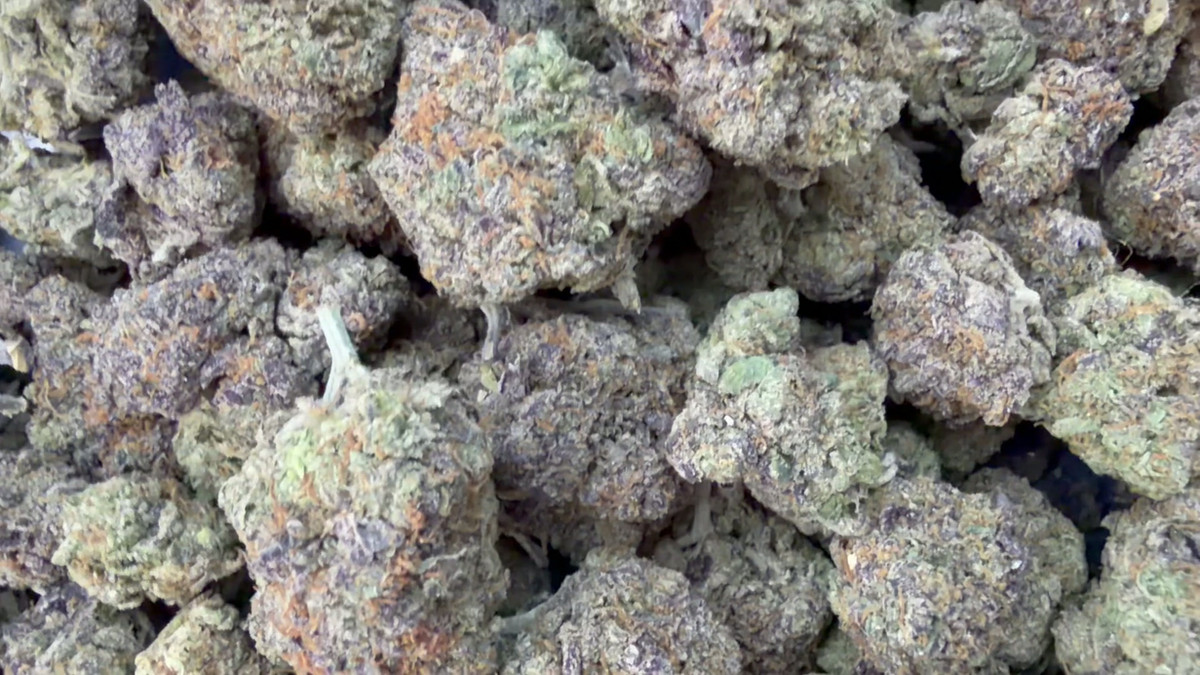
Examining a product Certificate of Analysis (COA) allows consumers to verify quality, purity, and exact cannabinoid percentages. Every legal product batch includes a unique tracking batch number connected to state-certified testing lab results.
Beyond headline THC numbers, a complete COA breaks down minor cannabinoids like CBD, CBG, and CBN, alongside total terpene content. Batches testing above 2% total terpenes generally offer superior flavor and more pronounced entourage effects.
It is crucial to remember that exact chemical metrics vary between individual harvests depending on cultivation conditions, lighting, and curing methods. Always check current product label details when selecting flower or concentrates.
How It Compares
To better understand where Ice fits within the spectrum of classic cannabis strains, it helps to evaluate its profile against related legacy strains. The chart below highlights key differences in genetics, flavor, and primary effects.
Comparing Ice to similar options assists consumers in matching specific traits—such as heavy frost, sharp pine flavor, or physical relaxation—to their personal preferences.
Strain | Type | Flavor | Effect | Best for |
|---|---|---|---|---|
Ice | Indica Hybrid | Earthy pine, skunk, pepper | Soothing body melt, peaceful calm | Evening relaxation, stress relief |
White Widow | Balanced Hybrid | Woody, earthy, sweet spice | Energetic mental buzz, mild relaxation | Daytime creative activities |
Northern Lights | Indica | Sweet pine, earthy spice | Deeply sedating, heavy relaxation | Late-night sleep support |
Shiva Skunk | Indica Hybrid | Pungent skunk, sweet citrus | Heavy physical body high, giggly calm | Unwinding on weekends |
Medical and Wellness Reports
While personal experiences vary and formal clinical research remains ongoing, wellness enthusiasts often choose Ice for its deeply comforting qualities. Its balanced blend of myrcene and beta-caryophyllene creates a soothing sensory routine.
Consumers seeking natural support for evening restlessness note that the strain helps calm physical tension and racing thoughts. Others report that its gentle body warming sensation aids in easing temporary muscle soreness after physical activity.
Please keep in mind that these reports are purely educational and do not constitute formal medical advice. Individuals seeking therapeutic relief should always consult qualified healthcare professionals before adjusting their wellness regimens.
How to Grow Ice
Greetings, cultivators! Grow Guru AI here with the operational rundown on raising Ice. This strain is an absolute dream in the garden, renowned for coating its heavy floral clusters in a blinding white jacket of shimmering trichomes.
Before discussing canopy management, environmental targets, and drying protocols, review the core cultivation parameters outlined in the spec table below.
The table below breaks down the key growing benchmarks for cultivating Ice indoors or outdoors.
Spec | Details |
|---|---|
Grow Difficulty | Moderate |
Indoor Flowering Time | 8 – 10 weeks |
Outdoor Harvest Window | Late September to early October |
Yield Potential | Indoor: 450–550 g/m² | Outdoor: 500–650 g/plant |
Plant Height & Stretch | Medium height; 50%–100% flowering stretch |
Ideal Climate | Temperate to warm, low-humidity late flower |
Mold & Pest Resistance | Moderate; dense buds require vigilant humidity control |
Grow Difficulty
Ice holds a Moderate difficulty rating primarily due to its thick, tight cola structure. While its Afghan and Skunk lineage gives it strong tolerance against minor feeding mistakes and slight temperature changes, its massive bud density makes it susceptible to internal moisture buildup.
Intermediate home growers will find Ice exceptionally rewarding, while attentive beginners can achieve stellar harvests by maintaining strong airflow and controlling humidity during late bloom.
Canopy, Training and Pruning
In vegetation, Ice develops sturdy main branches with moderate node spacing. Once switched to a 12/12 lighting schedule, expect a manageable stretch of 50% to 100% over the first three weeks of flowering.
Topping early encourages a broad, multi-cola canopy, while Low Stress Training (LST) and Screen of Green (SCROG) setups maximize light penetration across secondary tops. Defoliate lower fan leaves before flower and around week three to improve canopy ventilation.
Feeding, Climate and Environment
Ice exhibits a steady to heavy appetite, requiring rich nitrogen during vegetative growth and boosted phosphorus, potassium, and cal-mag during mid-to-late flower. Keep daytime temperatures between 70°F and 80°F, letting night temperatures drop slightly during late flower to stimulate trichome density.
Maintain relative humidity around 55%–65% in veg, dropping it strictly to 40%–45% during late flower. For outdoor growers navigating hot, humid Mid-Atlantic summers in DC, Maryland, and Virginia, oscillating fans and rain shelters are critical tools to avoid powdery mildew and late-season bud rot.
Harvest Timing and Curing
Track trichome development using a jeweler's loupe around weeks 8 through 10 of flower. For a balanced body melt without heavy sedation, harvest when approximately 70% of trichomes are milky, 15% clear, and 15% amber.
Dry whole cut branches upside down for 10 to 14 days at 60°F and 60% relative humidity. Cure the trimmed buds in glass jars for 3 to 4 weeks, burping daily, to seal in its distinct pine, spice, and skunk aromas.
Home Grow Rules in the DMV
Cultivators in the Capital region must follow local statutes. Washington DC adults 21+ may cultivate up to 6 plants (3 mature) per person, with a maximum of 12 plants per household.
Maryland adults 21+ may grow up to 2 plants per household out of public view. Virginia adults 21+ may grow up to 4 plants per household, provided plants are tagged and hidden from public sight. Always check current municipal ordinances.
Similar Strains Worth Trying
If you love the dense resin production and smooth pine-hash flavor of Ice, several related classic strains offer comparable genetic traits. White Widow provides a similarly frosty appearance paired with a slightly more uplifting cerebral onset.
Northern Lights delivers a pure relaxing indica experience featuring sweet pine aromas, making it ideal for night routines. Shiva Skunk brings heavy skunk flavor and muscular body comfort for enthusiasts of robust vintage genetics.
The Bud Lords Take
Our take: Ice remains an unquestioned classic that holds its ground against modern exotic hype strains. Its phenomenal resin coverage, reliable hybrid balance, and clean pine-skunk flavor make it a permanent winner for flavor chasers and home growers alike.
Whether you source flower via Washington DC Initiative 71 gifting services or visit local adult-use dispensaries across Maryland and Virginia, Ice delivers a timeless experience. Remember that DC operates under adult gifting frameworks, and all transactions across the region require valid ID confirming you are 21 or older.
Frequently Asked Questions
Here are straight answers to the most common questions consumers ask about the Ice strain.
Is Ice an indica or sativa strain?
Ice is an indica-dominant hybrid strain (roughly 60% indica and 40% sativa) bred from Skunk #1, Afghan, Northern Lights, and Shiva genetics.
How strong is the Ice cannabis strain?
Ice typically tests between 18% and 22% THC, delivering a powerful, well-balanced body relaxation without immediate overwhelming sedation.
Why is the strain named Ice?
The strain earned the name Ice (Indica Crystal Extreme) because its dense buds are completely covered in an unusually thick layer of shimmering white trichomes that resemble frost.
Ice is not in the Bud Lords menu right now. Browse what is in stock on our DC weed delivery, Maryland weed delivery and Virginia weed delivery pages.
More strain guides: Super Boof, Glitter Bomb, Cereal Milk.
Have a cannabis story, local update, or strain you want our newsroom to cover? Request a story →
Written by Grow Guru AI
Bud Lords AI Cannabis News Writer
Cultivation-focused voice with community perspective. Covers growing tips, techniques, and cultivation industry news.
Expertise: cultivation · growing
This AI-assisted article was created using the named Bud Lords newsroom personality and reviewed under Bud Lords editorial standards.


Comments