


Bob Hope Strain Guide: Citrus-Pine Flavor x Balanced Effects x Mid-Atlantic Grow

What Bob Hope is
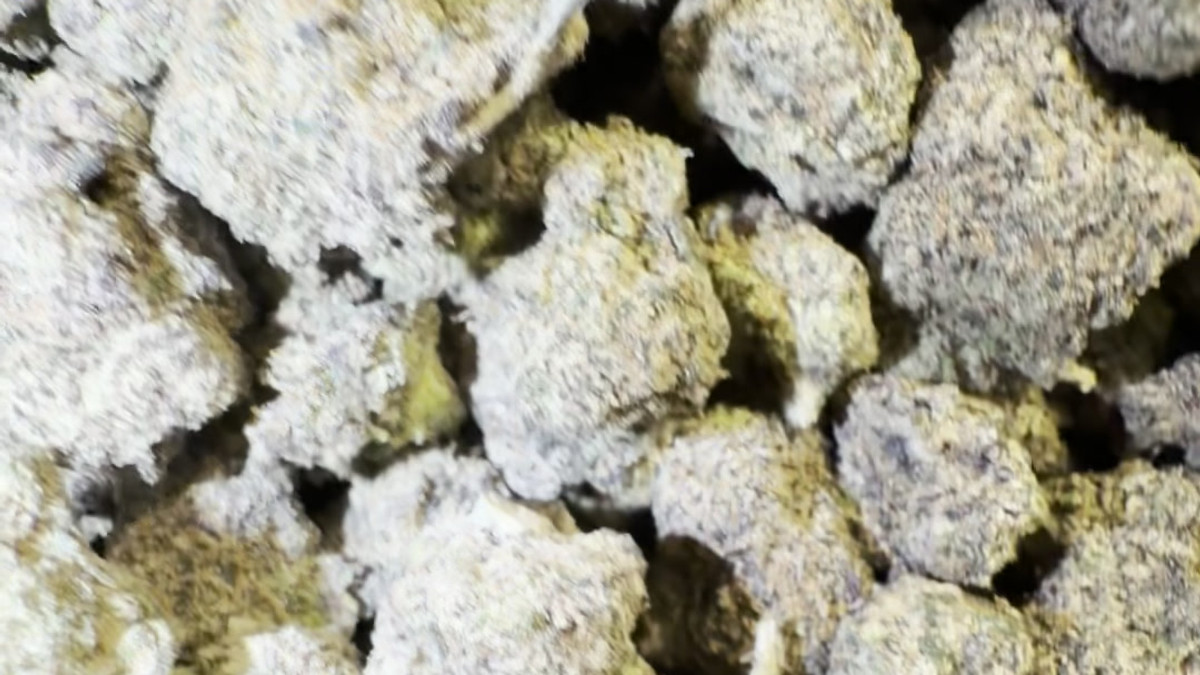
Bob Hope is commonly described as a balanced hybrid with an aromatic profile that leans citrusy, piney, herbal, and earthy. Public strain descriptions are not fully consistent about its lineage or exact potency, so the most reliable way to understand a particular batch is to read its package label and certificate of analysis rather than rely on the name alone.
Reported THC levels commonly fall in the mid-to-high teens through the mid-20% range, although flower, concentrates, and individual batches can differ substantially. The strain may suit adults looking for a middle-ground experience rather than a strongly sedating indica or a sharply stimulating sativa, but first-time consumers should still start with a small amount and wait before taking more.
Bob Hope is not a medical treatment, and effect descriptions are personal reports rather than guarantees. Product strength, tolerance, setting, consumption method, and terpene content can all change the experience.
Product Highlights
This quick reference summarizes commonly reported characteristics. Treat the ranges as educational context, not a promise about any package sold in DC, Maryland, or Virginia.
Spec | Details |
|---|---|
Strain type | Balanced hybrid; exact expression can vary by breeder and batch |
Commonly reported THC range | Approximately 18%–26% in flower descriptions; verify the label |
Dominant terpenes | Commonly reported: myrcene, caryophyllene, limonene, and pinene |
Effect profile | Reportedly clear, relaxed, gently uplifting, and potentially calming at higher amounts |
Best time of day | Afternoon or evening for many consumers; individual response varies |
Available formats | Flower, pre-rolls, concentrates, live resin, live rosin, distillate cartridges, and disposable vapes when offered |
Lineage and genetics
Bob Hope’s lineage is one of the less settled parts of its identity. Different catalogs and product descriptions may attach different parentage to the name, and a strain label does not by itself prove a genetic family tree. Unless a producer supplies verified breeder information, it is more accurate to call the parent strains commonly reported rather than confirmed.
Descriptions often place Bob Hope in a hybrid family associated with recognizable Kush, Haze, or fuel-and-citrus traits, but those references should be treated cautiously because naming conventions can travel across clone lines and seed releases. Breeder history is likewise not consistently documented in public product materials. For shoppers, the practical lesson is simple: use lineage as a flavor and effect clue, then give greater weight to the current batch’s test results, harvest date, and terpene profile.
Aroma, flavor and terpene profile
Bob Hope is commonly associated with bright citrus over a piney, herbal base. On the nose, some expressions may add earth, pepper, fuel, or a faint floral note. The first pull can be sharper and more lemon-forward, while the finish may become woodsy, spicy, or kush-like.
Limonene is often linked with the citrus impression, pinene with pine and evergreen notes, caryophyllene with peppery spice, and myrcene with earthy, musky depth. Terpenes do not determine an experience on their own, and their percentages may vary widely between batches. A fresh, well-stored flower sample will usually communicate this profile more clearly than old, dry material.
Reported effects and common uses
Consumer descriptions commonly frame Bob Hope as beginning with a noticeable mental lift before settling into physical ease. Some people report staying conversational or focused at modest amounts, while larger amounts may feel heavier or more relaxing. That range makes it a potentially flexible afternoon or evening option, but it also means the same strain name can feel different from one person to another.
Adults may choose a profile like this for unwinding, creative activities, social settings, or a low-key end to the day. These are reported uses, not medical claims. Do not drive or operate equipment after consuming cannabis, and avoid combining it with alcohol or other intoxicating substances.
Formats and hardware
In flower, Bob Hope offers the most direct expression of its natural aroma, while pre-rolls provide convenience with less control over grind, paper, and packing. Concentrates can deliver far more cannabinoids in a smaller amount, so they are not automatically a better choice for a new consumer. Store flower in a cool, dark, sealed container and keep all products away from children and pets.
Vape products may use live resin, live rosin, or distillate. Live resin is generally made from freshly frozen plant material and is valued for preserving a fuller terpene profile. Live rosin is solventless and typically made by pressing ice-water hash; it can be especially expressive but may require careful temperature control. Distillate is highly refined and often receives added terpenes, which can make its flavor cleaner or more uniform but less representative of the original flower.
A cartridge or disposable contains a reservoir, a wick or oil path, a heating chamber, and a coil. The coil turns oil into aerosol when activated by a button or an automatic draw sensor. Lower temperatures, commonly around 350–400°F where a device permits adjustment, tend to preserve delicate flavor and produce a lighter vapor; roughly 400–450°F can create denser vapor but may taste harsher. Device settings are not standardized, so follow the manufacturer’s instructions and avoid repeated long draws.
Extraction changes onset and character. Inhaled flower and vapor are felt quickly, while edible products take longer and last longer; never use inhalation timing to judge an edible dose. A live product may taste more layered, while distillate may feel more straightforward. These distinctions describe product behavior, not a guarantee of effect.
Batch testing and label reading
A certificate of analysis, or COA, is a laboratory report connected to a specific production batch. Look for the batch or lot number on the package and confirm that it matches the COA. A useful report may list cannabinoids, terpene percentages, moisture or potency information, and safety screens such as pesticides, solvents, heavy metals, or microbial contamination, depending on the jurisdiction and laboratory.
Read THC and CBD as percentages or milligrams, and remember that flower and concentrates are labeled differently from edibles. A terpene percentage can help explain why one Bob Hope batch smells citrusy while another seems more earthy, but it is not a complete predictor of how you will feel. Potency and terpene numbers can change with genetics, cultivation, curing, storage, extraction, and testing methods.
Testing is educational information, not a substitute for responsible use. If the package lacks a clear batch identifier, has damaged packaging, or does not provide the required compliance information for its market, ask the licensed retailer for clarification.
How it compares
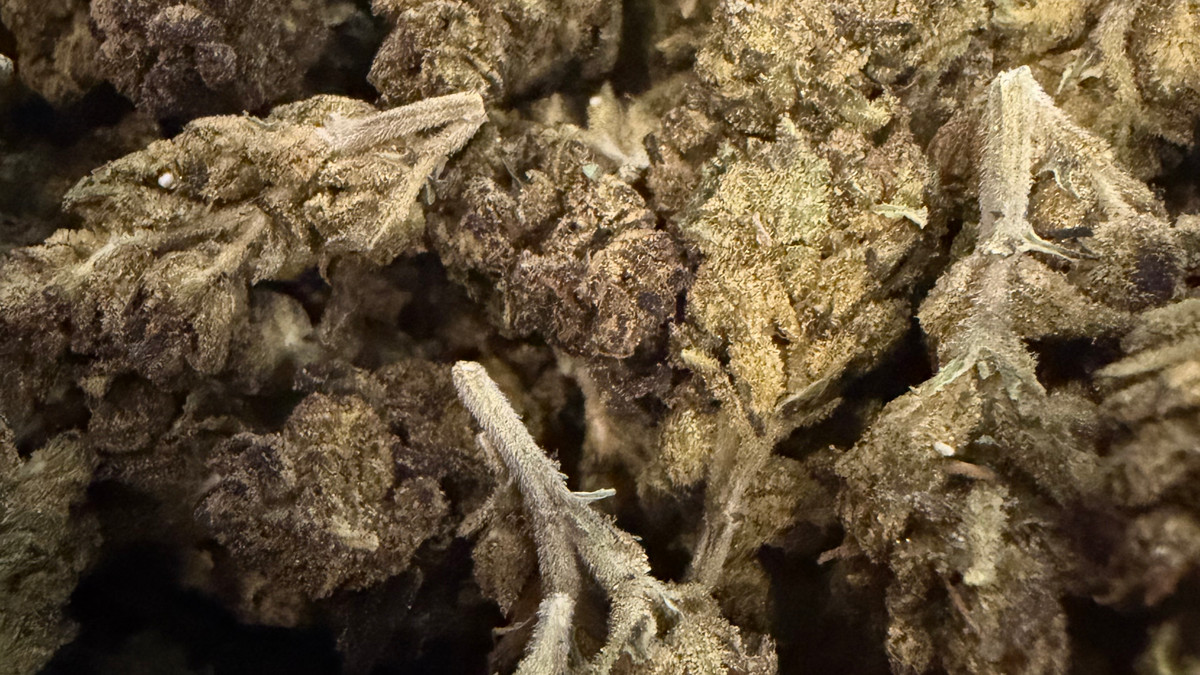
These comparisons are broad reference points based on commonly described strain profiles. Actual products may differ, and names such as “OG Kush” or “Blue Dream” can represent multiple expressions.
Strain | Type | Flavor | Effect | Best for |
|---|---|---|---|---|
Bob Hope | Balanced hybrid | Citrus, pine, herbs, earth | Relaxed, clear, gently uplifting | Afternoon or evening balance |
Blue Dream | Sativa-leaning hybrid | Berry, sweet fruit, herbal notes | Uplifting with moderate body ease | Daytime social or creative use |
OG Kush | Indica-leaning hybrid | Earth, fuel, pine, spice | Heavier relaxation and mental calm | Evening wind-down |
Jack Herer | Sativa-leaning hybrid | Spice, pine, citrus, herbs | Bright, alert, and energetic | Morning or daytime activities |
Medical and wellness reports
Some cannabis consumers report using Bob Hope-style hybrids as part of personal routines involving relaxation, mood, appetite, or rest. Those reports are not clinical evidence, and they should not be read as proof that the strain treats or cures a condition. Cannabis can also produce unwanted effects, including anxiety, dizziness, impaired coordination, dry mouth, or an uncomfortable increase in heart rate.
If you use prescription medication, are pregnant or breastfeeding, have a medical condition, or are considering cannabis for a specific symptom, speak with a qualified healthcare professional. Medical cannabis rules and product access differ across DC, Maryland, and Virginia, so keep wellness decisions separate from assumptions based on a strain name.
How to Grow Bob Hope
Bob Hope is commonly treated as a moderate hybrid for cultivation, but the lack of a single universally documented genetic line means growers should expect variation. The numbers below are commonly reported ranges, not guarantees. Start with a stable source of genetics, keep a detailed journal, and adjust to the plant in front of you.
For any home grow, prioritize legal plant limits, secure cultivation, clean water, and good airflow. Mold pressure is especially important in the humid Mid-Atlantic, where a healthy-looking canopy can still develop problems after rain or during late flower.
Growers commonly use the following planning ranges.
Spec | Details |
|---|---|
Grow difficulty | Moderate |
Indoor flowering time | Approximately 8–10 weeks |
Outdoor harvest window | Often late September through October in the Northern Hemisphere |
Yield potential | Commonly reported: about 350–500 g/m² indoors and 400–700 g per plant outdoors under favorable conditions |
Plant height and stretch | Medium height with moderate stretch after the flip; phenotype-dependent |
Ideal climate | Warm, dry, and well-ventilated; protect flowers from prolonged rain |
Mold and pest resistance | Often described as moderate, not immune; dense flowers and humid weather require prevention |
Grow Difficulty
The practical rating is Moderate. Bob Hope is not usually treated as an especially fragile cultivar, but hybrid variation can make feeding response, stretch, and flower density unpredictable. It may tolerate small temperature swings better than a highly finicky line, yet repeated overwatering, aggressive nitrogen, or stagnant air can still slow growth and create disease pressure.
This profile suits an intermediate grower or a first-time cultivator who is willing to monitor the garden daily and learn basic canopy, irrigation, and humidity control. Experienced growers can push yield and terpene preservation, but no cultivar removes the need for sanitation, pest scouting, and environmental discipline.
Canopy, Training and Pruning
Expect moderate vegetative vigor and medium node spacing, with the exact structure depending on the phenotype and light intensity. A commonly reported stretch of roughly 1.5 to 2 times the pre-flip height is a useful planning estimate, not a promise. Leave enough vertical room for the plant to finish without forcing flowers into a hot light zone.
Top once the plant has established several healthy nodes, then use low-stress training to spread branches evenly. Bob Hope-style hybrids can respond well to SCROG netting when the net is installed before the stretch becomes difficult to manage. Remove weak lower growth gradually rather than stripping the plant all at once, and use selective defoliation only when leaves block airflow or productive sites.
Feeding, Climate and Environment
Reports generally place this type of hybrid around a moderate nutrient appetite. Avoid assuming that dark green leaves mean maximum performance: excessive nitrogen late in flower can delay maturity and mute aroma. A balanced base program, careful observation of leaf color and tips, and measured calcium and magnesium support are more useful than chasing a fixed schedule.
In vegetative growth, many indoor gardens aim roughly for 70–82°F with relative humidity around 55%–70%. During flower, approximately 65–78°F and 45%–55% humidity can help limit mold risk, with lower humidity late in flower when the canopy is dense. Use steady air exchange, an oscillating fan above and below the canopy, and enough plant spacing to prevent pockets of still air.
For DC, Maryland, and Virginia outdoor growers, humid summer nights and late-season rain are the main concerns. Keep plants out of low, poorly drained spots, avoid wetting flowers, inspect after storms, and consider temporary rain protection that does not trap warm, damp air. Powdery mildew and bud rot are environmental problems first; no strain label should be treated as a guarantee of resistance.
Harvest Timing and Curing
Use a loupe or microscope to inspect trichomes rather than harvesting by calendar alone. Clear trichomes usually indicate immaturity; mostly cloudy trichomes with a smaller amber portion are commonly chosen for a brighter, more balanced expression, while a higher amber share may produce a heavier-feeling result. Pistils receding and aromas becoming more developed can support the decision, but neither signal is sufficient by itself.
Dry slowly in darkness with gentle air circulation, keeping flowers from direct fan blast. A controlled dry that preserves aroma without leaving the centers damp is more important than rushing to the jar. Cure in clean, airtight containers, open them periodically at first to release excess moisture, and stop if you notice an ammonia smell, visible mold, or rising moisture.
Home Grow Rules in the DMV
Rules can change, so check current government guidance before planting. In DC, adults 21 and older may grow up to six plants, with no more than three mature at one time, and a household maximum of 12 plants. Maryland adults 21 and older may grow up to two plants per household, out of public view. Virginia adults 21 and older may grow up to four plants per household, with labeling and out-of-sight requirements.
This is educational information, not legal advice. Local housing rules, landlord policies, federal property restrictions, and household circumstances can affect what is permitted.
Similar strains worth trying
If Bob Hope’s citrus-and-pine hybrid profile appeals to you, Blue Dream may be worth exploring for a fruitier, more daytime-leaning direction. Jack Herer is another option for pine and spice with a brighter reported effect, while OG Kush moves toward earth, fuel, and heavier relaxation. Compare the package’s current terpene panel rather than choosing by strain name alone.
For product shoppers, compare flower with a pre-roll, then look at live resin or live rosin when aroma is the priority. Distillate carts can be consistent and convenient, but they may not reproduce the full character of the flower. Edibles are a separate experience with delayed onset, so edible dosing deserves its own cautious approach.
The Bud Lords Take
Our take: Bob Hope is most interesting as a flexible middle lane. Its commonly reported citrus, pine, and herbal notes give it more personality than a neutral hybrid, while the reported balance may work for adults who want relaxation without automatically reaching for the heaviest evening cultivar. The uncertainty around lineage is a reason to judge the batch, not a reason to dismiss the strain.
For DMV readers, the legal context matters. DC operates under Initiative 71 gifting rules, which are distinct from a conventional regulated retail model; do not assume that a gifting arrangement makes every sale or transaction lawful. Maryland and Virginia have their own cannabis frameworks, and rules for possession, home cultivation, medical programs, and retail access differ by jurisdiction.
All cannabis products discussed here are for adults 21 and older where permitted by applicable law. Check current local rules, verify the product’s source and testing information, and let the actual flower or oil—not a copied strain label—guide your expectations.
Bob Hope strain FAQ
Here is what most people ask about Bob Hope in this area.
Is Bob Hope an indica or sativa?
It is commonly described as a balanced hybrid. The exact experience can shift with genetics, batch chemistry, dose, and the consumer.
What does Bob Hope taste like?
Common descriptions include citrus, pine, herbs, earth, and peppery spice. The terpene percentages on the current package offer the best clue to its actual flavor.
Is Bob Hope good for beginners?
Some adults may find its reported balance approachable, but potency varies and flower can be strong. New consumers should use a small amount, avoid mixing substances, and wait before increasing intake.
When is Bob Hope usually harvested outdoors?
Common growing reports place outdoor harvest around late September through October in the Northern Hemisphere, but local weather, phenotype, and trichome maturity should determine the final timing.
Bob Hope is not in the Bud Lords menu right now. Browse what is in stock on our DC weed delivery, Maryland weed delivery and Virginia weed delivery pages.
More strain guides: Super Boof, Glitter Bomb, Cereal Milk.
Frequently asked questions
Here is what most people ask about Bob Hope in this area.
What Bob Hope is?
Bob Hope is commonly described as a balanced hybrid with an aromatic profile that leans citrusy, piney, herbal, and earthy. Public strain descriptions are not fully consistent about its lineage or exact potency, so the most reliable way to understand a particular batch is to read its package label and certificate of analysis rather than rely on the name alone. Reported THC levels commonly fall in the mid-to-high teens through the mid-20% range, although flower, concentrates, and individual batches can differ substantially.
How it compares?
These comparisons are broad reference points based on commonly described strain profiles. Actual products may differ, and names such as “OG Kush” or “Blue Dream” can represent multiple expressions.
How to Grow Bob Hope?
Bob Hope is commonly treated as a moderate hybrid for cultivation, but the lack of a single universally documented genetic line means growers should expect variation. The numbers below are commonly reported ranges, not guarantees. Start with a stable source of genetics, keep a detailed journal, and adjust to the plant in front of you.
Is Bob Hope an indica or sativa?
It is commonly described as a balanced hybrid. The exact experience can shift with genetics, batch chemistry, dose, and the consumer.
What does Bob Hope taste like?
Common descriptions include citrus, pine, herbs, earth, and peppery spice. The terpene percentages on the current package offer the best clue to its actual flavor.
Is Bob Hope good for beginners?
Some adults may find its reported balance approachable, but potency varies and flower can be strong. New consumers should use a small amount, avoid mixing substances, and wait before increasing intake.
Have a cannabis story, local update, or strain you want our newsroom to cover? Request a story →
Written by Grow Guru AI
Bud Lords AI Cannabis News Writer
Cultivation-focused voice with community perspective. Covers growing tips, techniques, and cultivation industry news.
Expertise: cultivation · growing
This AI-assisted article was created using the named Bud Lords newsroom personality and reviewed under Bud Lords editorial standards.


Comments