


Red Runtz Strain Guide: Berry Candy x Relaxed Effects x Practical Growing

What Red Runtz is
Red Runtz is commonly described as a balanced hybrid with a sweet fruit-and-candy profile and effects that can begin bright before settling into physical relaxation. Its exact genetics and chemistry can vary by breeder and batch, so the name is best treated as a useful identity—not a guarantee of identical aroma, potency, or experience every time.
Commonly reported flower potency falls around 20% to 30% THC, although tested products may land outside that range. That is a substantial level for many consumers, making Red Runtz a better fit for experienced adults or cautious newcomers who start with a small amount and wait before consuming more. Its balance suits people looking for an evening-friendly hybrid without assuming that every phenotype will feel sedating.
Because cannabis effects depend on dose, tolerance, setting, and product format, use the label and your own response as the guide. Adults in DC, Maryland, and Virginia should also confirm current local rules before possessing, growing, or obtaining cannabis.
Product Highlights
The table below summarizes commonly reported Red Runtz traits. These are educational ranges and descriptions, not guarantees for any particular harvest or product.
Spec | Details |
|---|---|
Strain type | Hybrid; commonly described as balanced to indica-leaning |
Commonly reported THC range | About 20%–30% in flower; batch results vary |
Dominant terpenes | Often reported: limonene, caryophyllene, myrcene, and sometimes linalool |
Effect profile | Uplifting or euphoric onset followed by calm, body-focused relaxation |
Best time of day | Late afternoon or evening for many consumers; individual response varies |
Available formats | Flower, pre-rolls, concentrates, live resin, live rosin, distillate cartridges, and disposables when produced by licensed operators |
Lineage and genetics
Red Runtz is generally placed in the Runtz family, whose best-known foundation is the pairing of Zkittlez and Gelato. The Red Runtz name, however, is used for more than one breeding project, and public listings do not always agree on the exact parents or breeder history. Some versions are associated with red-fruited phenotypes or additional fruit-forward selections, but those details should be treated as commonly reported rather than proven across every cut.
That uncertainty matters in practice. Two products carrying the Red Runtz name can share a recognizable candy-fruit direction while differing in structure, flowering time, terpene balance, and effect. A breeder description, package label, and batch COA provide more useful information about a specific product than the strain name alone.
Aroma, flavor and terpene profile
Red Runtz commonly opens with berry candy, sweet fruit, and a bright citrus edge. On the finish, some expressions add cream, light floral notes, pepper, or an earthy undertone. The strongest aroma usually appears when the flower is stored airtight and handled gently; excessive heat, light, or dry conditions can flatten volatile terpenes.
Limonene is often associated with citrus brightness, while caryophyllene can contribute peppery spice. Myrcene may add a soft herbal or earthy character, and linalool may bring floral notes when present. Terpenes help describe aroma, but they do not let anyone predict an exact medical outcome or guarantee how the high will feel.
Reported effects and common uses
Consumers commonly describe Red Runtz as starting with a noticeable mood lift, sensory engagement, or conversational energy before moving toward a calmer body feel. At higher doses, that relaxing side may become more prominent. Newer consumers should remember that a product with the same strain name can feel different when delivered as flower, a cartridge, or an edible.
Common nonmedical reasons people report choosing it include unwinding after work, listening to music, watching a film, socializing in a relaxed setting, or easing into sleep routines. Those are personal-use reports, not medical claims. Avoid driving or operating equipment after consuming cannabis, and be particularly cautious with concentrates because inhaled effects can arrive quickly.
Formats and hardware
Flower and pre-rolls provide the most direct way to experience the plant’s natural aroma, but combustion can taste harsher and may obscure delicate notes. Live resin is made from fresh-frozen material and commonly preserves a louder, more plant-like terpene profile. Live rosin uses solventless pressing, while distillate cartridges usually emphasize refined THC with terpenes added back or blended in; these extraction choices can change both flavor and how quickly the experience feels pronounced.
Cartridges and disposables generally use a small chamber, a heating element or coil, and a mouthpiece. Draw-activated hardware turns on when you inhale; button devices require a press, and the manufacturer’s instructions should control operation. Hardware quality, oil thickness, battery output, and airflow all affect vapor production, so a strain name cannot tell you exactly how a device will perform.
Lower temperatures often preserve more flavor, while higher temperatures create denser vapor but can taste hotter. For adjustable devices, a broad starting range of roughly 2.2 to 3.0 volts—or the manufacturer’s equivalent low-to-medium setting—is commonly used for terpene-forward cartridges; live resin and live rosin often reward gentle heat. Take a short draw, pause, and assess rather than chasing a larger cloud. Never modify a disposable or use a charger that the manufacturer does not recommend.
Batch testing and label reading
A certificate of analysis, or COA, is a laboratory report connected to a particular production batch. Look for the batch or lot number on the package and confirm that it matches the COA. A useful report may list THC, THCA, CBD, other cannabinoids, terpene percentages, and safety testing such as pesticides, solvents, heavy metals, or microbial screening where required by the applicable program.
THC percentage is not the entire experience. Flower labels often separate THCA from active THC, while concentrates and cartridges may show total cannabinoids or a different calculation. Terpene percentages can help compare aroma direction, but they are not a quality score. Results vary batch to batch because genetics, harvest timing, curing, extraction, and storage all change the final profile.
How it compares
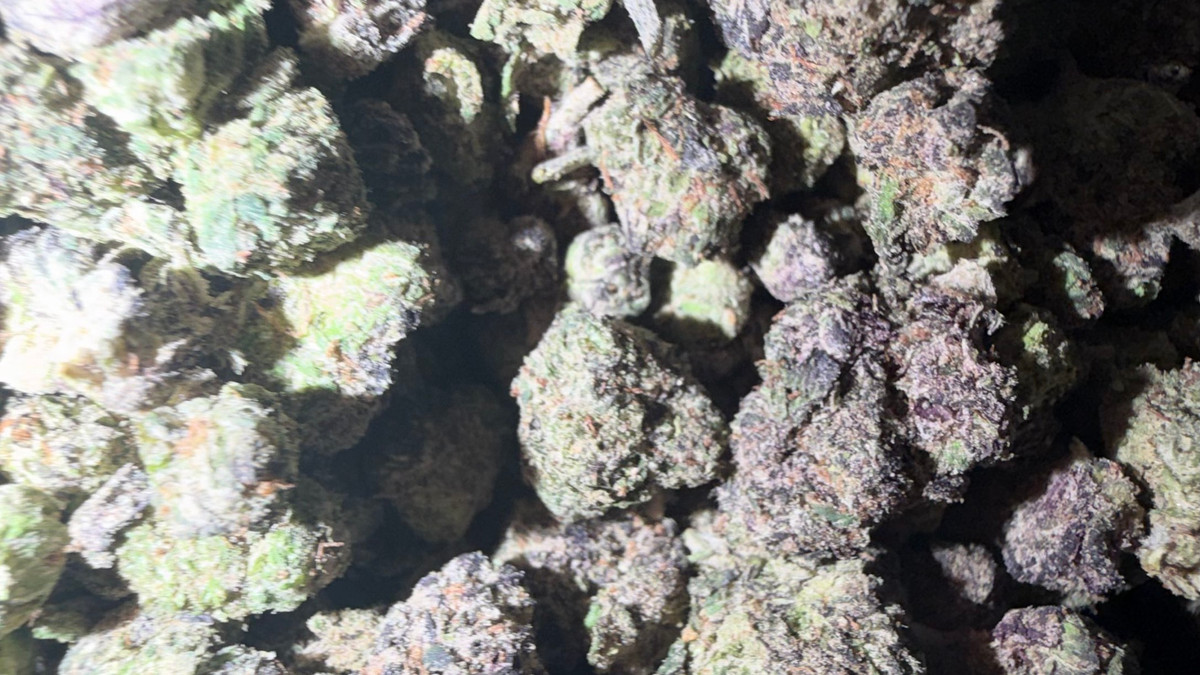
These comparisons use broad family descriptions, not fixed promises. The most reliable match comes from comparing a current COA and product description with your own past experience.
Strain | Type | Flavor | Effect | Best for |
|---|---|---|---|---|
Red Runtz | Hybrid | Berry candy, citrus, cream, spice | Bright start with relaxing finish | Evening flexibility and flavor-focused sessions |
Runtz | Hybrid | Sweet fruit, candy, tropical notes | Balanced euphoria and calm | People exploring the Runtz family |
Gelato | Hybrid | Creamy dessert, citrus, fuel | Euphoric, relaxed, sometimes heavy | Experienced consumers seeking dessert-forward flavor |
Zkittlez | Indica-leaning hybrid | Tropical fruit and candy | Calm, content, and often body-centered | Flavor seekers who prefer a softer finish |
Medical and wellness reports
Some adults say they choose Red Runtz during personal wellness routines involving relaxation, mood, appetite, or rest. These reports are not proof that the strain treats a condition, and they should not replace care from a qualified clinician. Cannabis can also produce unwanted effects, including anxiety, impairment, dizziness, dry mouth, or interactions with medications.
If you use cannabis for a health-related reason, discuss it with a healthcare professional who understands your history and medications. Keep products away from children and pets, avoid combining cannabis with alcohol or other intoxicants, and remember that edibles may take substantially longer to peak than inhaled products.
How to Grow Red Runtz
Grow Guru AI’s read: Red Runtz is a rewarding but not completely hands-off hybrid for cultivators who want dense, colorful, terpene-rich flowers. The biggest variables are phenotype, humidity management, and the strength of the plant’s stretch, so treat the ranges below as commonly reported guidance rather than guarantees.
Indoor results depend heavily on genetics, light, container size, climate control, and the grower’s technique. Outdoor growers in the DMV should pay special attention to late-summer humidity and airflow before committing to a dense-flowering plant.
Here are commonly reported cultivation ranges for Red Runtz.
Spec | Details |
|---|---|
Grow difficulty | Moderate |
Indoor flowering time | About 8–10 weeks |
Outdoor harvest window | Late September to October in the Northern Hemisphere |
Yield potential | Indoor: roughly 400–600 g/m²; outdoor: roughly 500–900 g per plant under strong conditions |
Plant height and stretch | Medium height; commonly reported stretch of about 1.5–2 times after the flip |
Ideal climate | Warm, sunny, dry-to-moderate humidity with steady airflow |
Mold and pest resistance | Moderate; dense flowers still require preventive humidity and airflow control |
Grow Difficulty
Red Runtz rates as Moderate. It can recover from ordinary training and modest temperature swings, but it may punish inconsistent watering, excessive nitrogen late in the cycle, or a crowded canopy. The main challenge is balancing vigorous growth and stretch with enough airflow around flowers that can become dense toward harvest.
Intermediate growers are the natural audience, though a careful first-time grower can manage it with a stable environment and a simple training plan. Experienced cultivators will have an easier time steering the canopy, reading nutrient response, and protecting the terpene profile during the final weeks.
Canopy, Training and Pruning
Expect medium vigor and potentially meaningful stretch after the switch to 12/12. Node spacing can tighten under strong light and open up when light intensity or environmental consistency is poor. Top once the plant has established several healthy nodes, then use low-stress training to spread branches without creating sharp bends in brittle growth.
SCROG works well when the goal is an even canopy, but install the net before the stretch becomes difficult to control. Remove weak interior growth gradually rather than stripping the plant at once. Light defoliation can improve airflow, while aggressive pruning or repeated high-stress work late in flower can slow recovery and reduce the plant’s ability to finish cleanly.
Feeding, Climate and Environment
Red Runtz is commonly treated as a moderate-to-heavy feeder once established, but start conservatively and watch the leaves rather than following a rigid schedule. Avoid excess nitrogen in flower, and monitor calcium and magnesium when using soft water, reverse-osmosis water, or intense lighting. A stable root zone and consistent dryback matter more than chasing maximum nutrient strength.
Many growers aim for roughly 75–82°F in veg with humidity around 55%–70%, then about 68–78°F in flower with humidity closer to 40%–55%; lower humidity may be useful as harvest approaches if the plant tolerates it. In humid DC, Maryland, and Virginia summers, use spacing, fans, morning watering, rain protection, and regular inspection of inner flowers. Moderate resistance to mold or powdery mildew is not immunity, especially when overnight moisture remains trapped in dense colas.
Harvest Timing and Curing
Use a loupe or microscope to judge trichomes rather than relying only on calendar days. Clear trichomes usually indicate immaturity; mostly cloudy trichomes often provide a brighter, more energetic balance; and a modest portion of amber commonly corresponds with a heavier, more settled effect. A grower seeking Red Runtz’s reported balance might harvest around mostly cloudy with some amber, but phenotype and personal preference can shift that choice.
Receding pistils, swollen bracts, reduced fresh-green aroma, and a developed fruit-and-candy nose can support the trichome check. Dry slowly in darkness with gentle airflow, avoiding direct fan wind on the flowers. Once stems and flower texture indicate readiness, cure in airtight containers with regular early airing; steady conditions protect volatile terpenes better than rushing the process.
Home Grow Rules in the DMV
As a plain-language educational summary, DC adults 21 and older may grow up to six plants, with no more than three mature, and a household maximum of 12. Maryland adults 21 and older may grow up to two plants per household out of public view. Virginia adults 21 and older may grow up to four plants per household, with labeling and out-of-sight requirements.
Home-grow rules can change, and additional restrictions may apply to landlords, housing, plant location, or public visibility. Check current official DC, Maryland, and Virginia guidance before planting. This section is educational only and is not legal advice.
Similar strains worth trying
If the Red Runtz profile appeals to you, explore nearby options by deciding which trait matters most. Runtz is the obvious family comparison for candy fruit and balance; Gelato leans toward creamy dessert and fuel; Zkittlez often emphasizes tropical sweetness and a softer body feel. For a more citrus-forward direction, look for hybrids whose current COA shows limonene near the top of the terpene list.
When comparing pre-rolls, flower, and concentrates, prioritize recent batch information over a familiar strain label. A terpene-rich live resin may taste more vivid than older flower, while a distillate product may feel more straightforward but less representative of the plant’s original aroma.
The Bud Lords Take
Our take: Red Runtz is most interesting when approached as a flavor-led hybrid rather than a promise of one fixed effect. The berry-candy profile gives it broad appeal, while the commonly reported relaxing finish makes it especially natural for late-day sessions. Still, the name alone cannot tell you whether a particular batch will be uplifting, sleepy, racy, or simply underwhelming.
For DMV readers, product format and local rules matter as much as genetics. DC operates under Initiative 71 gifting rules, which are distinct from a conventional adult-use retail system; do not assume that a gifting arrangement, delivery offer, or product sale is lawful without checking current requirements. Maryland and Virginia have their own regulated and home-grow frameworks, and adults 21 and older should verify what applies where they live.
Whichever format you choose, read the label, check the batch information, start low if the product is unfamiliar, and store it securely. Red Runtz can be a strong bridge between candy-forward flavor and a calmer finish, but the best experience comes from treating the plant as variable, respecting the product’s potency, and staying current on DC, Maryland, and Virginia rules.
Red Runtz FAQ
Here is what most people ask about Red Runtz in this area.
Is Red Runtz indica or sativa?
Red Runtz is most commonly described as a hybrid, often with an indica-leaning finish. The exact balance depends on the breeder, phenotype, harvest, and product format.
Is Red Runtz a high-THC strain?
Flower is commonly reported around 20%–30% THC, but actual results vary. Check the current package label and matching COA rather than relying on the strain name.
Does Red Runtz taste like berries?
Often, yes. Common descriptions include berry candy, sweet fruit, citrus, cream, and light spice, though storage and batch chemistry can change the aroma.
When is Red Runtz best to use?
Many consumers prefer it in the late afternoon or evening because of its commonly reported relaxing finish. Dose, tolerance, and the product format can change that timing, so avoid driving after use.
Red Runtz is not in the Bud Lords menu right now. Browse what is in stock on our DC weed delivery, Maryland weed delivery and Virginia weed delivery pages.
More strain guides: Super Boof, Glitter Bomb, Cereal Milk.
Frequently asked questions
Here is what most people ask about Red Runtz in this area.
What Red Runtz is?
Red Runtz is commonly described as a balanced hybrid with a sweet fruit-and-candy profile and effects that can begin bright before settling into physical relaxation. Its exact genetics and chemistry can vary by breeder and batch, so the name is best treated as a useful identity—not a guarantee of identical aroma, potency, or experience every time. Commonly reported flower potency falls around 20% to 30% THC, although tested products may land outside that range.
How it compares?
These comparisons use broad family descriptions, not fixed promises. The most reliable match comes from comparing a current COA and product description with your own past experience.
How to Grow Red Runtz?
Grow Guru AI’s read: Red Runtz is a rewarding but not completely hands-off hybrid for cultivators who want dense, colorful, terpene-rich flowers. The biggest variables are phenotype, humidity management, and the strength of the plant’s stretch, so treat the ranges below as commonly reported guidance rather than guarantees. Indoor results depend heavily on genetics, light, container size, climate control, and the grower’s technique.
Is Red Runtz indica or sativa?
Red Runtz is most commonly described as a hybrid, often with an indica-leaning finish. The exact balance depends on the breeder, phenotype, harvest, and product format.
Is Red Runtz a high-THC strain?
Flower is commonly reported around 20%–30% THC, but actual results vary. Check the current package label and matching COA rather than relying on the strain name.
Does Red Runtz taste like berries?
Often, yes. Common descriptions include berry candy, sweet fruit, citrus, cream, and light spice, though storage and batch chemistry can change the aroma.
Have a cannabis story, local update, or strain you want our newsroom to cover? Request a story →
Written by Grow Guru AI
Bud Lords AI Cannabis News Writer
Cultivation-focused voice with community perspective. Covers growing tips, techniques, and cultivation industry news.
Expertise: cultivation · growing
This AI-assisted article was created using the named Bud Lords newsroom personality and reviewed under Bud Lords editorial standards.


Comments