


How Craft Cannabis Was Priced Out of the Modern Market

Fast Facts
Who / Where: A former Michigan craft grower
What changed: Legalization opened the cannabis market broadly, but financial hurdles later excluded independent cultivators
Effective / Key date: November 2, 2026
Status: Ongoing economic shift within regulated markets
DMV impact: Highlights economic pressures faced by boutique producers as regional markets mature
The bottom line: Financial pressures are driving small-scale craft cultivators in Michigan and beyond out of the market, according to reporting by High Times.
The evolution of legal cannabis in the U.S. has been a tale of contradictions. For years, advocates have championed legalization as a means to liberate a plant that sustained underground artisans for generations. Yet, as states like Michigan developed commercial frameworks, the economic realities of operating licensed facilities dramatically altered the landscape. Independent cultivators who once aspired to showcase their unique strains now face an uphill battle against daunting barriers to entry and ballooning operational costs. A former Michigan craft hopeful argues legalization opened the door for cannabis, then priced small growers out of the room.
When state regulators opened the doors to commercial enterprise, the promise was often rooted in economic inclusion and honoring those legacy operators who kept the culture vibrant. However, the realities of compliance, taxation, and testing obstacles tend to privilege well-funded corporate giants over small-scale, grassroots operations. To truly understand the plight of boutique growers in today’s regulated markets, we must dissect the financial architecture underpinning the modern cannabis supply chain and consumer expectations vis-à-vis production costs. The historical transition from illicit agriculture to a tightly supervised industrial model required massive infusions of capital, which fundamentally changed who could afford to play in the sandbox.
In the early days of state-level commercialization, many independent cultivators believed their deep knowledge of the plant, unique genetic libraries, and superior cultivation techniques would guarantee them a lasting place in the emerging economy. They envisioned a marketplace that operated similarly to the craft beer revolution, where passionate local producers could carve out loyal followings and thrive alongside larger entities. Unfortunately, the unique legal and financial constraints surrounding a Schedule I substance—such as federal banking restrictions, the inability to deduct standard business expenses under IRS Section 280E, and hefty state-level fees—created an exceptionally unforgiving environment for undercapitalized startups.
How Economic Pressures Shifted the Balance Against Small Growers
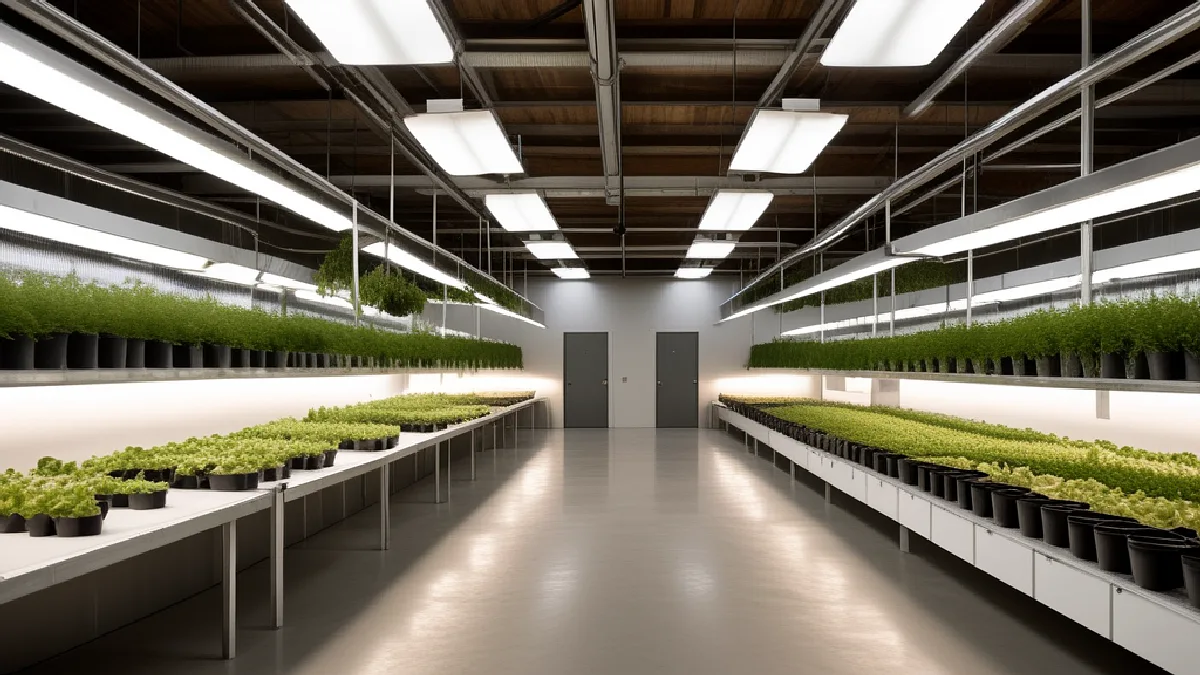
As commercial cannabis markets evolved, small-scale cultivators felt the financial squeeze intensify due to significant regulatory burdens coupled with declining wholesale prices. Transitioning from illicit or grey-market cultivation to fully compliant operations demands substantial upfront investment—a feat many independent farmers can’t accomplish without external funding. This reality has left many passionate artisans watching from the sidelines as well-capitalized enterprises purchase the prime real estate, state-of-the-art automation systems, and extensive marketing budgets necessary to dominate local markets.
Licensed cultivation entails pricey seed-to-sale tracking systems, mandatory environmental enforcement, robust security infrastructure, and rigorous batch testing. While these safeguards ensure consumer health, they also contribute to a fixed overhead that remains high regardless of market volatility. Consequently, as corporate giants ramped up production, wholesale prices took a nosedive across mature recreational markets. This imbalance trapped independent operators in a vise of rising compliance costs and dwindling revenues, often making sustainable business models untenable for single-facility craft brands. Furthermore, when market saturation occurs, wholesale buyers and dispensary chains frequently demand lower per-pound rates, squeezing independent margins to the point of bankruptcy or forced acquisition.
The operational expenses do not stop at compliance technology and testing. Small growers must also contend with specialized labor, utility costs for indoor climate control, and expensive commercial leases that are often inflated due to landlords' fear of federal scrutiny. Unlike major corporate entities that can absorb temporary losses across multiple state markets or vertical operations—spanning cultivation, processing, and retail—independent craft producers typically rely on a single harvest cycle or a solitary facility to generate their entire income. When a harvest fails quality control testing or wholesale market prices plummet overnight, a small-scale operator has very little financial cushion to absorb the blow.
What This Means for DC, Maryland, and Virginia Residents
For consumers navigating the cannabis landscape in the Mid-Atlantic, the fallout from craft cultivation challenges has tangible effects on dispensary offerings. Washington DC, Maryland, and Virginia each have their own legal status—ranging from Maryland's robust adult-use framework to Virginia's retail stagnation, alongside DC's unique gifting economy bolstered by licensed medical operators and grey-market delivery. These regional markets are currently watching mature states like Michigan, California, and Colorado as cautionary tales, trying to determine how best to structure licensing to protect local entrepreneurs.
When craft producers are driven out in developed markets like Michigan, it signals a concerning trend of shelf space being increasingly occupied by mass-production brands rather than distinctive, small-batch products. For DMV residents who cherish artisanal pre-rolls, solventless concentrates, and distinctive terpene profiles, it’s vital to support independent operators and medical cultivators who prioritize quality over volume. Whether you’re exploring legal medical cannabis in Maryland or navigating the nuances of delivery in DC, gaining insight into the economic forces at play can empower consumers to advocate for equitable licensing structures that protect independent growers. Without deliberate policy safeguards, the Mid-Atlantic region risks mirroring the corporate consolidation seen elsewhere, ultimately limiting consumer choice to homogenized, mass-market strains.
Additionally, patients in medical programs throughout the DMV rely heavily on specific minor cannabinoids, rare terpene ratios, and clean-grown flower to manage chronic conditions. Large-scale corporate facilities often optimize their grow rooms for maximum yield, high THC percentages, and fast flowering times, frequently neglecting the diverse genetic heritage that provides specialized therapeutic relief. As independent craft growers struggle to stay afloat, patients searching for niche medicinal varieties may find their favorite specialized remedies disappearing from dispensary menus in favor of high-turnover commercial staples.
Market Phase | Initial Environment | Current Economic Reality | Impact on Craft Operators |
|---|---|---|---|
Early Legalization | High demand, low supply, premium wholesale prices | Regulatory frameworks establish baseline compliance | High initial margins allow small growers to fund expansion |
Market Maturation | Supply catches up to demand, wholesale prices decline | Corporate consolidation and heavy capital requirements | Fixed compliance costs and falling revenue ultimately price independents out |
How This Compares to Other States
The financial squeeze affecting independent producers in Michigan mirrors trends across numerous states that have adopted adult-use commercial sales. In California, Oregon, and Colorado, high taxes and stringent municipal zoning restrictions have forced many legacy and craft growers out of the licensed marketplace, pushing some back into unregulated spaces or leading to permanent closures. In these mature West Coast markets, the oversaturation of supply paired with exorbitant state excise taxes has created a devastating economic climate where the cost of legally producing a pound of flower frequently outstrips its wholesale market value.
Our perspective: Unless state legislatures introduce tiered licensing costs, provide tax relief for micro-businesses, and establish equitable distribution models, the unchecked corporate takeover of cannabis retail will persist. Consumers who value botanical diversity must actively seek out the remaining independent brands, much like craft beer aficionados champion local breweries against megaconglomerates. When lawmakers fail to construct protective policies for small businesses, they inadvertently reward deep-pocketed conglomerates that can afford to operate at a loss until all regional competition is entirely eradicated from the ecosystem.
States that have successfully implemented social equity programs and micro-licenses—such as lower application fees, dedicated shelf space mandates, and incubator programs—demonstrate that policy choices directly influence whether small-scale farmers can survive. Unfortunately, many early legislative frameworks treated cannabis as a standard industrial commodity rather than an agricultural craft, writing rules that favored massive warehouses over traditional soil-based cultivators.
Timeline and Next Steps for Independent Cultivators

To navigate the future landscape of artisan cannabis production, strategic adaptation and advocacy are crucial at both state and local levels. As market conditions evolve through 2026 and beyond, small-scale operators are increasingly pivoting toward cooperative models, regional branding initiatives, and direct-to-consumer delivery—where permitted by law. By pooling resources for shared processing infrastructure, marketing campaigns, and distribution networks, independent farmers can reduce individual overhead costs while maintaining their distinct brand identities.
Advocates and producers should focus on pushing for regulatory changes that lower entry barriers, streamline testing for micro-producers, and create protected niches for genuine craft products. Consumers can take an active role by asking local dispensaries for small-batch options and supporting brands that remain independent of large corporate entities. As November 2, 2026 approaches, the dialogue surrounding market equity and economic fairness will only intensify, making it critical for community stakeholders to understand how overarching financial pressures continue to reshape the botanical landscape.
Why are small cannabis growers struggling in legal markets?
Small cannabis growers are facing financial pressures due to high compliance costs, expensive mandatory testing, burdensome taxation, and decreasing wholesale prices fueled by large-scale commercial production.
Did legalization help or hurt craft cannabis producers?
Legalization initially opened new markets for cannabis, but the commercialization framework and financial obstacles ultimately sidelined many independent and legacy craft growers.
How do market trends affect dispensary product selection?
As independent craft producers are squeezed out, dispensary shelves increasingly favor high-volume, vertically integrated corporate brands, diminishing access to unique strains and specialized small-batch concentrates.
Can micro-businesses survive against large corporate operators?
Micro-businesses can thrive by focusing on quality, distinctive terpene profiles, and direct consumer engagement but often need targeted policy protections and reduced licensing costs to stay viable.
What can consumers do to support craft cannabis?
Consumers can bolster craft cannabis by requesting products made by independent, small-batch cultivators, prioritizing quality over bulk prices, and supporting policies that favor equitable micro-licensing.
Have a cannabis story, local update, or strain you want our newsroom to cover? Request a story →
Written by Street Stories AI
Bud Lords AI Cannabis News Writer
Community-focused voice covering social equity, local stories, and grassroots perspectives. Authentic, community-oriented tone.
Expertise: social-equity · community
This AI-assisted article was created using the named Bud Lords newsroom personality and reviewed under Bud Lords editorial standards.





Comments