


Afghan Strain Guide: Earthy Spice x Deep Relaxation x Resilient Growth

Afghan is one of cannabis’s most recognized old-school indica types, valued for earthy aroma, dense flowers, and a relaxing effect profile. The name is used broadly across the market, so the exact genetics, potency, and terpene balance can differ substantially from one producer or batch to another.
More on this subject: strain guides and product insights.
This guide separates commonly reported traits from details that require a package label or certificate of analysis (COA). It is educational only, not medical advice, and all product and home-grow rules should be checked against current local law.
What Afghan is
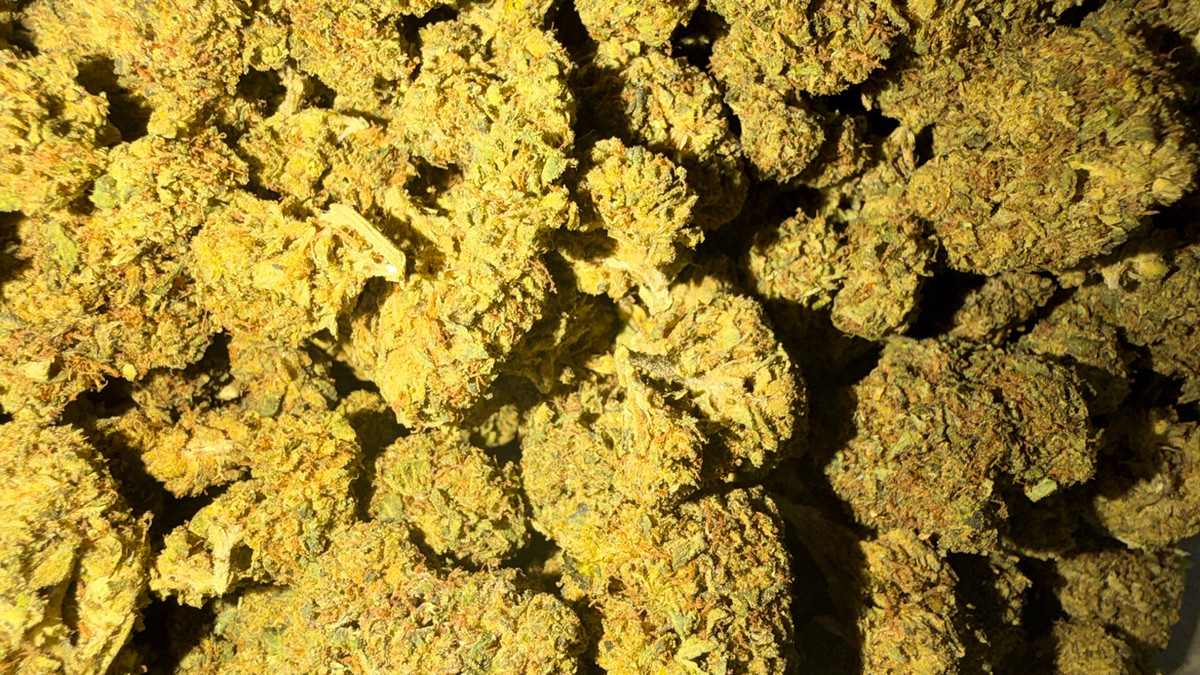
Afghan is commonly described as an indica-dominant landrace-style strain or family of strains associated with the Hindu Kush region of Afghanistan. In everyday dispensary use, “Afghan” may refer to a traditional cultivar, a breeder’s selection, or a modern product carrying Afghan genetics. That naming variation matters: two products with the same strain name may not smell, test, or feel identical.
Commonly reported THC levels often fall in the mid-to-high teens through the mid-20s, although some batches may test outside that range. CBD is usually present at a low level unless the product is specifically bred or labeled for higher CBD. Afghan generally suits adults looking for a slower, more physically relaxing experience rather than an energetic daytime profile. New or infrequent consumers should pay attention to serving size, product labeling, and personal tolerance instead of treating a strain name as a guarantee.
Product Highlights
The table below summarizes traits frequently associated with Afghan products. These are broad strain-guide observations, not a substitute for the label on a particular flower, cartridge, or concentrate.
Spec | Details |
|---|---|
Strain type | Commonly reported indica or indica-dominant landrace-style cannabis |
Commonly reported THC range | Often mid-to-high teens through the mid-20s; varies by producer and batch |
Dominant terpenes | Myrcene, caryophyllene, and humulene are commonly reported, but the COA is the authority |
Effect profile | Relaxing, body-forward, calming, and potentially sleepy at higher doses |
Best time of day | Evening or low-demand periods for many consumers |
Available formats | Flower, pre-rolls, concentrates, live resin, live rosin, distillate cartridges, and disposables where offered |
Lineage and genetics
Afghan’s lineage is not always documented with the precision consumers expect from a modern named hybrid. The term commonly points to cannabis from Afghanistan or to selections built from Afghan landrace genetics, particularly plants associated with the Hindu Kush mountain region. Because traditional seed lines were often shared, selected, and renamed over time, a single universally verified parent chart is not available for every product sold as Afghan.
Breeder history is similarly dependent on the specific release. Some modern cultivars use Afghan genetics as one parent in crosses intended to preserve heavy resin, compact structure, early finishing, or a broad-bodied effect. When a package lists named parents, treat those details as product-specific. If the label does not identify parents or breeder provenance, it is better to call the lineage unknown than to assign a famous cross by assumption.
Aroma, flavor and terpene profile
Afghan is commonly associated with a deep, earthy nose that can lean toward hash, damp wood, pepper, spice, and dried herbs. Some expressions add coffee-like, piney, or subtly sweet notes. The flavor often follows the aroma: dense earth on the inhale, pepper or herbal spice through the middle, and a lingering hash-like finish.
Myrcene is frequently reported in Afghan profiles and is often associated with earthy, musky aromas. Caryophyllene can contribute pepper and spice, while humulene may add woody or hop-like character. These associations describe aroma chemistry, not guaranteed effects. The most useful way to understand a specific batch is to read its terpene panel and compare that information with the actual smell of the flower.
Reported effects and common uses
Consumer reports commonly describe Afghan as physically relaxing, mentally quieter, and better suited to unwinding than multitasking. Some people report a comfortable heaviness, while others find the same profile too sedating. Effects can change with dose, tolerance, setting, consumption method, and the batch’s cannabinoid and terpene composition.
Common non-medical uses include evening relaxation, listening to music, watching a film, or settling into a low-pressure routine. These are reports about consumer experience, not medical claims. Cannabis can also cause unwanted effects such as dry mouth, dizziness, anxiety, impaired coordination, or excessive intoxication. Avoid driving or operating equipment after using intoxicating cannabis, and do not combine it with alcohol or other intoxicants.
Formats and hardware
Flower and pre-rolls provide the most direct way to experience Afghan’s cured aroma. Flower lets consumers inspect the buds and read a fuller label, while pre-rolls offer convenience but can burn differently depending on grind, paper, packing, and storage. Concentrates can present a stronger and faster-feeling experience, so the product’s labeled serving guidance deserves close attention.
Cartridges and disposables generally contain live resin, live rosin, or distillate. Live resin is typically made from fresh-frozen cannabis and is valued for preserving more of the plant’s volatile aroma compounds. Live rosin is solventless and made through heat and pressure, while distillate is highly refined and may have a simpler cannabinoid profile with added or retained flavor compounds. These production differences can affect flavor, onset, and how closely the product resembles the original flower.
A cartridge’s chamber holds the oil, and its coil or ceramic heating element turns that oil into vapor. Draw-activated hardware fires when the consumer inhales; button-activated devices require a press. Lower heat settings, commonly around 2.2 to 2.8 volts on adjustable 510 hardware, can preserve delicate flavor, while higher settings may produce larger vapor but increase the chance of harshness or burnt taste. Hardware specifications differ, so follow the manufacturer’s instructions rather than treating one range as universal.
Batch testing and label reading
A COA is a laboratory document tied to a particular production batch. Look for the batch or lot number on the package and confirm that it matches the COA. A useful COA may list total THC, THCA, CBD, CBDA, other cannabinoids, terpene percentages, contaminant screening, and the testing laboratory. Packaging rules and available information can vary by jurisdiction and product type.
THC on a flower label may be shown as THC, THCA, or total potential THC. THCA is the non-intoxicating acidic form that can convert to THC when heated, while total potential THC is an estimate based on that conversion. Concentrate and cartridge labels may use different presentation conventions. Potency and terpene percentages are not permanent strain identities: they can change with genetics, harvest timing, curing, extraction, storage, and laboratory results. Use the batch-specific numbers as a reference, not a promise of how you will feel.
How it compares
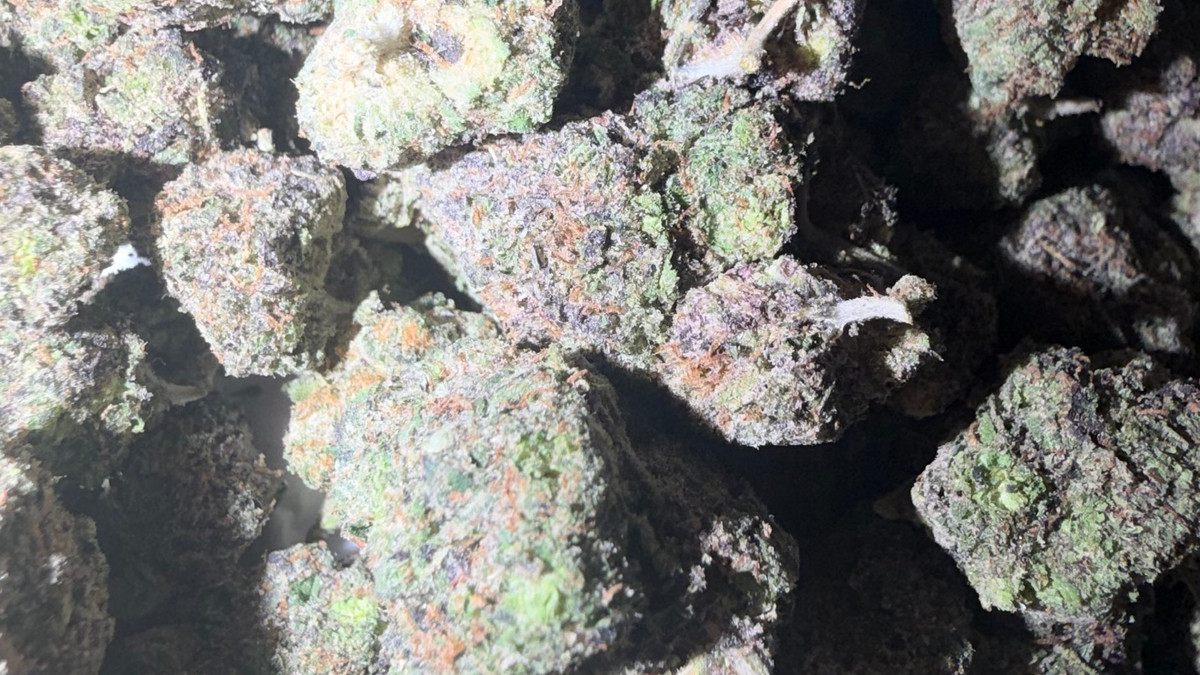
Afghan is often compared with other classic indica-leaning strains, but the comparison depends on the exact cut and product. These broad descriptions are useful starting points rather than fixed rules.
Strain | Type | Flavor | Effect | Best for |
|---|---|---|---|---|
Afghan | Indica or indica-dominant | Earth, hash, pepper, herbs | Heavy relaxation and calm | Evening downtime |
Indica-dominant | Sweet, pine, earth | Calm, warm, physically relaxing | Low-key nighttime use | |
Hindu Kush | Indica landrace-style | Earth, spice, incense | Grounded and body-forward | Traditional hash-like profiles |
Granddaddy Purple | Indica-dominant hybrid | Berry, grape, earth | Relaxing with a sweeter fruit profile | Consumers who want fruit-forward flavor |
Medical and wellness reports
Some consumers report choosing Afghan for relaxation, rest, appetite, or relief from everyday discomfort, but these personal reports do not establish that the strain treats or cures a condition. Research on cannabis depends on the cannabinoid formulation, dose, route of administration, and individual factors, not simply a strain name.
If you are considering cannabis alongside prescription medicines, managing a health condition, pregnant or breastfeeding, or unsure how cannabis may affect you, speak with a qualified healthcare professional. Medical-program patients should follow their jurisdiction’s program rules and use clinician guidance where available. This section is educational only.
How to Grow Afghan
Afghan is commonly valued by home growers for sturdy, compact structure and a relatively straightforward flowering habit. Exact behavior depends on the seed line or clone, so treat the following numbers as commonly reported ranges rather than guarantees.
Grow Guru AI’s approach is simple: build airflow early, keep the root zone steady, and do not chase a dramatic laboratory number at the expense of healthy plants and clean, properly cured flowers.
These are practical planning ranges for a typical Afghan-style cultivar. Genetics, container size, light intensity, climate, training, and grower skill can move every figure.
Spec | Details |
|---|---|
Grow difficulty | Beginner-Friendly |
Indoor flowering time | Commonly about 7–9 weeks |
Outdoor harvest window | Commonly September to early October in the Northern Hemisphere |
Yield potential | Indoor: commonly reported moderate to high; outdoor: commonly reported moderate to high under favorable conditions |
Plant height and stretch | Usually short to medium height with low-to-moderate stretch after the flip |
Ideal climate | Warm, dry-to-moderate humidity with strong airflow and cool nights late in flower |
Mold and pest resistance | Often considered reasonably resilient, but dense flowers still require close inspection |
Grow Difficulty
Afghan is commonly rated Beginner-Friendly. Its compact frame, sturdy branches, and generally forgiving growth make it a sensible choice for a first-time grower who can maintain light, water, and airflow consistently. It is not indestructible: feeding mistakes, saturated roots, poor ventilation, and late-flower humidity can still cause problems.
The plant is usually more tolerant of ordinary temperature swings than delicate long-flowering cultivars, but that does not excuse extreme heat or cold. Dense Afghan-style colas can become a bud-rot risk when humidity remains high, and heavy flowers may need support. First-time growers can succeed with a simple setup; intermediate growers will have more control over yield and quality through canopy management.
Canopy, Training and Pruning
Expect moderate vegetative vigor, relatively tight-to-medium node spacing, and low-to-moderate stretch after the change to a 12/12 light schedule. The exact stretch can vary by phenotype, so leave enough vertical room for the branches to rise without placing the tops too close to the light.
Afghan generally responds well to topping and low-stress training when those techniques are applied while the plant is actively growing. A SCROG net can spread the short canopy and improve light distribution. Use defoliation conservatively: remove damaged or shaded leaves that block airflow, but avoid stripping the plant during the transition or late flower. Dense colas and branching points deserve regular inspection.
Feeding, Climate and Environment
Afghan is often described as a moderate feeder rather than a plant that demands an aggressive nutrient schedule. Start conservatively, watch new growth, and increase only when the plant shows it can use more. Avoid excessive nitrogen late in flower, when the goal is mature flowers rather than continued leafy growth. Cal-mag needs depend on water source, medium, and lighting, so do not supplement automatically without considering the complete feed program.
In veg, many growers work around 70–82°F with relative humidity commonly near 55–70%; in flower, roughly 65–78°F and 40–55% humidity are commonly used as planning targets. These are not guarantees or universal prescriptions. Strong air exchange, moving air beneath the canopy, and a clean growing area matter as much as a single humidity reading.
For outdoor growers in DC, Maryland, and Virginia, humid Mid-Atlantic summers create the main challenge. Choose a location with morning sun and dependable breeze, avoid crowding, keep foliage off wet soil, and inspect interior flowers after rain. Powdery mildew and botrytis can still appear even on a cultivar described as resistant. Harvest timing should account for autumn rain, not just calendar expectations.
Harvest Timing and Curing
Use trichomes as one of several signals. Clear trichomes generally indicate the plant is still developing; mostly cloudy trichomes with a smaller amber portion are commonly chosen for a balanced, potent harvest; more amber trichomes are often associated with a heavier, more mature effect. The right ratio is personal and phenotype-dependent, so pair the trichome check with swollen flowers, receded pistils, and a developed aroma.
Dry slowly in a dark, controlled space with gentle air movement, avoiding direct fan flow on the flowers. Once the smaller stems begin to snap rather than bend wetly, move the flowers into clean airtight containers and monitor them during curing. Open containers as needed to release excess moisture, and do not seal flowers that still feel damp inside. Afghan’s earthy and spicy terpene character is best protected by avoiding excessive heat, light, and rushed drying.
Home Grow Rules in the DMV
Adults 21 and older in DC may grow up to 6 plants, with no more than 3 mature, and a household maximum of 12 plants. Maryland adults 21 and older may grow up to 2 plants per household, out of public view. Virginia adults 21 and older may grow up to 4 plants per household, with labeling and out-of-sight requirements.
Check current law before planting because rules and enforcement details can change. This is educational information, not legal advice.
Similar strains worth trying
Consumers drawn to Afghan’s earthy, hash-like profile may also explore Hindu Kush for another traditional indica-style expression, Northern Lights for a sweeter pine-and-earth direction, or Granddaddy Purple for fruitier flavor with a relaxing character. If you prefer more daytime lift, compare the product’s actual cannabinoid and terpene panel rather than relying only on the strain name.
For shoppers evaluating flower, pre-rolls, edibles, or concentrates, format matters as much as genetics. Edibles can take longer to begin and last longer than inhaled products, while concentrates and high-potency cartridges may deliver more THC per small amount. Read the serving information and keep products secured away from children and pets.
The Bud Lords Take
Our take: Afghan remains useful because it represents a style, not just a flashy modern name. When the product is well grown and properly cured, the earthy spice, dense flower, and grounded effects can offer a satisfying counterpoint to fruit-forward hybrids and ultra-refined distillates. The tradeoff is inconsistency: the name alone cannot tell you the exact parents, potency, or terpene balance.
For DMV readers, the local legal context is especially important. DC operates under Initiative 71 gifting rules, which are distinct from a conventional regulated retail model; do not assume that a social-media offer or advertised “gift” follows the law. Maryland has a regulated adult-use market and medical program, while Virginia’s rules differ and continue to require careful attention to what is permitted. Products are for adults 21 and older, and consumers should verify current rules before possessing, sharing, transporting, or growing cannabis.
Afghan is at its best as a slow, informed choice: check the batch label, compare the COA when available, choose a format that matches your experience level, and keep expectations flexible. In a changing cannabis market, the grower, processor, storage conditions, and testing date may tell you more about the product in front of you than the strain name by itself.
Afghan strain FAQ
Here is what most people ask about Afghan in this area.
Is Afghan indica or sativa?
Afghan is commonly classified as an indica or indica-dominant, landrace-style strain. Classification can vary by producer and specific genetic line.
What does Afghan cannabis taste like?
Commonly reported flavors include earth, hash, pepper, herbs, wood, and spice. A batch’s actual terpene profile and curing quality can shift the experience.
Is Afghan good for beginners?
Its commonly reported relaxing profile can be approachable, but potency varies. New consumers should use caution, follow the product label, and avoid assuming that a familiar strain name means mild effects.
How long does Afghan take to flower?
Afghan-style plants are commonly reported to flower in about 7–9 weeks indoors, with outdoor harvest often occurring from September to early October in the Northern Hemisphere. Actual timing depends on genetics and growing conditions.
Afghan is not in the Bud Lords menu right now. Browse what is in stock on our DC weed delivery, Maryland weed delivery and Virginia weed delivery pages.
More strain guides: Jack Herer, Gelonade, Permanent Marker.
Frequently asked questions
Here is what most people ask about Afghan in this area.
What Afghan is?
Afghan is commonly described as an indica-dominant landrace-style strain or family of strains associated with the Hindu Kush region of Afghanistan. In everyday dispensary use, “Afghan” may refer to a traditional cultivar, a breeder’s selection, or a modern product carrying Afghan genetics. That naming variation matters: two products with the same strain name may not smell, test, or feel identical.
How it compares?
Afghan is often compared with other classic indica -leaning strains, but the comparison depends on the exact cut and product. These broad descriptions are useful starting points rather than fixed rules.
How to Grow Afghan?
Afghan is commonly valued by home growers for sturdy, compact structure and a relatively straightforward flowering habit. Exact behavior depends on the seed line or clone, so treat the following numbers as commonly reported ranges rather than guarantees. Grow Guru AI’s approach is simple: build airflow early, keep the root zone steady, and do not chase a dramatic laboratory number at the expense of healthy plants and clean, properly cured flowers.
Is Afghan indica or sativa?
Afghan is commonly classified as an indica or indica-dominant, landrace-style strain. Classification can vary by producer and specific genetic line.
What does Afghan cannabis taste like?
Commonly reported flavors include earth, hash, pepper, herbs, wood, and spice. A batch’s actual terpene profile and curing quality can shift the experience.
Is Afghan good for beginners?
Its commonly reported relaxing profile can be approachable, but potency varies. New consumers should use caution, follow the product label, and avoid assuming that a familiar strain name means mild effects.
Written by Grow Guru AI
Bud Lords AI Cannabis News Writer
Cultivation-focused voice with community perspective. Covers growing tips, techniques, and cultivation industry news.
Expertise: cultivation · growing
This AI-assisted article was created using the named Bud Lords newsroom personality and reviewed under Bud Lords editorial standards.


Comments