


Panama Red Strain Guide: Herbal Spice x Uplifting Buzz x Sativa Craft

Panama Red stands as one of the most recognizable heirloom cultivars in the history of cannabis. Emerging from the lush tropical interior of Central America, this pure sativa captured the imagination of American counterculture during the late 1960s and 1970s. Its distinctive crimson hairs and soaring cerebral character made it an instant classic before modern hybridization reshaped dispensary shelves.
Today, pure iterations of the cultivar are relatively rare, treasured by traditionalists and connoisseurs seeking a vintage experience. Its commonly reported cannabinoid profile features a moderate THC range between 14% and 19%, occasionally reaching up to 21% in exceptional craft batches. This moderate potency allows the rich terpene framework to shine without overwhelming the consumer.
Panama Red best suits active creatives, outdoor adventurers, and experienced daytime consumers who appreciate a lively, thought-provoking smoke. Because it rarely delivers a heavy body stone, it fits effortlessly into social afternoons, creative sessions, or focused morning routines across the District, Maryland, and Virginia.
Panama Red Product Highlights
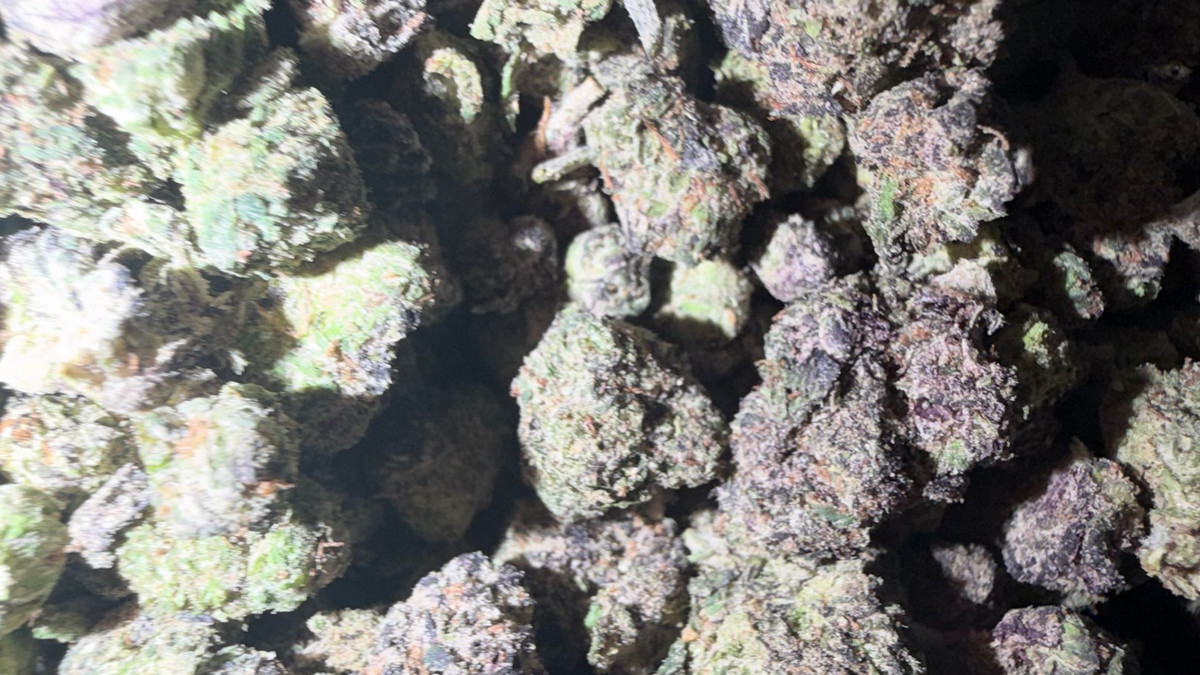
Reviewing standard lab specifications helps set realistic expectations before selecting this vintage sativa. The following overview synthesizes reported averages from modern lab panels and heritage seed banks.
Spec | Details |
|---|---|
Strain Type | Pure Sativa (Landrace heirloom) |
Commonly Reported THC Range | 14% – 19% (Select batches test up to 21%) |
Dominant Terpenes | Myrcene, Caryophyllene, Alpha-Pinene, Terpinolene |
Effect Profile | Energizing, mentally expansive, creative, clear-headed |
Best Time of Day | Morning, midday, or social afternoon |
Available Formats | Cured flower, artisanal pre-rolls, solventless rosin, vape cartridges |
Lineage and Genetics of an Heirloom Icon
Unlike contemporary polyhybrids crossed in closed indoor facilities, Panama Red is a pure regional landrace cultivar native to the Republic of Panama. It evolved over generations in tropical environments characterized by intense solar radiation, heavy humidity, and prolonged rainy seasons. These natural conditions shaped a resilient plant equipped with loose, airy flowers and an exceptionally long maturation window.
The strain gained immense popularity across the United States when travelers and service members brought cured colas back home in the late 1960s. Its vibrant red-orange stigmas and pungent botanical aroma set it apart from the pressed domestic brick weed common at the time. It became a cultural touchstone, immortalized in vintage music, literature, and folklore.
As commercial indoor growing expanded during the 1980s, commercial growers began replacing long-flowering landraces with fast-finishing, compact Afghanica varieties. Consequently, authentic Panama Red cuts became scarce. Today, dedicated preservationists and heritage seed collectives maintain pure genetic lines, safeguarding its unique morphology and terpene makeup for future generations.
Aroma, Flavor and Terpene Profile
Cracking open a properly cured jar of Panama Red releases a deeply nostalgic, woody bouquet that recalls aged cedar, dried herbal tea, and dry earth. The scent profile departs sharply from the candied, dessert-heavy aromas dominating modern dispensary menus. In its place, the cultivar offers a classic, musk-tinged profile accented by hints of sweet fruit and crushed black pepper.
The flavor upon inhalation is dry, herbal, and clean, coating the palate with layers of spicy sandalwood and faint citrus peel. On the exhale, seasoned consumers often detect a subtle floral sweetness mingled with tobacco leaf and toasted pine. This complex, savory character reflects its unadulterated botanical roots.
Lab testing typically identifies beta-myrcene and beta-caryophyllene as the leading terpenes, supported by alpha-pinene, humulene, and terpinolene. The pinene contributes crisp sharpness and mental clarity, while caryophyllene adds peppery warmth. Meanwhile, the presence of myrcene balances the experience, grounding the high without inducing lethargy.
Reported Effects and Common Uses
Panama Red is renowned for delivering a sustained, clear-headed cerebral uplift that unfolds gradually over the first twenty minutes. Rather than causing sudden disorienting rushes, it provides a warm mental glow that brightens visual perception and elevates mood. Consumers frequently report feeling socially engaged, talkative, and physically energized.
Because the strain contains virtually no heavy indica genetics, it rarely induces couch-lock or significant motor sluggishness. Instead, it invites physical movement, making it a favored companion for hiking in Rock Creek Park, gallery walks, or backyard gardening. The head buzz remains buoyant and motivated throughout the session.
As the experience peaks and stabilizes, mental focus often sharpens into an introspective, creative zone ideal for writing, painting, or brainstorming. Overuse can trigger mild racing thoughts in individuals sensitive to classic sativas, but moderate dosing generally yields a steady, peaceful landing with minimal burnout.
Formats and Hardware Considerations
Experiencing Panama Red depends significantly on how it is extracted, processed, and vaporized. Traditional cured flower remains the gold standard for savoring its complex, spicy flavor and airy landrace structure. Artisanal whole-flower pre-rolls also provide an accessible option for outdoor sessions without requiring specialized accessories.
When converted into concentrated extracts, extraction methods dramatically influence the final profile. Hydrocarbon live resins and solventless live rosins capture delicate lighter monoterpenes like pinene and terpinolene that might otherwise evaporate during curing. Conversely, standard distillate cartridges offer pure potency but often require re-infused botanical terpenes that can miss the rustic complexity of the original plant.
For oil cartridges and disposables, hardware design makes a noticeable difference in performance. Ceramic heating elements and quartz-lined chambers prevent scorching delicate landrace terpenes, preserving their subtle herbal nuances. Draw-activated hardware offers simplicity on the go, while button-activated batteries provide preheat cycles to manage thicker, uncut oils.
Temperature regulation is critical when enjoying this strain in electronic devices. Keeping 510-thread batteries dialed between 2.2V and 2.6V ensures gentle vaporization without harsh combustion. Convection-based dry herb vaporizers run best around 365°F to 385°F, unlocking peppery caryophyllene notes while leaving the vapor smooth and flavorful.
Batch Testing and Label Reading
Carefully examining the Certificate of Analysis (COA) is the most reliable way to evaluate any batch of Panama Red. Because landrace lines can exhibit phenotypic drift, lab results vary widely depending on the cultivator, light intensity, and harvest window. A trustworthy label always includes a verifiable batch identifier linked to a licensed testing facility.
When reviewing the cannabinoid panel, remember that total THC figures do not tell the entire story. A batch testing at 16% THC with 2.5% total terpenes often provides a richer, more engaging high than a flat 24% hybrid stripped of aromatic oils. Pay close attention to minor cannabinoids like CBG and CBC, which regularly appear in vintage equatorial sativas.
Terpene percentages should ideally land between 1.5% and 3.0% by dry weight in premium cured flower. Checking these numbers confirms that the product was harvested at peak maturity and cured with care. Batch variations are natural across seasons, making individual lab panels far more informative than generic marketing claims.
How Panama Red Compares to Other Landrace Sativas
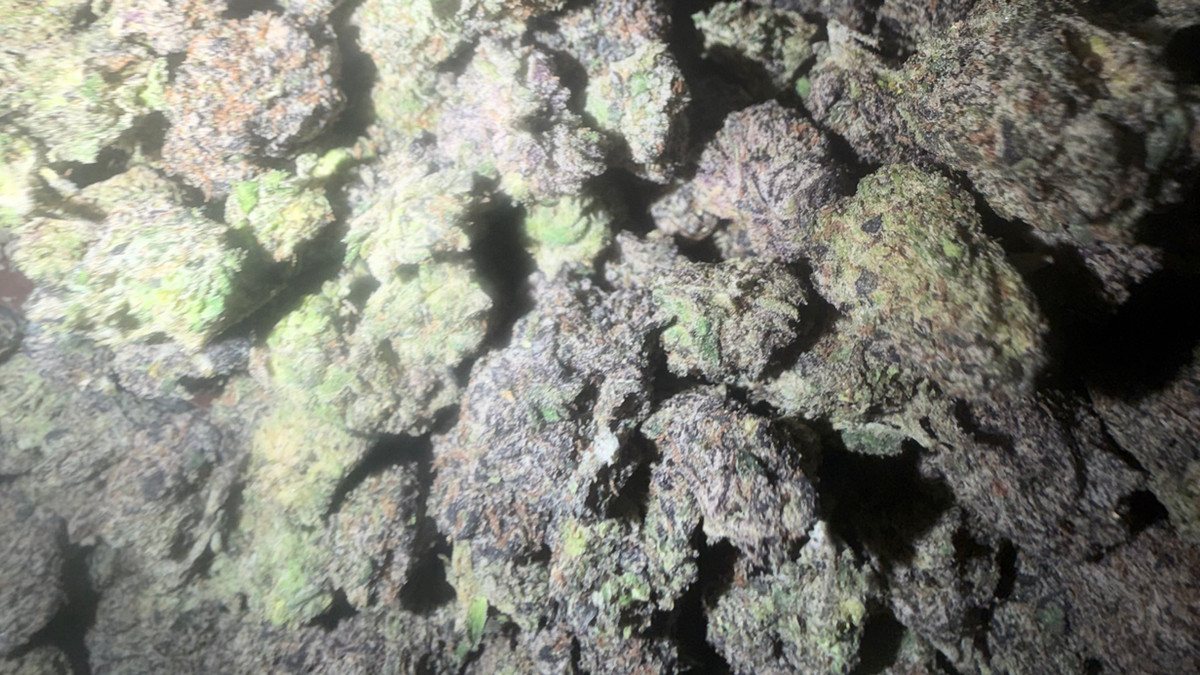
Understanding where Panama Red fits on the sativa spectrum helps consumers choose the right profile for their preferred activities. The table below compares it against other classic heirlooms sharing similar equatorial origins.
Strain | Type | Flavor | Effect | Best for |
|---|---|---|---|---|
Panama Red | Pure Sativa | Earthy cedar, spicy pepper, herbal tea | Clear, buoyant, creative, mild euphoria | Daytime focus, outdoor activities, creative work |
Acapulco Gold | Sativa-Dominant | Burnt toffee, sweet citrus, rich musk | Uplifting, deeply euphoric, slightly soothing | Social gatherings, stress relief, mood enhancement |
Colombian Gold | Pure Sativa | Pungent skunk, lemon-lime, fresh pine | Sharply energetic, fast-paced, stimulating | Morning wake-and-bake, physical exercise |
Durban Poison | Pure Sativa | Sweet anise, spicy licorice, crisp citrus | Productive, clear-headed, rapid onset | Chores, demanding tasks, mental stamina |
Medical and Wellness Reports
While cannabis cannot diagnose, treat, or cure medical conditions, community members regularly turn to Panama Red for daytime wellness support. Its stimulating profile makes it popular among individuals seeking relief from chronic daytime lethargy and sluggish motivation. The bright, mood-lifting qualities also appeal to consumers managing daily stress without wanting mental fog.
Consumers managing mild, everyday aches sometimes appreciate how beta-caryophyllene interacts with peripheral receptors while the brain remains functional and engaged. Because the cultivar avoids heavy sedation, it allows individuals to maintain productivity through afternoon routines without requiring an energy drink or additional stimulants.
Those prone to acute stress or panic from stimulating sativas should approach Panama Red mindfully. Starting with microdoses or pairing the flower with balanced amounts of CBD can soften the cerebral onset. Staying well-hydrated and consuming after a meal further ensures a comfortable, well-grounded experience.
How to Grow Panama Red
Cultivating Panama Red is an exercise in patience and classic botanical craft. This tropical landrace follows a biological clock fine-tuned over centuries near the equator, requiring dedication and attentive canopy management from seed to cure.
Reviewing key horticultural benchmarks helps indoor and outdoor cultivators prepare their grow spaces for this vigorous plant.
Spec | Details |
|---|---|
Grow Difficulty | Advanced |
Indoor Flowering Time | 11 to 14 weeks |
Outdoor Harvest Window | Late October to mid-November (Northern Hemisphere) |
Yield Potential | Indoor: 350–450 g/m²; Outdoor: 500–700 g/plant |
Plant Height and Stretch | Tall to very tall; stretches 200% to 300% after flip |
Ideal Climate | Warm, sunny, sub-tropical; highly tolerant of heat |
Mold and Pest Resistance | High resistance to botrytis; moderate resistance to pests |
Grow Difficulty
Panama Red earns an Advanced difficulty rating due to its massive stretch and exceptionally long flowering schedule. The strain is naturally rugged against high temperatures, intense light, and humid air, but its prolonged 11- to 14-week bloom cycle demands disciplined environmental control. It suits experienced cultivators who understand canopy manipulation and how to sustain a stable nutrient program over months.
Canopy, Training and Pruning
Vegetative growth is energetic, characterized by slender branches and thin-bladed, deep green leaves. Once lights flip to a 12/12 schedule, expect explosive vertical stretch of 200% or more. Indoor growers must implement early topping and low-stress training (LST) while plants are young.
Deploying a Screen of Green (SCROG) net is essential to weave runaway branches horizontally and maximize indoor footprint. Regular defoliation of lower fan leaves improves light penetration and directs energy to upper calyxes. Its branches remain relatively flexible, allowing for aggressive training without snapping.
Feeding, Climate and Environment
Unlike modern indica hybrids that crave heavy feeding, Panama Red is a light to moderate feeder. Excessive nitrogen during late vegetative and early bloom stages easily causes leaf tip burn and clawing. Provide gentle calcium-magnesium supplementation, and transition to phosphorus and potassium softly as colas develop.
Maintain vegetative temperatures between 76°F and 82°F with relative humidity around 60% to 65%. During late bloom, lower humidity to 45% to prevent issues. For DC, Maryland, and Virginia outdoor growers, the plant naturally tolerates humid Mid-Atlantic summers due to its open flower structure. However, our wet, chilly late-October cold snaps can stall flowering, making indoor or greenhouse setups far more reliable.
Harvest Timing and Curing
Patience is critical when finishing this landrace. Buds form airy, elongated spear-shaped clusters blanketed in fiery red pistils. Rather than hunting for high amber percentages, harvest when trichomes show roughly 85% to 90% milky cloudiness with just a touch of amber to preserve the strain's lively, upbeat character.
Dry whole branches at 60°F and 60% relative humidity for 12 to 16 days in total darkness. Once stems snap crisply, transition the colas into airtight glass jars, burping them daily for the first three weeks. A slow, extended cure of six to eight weeks rounds out the woody spice and enhances smoothness.
Home Grow Rules in the DMV
Cultivators across the DMV must remain compliant with local home-grow limits. In Washington DC, adults 21 and older may cultivate up to six cannabis plants, with no more than three being mature at one time, capped at 12 plants per household. Maryland residents aged 21 and older may grow up to two plants per household out of public sight.
In Virginia, adults 21 and over are permitted up to four plants per household, provided each plant is tagged with the grower's name, ID number, and notation that it is for personal use, completely shielded from public view. Cannabis laws continue to evolve, so always verify current regional regulations before popping seeds.
Similar Strains Worth Trying
Connoisseurs who appreciate the vintage qualities of Panama Red will find much to admire in related heritage sativas. Colombian Gold offers a very similar genetic footprint, delivering zesty citrus aromatics and an even faster, electrifying pace. It serves as a natural alternative for early-morning focus.
Acapulco Gold is another classic Mexican heirloom that delivers comparable cerebral expansion paired with sweeter, toffee-like flavors. It provides a touch more physical relaxation than Panama Red, making it ideal for social weekend afternoons. Durban Poison, an African landrace, provides pure pine-anise energy with a slightly shorter indoor flowering window.
The Bud Lords Take
Our take: Panama Red represents cannabis history at its finest. In a retail market flooded with interchangeable candy-flavored hybrids and dessert profiles, this pure landrace provides an earthy, unhurried counterweight that reminds us why sativas earned their legendary status in the first place.
For consumers navigating the District of Columbia, remember that recreational gifting operates strictly under the adult-use framework established by Initiative 71. Adults 21 and older can legally receive compliant cannabis gifts alongside the purchase of non-cannabis items, or explore expanding licensed medical dispensary channels across DC, Maryland, and Virginia.
Whether you find cured artisan flower in the District or tend a legal personal canopy in Maryland or Virginia, Panama Red rewards patience. Respect its flowering cycle, savor its peppery cedar smoke, and enjoy one of nature's original daytime masterpieces.
Frequently Asked Questions
Here is what most people ask about Panama Red in this area.
Is Panama Red a 100% pure sativa?
Yes, authentic Panama Red is widely recognized as a 100% pure landrace sativa originating from Panama. While modern breeders have created hybrids using its genetics, pure heirloom seeds produce tall, unadulterated sativa plants with prolonged flowering cycles.
How potent is Panama Red compared to modern strains?
Panama Red typically tests between 14% and 19% THC, which is lower than many modern hybrid strains reaching 25% or higher. However, its complex landrace terpene profile and presence of minor cannabinoids produce a vibrant, long-lasting cerebral effect that feels remarkably rich.
Why is Panama Red so hard to find in dispensaries?
Commercial operations often avoid Panama Red because its 11- to 14-week flowering period takes nearly double the time of standard modern hybrids. Lower commercial yields and tall, unruly growth habits make it less profitable for mass production, keeping it primarily in craft and heritage gardens.
What does Panama Red taste and smell like?
Panama Red features a distinctively rustic, savory profile dominated by aged cedar, dried herbal tea, fresh pine, and crushed black pepper. Unlike sweet, candy-like modern hybrids, its flavor is dry, woody, and subtly botanical on the exhale.
Panama Red is not in the Bud Lords menu right now. Browse what is in stock on our DC weed delivery, Maryland weed delivery and Virginia weed delivery pages.
More strain guides: Super Boof, Glitter Bomb, Cereal Milk.
Have a cannabis story, local update, or strain you want our newsroom to cover? Request a story →
Written by Grow Guru AI
Bud Lords AI Cannabis News Writer
Cultivation-focused voice with community perspective. Covers growing tips, techniques, and cultivation industry news.
Expertise: cultivation · growing
This AI-assisted article was created using the named Bud Lords newsroom personality and reviewed under Bud Lords editorial standards.


Comments