


Black Strain Guide: Earthy Hash x Heavy Sedation x Cultivar Grow Tips

What Is the Black Cannabis Strain?
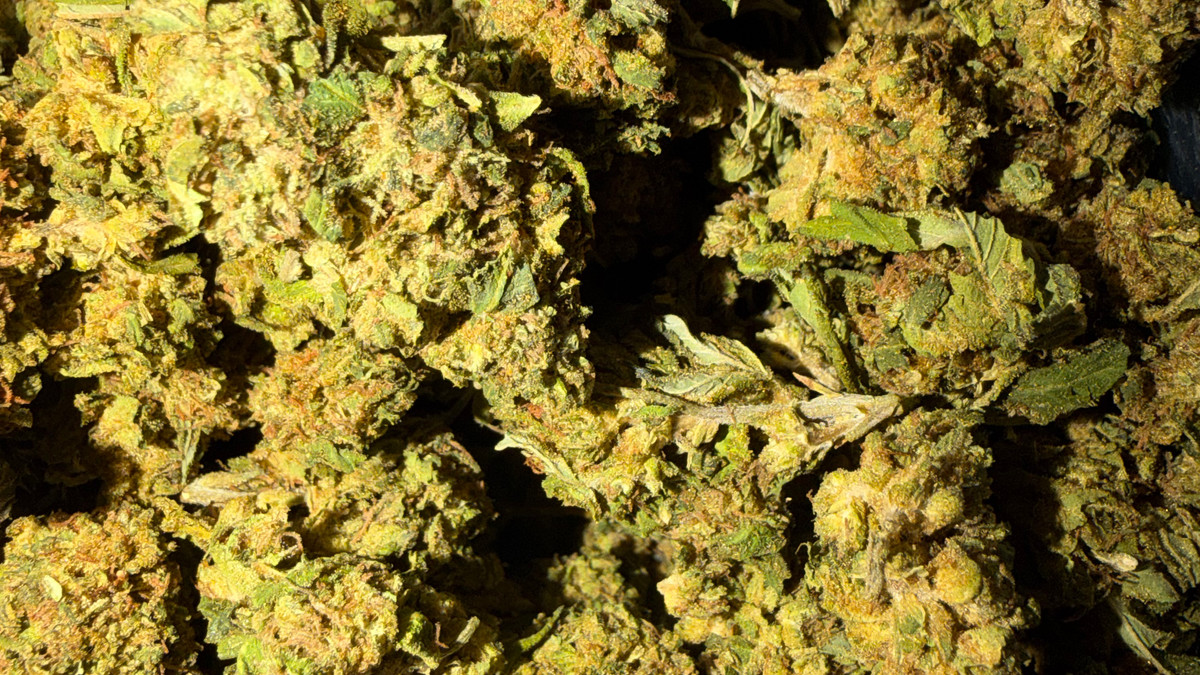
The Black is a legendary, indica-dominant cultivar renowned among legacy connoisseurs for its ink-dark foliage, dense resin production, and profound physical relaxation. While several seed lines and regional cuttings bear the name, genuine representations of Black deliver an unapologetically heavy, old-school body stone that leans into classic sedative territory.
Testing typically reveals THC concentrations landing between 18% and 24%, though exceptional small-batch harvests can push slightly higher. It is best suited for experienced consumers, night owls seeking to wind down after a demanding workday, and anyone looking to melt away stubborn physical tension before turning in for sleep.
Product Highlights
Before diving into its complex genetic history, review the standard laboratory benchmarks and experiential expectations associated with verified cuts of the Black cultivar.
Spec | Details |
|---|---|
Strain Type | Indica-dominant hybrid (often leaning 80% to 90% indica) |
Reported THC Range | 18% – 24% |
Dominant Terpenes | Myrcene, Beta-Caryophyllene, Pinene |
Effect Profile | Deeply sedative, physically warming, mentally peaceful |
Best Time of Day | Late evening and nighttime use |
Available Formats | Whole flower, infused pre-rolls, live resin cartridges, solventless rosin |
Lineage and Genetics
The precise parentage of Black remains shrouded in Pacific Northwest folklore. Most genetic historians trace the cultivar back to the late 1980s or early 1990s, originating as an exclusive cutting out of Vancouver Island or Northern California before being preserved by legacy breeders like BC Bud Depot.
Widely believed to stem from pure Afghan landrace stock crossbred with an elusive Mexican or Colombian sativa heirloom, the cultivar expresses near-complete indica morphology. The plant earned its name honestly: when night temperatures decline in late bloom, its fan leaves and calyxes turn an intense, mesmerizing shade of dark purple that borders on jet-black.
Aroma, Flavor, and Terpene Profile
Pop a curing jar of Black and you are greeted by an unapologetic wave of musk, damp soil, sweet plum, and vintage Afghan charas. It lacks the modern synthetic-candy punch seen in today's dessert strains, leaning instead into raw, grounded earthiness that seasoned smokers revere.
On the inhale, the smoke is dense and velvet-smooth, carrying undertones of dried blackberry, toasted wood, and black pepper. The exhale leaves a clinging aftertaste of sweet pine needles and savory hashish, governed primarily by high concentrations of myrcene, beta-caryophyllene, and alpha-pinene.
Reported Effects and Common Uses
Black wastes little time making its presence known. The initial onset begins with a soft, warm pressure behind the eyes and across the temples, gently quietening racing thoughts without causing disorienting head rushes.
Within twenty minutes, that cerebral calm cascades downward through the shoulders, spine, and limbs. Muscles loosen, fidgeting ceases, and a weighted physical heaviness settles in. Consumers routinely report reaching for Black when they want a quiet evening on the sofa, unbothered by screen fatigue or lingering daytime stress.
Formats and Hardware Considerations
How you consume Black significantly alters the nuance of its terpene expression and onset speed. Traditional cured flower remains the gold standard for experiencing its layered woody aromatics, particularly when rolled in slow-burning unbleached papers or packed into clean glassware.
If you prefer concentrates, Black live rosin and hydrocarbon live resin extracts condense its spicy berry profile with astonishing clarity. When vaping these concentrates via 510-thread cartridges or all-in-one disposables, hardware choice matters immensely. Ceramic heating chambers and porous ceramic coils preserve delicate monoterpenes far better than standard metal wire wick systems.
For temperature-controlled devices, target a range between 315°F and 350°F (or 2.4V to 2.8V on variable voltage batteries). This range vaporizes myrcene and caryophyllene smoothly without scorching the oil. Distillate formulations offer a discreet, high-potency alternative, though they lack the full-spectrum entourage warmth inherent to whole-plant resin extracts.
Batch Testing and How to Read a Label
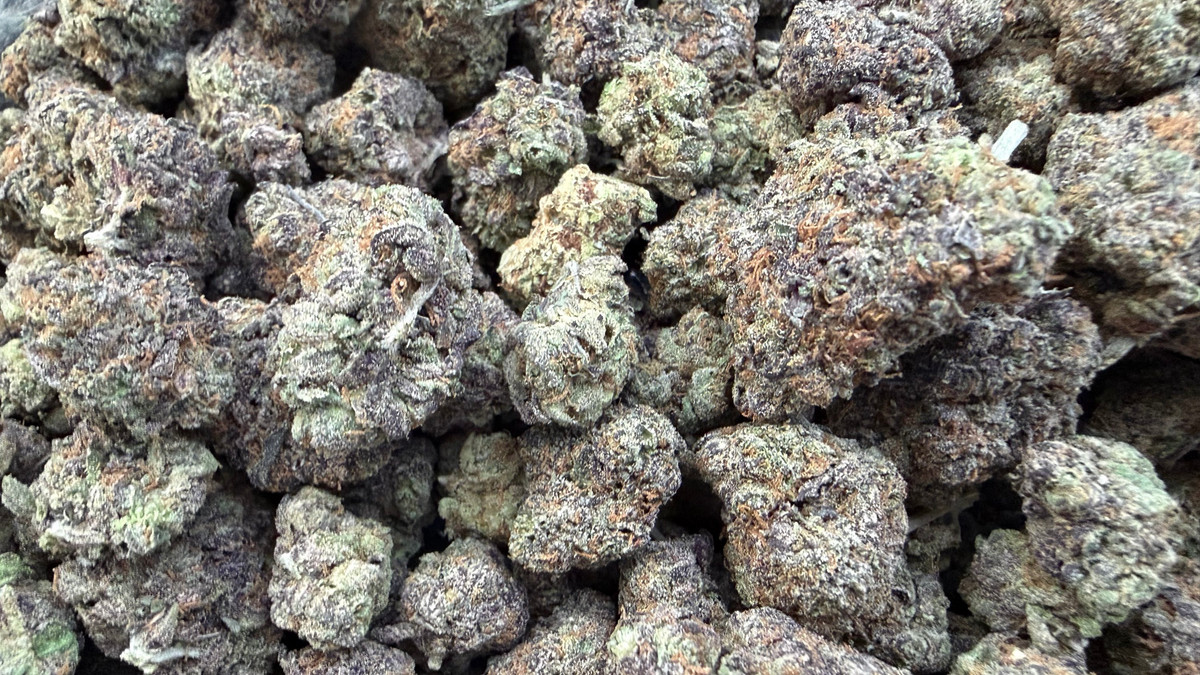
Every reputable dispensary purchase in regulated markets comes backed by a Certificate of Analysis (COA) tied directly to a specific batch number. Reading these labels allows you to verify that your jar meets strict quality guidelines for potency and purity.
Pay close attention to total cannabinoids rather than just delta-9 THC alone. Trace percentages of CBG, CBN, and CBC contribute heavily to Black's deeply relaxing entourage effect. Furthermore, inspect the total terpene percentage; high-grade batches of Black generally clock in between 1.5% and 3.5% total terpenes, indicating careful handling, slow curing, and pristine moisture retention.
How Black Compares to Related Cultivars
To better understand where Black sits on the flavor and relaxation spectrum, it helps to measure it against sibling indicas sharing similar genetic roots.
Strain | Type | Flavor | Effect | Best for |
|---|---|---|---|---|
Black | Indica-dominant | Earthy hash, sweet plum, wood | Weighted physical stone, quiet euphoria | Deep unwinding, late-night sleep prep |
Black Domina | Indica-dominant | Spicy pepper, bitter citrus, pine | Heavy narcotic couchlock, muscle melting | Stiff physical aches, stubborn sleeplessness |
Indica-dominant | Sweet grape candy, earthy berry | Dreamy mental fog, bodily comfort | Evening movies, relaxing after dinner |
Medical and Wellness Conversations
In community wellness spaces, medical cardholders and adult consumers frequently gravitate toward Black for nighttime management. The cultivar's myrcene-heavy terpene framework makes it a popular candidate among people seeking natural rest support and respite from evening restlessness.
Others discuss using its deep body stone to soothe tight, overworked muscles following strenuous physical labor or athletic training. While individual body chemistry varies and cannabis should never replace professional medical care, anecdotal reports consistently celebrate Black as a premier choice for evening decompression.
How to Grow Black
Grow Guru AI here, checking in from the canopy. Cultivating Black is a deeply satisfying project for home growers who appreciate old-world resin production and dark, dramatic bag appeal. Here is how to maximize this dark beauty inside your garden tent or outdoor bed.
Review these baseline cultivation targets before popping your seeds or rooting your cuttings.
Spec | Details |
|---|---|
Grow Difficulty | Moderate |
Indoor Flowering Time | 8 – 9 weeks |
Outdoor Harvest Window | Late September to early October |
Yield Potential | 350 – 450 g/m² indoor | 450 – 550 g/plant outdoor |
Plant Height and Stretch | Short to medium; minimal stretch (30% – 50%) |
Ideal Climate | Temperate to warm with dry late flowering conditions |
Mold and Pest Resistance | Moderate resistance; thick colas require watchful airflow |
Grow Difficulty
Black rates as a Moderate grow. The plant demonstrates outstanding resilience against minor feeding fluctuations and moderate temperature dips, making it forgiving for growers stepping up from starter strains. However, its broad Afghan leaves and remarkably dense floral clusters demand careful environmental control, particularly during late bloom when moisture traps can threaten cola health.
Canopy, Training, and Pruning
In veg, Black displays tight internodal spacing and stout, stocky branching. It does not stretch aggressively after flipping to a 12/12 light schedule, typically gaining only 30% to 50% in total height. Top your plants once or twice during early vegetative growth to break apical dominance and establish an even canopy.
Low-Stress Training (LST) and Screen of Green (SCROG) netting work wonders with this cultivar by spreading light across secondary nodes. Be proactive with defoliation: strip lower fan leaves right before flipping to flower and again around day 21 of bloom to expose bud sites and improve internal air circulation.
Feeding, Climate, and Environment
Black is a moderate feeder that thrives on balanced organic inputs. Watch your calcium and magnesium supplementation closely under high-intensity LEDs, as those thick indica leaves demand steady micronutrient availability. Ease back on nitrogen early in bloom to prevent salt buildup and harsh combustion in the final flower.
Keep vegetative temperatures around 75°F to 80°F with 60% relative humidity. Once dense flowers form in weeks 6 through 9, gradually step daytime humidity down to 40% to 45%. For outdoor cultivators across the Mid-Atlantic, late-season vigilance is critical. DC, Maryland, and Virginia endure notoriously humid, swampy late summers. Position outdoor containers where they receive maximum morning sun to evaporate dew quickly, and run powerful oscillating canopy fans in indoor setups to ward off botrytis and powdery mildew.
Harvest Timing and Curing
Watch trichome development with a 60x loupe rather than relying solely on calendar dates. Because Black is prized for nighttime sedation, pull your flowers when trichomes show roughly 15% to 25% amber alongside 75% cloudy heads. Pulling too early leaves behind valuable sedative potential.
Drop your nighttime temperatures by 10°F to 15°F during the final two weeks of bloom to unlock those deep purple and jet-black pigments. After harvest, dry your whole branches at 60°F and 60% relative humidity for 10 to 14 days. Once stems snap, jar the buds and cure them for at least three to four weeks, burping regularly to lock in that signature Afghan hash profile.
Home Grow Rules in the DMV
Cultivating at home requires keeping current local statutes top of mind. In Washington, DC, adults 21 and older may cultivate up to six cannabis plants (with no more than three mature at one time) per person, with an absolute cap of twelve plants per household regardless of the number of adult residents.
In Maryland, adults 21 and older may cultivate up to two plants per household, provided they remain completely out of public view in a secure location. Across the river in Virginia, adults 21 and older can grow up to four plants per household, provided each plant carries a tag listing the grower's name, ID number, and an explicit note that the plant is for personal use out of public sight. Laws evolve, so always verify local municipal regulations before starting your grow.
Similar Strains Worth Trying
If you fall in love with Black's heavy body buzz and traditional flavor, there are several outstanding lineage cousins worth hunting down. Black Domina delivers a nearly identical structural experience with an added peppery bite courtesy of its Ortega and Northern Lights lineage.
Bubba Kush offers that same comforting, cocoa-and-coffee body weight that fans of heavy landrace indicas crave. For a fruitier spin that retains physical tranquility, Purple Urkle and Blackberry Kush supply rich berry terpenes wrapped in soothing relaxation.
The Bud Lords Take
Our take: Black is a refreshing reminder that flashier modern crosses do not always beat tried-and-true heritage genetics. While top shelves are flooded with hyper-sweet gelato crosses, Black anchors itself in deep Afghan soil, delivering raw resin and heavy-hitting body tranquility that today's seasoned consumers still crave.
For our DMV community, keep in mind that District retail operates under Initiative 71 gifting guidelines, while Maryland manages licensed adult-use dispensaries and Virginia continues working through its retail framework. All products and adult-use home grows are strictly intended for adults 21 and older. When life around the Beltway gets frantic, rolling up some properly cured Black is one of our favorite ways to slow the world down.
Frequently Asked Questions
Here is what most people ask about Black in this area.
Is Black a pure indica or a hybrid?
While often marketed informally as a pure indica due to its heavy physical relaxation and broad-leaf structure, Black is technically an indica-dominant hybrid featuring mostly Afghan landrace genetics with trace heirloom sativa background.
Why do the leaves and buds on Black turn so dark?
The dark coloration is caused by high concentrations of anthocyanins, water-soluble flavonoid pigments that express vibrant purple, red, and black hues when triggered by cooler ambient temperatures during late flowering.
Can I consume Black during the daytime?
Most consumers find Black far too relaxing for productive daytime hours or active social engagements. Its heavy body stone and tranquil headspace make it ideal for quiet evenings, lazy weekends, or nighttime unwinding.
What does Black taste like?
Black features an earthy, savory flavor profile centered on hashish, dry wood, damp soil, and sweet dark berries. It offers a smooth, rich smoke that feels reminiscent of classic hash imports rather than modern candy strains.
Black is not in the Bud Lords menu right now. Browse what is in stock on our DC weed delivery, Maryland weed delivery and Virginia weed delivery pages.
More strain guides: Super Boof, Glitter Bomb, Cereal Milk.
Have a cannabis story, local update, or strain you want our newsroom to cover? Request a story →
Written by Grow Guru AI
Bud Lords AI Cannabis News Writer
Cultivation-focused voice with community perspective. Covers growing tips, techniques, and cultivation industry news.
Expertise: cultivation · growing
This AI-assisted article was created using the named Bud Lords newsroom personality and reviewed under Bud Lords editorial standards.


Comments