


_edited.png)
Zushi Strain Guide: Gassy Flavor x Focused Effects x Careful Growing

What Zushi is
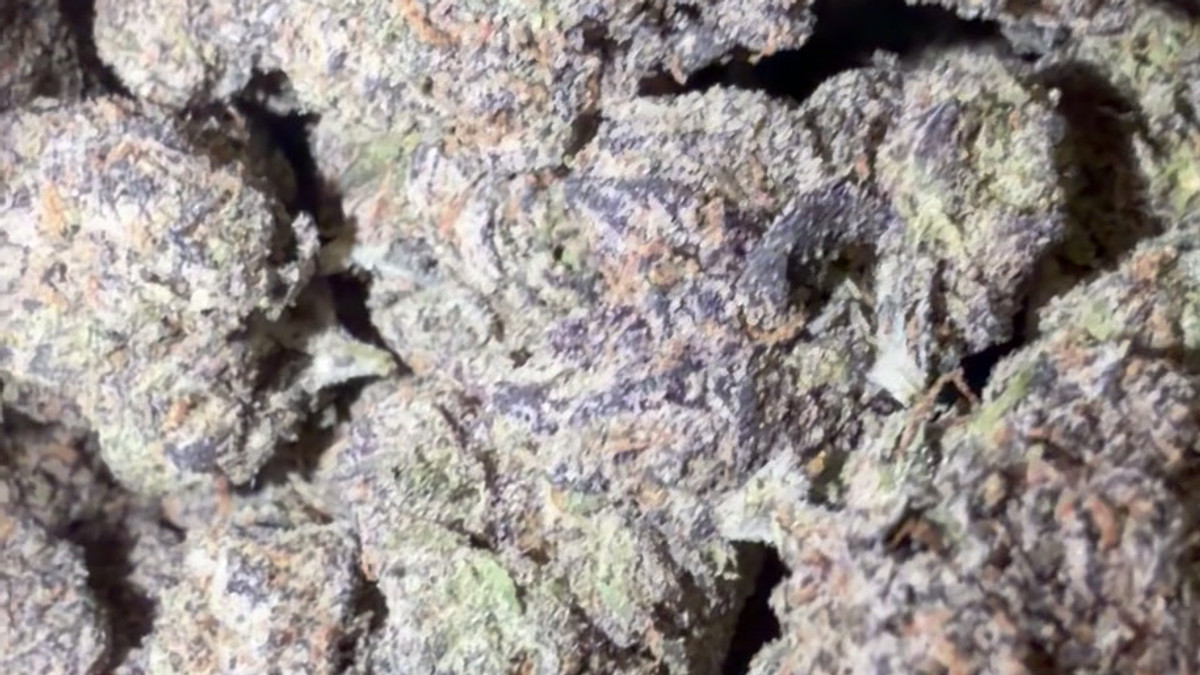
Zushi is commonly described as a modern hybrid with a strong candy-and-fuel identity. Public strain descriptions are not fully consistent, so its exact classification, lineage, and potency should be treated as reported characteristics rather than fixed facts.
Commonly reported flower tests place Zushi somewhere in the high-teens to upper-20s THC range, although the actual result depends on the grower, harvest, curing process, and laboratory. That makes the label more useful than the strain name alone when you are choosing between batches.
Zushi may suit adults who enjoy aromatic hybrids that begin with mental lift and settle into a relaxed body feel. Newer consumers should approach it cautiously because a high-THC batch can feel more intense than the name or flavor suggests.
Product Highlights
This quick reference describes commonly reported Zushi characteristics, not a guarantee about every flower, cartridge, or infused product sold under the name.
Spec | Details |
|---|---|
Strain type | Hybrid; exact balance can vary by cut and producer |
Commonly reported THC range | Approximately 18%–28% in flower listings; verify the package COA |
Dominant terpenes | Often reported as caryophyllene, limonene, and myrcene, with batch variation |
Effect profile | Uplifting, mentally engaging, euphoric, and eventually relaxing |
Best time of day | Late afternoon or evening for many consumers; personal response varies |
Available formats | Flower, pre-rolls, live resin, live rosin, distillate cartridges, and disposables |
Lineage and genetics
Zushi’s family tree is one of the least settled parts of its identity. It is commonly associated with a Zkittlez-derived line crossed with a fuel-forward or kush-leaning parent, but different breeders and retailers may use the name for related cuts rather than one universally documented clone.
That uncertainty matters because strain names are not standardized trademarks. Two products labeled Zushi can share a general flavor direction while differing in structure, terpene ratios, cannabinoid levels, and effects. Unless a producer publishes verified breeder information, treat the parentage as commonly reported, not proven.
For shoppers, the practical answer is to compare the producer, harvest date, batch number, terpene panel, and total cannabinoid results. For growers, a named seed line may not reproduce the exact traits of a clone selected from a commercial flower run.
Aroma, flavor and terpene profile
Zushi is usually described with sweet fruit, candy, citrus, and sharp gas notes. The first impression may be sugary or tropical, while grinding or heating the flower can bring out pepper, pine, earth, or solvent-like fuel.
Caryophyllene is commonly reported in Zushi and can contribute a peppery, woody impression. Limonene may support citrus and bright fruit notes, while myrcene can add earthy, herbal depth; however, a terpene name does not predict an identical experience for every person.
Storage has a major effect on the profile. Excess heat, light, and dry air can flatten volatile aromas, so keep flower sealed in a cool, dark place and avoid treating a flavor description as a promise about every batch.
Reported effects and common uses
Consumer descriptions often place Zushi in the middle ground between daytime stimulation and evening relaxation. People commonly report an upbeat start, a more settled body sensation later, and a flavor-forward experience that works well for low-key social settings, music, creative hobbies, or winding down.
Those reports are subjective and can change with dose, tolerance, sleep, food, setting, and product format. A cartridge or concentrate can deliver cannabinoids more quickly and at higher concentration than a small amount of flower, so the same strain name does not mean the same intensity.
For a cautious first session, use less than your usual amount, avoid mixing cannabis with alcohol or other intoxicants, and give inhaled products time before taking more. Do not drive or perform safety-sensitive work after using cannabis.
Formats and hardware
Flower shows Zushi’s raw aroma most directly, while pre-rolls offer convenience but may burn differently depending on grind, paper, packing, and storage. Concentrates include live resin, live rosin, and distillate: live resin generally preserves a broad fresh-plant aroma through solvent extraction, live rosin uses mechanical separation without hydrocarbon solvents, and distillate is refined for a cleaner, less strain-specific cannabinoid profile that may be flavored or terpene-enhanced.
In a cartridge or disposable, the chamber holds oil and a wick or feed system moves it toward a heating element. The coil vaporizes the oil, while draw-activated devices use an airflow sensor instead of a button; clogging, weak pulls, burnt flavor, or leaking can result from storage, oil thickness, battery behavior, or hardware quality.
Lower temperature settings, often around 2.2–2.8 volts or roughly 350–420°F when a device displays temperature, can preserve delicate terpenes. Higher settings can create larger, harsher pulls and accelerate coil wear, so start low and follow the manufacturer’s instructions rather than chasing vapor volume.
Extraction changes both onset and flavor. Inhaled flower and vapor typically feel faster than oral products, while live resin and live rosin may taste more plant-specific than distillate; none of those format differences removes the need to check the actual label and use a measured, cautious approach.
Batch testing and label reading
A certificate of analysis, or COA, is a laboratory document tied to a specific batch. Look for the batch or lot number on the package and confirm that it matches the COA, then review cannabinoid percentages, terpene results, and any available contaminant testing.
THC may appear as a percentage for flower or as milligrams per gram, while cartridges and other concentrates may list total cannabinoids by percentage or total milligrams. Terpene results are often shown as a total percentage plus individual compounds, but the panel can differ by laboratory and product type.
Numbers vary from batch to batch because cannabis is agricultural material, not a factory-made chemical. A high THC result does not automatically mean a better product, and a terpene panel cannot guarantee a specific effect; use the label as one piece of information alongside freshness, format, and your own response.
How it compares
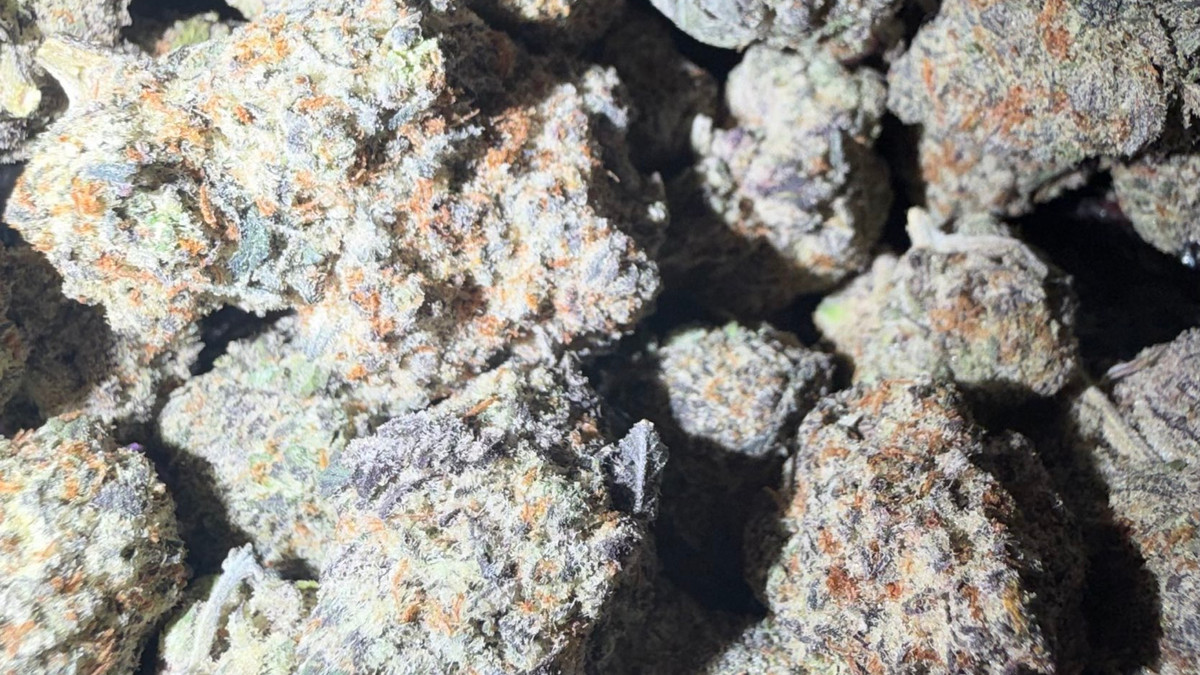
These comparisons are broad family references, not promises that every similarly named product will feel the same. Zushi’s reported profile sits between sweet-fruited hybrids and heavier gas-forward cultivars.
Strain | Type | Flavor | Effect | Best for |
|---|---|---|---|---|
Zushi | Hybrid | Candy, fruit, citrus, gas | Uplifting at first, then relaxing | Late afternoon, evening, and flavor-focused sessions |
Zkittlez | Indica-leaning hybrid | Sweet fruit and tropical candy | Relaxed, euphoric, and mellow | Consumers who prioritize fruit-forward flavor |
Gelato | Hybrid | Cream, fruit, citrus, and light gas | Euphoric, social, and calming | Balanced hybrid fans |
OG Kush | Hybrid | Earth, pine, lemon, and fuel | Heavy, grounded, and mentally distinct | People seeking a classic kush-style profile |
Medical and wellness reports
Adults sometimes discuss Zushi in connection with relaxation, mood, appetite, or the ability to settle into an evening routine. These are personal reports, not established medical outcomes, and they should not be read as evidence that Zushi treats or cures a condition.
Cannabis can produce unwanted effects, including anxiety, dizziness, impaired coordination, and rapid heartbeat. Anyone using cannabis for a health concern should speak with a qualified healthcare professional, especially when taking prescription medicines, managing a mental-health condition, or considering cannabis for a minor or someone who is pregnant.
How to Grow Zushi
Zushi is best approached as a moderately demanding hybrid rather than a guaranteed beginner plant. The reported traits point to a vigorous, aromatic cultivar that rewards canopy control, steady nutrition, and careful humidity management more than rushed feeding or aggressive pruning.
Grow numbers below are commonly reported ranges, not guarantees. Pheno, seed source, container size, lighting, training, climate, and harvest timing can move the result substantially.
Here is the practical starting point for a home grow.
Spec | Details |
|---|---|
Grow difficulty | Moderate |
Indoor flowering time | Approximately 8–10 weeks |
Outdoor harvest window | Typically October in the Northern Hemisphere |
Yield potential | Indoor: commonly reported as moderate to high; outdoor: moderate to high under favorable conditions |
Plant height and stretch | Medium to tall; commonly reported as moderate stretch after the flip |
Ideal climate | Warm, stable, dry-to-moderate humidity with strong airflow |
Mold and pest resistance | Moderate and phenotype-dependent; dense flowers require prevention |
Grow Difficulty
The rating is Moderate. Zushi can reward an intermediate grower with good vigor and a strong aromatic finish, but it is not the plant I would leave unmanaged in a humid room or a crowded outdoor patch.
Its forgiving side is the hybrid structure and generally useful vigor. The tricky side is stretch, branch support, and dense floral development; feeding mistakes, stagnant air, or late-flower humidity can turn a promising canopy into a mold-management problem. It suits an intermediate cultivator best, while a first-time grower should keep the setup simple and monitor daily.
Canopy, Training and Pruning
Expect medium spacing between nodes with enough vegetative energy to fill a screen if you give the roots and light room to work. After the change to 12/12, plan for moderate stretch and set the final canopy before the flip rather than hoping to control height afterward.
Topping and low-stress training can create a broad, even plant, while SCROG works well when several branches are guided into the same light plane. Defoliation should be selective: remove damaged or shaded leaves and improve airflow, but avoid stripping the plant repeatedly or removing healthy fan leaves without a clear reason.
Feeding, Climate and Environment
Zushi is commonly treated as a moderate feeder. Start conservatively, watch leaf color and growth rate, and avoid pushing nitrogen deep into flower; a steady base program with attention to calcium and magnesium is usually more useful than chasing a dark-green canopy. Water quality and growing medium can change how much supplementation is appropriate.
In vegetative growth, many indoor growers keep temperatures roughly in the mid-70s Fahrenheit with humidity around 55%–70%, then move toward the mid-60s to mid-70s and approximately 45%–55% humidity in flower. The exact target should follow leaf response and vapor-pressure considerations, but constant air movement and exhaust are non-negotiable.
DC, Maryland, and Virginia outdoor growers should be especially alert during humid Mid-Atlantic summers and wet early autumn weather. Use wide spacing, morning irrigation, covered plants when practical, and frequent inspections inside the colas; moderate resistance is not immunity to powdery mildew, caterpillars, or botrytis.
Harvest Timing and Curing
Use a loupe and judge the trichomes on the flowers themselves, not only sugar leaves. A mostly cloudy field with a small amount of amber is a commonly chosen balance for a clear, euphoric start with more settled depth; waiting for substantially more amber can produce a heavier, less bright result, but the best point remains personal and phenotype-dependent.
Fading pistils, swollen bracts, reduced fresh growth, and a mature shift from sharp green aroma toward the cultivar’s sweet-gas profile can support the decision, but none is conclusive alone. Dry slowly in darkness with gentle airflow, then cure in clean airtight containers opened periodically to release excess moisture; heat and over-drying are the fastest ways to lose Zushi’s volatile top notes.
Home Grow Rules in the DMV
Adults 21 and older in DC may grow up to six plants, with no more than three mature, and a household maximum of 12. Maryland adults 21 and older may grow up to two plants per household, out of public view; Virginia adults 21 and older may grow up to four plants per household, with labeling and out-of-sight requirements.
These rules can change, and local restrictions or practical requirements may also matter. Check current official DC, Maryland, or Virginia guidance before planting; this is educational information, not legal advice.
Similar strains worth trying
If the appeal is Zushi’s sweet-and-gassy balance, Zkittlez is a natural comparison for fruit-forward flavor, while Gelato offers another dessert-leaning hybrid direction. For more classic fuel and earth, OG Kush is a useful contrast, and a terpene-forward Cookies-family hybrid may land closer to Zushi’s modern candy-and-gas character.
Choose by the batch rather than the name alone. A flower with moderate THC and a clear terpene panel may be a better match than a stronger product with a flatter aroma, especially when you are still learning how your body responds.
The Bud Lords Take
Our read: Zushi is most interesting as a sensory hybrid, not as a promise of one universal effect. The sweet fruit and gas combination gives it broad appeal, while the reported potency range means the same label can serve very different experiences depending on the producer and batch.
For DMV readers, context matters. DC operates under Initiative 71 gifting rules, which are distinct from a conventional regulated retail model, and the rules around cannabis activity differ across DC, Maryland, and Virginia. Do not assume that a product, transfer, delivery arrangement, or possession situation is treated the same way across the region.
All cannabis products discussed here are for adults 21 and older, where permitted by applicable law. Before choosing Zushi, check the package date and batch-matched COA, decide whether flower or concentrate fits your experience level, and keep the product secured away from children and pets. The best version of Zushi is the one with verified testing, intact aroma, and effects you can use responsibly.
Zushi strain FAQ
Here is what most people ask about Zushi in this area.
Is Zushi indica or sativa?
Zushi is commonly described as a hybrid. The exact indica-sativa balance is not standardized, so the batch’s cannabinoid and terpene results are more useful than the category alone.
How strong is Zushi?
Commonly reported flower listings range from approximately 18% to 28% THC, but laboratory results vary. Check the package and its batch-specific COA instead of relying on a strain-name average.
Does Zushi work better during the day or at night?
Many consumer descriptions place it in the late-afternoon or evening category because the reported experience can move from uplift into relaxation. Individual response, dose, tolerance, and product format can change that timing.
Is Zushi easy to grow?
Zushi is commonly rated Moderate. It can be vigorous and productive, but stretch, dense flowers, and humid late-season conditions make canopy control and airflow important.
Zushi is not in the Bud Lords menu right now. Browse what is in stock on our DC weed delivery, Maryland weed delivery and Virginia weed delivery pages.
More strain guides: Super Boof, Glitter Bomb, Cereal Milk.
Frequently asked questions
Here is what most people ask about Zushi in this area.
What Zushi is?
Zushi is commonly described as a modern hybrid with a strong candy-and-fuel identity. Public strain descriptions are not fully consistent, so its exact classification, lineage, and potency should be treated as reported characteristics rather than fixed facts. Commonly reported flower tests place Zushi somewhere in the high-teens to upper-20s THC range, although the actual result depends on the grower, harvest, curing process, and laboratory.
How it compares?
These comparisons are broad family references, not promises that every similarly named product will feel the same. Zushi’s reported profile sits between sweet-fruited hybrids and heavier gas-forward cultivars.
How to Grow Zushi?
Zushi is best approached as a moderately demanding hybrid rather than a guaranteed beginner plant. The reported traits point to a vigorous, aromatic cultivar that rewards canopy control, steady nutrition, and careful humidity management more than rushed feeding or aggressive pruning. Grow numbers below are commonly reported ranges, not guarantees.
Is Zushi indica or sativa?
Zushi is commonly described as a hybrid. The exact indica-sativa balance is not standardized, so the batch’s cannabinoid and terpene results are more useful than the category alone.
How strong is Zushi?
Commonly reported flower listings range from approximately 18% to 28% THC, but laboratory results vary. Check the package and its batch-specific COA instead of relying on a strain-name average.
Does Zushi work better during the day or at night?
Many consumer descriptions place it in the late-afternoon or evening category because the reported experience can move from uplift into relaxation. Individual response, dose, tolerance, and product format can change that timing.
Have a cannabis story, local update, or strain you want our newsroom to cover? Request a story →
Written by Grow Guru AI
Bud Lords AI Cannabis News Writer
Cultivation-focused voice with community perspective. Covers growing tips, techniques, and cultivation industry news.
Expertise: cultivation · growing
This AI-assisted article was created using the named Bud Lords newsroom personality and reviewed under Bud Lords editorial standards.


Comments