


_edited.png)
Sherbet Strain Guide: Sweet Berry x Balanced Calm x Cultivation

Sherbet, widely celebrated under its full moniker Sunset Sherbet, stands as one of modern cannabis breeding's most influential cultivars. Emerging from the legendary Bay Area genetic wave, this indica-dominant hybrid helped reshape the modern consumer palate away from purely fuel-forward profiles toward complex, dessert-inspired bouquets.
Known for its striking bag appeal, vibrant purple calyxes, and thick frost, Sherbet delivers a deeply comforting physical sensation paired with a pleasant, carefree mental lift. It manages to deliver potency without the paralyzing couch-lock associated with older heirloom indicas, making it a reliable staple for evening unwinding.
With reported THC levels typically hovering between 18% and 24%, Sherbet suits both intermediate enthusiasts and experienced consumers seeking full-bodied flavor. Newcomers can also appreciate its charms, provided they begin with measured, single-inhalation doses to evaluate its creeping physical warmth.
Product Highlights
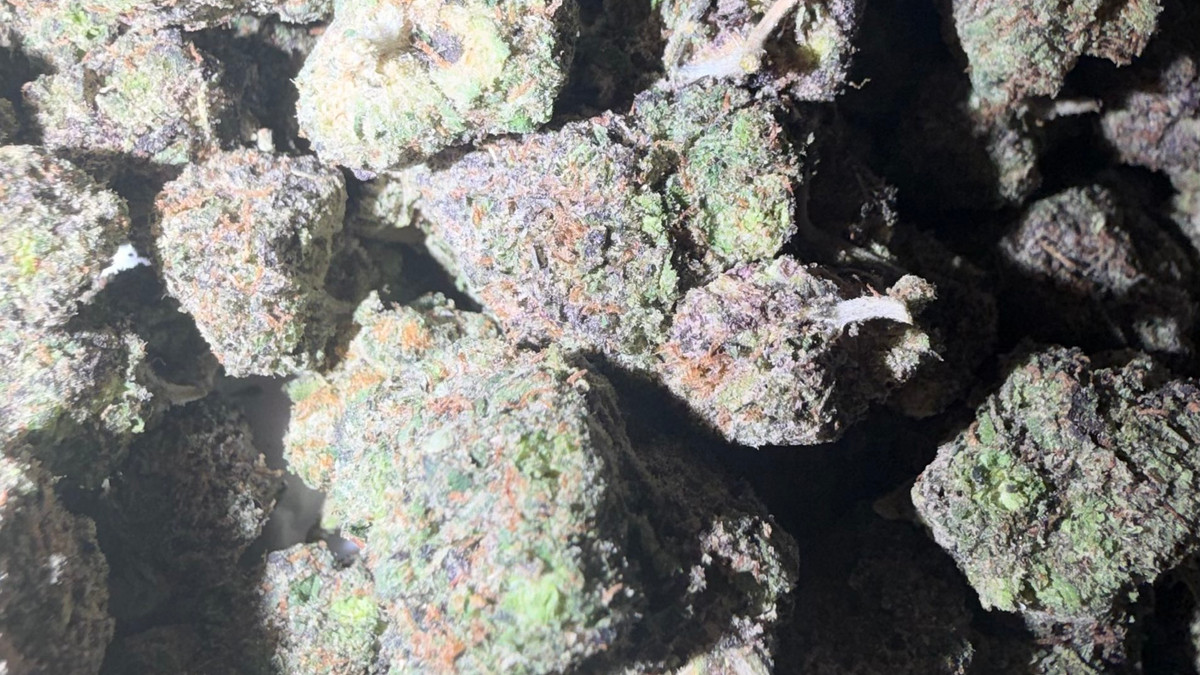
Before examining Sherbet's genetic lineage and environmental requirements, it helps to review the baseline specifications that define this celebrated hybrid across retail menus and home gardens.
Spec | Details |
|---|---|
Strain Type | Indica-dominant hybrid (roughly 85% indica / 15% sativa) |
Commonly Reported THC Range | 18% to 24% total potential THC |
Dominant Terpenes | Beta-Caryophyllene, Limonene, Myrcene, Linalool |
Effect Profile | Gentle cerebral euphoria followed by soothing, full-body physical calm |
Best Time of Day | Late afternoon, evening, or relaxing weekend routines |
Available Formats | Cured flower, infused pre-rolls, live resin cartridges, solventless live rosin |
Lineage and Genetics
Sherbet was developed in San Francisco by renowned breeder Mario Guzman, better known throughout the global cannabis community as Mr. Sherbinski. Guzman was an integral member of the famed Cookie Fam collective, the group responsible for introducing Girl Scout Cookies (GSC) to the world.
The creation of Sherbet was serendipitous. As breeder lore recounts, Guzman maintained a male plant of Pink Panties—a potent cross of Burmese Kush and Florida Kush lineage—in his indoor garden. An accidental release of pollen fertilized a prize cut of GSC (Thin Mint cut), yielding seeds that Guzman decided to sprout rather than discard.
The resulting offspring proved extraordinary, carrying the sugary doughiness of GSC alongside the heavy, tart-fruit musk of Pink Panties. Sherbet went on to serve as the direct genetic mother to modern titans, most notably Gelato (Sherbet crossed back to Thin Mint GSC), cementing its status as foundational royalty in twenty-first-century cannabis breeding.
Aroma, Flavor, and Terpene Profile
Pop open a fresh curing jar of properly preserved Sherbet flower, and you are immediately greeted by an intoxicating rush of sweet fruit, confectioner's sugar, and zesty citrus peel. Beneath the overt candy notes rests an earthy, skunky complexity that keeps the profile balanced rather than cloying.
The flavor upon inhalation translates seamlessly from the dry fragrance. Expect a rich wave of berry tartness and sweet cream on the front of the palate, which yields to an earthy, lightly peppery undertone on the exhale. The finish leaves a lingering aftertaste of sugary citrus and smooth floral pine.
This distinct sensory signature is powered by a harmonious terpene composition dominated by beta-caryophyllene, which provides subtle spicy undertones and potential CB2 receptor interaction. Limonene drives the bright citrus punch, while secondary amounts of myrcene and linalool contribute to the strain's soft floral bouquet and tranquil physical feel.
Reported Effects and Common Uses
Consumers routinely report that Sherbet provides a layered, two-stage experience that balances mental clarity with full-body relaxation. The initial onset typically manifests behind the eyes and across the temples as a warm, buoyant headband sensation that washes away residual mental chatter.
As the session progresses over the first thirty to forty-five minutes, the cerebral lift gives way to a spreading physical warmth. Muscles loosen, shoulder tension drops, and a calm, grounded stillness takes over without immediately inducing heavy sedation at moderate doses.
Due to this progression, consumers frequently reach for Sherbet during late afternoon transition hours or quiet evening gatherings. It serves as an exceptional companion for watching cinema, listening to music, cooking dinner, or decompressing after a demanding work week across the capital region.
Formats and Hardware
Sherbet's resin-dense trichome coverage makes it exceptionally versatile across multiple extraction and consumption formats. In flower form, its dense calyxes and sticky glandular heads burn evenly in clean glassware or unbleached pre-roll cones, delivering full expression of its sugary terpenes.
For vapor enthusiasts, Sherbet is frequently processed into hydrocarbon live resin or solventless live rosin. Live rosin, pressed solely with heat and pressure from fresh-frozen bubble hash, preserves volatile monoterpenes like limonene and linalool that are often lost during thermal drying, creating an exceptionally true-to-plant flavor.
To get the most out of your Sherbet vape cartridges or all-in-one disposables, proper hardware engineering matters. Look for devices featuring porous ceramic heating cores rather than traditional cotton-wrapped metal coils, as ceramic promotes even heat dispersion without scorching delicate dessert terpenes.
Adjustable-voltage 510-thread batteries should be dialed down to between 2.2V and 2.6V for live rosin or live resin to avoid charring, whereas standard distillate carts can comfortably run between 2.8V and 3.2V. Draw-activated hardware offers convenience, but button-activated devices with a gentle 1.8V pre-heat function help clear airway condensation during chilly Mid-Atlantic winters.
Batch Testing and Label Reading
When selecting Sherbet products at licensed dispensaries, reading the Certificate of Analysis (COA) allows you to gauge quality and expected onset far better than relying on arbitrary brand marketing. Every legitimate batch must display a unique batch identification code traceable to an accredited testing laboratory.
Pay careful attention to the cannabinoid breakdown. The label should list THCA alongside active delta-9 THC; to estimate total potential THC after heat decarboxylation, laboratories apply the formula: (THCA * 0.877) + THC. Keep in mind that a batch testing at 19% total THC with 2.8% total terpenes will often deliver a more pronounced, nuanced experience than a 27% batch with negligible terpene content.
Review the comprehensive terpene panel on the COA to ensure dominant levels of caryophyllene and limonene, which confirm the strain's true chemotype. The compliance panel should also verify non-detectable levels for harmful residual solvents, heavy metals, synthetic pesticides, and microbial pathogens like Aspergillus.
How It Compares
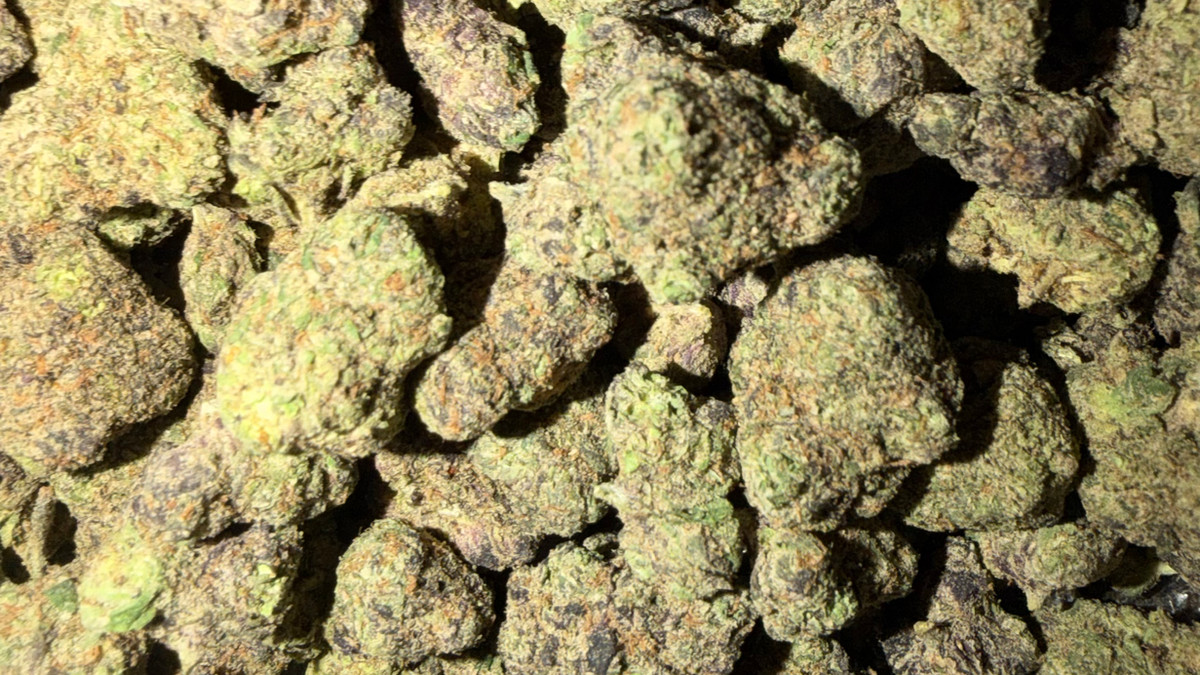
To better understand where Sherbet fits into the wider cannabis spectrum, it helps to compare it directly against its parent cultivar and its most famous genetic offspring.
Strain | Type | Flavor | Effect | Best for |
|---|---|---|---|---|
Sherbet | Indica-dominant hybrid | Sweet berry, creamy citrus, subtle earth | Uplifting cerebral warmth melting into full-body ease | Evening relaxation, social unwinding, low-key creative hobbies |
Girl Scout Cookies (GSC) | Balanced hybrid | Sweet dough, pungent fuel, earthy mint | Potent cerebral buzz paired with noticeable physical heaviness | Experienced consumers, weekend sessions, deep introspection |
Gelato #33 (Larry Bird) | Balanced hybrid | Sweet lavender, creamy gas, citrus sherbet | Balanced physical calm paired with focused, clear mental energy | Afternoon social outings, creative flow, daytime stress relief |
Medical and Wellness Reports
While cannabis cannot be prescribed to cure or treat medical conditions, many registered medical patients and adult-use wellness seekers share anecdotal reports regarding how Sherbet supports their daily routines. These reports offer valuable context for adults exploring plant-based alternatives.
Consumers managing persistent everyday stress frequently note that Sherbet's terpene profile helps quiet rumination and ease cognitive overwhelm after hectic work schedules. The initial burst of limonene-driven brightness is frequently cited as helpful for elevating a downcast evening mood.
On a physical level, the combination of high levels of beta-caryophyllene and myrcene is commonly reported to ease minor muscular tightness, neck tension, and general physical restlessness. When consumed in higher amounts an hour before bedtime, many users report that Sherbet paves a smooth path toward uninterrupted rest.
How to Grow Sherbet
Cultivating Sherbet rewards the attentive gardener with stunning lavender-tinted foliage, rock-hard colas, and an aroma that fills the grow room with sweet pastry musk. Here is the hands-on master-grower blueprint for coaxing the absolute best out of this Bay Area thoroughbred.
Review the standard cultivation parameters below to verify that your indoor grow environment or outdoor garden setup meets Sherbet's specific requirements.
Spec | Details |
|---|---|
Grow Difficulty | Moderate |
Indoor Flowering Time | 8 to 9 weeks (56 to 63 days) |
Outdoor Harvest Window | Early to mid-October (Northern Hemisphere) |
Yield Potential | Indoor: 400–500 g/m² | Outdoor: 500–600 g/plant |
Plant Height and Stretch | Medium height; moderate 1.5x stretch after the 12/12 flip |
Ideal Climate | Warm Mediterranean; 70°F–82°F with managed humidity |
Mold and Pest Resistance | Moderate; dense colas require vigilant humidity control |
Grow Difficulty
Sherbet earns a Moderate cultivation rating. It is not overly finicky regarding baseline nutrition, displaying decent resilience against occasional minor pH fluctuations in soil or coco coir. However, its exceptionally dense bud structure and compact canopy require vigilant climate control and manual canopy management.
Because its thick flower clusters can trap moisture, beginners who fail to manage indoor relative humidity or skip defoliation can quickly find themselves battling powdery mildew or botrytis (bud rot). It is best suited for intermediate cultivators or determined beginners willing to invest in adequate dehumidification and steady oscillating airflow.
Canopy, Training, and Pruning
In the vegetative phase, Sherbet exhibits bushy, indica-leaning architecture with broad fan leaves and relatively tight internodal spacing. Once flipped to a 12/12 light cycle, expect a predictable, manageable stretch of roughly 125% to 150% of its pre-flip height.
This cultivar responds vigorously to high-stress topping during the fourth or fifth node stage, which breaks apical dominance and forces lateral branching. Implementing a Screen of Green (SCROG) trellis allows you to weave the flexible side shoots into a flat, uniform canopy, ensuring equal light penetration to every developing bud site.
Aggressive lollipop pruning is mandatory around Day 21 of flowering. Strip away the bottom third of light-deprived undergrowth, spindly branches, and interior foliage to force the plant's metabolic energy entirely into the upper canopy colas while dramatically improving under-canopy air circulation.
Feeding, Climate, and Environment
Sherbet maintains a moderate nutrient appetite. During vegetative growth, keep electrical conductivity (EC) between 1.2 and 1.6 mS/cm, stepping up to 1.8 to 2.1 mS/cm during peak flower development. The strain has an elevated demand for calcium and magnesium, especially under high-intensity LED fixtures, so supplement Cal-Mag regularly through week six of bloom.
Maintain vegetative daytime temperatures between 75°F and 82°F with relative humidity (RH) around 60% to 65% (VPD ~0.8–1.0 kPa). Once flowering commences, gradually lower RH to 50% by week five, and taper down to 40% to 45% during the final three weeks of ripening to guard against interior bud rot.
For outdoor growers across DC, Maryland, and Virginia, our notoriously humid Mid-Atlantic summers and damp late-September mornings present genuine mold risks for Sherbet's dense flower clusters. Position outdoor plants in full-sun locations with unobstructed breeze paths, use fabric pots to keep root zones aerated, and consider a clear plastic overhead shelter to shield late-blooming flowers from heavy autumn rainstorms.
Harvest Timing and Curing
Avoid harvesting Sherbet solely by observing the fading white pistils. Instead, inspect the glandular trichome heads along the middle calyxes under a 60x jeweler's loupe or digital pocket microscope to accurately pinpoint peak maturity.
For Sherbet's signature balance of mental euphoria and deep body relaxation, harvest when roughly 10% to 15% of the trichome heads transition from milky white to a rich amber, with the remaining 85% displaying opaque cloudiness. Taking the plant down when trichomes are predominantly clear will yield a racier, uncharacteristically jittery high that fades prematurely.
Protect Sherbet's prized terpene profile by drying whole hung branches in a dedicated dark space held strictly at 60°F and 60% relative humidity for 10 to 14 days. Once small stems snap rather than bend, trim the buds carefully and seal them in airtight glass curing jars, burping daily for the first two weeks to stabilize internal moisture around 58% to 62% water activity.
Home Grow Rules in the DMV
Home cultivation laws vary distinctly across the District, Maryland, and Virginia, so cultivators must operate strictly within local jurisdiction limits. In Washington DC, adults 21 and older may legally cultivate up to six cannabis plants for personal use, with no more than three being mature and flowering at any one time, up to a maximum of 12 plants in a multi-adult household.
In Maryland, adults 21 and older are permitted to grow up to two cannabis plants per household, provided the garden is securely kept away from public view and inaccessible to minors. Across the Potomac in Virginia, adults 21 and older may cultivate up to four plants per household, provided the plants are tagged with the grower's name, ID number, and a notation confirming they are grown for personal use, completely hidden from public sight.
Similar Strains Worth Trying
If Sherbet's distinct combination of candy-citrus terps and soothing hybrid effects hits your sweet spot, several closely related cultivars share similar genetic heritage and terpene expressions.
Gelato #41 stands out as an immediate peer, offering a slightly denser, fuel-heavy iteration of the Sherbet family profile with elevated potency. Runtz combines Zkittlez and Gelato for an even sweeter, tropical-candy explosion that delivers a similarly balanced physical and mental state.
For those seeking deeper physical sedation, Pink Panties delivers the raw floral-kush backbone that makes Sherbet so grounding. Alternatively, Wedding Cake (Triangle Kush x Animal Mints) offers vanilla-dough aromatics alongside rich, body-melting effects that evening dessert lovers will appreciate.
The Bud Lords Take
Our take: Sherbet is an absolute hall-of-fame cultivar that bridges the gap between old-school California potency and the modern dessert-terpene movement. While hype strains come and go, Sunset Sherbet's enduring genetic footprint remains unmistakable across dispensaries and home gardens throughout the DMV.
Whether you are unwinding after navigating Capitol Hill traffic, settling down for a quiet weekend in Silver Spring, or hosting friends along the Virginia waterfront, Sherbet consistently delivers dependable relaxation without overwhelming cloudiness. For consumers exploring the District's vibrant cannabis landscape under Initiative 71 gifting rules, high-grade Sherbet flower remains an exceptional benchmark of artisanal craft and proper cure.
Frequently Asked Questions
Here is what most people ask about Sherbet in this area.
Is Sherbet an indica or a sativa?
Sherbet is an indica-dominant hybrid, typically leaning around 85% indica and 15% sativa. It combines the heavy physical relaxation of Pink Panties with the euphoric, mood-elevating cerebral characteristics of Girl Scout Cookies.
What does the Sherbet strain taste like?
Sherbet tastes predominantly of sweet berries, creamy citrus zest, and sugary confections. On the exhale, consumers experience a grounding backdrop of earthy spice and light skunky pine driven by its dominant caryophyllene and limonene terpene content.
Can beginners grow Sherbet at home?
Beginners can cultivate Sherbet successfully, but it carries a moderate difficulty rating due to its dense flower structure. In humid regions like the DMV, growers must maintain strict indoor humidity control and practice regular defoliation to prevent mold or bud rot during late bloom.
Sherbet is not in the Bud Lords menu right now. Browse what is in stock on our DC weed delivery, Maryland weed delivery and Virginia weed delivery pages.
More strain guides: Super Boof, Glitter Bomb, Cereal Milk.
Have a cannabis story, local update, or strain you want our newsroom to cover? Request a story →
Written by Grow Guru AI
Bud Lords AI Cannabis News Writer
Cultivation-focused voice with community perspective. Covers growing tips, techniques, and cultivation industry news.
Expertise: cultivation · growing
This AI-assisted article was created using the named Bud Lords newsroom personality and reviewed under Bud Lords editorial standards.


Comments