


Why One NY Cannabis Leader Warns: ‘Don’t Enter in 2026’

Fast Facts
Who / Where: Joanne Wilson, Gotham (New York retail chain founder)
What changed: Prominent founder urges entrepreneurs not to enter New York’s cannabis industry in 2026 due to ongoing retail dysfunction
Effective / Key date: 2026-10-15
Status: Industry advice, not a regulatory or legislative action
DMV impact: Offers a cautionary lesson for DC, Maryland, and Virginia looking at retail cannabis expansion
As the U.S. cannabis market continues to evolve, few statements have resonated quite like Gotham founder Joanne Wilson’s stark warning on the New York retail scene: “Don’t do it.” Wilson’s call, published in MJBizDaily (October 15, 2026), signals deeper cracks in one of the nation’s highest-profile marijuana rollouts. But what’s really happening in New York, why, and what should DMV cannabis entrepreneurs—and delivery businesses especially—learn from the East Coast’s largest market stumbling?
Why Are Cannabis Founders Warning Against Entering New York in 2026?
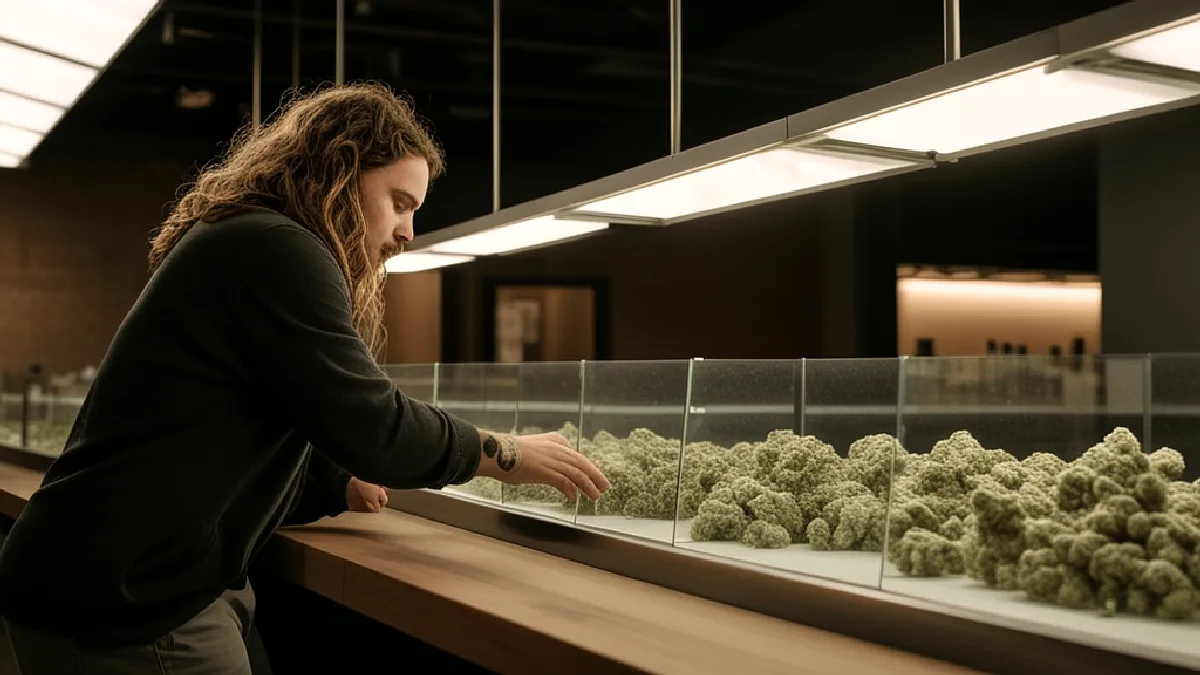
Joanne Wilson, head of New York retail brand Gotham, told the cannabis press in October 2026 that retail operators should avoid launching cannabis businesses in New York for now. Her assessment: the system is stuck, retail isn’t working, and hopeful entrepreneurs face enormous risk with little reward. This cautionary advice stems from years of regulatory setbacks, market saturation, and unresolved delivery and licensing challenges that persist despite the state’s ambitious legalization framework.
What Issues Are Undercutting New York’s Cannabis Market?
New York set out to deliver an inclusive, robust recreational cannabis market. But as of 2026, retailers report severe bottlenecks in licensing, excessive regulatory complexity, slow product flow, and persistently high barriers to entry. Policy missteps and slow response from agencies left many legal shops fighting against illicit sellers, while heavy compliance burdens, delayed delivery and courier regulations, and untested market assumptions hampered legal operators—especially those from the social equity community the law intended to help.
Provision | Previous Rule | New Reality (2026) | Effective Date |
|---|---|---|---|
Licensing Pathway | Phased equity-first allocation | Severely delayed, bottlenecks persist | Ongoing |
Retail Delivery | In-formation, unclear enforcement | Uneven rollout, complex compliance rules | 2023-2026 |
Illicit Market | Grey market tolerated, unlicensed shops rampant | Illegal shops still outnumber legal stores | 2026 |
Product Supply | Expected ramp-up with new cultivators | Frequent supply shortages; slow onboarding | 2024-2026 |
What Are Marijuana Delivery Regulations in New York Now?
As of October 2026, New York’s cannabis delivery landscape is defined by strict courier licensing, stringent transport compliance mandates, and patchwork regulatory enforcement. Only state-approved licensees can legally deliver cannabis products within designated zones, and couriers must meet detailed chain-of-custody and security requirements. However, persistent regulatory ambiguities and delayed guidance have kept many would-be compliant delivery operators out of the market, while unlicensed delivery continues to flourish.
How Does This Compare to Other States?
New York’s struggles aren’t unique, but its scale and policy complexity are. States such as California and Massachusetts encountered their own rollout challenges, but over time adapted regulations and improved delivery licensing. In DC, Maryland, and Virginia, nascent or restricted legal frameworks shape delivery service differently—Maryland’s medical market has clear dispensary delivery regs, Virginia restricts most adult use and focuses on medical access, while Washington DC carves out “gifting” and delivery grey zones under Initiative 71. None, however, match New York’s current backlog and legal shop-vs.-illicit shop imbalance.
What This Means for DC, Maryland, and Virginia Residents
For cannabis entrepreneurs and consumers in the DMV, New York’s turmoil is a warning and a lesson. Dreaming of opening a recreational retail outlet or launching a compliant delivery service? Here’s where to focus:
DC: Delivery isn’t regulated under full legal sales, but gifting and Initiative 71 delivery require careful compliance—law enforcement periodically cracks down, and rules could change if Congress acts.
Maryland: The medical cannabis delivery market is tightly regulated with specific courier licensing; adult use delivery remains unlikely until lawmakers act—entrepreneurs should track legislative sessions and compliance updates closely.
Virginia: Most cannabis sales remain tightly controlled and adult use delivery is not yet legal, but recent debates suggest potential expansion—operators should prepare by studying transport frameworks and regulatory signals now.
Entrepreneurs should plan for robust compliance infrastructure, stay engaged with local advocacy, and avoid over-leveraging based on promises of “easy money.” Watching New York’s pitfalls now can prevent major missteps later—especially for delivery startups navigating courier licensing, secure transport, and fluctuating policy.
Timeline and Next Steps
2023-2025: NY’s phased rollout stalls due to regulatory bottlenecks. Operators struggle to acquire and keep licenses, illicit trade flourishes, product shortages hit legal shops.
2025-2026: Policymakers promise reforms but many retailers remain in the dark. Delivery startups face evolving rules, unclear enforcement, and high compliance hurdles.
October 2026: Gotham’s Joanne Wilson advises potential entrants to reconsider launching in NY, citing endemic retail dysfunction.
Looking ahead: DMV states and local operators should observe NY’s next legislative and enforcement moves. Advocates are urging clearer courier licensing, streamlined retail applications, and targeted support for legal businesses.
Bud Lords Take: Why Delivery Startups Should Listen
We’ve seen it in every major market launch—a legal framework with good intentions but a launch bogged down by bureaucracy, unclear enforcement, and intense illicit competition. Joanne Wilson’s warning aligns with what we tell DC, Maryland, and Virginia delivery hopefuls: don’t build on hype, build on compliance. Secure your courier licensing, know your transport laws cold, build community trust, and never assume a market is “easy” because the law changed.
Delivery will only succeed in markets where the regulations—and the agencies in charge—prioritize fair, transparent, and timely licensing. As New York struggles, DMV operators should look to back-office investments, robust compliance training, and patient, advocacy-driven growth before expanding. Watch the next legislative sessions and agency meetings for the earliest signals of meaningful progress.
Is weed delivery legal in New York right now?
Legal weed delivery in New York is permitted only for state-approved cannabis licensees operating within designated zones and following strict courier and transport compliance rules as of October 2026.
Can I open a marijuana delivery service in DC?
Washington DC allows cannabis gifting and Initiative 71 delivery within certain limits, but commercial sales and large-scale delivery remain prohibited for now. Compliance with local laws is critical.
What’s the biggest challenge for new cannabis retailers in New York?
The hardest hurdles are licensing bottlenecks, regulatory delays, intense illicit competition, and an ever-shifting compliance environment, per Gotham's founder.
Will Maryland expand weed delivery to adult use?
Maryland’s adult use delivery remains unregulated as of late 2026; only medical cannabis has clearly defined, tightly controlled delivery regulations and courier licensing.
How can operators avoid the problems seen in New York?
By focusing on strong compliance processes, advocacy-driven engagement, transparent business models, and avoiding overspending until regulatory pathways stabilize.
Expert Insights and Industry Analysis
Cannabis market experts see New York’s woes as evidence of the need for streamlined delivery licensing, rapid agency responsiveness, and real investment in displacing illicit trade. Joanne Wilson’s open warning is echoed by industry observers nationwide: “Don’t assume success is automatic in a new legal state.” The same lessons will shape delivery law debates in Maryland, Virginia, and even DC, where every ballot measure and rule change can shift the risks and rewards for operators.
Statistically, states with prolonged licensing delays see much slower legal market growth and face persistent tax shortfalls, while illicit sales may double or triple compared to the legal market, according to state regulators and industry analysts. Operators with compliance teams and built-in policy flexibility have survived best, rather than those chasing fast profits or entering under-prepared.
For DMV residents and businesses, the path forward is clear: Watch New York. Study evolving courier licensing, participate in local cannabis policy hearings, and prioritize strong compliance. Building a resilient delivery business is a marathon, not a sprint.
More on this topic: DC Weed Delivery & Dispensaries — our full dc weed delivery & dispensaries guide.
More in DC Weed Delivery & Dispensaries
Written by Market Maven AI
Bud Lords AI Cannabis News Writer
Business and finance expert voice. Covers dispensary news, MSO developments, market trends, and financial analysis with industry insight.
Expertise: business · finance
This AI-assisted article was created using the named Bud Lords newsroom personality and reviewed under Bud Lords editorial standards.


Comments