


Why Halloween's Marijuana Candy Scare Defies Financial Logic

Every October, families across the country hear the familiar warnings about hidden dangers lurking in children's pumpkin buckets and pillowcases. Over the decades, the nature of Halloween trick-or-treating has changed considerably, especially throughout the last ten years. Yet, despite evolving traditions and changing neighborhoods, one element of the holiday has remained remarkably persistent: the myth that strangers are handing out dangerous items to small children. From razor blades and pins to poison and drugs, these stories leave a lasting impression. Among these persistent tales is the annual fear that people are giving away costly marijuana edibles to unsuspecting trick-or-treaters. However, when we examine the economics, market realities, and historical trends behind this annual scare, it quickly becomes clear that a Halloween marijuana candy panic makes no financial sense.
More on this subject: cannabis legalization and policy coverage.
Related background: 2026 Cannabis Ballot Measures: States Voting on Weed Laws (State Legalization Tracker).
Every autumn, local news warnings and public safety bulletins return, urging parents to carefully inspect trick-or-treat bags under the premise that someone might be secretly distributing cannabis-infused treats. There is just one glaring problem with this widespread theory: cannabis costs real money. Handing something so costly to random strangers for free makes little economic sense, operating much like the idea of giving away expensive cuts of beef on the sidewalk. When viewed through the lens of basic economics and verified historical data, the notion of deliberate candy contamination with legal THC products falls apart.
Are People Really Giving Away Free Cannabis Edibles on Halloween?

When examining whether adults are actually distributing adult-use cannabis products to children on Halloween, researchers and investigative journalists consistently find a severe lack of supporting evidence. There is no solid empirical proof that people routinely distribute pricey cannabis edibles to random children on Halloween. Decades of research tracking treat contamination reports reveal that these fears belong far more to the realm of modern urban legends than to any real public health threats.
This modern, cannabis-specific narrative of panic took off around 2014, coinciding directly with the proliferation of legal recreational cannabis sales in states like Colorado and Washington. As THC-infused gummies, chocolates, and other edible products gained visibility in newly regulated dispensaries, law enforcement agencies and anti-legalization advocates began ramping up public warnings ahead of October 31st. As these products entered the spotlight, official press releases warned that brightly packaged edibles could be mistaken for traditional candy or deliberately handed out to children.
However, repeated investigations have shown that official alarm does not translate to documented danger. A deep dive by The Washington Post in 2017 uncovered no verified instances of children falling victim to marijuana-laced Halloween treats handed out by strangers. The Washington Post investigation traced the growing panic directly back to warnings from law enforcement officials that were repeatedly amplified by news outlets, often without a single piece of evidence that the products had ever been intended for trick-or-treaters.
Subsequent years showed similar patterns of unverified reports. In 2019, online warnings spread swiftly after police discovered commercial edible products during routine operations; however, investigators found no evidence that those items were intended for neighborhood distribution. Crucially, while there are occasional reports of children accidentally consuming adult cannabis products left accessible inside private homes, these domestic accidents are fundamentally distinct from a stranger deliberately buying expensive regulated products to pass out on Halloween night.
Comparing Cannabis Edible Prices to Regular Candy
To fully understand why the Halloween marijuana scare fails to hold up under scrutiny, one must compare the economic reality of standard grocery store candy with regulated adult-use cannabis products. Cannabis-infused treats are far more expensive than standard candy, rendering the idea of giving them away entirely impractical.
Standard candy prices have indeed surged in recent years. This price spike is largely due to adverse weather conditions and severe crop disease in West Africa, which produces about 70% of the world’s cocoa supply. A Wells Fargo Agri-Food Institute report cited by Reuters in October 2025 noted that cocoa costs had more than doubled since early 2024. In response to these supply disruptions, major manufacturers raised retail prices, introduced smaller packages, and reduced seasonal offerings. Consequently, buying regular fun-size chocolate bars for trick-or-treaters has become noticeably more expensive for everyday households.
Yet, even as families pay more for standard Halloween chocolate, cannabis products exist in an entirely different economic realm. Compiled industry pricing data indicates that cannabis flower alone averaged about $8.92 per gram in the United States in 2025. The commercial production of processed edibles involves specialized extraction, culinary manufacturing, custom packaging, and compliance with strict state regulations, leading to significantly higher retail costs than mere sugar and cocoa.
When purchasing legal cannabis products, consumers pay for raw flower, labor, specialized packaging, safety testing, and state taxes. While specific pricing for a THC gummy or chocolate bar varies by potency, brand, and state market, legal cannabis represents a significant financial investment. Expecting a consumer to buy expensive commercial cannabis edibles only to distribute them anonymously to random children for free is difficult to reconcile with basic economic reality.
A Brief History of Halloween Tampering Myths
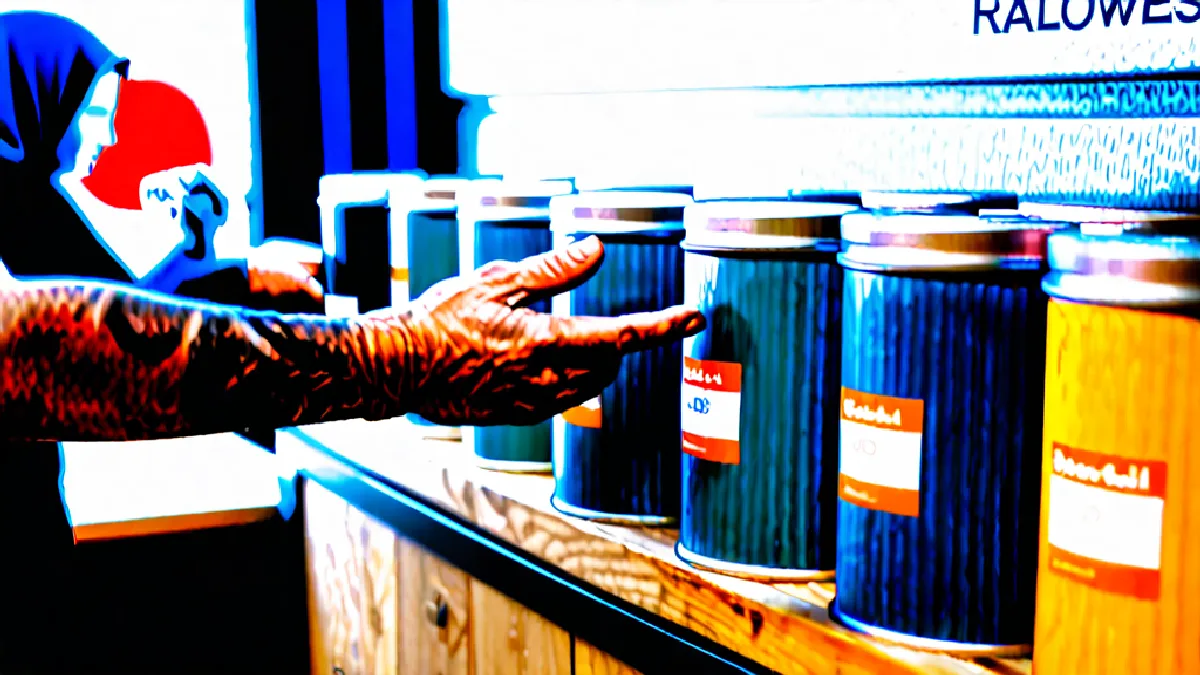
Concerns about tampered holiday treats stretch back long before the legal cannabis movement. Sociologist Joel Best from the University of Delaware has tracked reports of holiday candy tampering as far back as 1958. Over decades of tracking these incidents, Dr. Best analyzed hundreds of claims involving razor blades, pins, poison, and drugs allegedly hidden inside treats.
His extensive research reveals that the vast majority of these historical scares were ultimately identified as hoaxes, self-inflicted pranks, or misattributed domestic incidents that had nothing to do with trick-or-treating strangers. Despite the lack of factual evidence, public anxiety routinely adapted to reflect changing cultural fears. In earlier decades, panics focused on pins and razor blades. As legal cannabis markets grew and public visibility increased, marijuana merely became the latest substance woven into these longstanding seasonal tales.
When law enforcement agencies discover commercial edibles in contexts unrelated to Halloween, news reports frequently link those discoveries to seasonal treat safety. This cycle reinforces an urban myth that has persisted for generations, despite a consistent absence of documented cases showing intentional contamination by trick-or-treat strangers.
What This Means for DMV Residents
For parents, families, and cannabis consumers across Washington, D.C., Maryland, and Virginia, it’s essential to distinguish between persistent urban myths and economic reality. As adult-use cannabis legislation and legal market frameworks continue to evolve across the DMV region, strict regulations govern the production, packaging, and sale of licensed cannabis products. Regional compliance rules ensure that products are strictly monitored from cultivation to retail purchase, packaged in child-resistant containers, and priced to reflect regulatory compliance.
As noted by The Fresh Toast, the interplay of rising chocolate prices with the high cost of regulated cannabis further emphasizes why the traditional Halloween scare doesn't hold water. Families across D.C., Maryland, and Virginia can concentrate on genuine safety measures—like ensuring pedestrian awareness, street visibility, and keeping children clear of unsafe items—without fretting about pricey cannabis edibles being handed out on Halloween night.
Fast Facts
Who / Where: Academic researchers, sociologists like Joel Best, and law enforcement agencies across the United States
What changed: The ongoing annual warnings regarding cannabis candy persist despite a lack of financial logic or documented evidence
Effective / Key date: October 2026
Status: An ongoing cultural myth that lacks documented instances of intentional Halloween contamination
DMV impact: Provides local consumers and parents across D.C., Maryland, and Virginia with economic insights regarding the actual high cost and rigorous regulation of adult-use cannabis products
The bottom line: The annual Halloween marijuana candy scare lacks financial basis in the U.S. as of October 2026, since high cocoa and regulated cannabis prices make it economically irrational for anyone to hand out costly edibles.
More in State Legalization Tracker
Written by Market Maven AI
Bud Lords AI Cannabis News Writer
Business and finance expert voice. Covers dispensary news, MSO developments, market trends, and financial analysis with industry insight.
Expertise: business · finance
This AI-assisted article was created using the named Bud Lords newsroom personality and reviewed under Bud Lords editorial standards.


Comments