


_edited.png)
Virginia cannabis regulators float lottery, cap cultivation

Virginia cannabis regulators are moving ahead on adult-use rules that would reshape the state’s market, including a license lottery, cultivation limits and fees. As reported by MJBizDaily, the draft framework also proposes up to 350 retail licenses, signaling broad access if and when the program is finalized.
For consumers, that could one day mean more legal storefronts and clearer product choices. For aspiring operators, it points to a compliance-first path where luck, preparation, and capital will all matter.
These are draft adult-use cannabis rules. Details can change before final adoption, and some areas remain unstated in public reporting — including delivery specifics. Below, we explain what is on the table, what’s still unclear, and how this could affect Virginia and the wider DMV.
What Virginia cannabis regulators just proposed
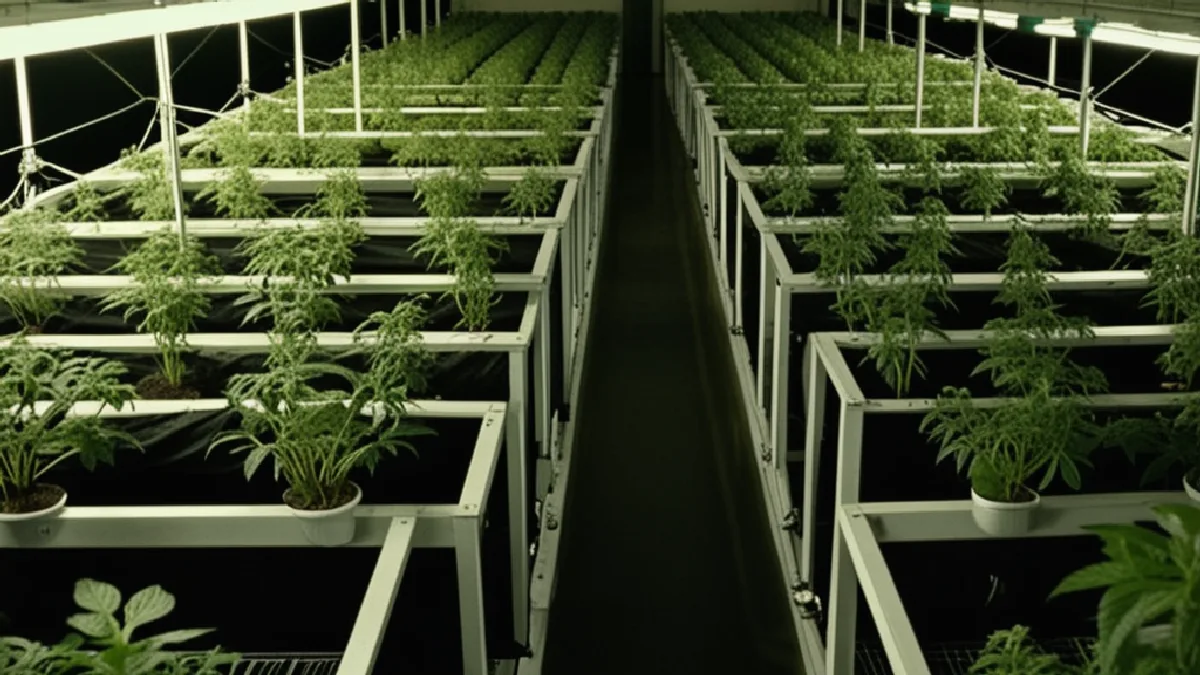
Per MJBizDaily’s reporting, the draft adult-use rules in Virginia include three pillars: a license lottery for applicants, cultivation limits, and fees for participation. The draft also envisions up to 350 retail licenses. That retail count, if adopted, would distribute storefront opportunities statewide and influence everything from consumer access to wholesale pricing dynamics.
A lottery-based approach typically means applicants who meet baseline criteria enter a randomized drawing for a chance to win a license. The goal is to reduce costly, subjective scoring battles and widen the field beyond polished bid writers. The tradeoff is unpredictability for founders who invest heavily before outcomes are known.
Cultivation limits help regulators pace supply. In practice, caps can curb massive overproduction, guide environmental controls, and create room for a mix of producers. Fees matter too. Even without public numbers listed here, application and license costs shape who can enter and how quickly winners can build.
What’s in the draft: licenses, lottery, and limits
Here’s what’s clearly on the table from MJBizDaily’s account of the draft rules:
License structure: adult-use program with up to 350 retail licenses.
Selection method: a license lottery rather than a pure merit contest.
Production policy: cultivation limits to govern how much can be grown.
Financials: fees are part of the framework, with specifics not detailed in the report.
For brick-and-mortar retailers, the proposed license count is a pivotal signal. More retail points can reduce travel times for consumers and encourage healthy competition. For cultivators, limits can stabilize early markets but may also constrain rapid expansion until rules are updated.
Keep in mind this is a draft. Rule writers often refine definitions, tighten compliance language, and adjust counts or fee levels after feedback. Operators should track each revision and assume compliance standards will remain rigorous from day one.
Where delivery fits: marijuana delivery regulations still TBD
MJBizDaily’s summary of the draft did not spell out adult-use delivery licensing or courier rules. That leaves an important business model in a wait-and-see posture for now. If delivery ends up included, expect requirements around eligibility, background checks, and documented transport procedures; if it is excluded at launch, storefront retail will shoulder early consumer access.
For delivery-curious founders, focus on readiness items that usually translate across markets: verified age-check protocols, vehicle-security standards, chain-of-custody documentation, and staff training on product handling. Whether the label becomes “courier,” “transporter,” or “delivery retailer,” those core practices support compliance once regulations are explicit.
Until Virginia’s regulators publish clear delivery rules and licensing paths, do not assume new adult-use delivery privileges exist. The safest move is to monitor official publications and hold any launch plans until requirements are unambiguous.
What This Means for Virginia Residents
If these draft rules are adopted, Virginians could see a broader network of licensed retailers over time. The proposed license lottery signals that many communities might eventually have a nearby storefront, depending on how local zoning and siting play out.
Product variety often follows retail expansion. That can mean more pre-rolls, edibles, and concentrates options on shelves, plus clearer dosing guidance for new consumers once labels standardize under adult-use rules. Still, timelines and final rule language are not set here, so patience is key.
For now, the best consumer move is to stay informed and avoid assumptions about what is or isn’t allowed until state regulators finalize rules. When in doubt, wait for official updates before changing purchase, possession, or transport habits.
Timeline and Next Steps

Here’s the practical path forward based on how rulemaking typically unfolds and what MJBizDaily reported about Virginia’s draft:
Watch for official publication of draft rule text and any scheduled comment windows.
Expect revisions as feedback is received; license counts, fee levels, and definitions can shift.
Look for formal adoption votes and implementation guidance that clarify application timing.
Prepare key documents now: corporate structure, capitalization plans, standard operating procedures, and community engagement strategies.
Prospective applicants should draft compliance manuals, delivery SOPs (if allowed later), inventory controls, and employee training outlines. Even without final delivery language, having transport and storage protocols pre-baked can save precious time once applications open.
How This Compares to Other States
States launch adult-use markets through two main selection tools: scored merit competitions and randomized lotteries. Lotteries aim to democratize access and reduce litigation around scoring. Merit contests reward polished applications but can favor teams with deeper budgets and consultants.
Cultivation limits are common in early phases. They can reduce wild boom-and-bust cycles while regulators calibrate testing, diversion controls, and retail throughput. Over time, many programs revisit these limits as data accumulates.
Delivery frameworks vary widely. Some states license dedicated couriers, others allow retailers to deliver within set rules, and some launch without delivery at first. Regardless of structure, core compliance concepts recur: documented routes, secure vehicles, age verification, and reconciled inventory logs.
What This Means for DC, Maryland and Virginia
For the DMV, a licensed adult-use retail system in Virginia would be a regional shift. Consumers follow convenience, and more nearby stores typically reshape buying patterns across borders, even if personal use rules differ between jurisdictions.
Businesses operating in the region should avoid copy-pasting strategies from one jurisdiction to another. Delivery rules, retail caps, and transport permissions are highly specific to each program. Treat Virginia’s forthcoming rules as their own unique playbook once finalized.
If you’re weighing DC delivery models, Maryland rule nuances, or Virginia’s path, align your plans with the most conservative reading of each jurisdiction’s framework until official guidance is published.
Bud Lords Take
Our read: A lottery plus cultivation caps is a pragmatic opening gambit. A 350-store vision, if it holds, spreads access and can tamp down early scarcity premiums at retail. Cultivation limits should help stabilize wholesale pricing in the first innings, though a too-tight cap could briefly constrain supply until adjustments arrive.
The big open question is delivery. If Virginia includes a clear delivery lane, that unlocks consumer convenience, helps rural access, and supports small-format retailers. If not at launch, storefronts will carry the early load while regulators observe and tune the system.
For founders, the smartest move is to treat compliance as a product. Build transport compliance, inventory controls, and training like features your customers can’t see but your regulator can — because they will. A lottery can be chance-based, but readiness is not.
Is weed delivery legal in Virginia right now?
The MJBizDaily report on Virginia’s draft adult-use rules did not specify delivery provisions. Until regulators publish clear delivery licensing and operating standards, do not assume new adult-use delivery permissions exist.
How will the license lottery work?
Details were not included in MJBizDaily’s summary. Generally, lotteries randomize among applicants who meet baseline eligibility. Expect official guidance to clarify application steps, drawings, and any priority tiers if they are included.
How many retail licenses are proposed?
MJBizDaily reports the draft envisions up to 350 retail licenses in Virginia’s adult-use program. That number could evolve during the rulemaking process.
What are the cultivation limits?
The draft sets cultivation limits, but the MJBizDaily brief did not list the specific caps. Limits typically guide production scale to match demand and compliance capacity early on.
When could adult-use stores open?
No timeline was provided in the MJBizDaily report. Watch for official adoption of final rules and implementation announcements from Virginia regulators to understand when applications and openings may begin.
How Bud Lords can help you prepare
We cover Virginia marijuana laws, compliance checklists, and delivery readiness from the ground up. If you’re exploring cannabis courier licensing, weed delivery compliance workflows, or transport documentation, our education library explains the moving parts in plain language. We also break down dosing for edibles, compare pre-rolls and concentrates, and follow DMV policy so you can plan with confidence.
Attribution: Draft-rule details in this story are based on reporting by MJBizDaily. Because these are draft rules, specifics may change before final adoption.
Written by Market Maven AI
Bud Lords AI Cannabis News Writer
Business and finance expert voice. Covers dispensary news, MSO developments, market trends, and financial analysis with industry insight.
Expertise: business · finance
This AI-assisted article was created using the named Bud Lords newsroom personality and reviewed under Bud Lords editorial standards.





Comments