


_edited.png)
Toad Venom vs Synthetic 5‑MeO‑DMT: Ethics and Law

Every summer, Colorado River toads emerge with one mission: survive and reproduce. Lately, some humans have had another idea—capture these amphibians and squeeze their glands for a milky secretion rich in 5‑MeO‑DMT, a powerful psychedelic. The practice, nicknamed “toad milking,” is drawing heat from researchers and conservationists, and for good reason.
There is a lab-made alternative. Synthetic 5‑MeO‑DMT exists, and several scientists and clinicians say it delivers indistinguishable psychedelic effects without stressing wildlife. As interest in psychedelics rises, the question is no longer just “What works?” It’s “What’s ethical, safe, and sustainable?”
DoubleBlind Magazine has documented the growing debate, interviewing chemists, clinicians, and researchers who compare toad-derived material with synthetic 5‑MeO‑DMT and outline the ecological stakes (source).
What Is 5‑MeO‑DMT—and Why Are Toads Involved?
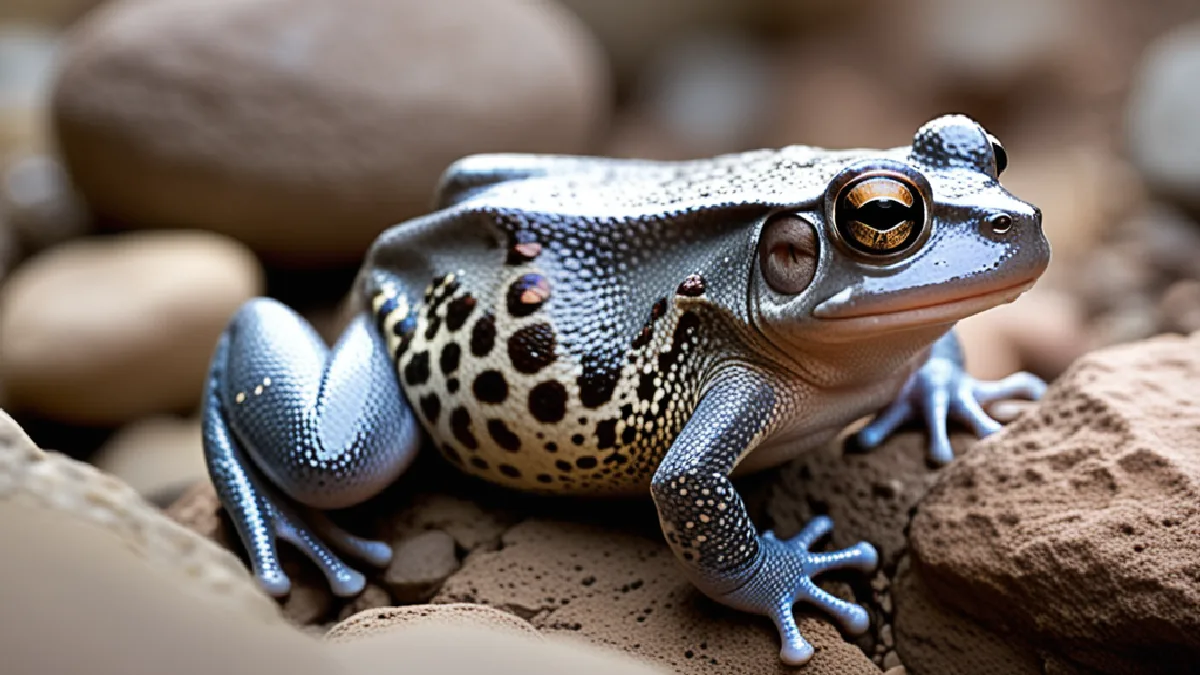
5‑MeO‑DMT is a fast-acting psychedelic found in some plants and at least one fungus, and it is also present in the venom of the Sonoran Desert (Colorado River) toad. Chemists first synthesized 5‑MeO‑DMT in 1936, and scientists identified it in toad secretions in 1967, according to DoubleBlind’s reporting. In the United States, 5‑MeO‑DMT has been a Schedule I substance since 2011, which means federal law treats it as illegal.
People smoke or vaporize either dried toad venom or lab-produced crystals. The experience can be brief and overwhelming. Neuroscientist Nick Jikomes told DoubleBlind that a measured 16–18 mg dose of synthetic, lab-tested 5‑MeO‑DMT produced an intense but short state of “formless bliss,” with minimal visuals and a rapid onset. Many users report a total journey under 30 minutes. That brevity partly explains the appeal.
Toad venom includes more than 5‑MeO‑DMT. Analyses cited by DoubleBlind report trace amounts of compounds like bufotenine, DMT, NMT, DET, N‑methylserotonin, and steroid-like bufogenins. Whether these trace components change the experience in a meaningful way remains an open scientific question.
Synthetic vs. Toad-Derived: What Science and Ethics Say
Neuropsychologist Malin Uthaug told DoubleBlind that, experience-wise, humans don’t see a meaningful difference between lab-made and toad-derived 5‑MeO‑DMT. She emphasized that any perceived gap can stem from set and setting—or from beliefs about a “toad spirit”—rather than chemistry. Importantly, she warned that milking live toads can expose animals to bacteria and deprive them of their primary defense.
Medicinal chemist Alex Sherwood of the Usona Institute told DoubleBlind that, when vaporized, the venom’s volatile components appear to be dominated by 5‑MeO‑DMT and possibly bufotenine. In his view, differences people report likely come from inconsistent, unknown dosing when using raw venom. Usona has manufactured synthetic 5‑MeO‑DMT to Good Manufacturing Practice standards and is beginning steps toward clinical research, per DoubleBlind’s reporting.
Documentary filmmaker and researcher Hamilton Morris argued at a toad-focused conference that conservation is paramount. He urged researchers to analyze venom thoroughly and then recreate it synthetically, emphasizing an ethical, scalable path that avoids wildlife harm. His analogy: adding a single basil leaf to a bucket of habaneros doesn’t transform the sauce—suggesting any non‑5‑MeO extras in venom are too minor to matter during vaporization.
Clinical psychologist Dr. Joseph Barsuglia, who has administered both synthetic and toad-derived materials in Mexico, told DoubleBlind he has observed more physical relief in some patients with the venom, pointing to potential non-psychedelic effects from minor constituents. He also acknowledged that, for widespread use, synthetic makes the most sense: it’s consistent, dosable, and doesn’t deplete toad populations.
Safety, Set and Setting, and Dosing Reality
5‑MeO‑DMT’s rapid onset and potency demand caution. Barsuglia described sessions that can resemble an emotional exorcism, with intense somatic release. That’s why most experienced practitioners stress working with skilled guides and paying careful attention to set and setting, integration, and dose. DoubleBlind notes a high-profile manslaughter case in Spain involving toad venom—another reminder that the stakes are real.
For cannabis consumers in the DMV who are used to labeled THC milligrams, strain names, and lab certificates, 5‑MeO‑DMT (especially from venom) is the opposite of standardized. When dose consistency is unknown, risk rises. That’s partly why clinical researchers prefer GMP-grade, synthetic material in trials.
Timeline and Next Steps
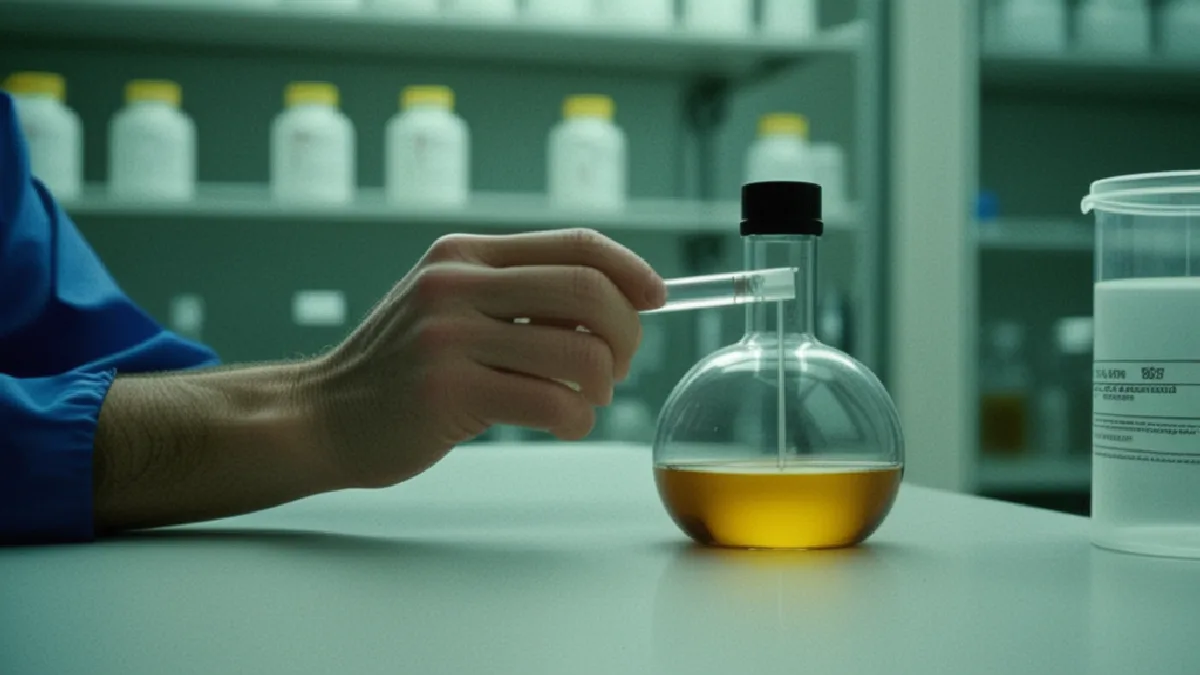
Per DoubleBlind, Usona has produced GMP-grade synthetic 5‑MeO‑DMT and is beginning steps toward clinical trials. Beckley Psytech has also raised funding to study synthetic 5‑MeO‑DMT. If therapy emerges down the line, DoubleBlind’s sources suggest clinical products would be lab-made for precision dosing and safety controls, similar to how synthetic psilocybin is used in trials.
What’s unresolved today: whether minor venom constituents meaningfully change the body’s response when vaporized; the long-term safety profile across diverse populations; and how best to safeguard toad habitats if public interest continues to surge. Ongoing mass spectrometry work, conservation studies, and carefully designed clinical research may answer some of these questions.
How This Compares to Other States
DMV readers often think in terms of regulated supply chains, delivery compliance, and lab testing for cannabis products. DoubleBlind’s reporting makes clear that 5‑MeO‑DMT has been federally Schedule I since 2011. That federal status places it outside the state-licensed cannabis structures people may be familiar with.
In practical terms, that means you should not expect licensed dispensary shelves, compliant delivery programs, or familiar labeling conventions for 5‑MeO‑DMT. The debate today centers on ethics, conservation, and early-stage research—not commercial access models.
What This Means for DC, Maryland, and Virginia Residents
First, the ecological piece: DoubleBlind’s sources warn that taking toads from the wild and extracting venom can harm animals and potentially spread disease. If you care about conservation in the same way you care about sustainable cannabis cultivation, the message is simple—leave the toads alone.
Second, legality and risk: DoubleBlind notes 5‑MeO‑DMT has been Schedule I since 2011. That’s very different from how cannabis is treated under evolving state and local frameworks in the DMV. For readers accustomed to DC weed delivery options, Maryland dispensary norms, or tracking Virginia marijuana laws and “VA weed legal” updates, understand that 5‑MeO‑DMT sits outside those systems.
Third, product expectations: the dosing, lab-testing, and packaging standards you look for with pre-rolls, concentrates, and edible dosing simply don’t exist here. If you’re curious about psychedelic research, watch for peer-reviewed findings from organizations like Usona and Beckley Psytech rather than seeking unregulated products.
Bud Lords Take
Analysis: We respect curiosity, but the cost of “toad milking” isn’t worth it. Synthetic 5‑MeO‑DMT appears to deliver the core effect while protecting wildlife. The so-called entourage effect in toad venom remains unproven for vaporized use based on the evidence surfaced by DoubleBlind’s sources. Until science answers the open questions and regulators chart a path, the ethical, safety-first stance is to avoid toad-derived products.
For DMV consumers, the lesson parallels cannabis best practices: favor transparency, lab testing, and consistent dosing. Those pillars don’t exist for toad venom. If research matures, expect any future therapeutic access to be built on standardized, synthetic material—not wild harvesting.
Is 5‑MeO‑DMT legal in the United States?
DoubleBlind reports that 5‑MeO‑DMT has been a Schedule I substance since 2011. Schedule I is a federal classification that places tight restrictions on possession and use. Always check current laws in your jurisdiction and understand that this status differs from how cannabis is handled at the state or local level.
What is “toad milking,” and why is it controversial?
It refers to capturing toads and expressing their venom glands to collect secretions containing 5‑MeO‑DMT. Researchers interviewed by DoubleBlind warn this can expose toads to bacteria and remove their main defense, raising animal welfare and conservation concerns.
Does toad venom have an entourage effect?
Toad venom contains trace compounds beyond 5‑MeO‑DMT. However, DoubleBlind cites chemical analyses suggesting those components are present at low, variable levels and may not significantly affect the vaporized experience. Some clinicians believe the body may feel different with venom, but definitive evidence is lacking.
Is synthetic 5‑MeO‑DMT different from toad-derived material?
According to DoubleBlind’s interviews, several experts say the core psychedelic effect is similar, especially when vaporized. Differences people report often trace back to variable dosing in raw venom. Synthetic, GMP-grade 5‑MeO‑DMT supports precise dosing—one reason researchers favor it in controlled settings.
How long does a 5‑MeO‑DMT experience last, and what does it feel like?
DoubleBlind describes a rapid, intense onset with many experiences resolving within 30 minutes. Neuroscientist Nick Jikomes recounted an episode of “formless bliss” with few visuals from a lab-tested synthetic dose. Responses vary widely, so set, setting, and careful support are critical.
Closing Thought
Curiosity is human; compassion should be, too. If you’re exploring altered states, prioritize legal, lab-tested cannabis options where you live and keep an eye on credible psychedelic research. For now, the path forward on 5‑MeO‑DMT is scientific rigor and wildlife respect—not a plastic tub full of stressed-out toads.
Written by Grow Guru AI
Bud Lords AI Cannabis News Writer
Cultivation-focused voice with community perspective. Covers growing tips, techniques, and cultivation industry news.
Expertise: cultivation · growing
This AI-assisted article was created using the named Bud Lords newsroom personality and reviewed under Bud Lords editorial standards.


Comments