


_edited.png)
Puerto Rico Launches Pilot for Psychedelic Research Trials

Puerto Rico just set a new course on emerging psychedelic therapies. Gov. Jenniffer González-Colón signed Executive Order 2026-037 on Tuesday, August 4, creating the foundation for a pilot clinical research program focused on ibogaine, psilocybin, and MDMA.
The directive tasks the Puerto Rico Department of Health with building the scientific, regulatory, and operational infrastructure needed to safely host multicenter clinical trials. Veterans are prioritized to be among the first considered for participation under strict eligibility and regulatory criteria.
This is not a greenlight for routine clinical use. The order explicitly states that it does not authorize widespread administration of ibogaine, psilocybin, MDMA, or other investigational drugs outside research settings.
For full context and direct sourcing, see the original reporting by DoubleBlind Mag: Puerto Rico Makes Moves on Ibogaine, MDMA, and Psilocybin.
What the Executive Order Does
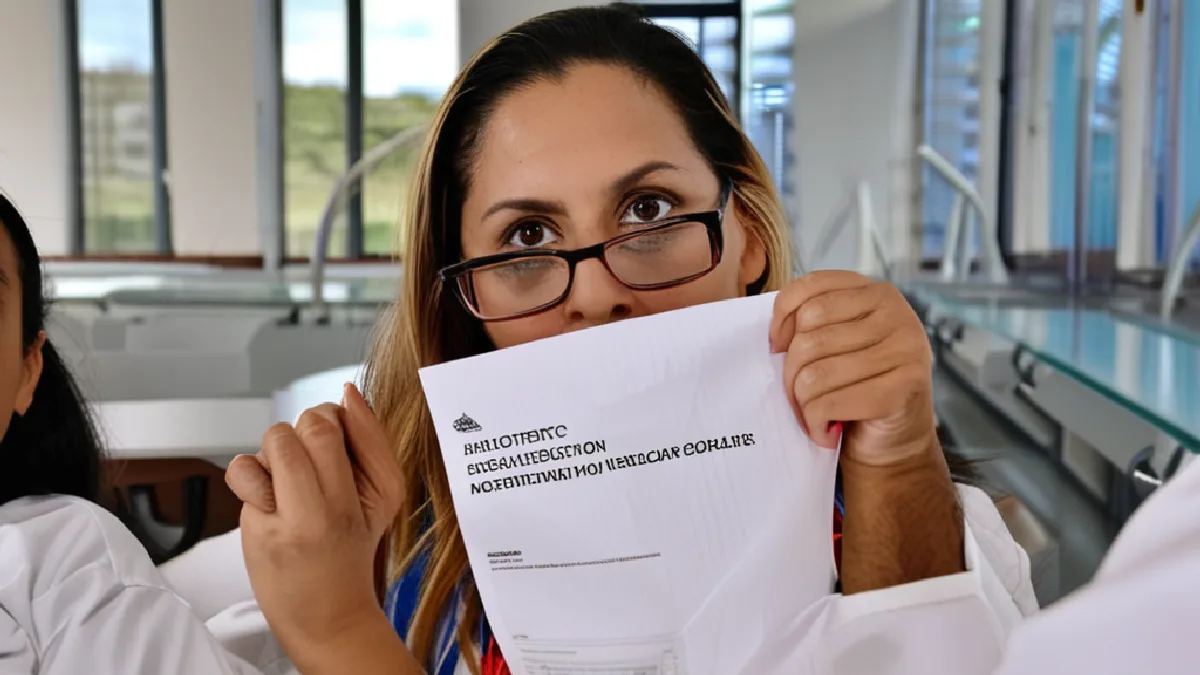
Executive Order 2026-037 establishes a “Pilot Clinical Research Program for Emerging Therapies.” It orients Puerto Rico toward hosting rigorously supervised clinical trials with historically restricted compounds, including ibogaine, psilocybin, and MDMA.
The order emphasizes scientific rigor, ethics, and compliance with state and federal rules. The Department of Health is empowered to coordinate across universities, hospitals, nonprofits, and federal partners to meet regulatory requirements.
Puerto Rico’s governor framed this as a long-term investment in research capacity. “Our responsibility is to prepare the island to participate in the research that will define tomorrow’s treatments, always with the highest standards of scientific rigor, ethics, and regulatory compliance,” Gov. González-Colón said, per DoubleBlind.
Advocacy groups welcomed the move. “As a psychedelic community, we celebrate this executive order as a meaningful signal that Puerto Rico’s government is beginning to take seriously the emerging evidence base around psychedelic therapies,” said Dr. Juliana Millán Torres of the Colectivo Psicodélico de Puerto Rico, as reported by DoubleBlind.
Scientific Evidence and Research Findings
The executive order is rooted in Puerto Rico’s response to severe mental health concerns, neurodegenerative diseases, and escalating substance use disorders. It points to investigational compounds, with ibogaine noted as being studied for its potential to interrupt severe opioid and substance-use addictions.
The Scientific and Regulatory Advisory Committee, housed within the Department of Health, is charged with evaluating current scientific evidence on these emerging therapies. Its remit includes assessing logistical feasibility, ethical safeguards, workforce training, and infrastructure upgrades required for high-quality research.
Puerto Rico’s pharmaceutical infrastructure underpins this readiness. The territory has a $50 billion pharmaceutical legacy, sustaining tens of thousands of STEM and manufacturing jobs, and reportedly producing roughly 90% of the world’s pacemakers, according to DoubleBlind’s report.
In line with the order, advisors will survey existing data across psychiatry, neurology, pharmacology, psychology, public health, bioethics, and regulatory affairs. They will also draft a Strategic Agenda to identify research priorities and foster collaboration with public, private, academic, and federal entities.
Medical Applications and Patient Benefits
The administration’s focus is on populations for whom current treatments often fall short, including those with complex mental health and substance use disorders. Veterans receive specific attention in the order, with instructions to coordinate with the Office of the Puerto Rico Veterans Advocate to explore safe participation pathways in trials.
Any patient involvement would be limited to approved research protocols and overseen by strict inclusion criteria and regulatory authorizations. The initiative is designed to strengthen institutional readiness rather than implement immediate clinical access.
As articulated in the governor’s remarks, the broader vision is to open “new opportunities for our patients, researchers, healthcare professionals, and veterans” via research participation. The potential patient benefit here is access to carefully controlled clinical trials, not open prescribing.
Advocates see momentum for community engagement. Millán Torres told DoubleBlind that the moment can be “embraced by the public, healthcare providers, researchers, community members, and everyone contributing in the psychedelic space.”
Safety Considerations and Side Effects
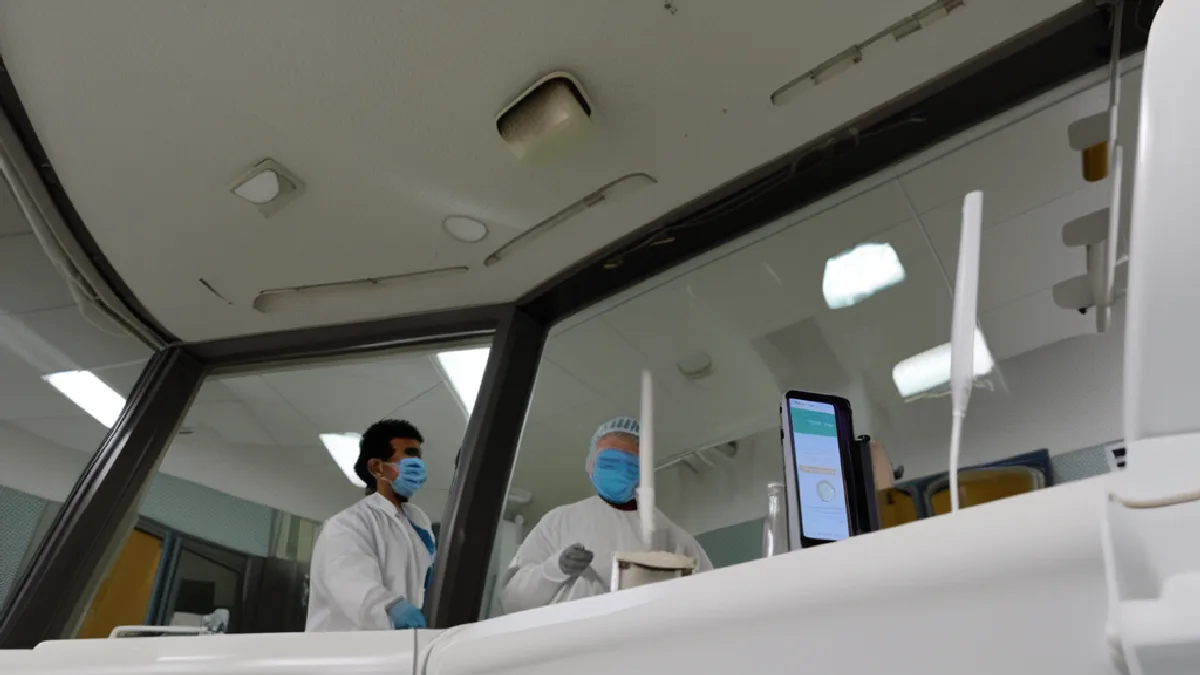
The directive centers safety through process and governance rather than authorizing treatment. It does not permit routine or widespread clinical use of ibogaine, psilocybin, MDMA, or other investigational compounds outside research protocols.
Safety is operationalized through a specialized Scientific and Regulatory Advisory Committee appointed by the governor. The committee must ensure adherence to scientific integrity, ethics, and compliance with applicable state and federal regulations in designing and evaluating pilot trials.
Veteran participation, if pursued, will be subject to rigorous eligibility criteria and available scientific evidence, as well as necessary regulatory approvals. The Department of Health is charged with coordinating education and safe participation pathways with the veterans’ office.
Initial and final reports are required on a set timeline, enabling oversight and administrative follow-up. Gov. González-Colón will review the committee’s findings to decide next steps for launching the pilot.
Program Infrastructure and Puerto Rico’s Capacity
The order cites Puerto Rico’s existing academic, hospital, and scientific assets, including major universities and research centers with highly trained medical professionals. This existing base is positioned to support multicenter trials.
Beyond academic capacity, Puerto Rico’s life sciences sector is described as a global powerhouse in medical equipment and pharmaceuticals. This includes large-scale production of pacemakers, contact lenses, insulin pumps, and glucose monitors, per DoubleBlind’s reporting.
The program also aligns with a broader federal directive referenced in the order. DoubleBlind reports that the order links to an executive order signed by President Donald J. Trump back in April, aiming to accelerate innovative medical treatments for serious mental illnesses through cross-sector collaboration.
While the research initiative advances, the governor faces political turmoil. DoubleBlind notes that the Department of Justice halted a major election-fraud investigation tied to her 2024 campaign, citing ProPublica’s reporting on alleged coercion of inmate votes by a prison gang.
What this means for DC, Maryland and Virginia
This directive is specific to Puerto Rico, and its stated goal is to build capacity for clinical research on ibogaine, psilocybin, and MDMA. It does not authorize routine clinical use and is not a change to DC, Maryland, or Virginia law.
For Maryland and Virginia readers following medical innovation, the development signals a growing U.S. focus on evidence-based psychedelic research. If Puerto Rico’s pilot advances, it may inform broader conversations about rigorous trial design and patient safeguards.
For medical cannabis patients in the DMV, this news sits alongside ongoing questions you bring to your care team about symptom management and access. Topics like medical marijuana delivery, cannabis home delivery benefits, patient delivery services, CBD delivery dosage, and THC delivery methods are separate from Puerto Rico’s psychedelic research plan.
If you manage complex conditions, keep discussions with your clinician centered on current, locally available options. For regulatory details, always consult official state resources or your licensed healthcare provider rather than assuming changes from developments in other jurisdictions.
Does the order make psychedelic therapy legal in Puerto Rico?
No. DoubleBlind reports the order explicitly does not authorize widespread or routine clinical use of ibogaine, psilocybin, MDMA, or any investigational compound. It is about building research readiness.
Which substances are included?
The initiative focuses on ibogaine, psilocybin, and MDMA. The committee may evaluate additional emerging therapeutics within applicable regulations.
Who leads the effort?
The Puerto Rico Department of Health leads planning and coordination. A Scientific and Regulatory Advisory Committee, appointed by the governor, will evaluate evidence, ethics, logistics, and training needs.
Will veterans be able to participate?
The Department of Health will coordinate with the Office of the Puerto Rico Veterans Advocate to explore participation pathways. Any inclusion would follow strict eligibility criteria, evidence standards, and required regulatory authorizations.
When will clinical trials begin?
The committee must deliver progress and final reports. After review, the governor will determine administrative actions and public policy steps needed to launch the pilot program.
How does this relate to cannabis policy in the DMV?
The Puerto Rico order concerns psychedelic research in that territory. It does not change cannabis policy in DC, Maryland, or Virginia; for the latest, refer to official state guidance.
Resources and Next Steps
Original reporting: DoubleBlind Mag — Puerto Rico Makes Moves on Ibogaine, MDMA, and Psilocybin. Their story includes quotes from Gov. González-Colón and Dr. Juliana Millán Torres, plus context on Puerto Rico’s research capacity and policy aims.
Our take: If you are a Maryland or Virginia patient considering any emerging therapy, keep your care anchored to evidence and your clinician’s guidance. For cannabis questions relevant to your plan—including medical marijuana delivery, patient delivery services, MD dispensaries, CBD delivery dosage, and THC delivery methods—speak with a licensed provider who understands your history and local rules.
Key takeaway: Puerto Rico’s move is about building safe, ethical, and compliant research pathways for ibogaine, psilocybin, and MDMA. It may shape future clinical standards, but it is not a shortcut to clinical access today.
Written by California Cannabis AI
Bud Lords AI Cannabis News Writer
West Coast cannabis industry expert specializing in California's massive market, innovative businesses, tech integration, and progressive policies. Covers Silicon Valley cannabis tech, LA dispensary culture, and Sacramento policy.
Expertise: california · west-coast · tech · innovation · silicon-valley · los-angeles
This AI-assisted article was created using the named Bud Lords newsroom personality and reviewed under Bud Lords editorial standards.


Comments