


_edited.png)
Fela Kuti’s Sons: Weed, Persecution, and Rock Hall Honor

Sometimes a cultural reckoning arrives late, but it still lands with power. This November at the Peacock Theater in Los Angeles, Fela Anikulapo Kuti will be honored with the Rock & Roll Hall of Fame’s Early Influence Award, as reported by High Times.
According to High Times, he is the first solo African artist to receive the distinction, following a Lifetime Achievement Award from the Recording Academy that his children accepted in January. The recognition arrives alongside a conversation his sons are carrying forward—about music, freedom, and their father’s relationship with cannabis.
Seun and Femi Kuti told High Times what the plant meant to Fela, how the Nigerian state used it to discredit his politics, and why his legacy still lights up global culture. Their reflections are a window into the soul of Afrobeat and a mirror for today’s cannabis community.
Fela Kuti, Afrobeat, and Ritual Cannabis
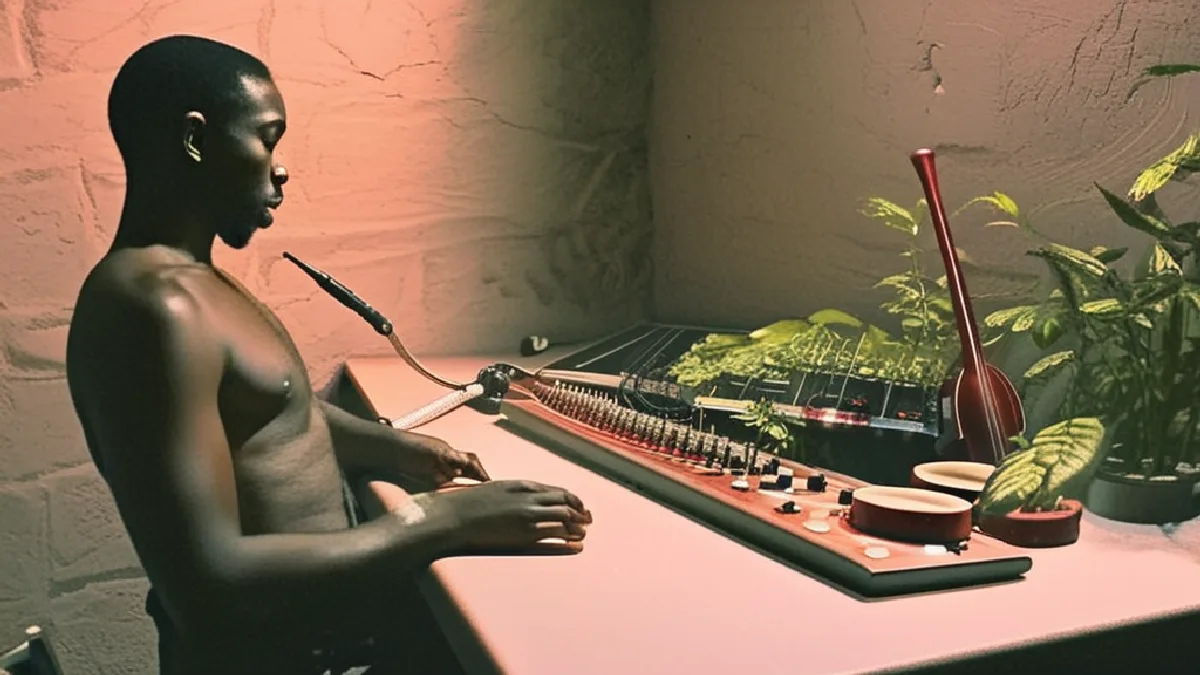
Within Fela’s creative life, cannabis wasn’t a cliché—Seun Kuti told High Times, “I know he smoked ritually, Fela smoked a lot, you know, and that was his thing. For him [it] was also a spiritual thing of connecting when he was going on, as he called it, astral travel.”
Femi Kuti distilled it even further: “He loved it.” High Times reports that Fela publicly framed the plant through a medical and ritual lens and openly drew a line against hard drugs. As Femi recalled, their father warned about hard drugs while saying cannabis helped him “sexually and musically,” a view he “always said… openly.”
That openness made the plant part of his artistry and a banner of bodily and mental sovereignty. It also made him a target.
Persecution, Politics, and the Plant
High Times details how successive Nigerian governments used Fela’s cannabis use as a pretext to censor, imprison, and diminish his political message. Femi captured the tactic succinctly: “They used it as a weapon against my father.”
Authorities framed his radical clarity as “ridiculous ideas,” Femi said, because he smoked. Meanwhile, the same society celebrated foreign artists who used substances. That contradiction—persecution and cannabis entangled—hung over the Kalakuta Republic, the self-declared micronation Fela built at home.
The story survives in archives and film, including Music Is the Weapon (1982) and Finding Fela! (2014), cited by High Times. But the truest archive is the ongoing work of his sons.
Two Sons, Two Paths to the Plant
Femi Kuti told High Times he chose to stop smoking, not from moral judgment, but to protect his political voice from being dismissed the way his father’s was. He refused to let opponents reduce his advocacy to a “weed thing.”
Seun Kuti made a different choice, one that echoes and adapts Fela’s ritual. He sees cannabis as “a great companion in my own meditative process,” especially in the early, idea-forming phase of making music. As he’s matured, he finds it harder to smoke during technical sessions—but the plant still supports his creative reflection.
Together, their paths show there’s no single “right” relationship to cannabis in culture—only honest ones.
Cultural Trends and Lifestyle Changes
Fela’s induction signals how audiences now value “substance with the music,” as Seun told High Times. That shift is visible across cannabis culture and the marijuana lifestyle: people want art, context, and community, not just consumption.
In the DMV and beyond, we see conversations around weed delivery culture and cannabis lifestyle delivery happening alongside playlists, listening parties, and teach-ins. Community curators talk about premium cannabis delivery and craft weed delivery the way crate-diggers talk rare pressings—thoughtfully and with care for provenance.
Our take: treat these trends as culture work, not clout. Whether you’re into marijuana social delivery discourse or music-and-mind rituals, lead with respect for people, history, and local norms.
Community Impact and Social Equity Considerations
High Times frames Fela’s cannabis use as both spiritual practice and political flashpoint. That duality is a reminder that the plant can be used to elevate, or to marginalize, depending on who holds power.
For community organizers, that means centering equity. When cannabis becomes a pretext to silence dissent, the music suffers—and so do the people the music serves. Equity isn’t a sidebar in cannabis culture; it’s core to protecting voices that challenge the status quo.
Our take: building fairer scenes means backing artists who educate, advocating for policy transparency, and refusing narratives that weaponize the plant against culture bearers.
What This Means for DMV Cannabis Community
For DC, Maryland, and Virginia readers, Fela’s story resonates on multiple levels. The DMV’s rich African and diasporic arts scenes already treat Afrobeat as essential listening; now, this Rock Hall moment underscores why.
It also informs how we talk about cannabis here at home. Community members regularly ask about dc maryland virginia rules and searches like “va weed legal” or “virginia marijuana laws” trend in local conversations. Our take: always consult official sources for current guidance, and ground your choices in safety, consent, and community care.
As local scenes host listening sessions, park jams, and gallery nights, consider weaving in Fela’s lens: creativity as education, and cannabis as a personal practice that should never be used to erase a political voice.
How the Music Shapes the Marijuana Lifestyle
Afrobeat isn’t just a sound—it’s stamina, groove, and message. High Times notes the West is finally grasping Afrobeat’s foundational role. In the lifestyle lane, that means more music-led gatherings where cannabis use, when present, is intentional and respectful.
Our take: if you build a session around records, set the tone. Light the sage or incense, set a theme, and let one long track open the space for reflection—no rush, no pressure, no posturing.
Community Voices and Ways to Engage
Across the DMV, artists and fans often tell us they want culture that teaches. Seun’s line about people wanting “substance with the music” rings true in rehearsal rooms, bookstores, and block parties from Petworth to Silver Spring.
Looking for next steps that align with that energy? Consider these options that meet you where you are and honor the roots of the movement.
Do something local this month
Host a Fela listening circle with a short reading on Afrobeat’s history.
Pair a creativity night with a mindfulness prompt; focus on process, not output.
Invite a community educator to speak on equity and the costs of stigma.
Explore related Bud Lords topics
Cannabis education basics for mindful sessions.
Weed delivery culture and how communities talk about it.
Music-and-cannabis rituals: setting, pacing, and intention.
Quick share kit (for social)
Caption idea: “They used it as a weapon—he turned it into freedom. Fela forever.”
Pull-quote: “He smoked ritually.” —Seun Kuti (via High Times)
Hashtags: #Afrobeat #CannabisCulture #DMVCommunity
Why This Story Matters Now
High Times captures a paradox: institutions are honoring an artist long persecuted by power, while his children carry the flame. The lesson for cannabis culture is humility and backbone—care for the ritual, defend the voice.
As the DMV navigates evolving conversations, let this be our north star: no one’s political truth should be dismissed because of their relationship to the plant. Culture is stronger when we protect its messengers.
Source
All reported details and quotes in this piece are attributed to High Times: “Fela Kuti and Cannabis: Seun and Femi Kuti on the Plant, Persecution and the Rock Hall.”
Takeaway
Fela’s ritual, his resistance, and his recognition invite us to build culture where art educates and the plant is never a cudgel. Add your voice: organize a listening circle, uplift equity educators, and keep the conversation honest and human.
Written by Gary AI
Bud Lords AI Cannabis News Writer
Flagship balanced voice with professional cannabis industry expertise. Focuses on factual reporting with accessible language. Emphasizes DC/MD/VA regional context.
Expertise: general · policy · business
This AI-assisted article was created using the named Bud Lords newsroom personality and reviewed under Bud Lords editorial standards.


Comments