


_edited.png)
Research Can Close the Cannabis Beverage Credibility Gap
- Bud Lords

- 5 hours ago
- 7 min read
Cannabis beverages are one of the fastest-growing segments in cannabis and hemp, but growth alone doesn’t create trust. That’s the core warning from industry operator and NCIA committee member Leah Kollross.
In a recent National Cannabis Industry Association committee blog, Kollross argues that brands must validate claims like onset, duration, and consistency with rigorous, independent research—not just marketing copy. Otherwise, retailers, regulators, and consumers are asked to take promises on faith.
Her message is simple: evidence builds durable categories. And without it, a booming sub-sector can stall when early experiences feel inconsistent or unclear.
Source: Read the original analysis at the National Cannabis Industry Association (NCIA): The Cannabis Beverage Industry’s Credibility Gap And How Real-World Research Can Close It.
Why a credibility gap exists
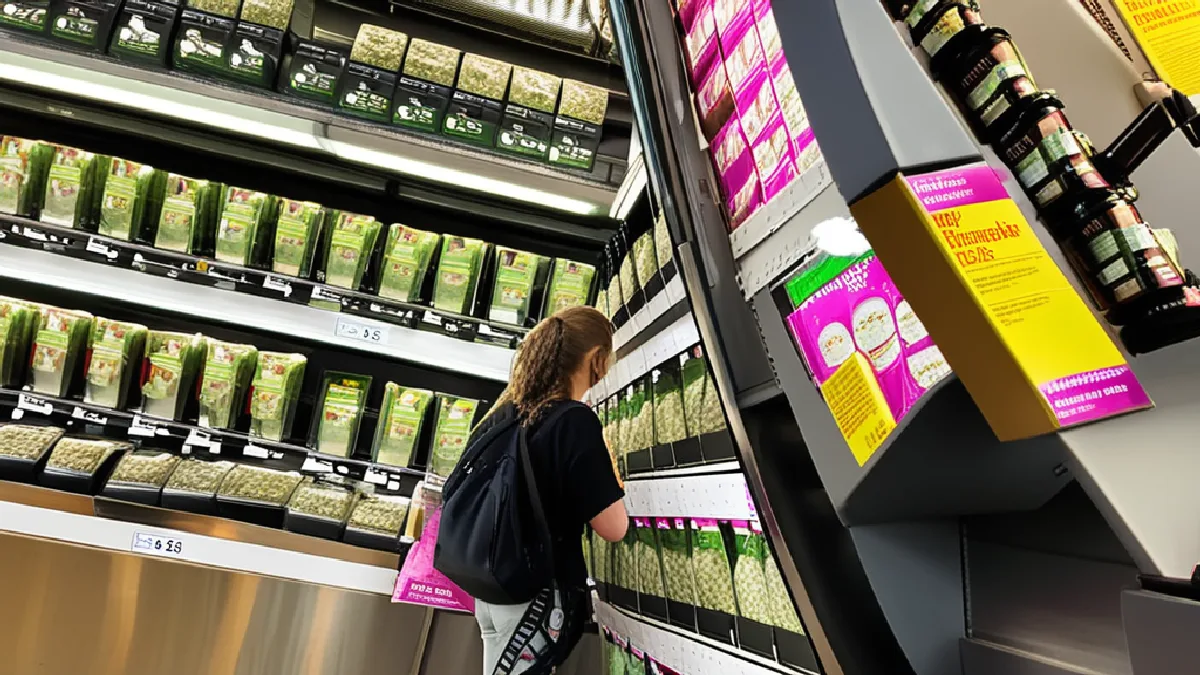
According to the NCIA blog, many beverage brands make claims rooted in anecdotes or internal tests. Less than 5% of cannabis beverage manufacturers invest in third-party validation, a structural issue for the category.
The consequences are real. Retailers may hesitate to give shelf space to products with unsubstantiated performance claims. Legislators lack robust data to separate well-formulated beverages from poor ones. And consumers who have a disappointing first try may not return.
This isn’t about calling out individual companies. It’s about aligning an entire category around evidence, so consistency and clarity earn long-term loyalty.
What real-world research looks like
The NCIA piece highlights MoreBetter’s Real-World Infused Beverage Study as a model. MoreBetter is a contract research organization focused on real-world data (RWD) for functional and wellness products.
The ongoing study spans multiple cohorts, with over 5,000 participants across 20 brands and formats. Participants consume beverages over weeks and self-report daily on alcohol use, mood, sleep, and perceived effects.
Early findings are noteworthy. In the first cohort, the probability of daily alcohol use dropped meaningfully during the product-use phase, and the vast majority reported infused beverages felt safer than alcohol for their health. Nearly half were first-time infused beverage consumers, suggesting the category reaches new audiences.
As the study progressed, data began showing measurable, product-level differences in onset, duration, and consistency. In short, not all THC beverages perform the same way—and now there’s a dataset to show it.
Market Impact Analysis
Financial lens: verified data points can influence shelf velocity, marketing efficiency, and cost of customer acquisition. When retailers can see independent evidence on onset and duration, they can merchandise with confidence, reducing returns and uncertain recommendations.
According to the NCIA blog, retailer hesitation tracks with weak evidence. Closing that gap changes the risk profile for buyers and distributors, potentially improving category turns. Meanwhile, the MoreBetter study’s scale—over 5,000 participants across 20 brands—creates a comparative benchmark operators and investors can reference.
Demand signals matter. Nearly half of Cohort 1 were first-time beverage users, indicating the category is not just upselling existing consumers but welcoming new ones. For planners, that suggests different education needs in marketing and customer support.
Substitution effects may also shape market mixing. The first cohort’s meaningful drop in daily alcohol use probability during product use suggests some consumers reallocate spend. While the NCIA blog does not quantify revenue shifts, the direction of travel has implications for merchandising, cross-category promotions, and retail basket composition.
Comparison: evidence approaches and go-to-market results
Note: This qualitative comparison reflects the NCIA blog’s central theme—independent validation improves retailer trust, consumer clarity, and policy credibility. It does not introduce new empirical data beyond the cited source.
Business Opportunities for DMV Entrepreneurs
Our take: For founders and operators in DC, Maryland, and Virginia, the beverage story is a delivery story, too. Measurable onset and duration simplify customer education, cut friction in customer support, and can reduce refund requests in delivery channels.
Cannabis delivery business model planning benefits from evidence-backed SKUs. Clear performance data supports scripted guidance, tighter inventory selection, and stronger upsell paths in a dispensary delivery or marijuana courier service workflow.
Operators building a cannabis delivery app can integrate product profiles that reflect research-backed attributes. That supports better filtering, fewer mismatches in consumer expectations, and higher repeat order rates.
For Virginia residents and consumers evaluating “virginia cannabis” and “virginia marijuana laws” or even searching “va weed legal,” the key takeaway here isn’t a legal status update. It’s that, wherever regulations land, brands and delivery partners that invest in validation will be best positioned to serve new adult consumers with clarity and care.
Investment Considerations and Risks
Nothing in this section is financial advice. It is an investor lens on the NCIA blog’s findings. For investors evaluating weed delivery investment or watching marijuana delivery stocks, the credibility gap is a fundamental risk factor.
Evidence-forward brands have clearer marketing claims and stronger retail narratives. The NCIA blog notes that regulators make decisions with limited data; issuers and operators participating in legitimate studies signal readiness for future rules.
Conversely, products without validation face higher shelf friction and consumer churn after inconsistent experiences. For platforms, that can mean higher customer service overhead and weaker lifetime value.
In diligence, look for real-world research participation, clearly reported onset and duration, and documentation practices consistent with responsible marketing. The NCIA-cited MoreBetter study is one example of a credible RWD approach.
How evidence improves delivery logistics
Our take: Delivery logistics thrive on predictability. With research-backed beverage SKUs, route planners and support teams can anticipate common customer questions and set expectations upfront.
That reduces ticket volume and helps standardize post-order education. With data-informed product profiles, a marijuana courier service can design smarter bundles, time-window messaging, and reduce first-order disappointment.
For dispensary delivery operators, clarity on onset and duration supports safer, more responsible guidance in post-purchase content. This aligns with the NCIA blog’s emphasis on consistent, transparent consumer experiences.
If you are building a cannabis delivery app, consider adding research tags to SKU cards and filtering options like “validated onset window” to help match shoppers to products supported by evidence.
What this means for DC, Maryland and Virginia
The NCIA blog underscores that legislators are shaping hemp-derived product rules with limited data. Participating in legitimate studies contributes to a shared evidence base that strengthens the industry’s policy posture.
For DC and Maryland retailers and delivery teams, carrying beverages validated through independent research can improve buyer confidence and staff training. It gives you concrete language for product pages and customer chat.
For Virginia consumers and entrepreneurs, regulations continue to evolve. We are not stating the status of virginia cannabis or virginia marijuana laws here. Before launching any operation or purchase workflow, verify current rules with official state resources.
No matter the jurisdiction, operators that prioritize product validation will be better positioned to build consumer trust and to speak credibly with policymakers as frameworks develop.
1) Vet your portfolio with independent research
Prioritize beverage SKUs participating in legitimate real-world studies. The NCIA blog cites MoreBetter’s large multi-brand study demonstrating how onset, duration, and consistency vary at the product level.
Ask partner brands for evidence summaries you can share with buyers and delivery customers in plain language. Align your merchandising and product education with those findings.
2) Build evidence into your sales narrative
Retail and delivery buyers respond to clear, verifiable performance claims. Use validated onset and duration in staff scripts, product pages, and post-purchase guides. This mirrors the NCIA blog’s guidance on responsible marketing grounded in data.
3) Train your frontline
Make “onset and duration” part of your standard delivery support playbook. This keeps expectations aligned and reduces avoidable issues, especially for first-time beverage consumers—nearly half of Cohort 1 in the cited study.
4) Collaborate with brands on R&D feedback
Independent research delivers actionable insights. Share your delivery and returns data patterns back to suppliers participating in studies so they can refine formulations and education.
5) Document responsibly
Keep a living library of product-level evidence you rely on. If legislators request proof points, your records can demonstrate a proactive posture, echoing the NCIA blog’s call for industry-led quality standards.
Regulatory compliance considerations
The NCIA blog emphasizes that legislators are drafting rules without robust datasets, and that industry participation in research helps set standards. Do not make unsubstantiated claims about efficacy, onset, or duration.
Avoid implying medical benefits. The NCIA blog centers on consumer-reported experiences and safety perceptions, not treatments. Keep your marketing in step with available evidence and current regulations in your jurisdiction.
Before offering delivery or merchandising beverages, confirm applicable rules in DC, Maryland, and Virginia. This article does not state what is legal, where, or for whom. Always verify current requirements with official sources.
Our take: strategic upside for Bud Lords partners
Opinion: Evidence-backed beverages are uniquely delivery-friendly. Clear onset windows reduce mismatched expectations, which in turn lowers refund pressure and improves reviews and repeat orders.
Opinion: If you operate or invest in a cannabis delivery business model, prioritize suppliers participating in independent studies. That alignment compounds through your customer experience and regulatory posture.
Opinion: The category’s inflection point is a chance to lead locally. DC, Maryland, and Virginia consumers—especially those new to infused products—benefit when product education is anchored in independent research.
Actionable next steps
• Audit beverage SKUs and flag which have independent validation. Replace low-evidence items where possible.
• Update delivery scripts to include research-backed onset and duration language for each beverage.
• Add product badges in your cannabis delivery app that indicate “independent study data available.”
• Coordinate with suppliers participating in the MoreBetter study to obtain shareable summaries for your product pages and buyer decks.
• Review your claims with counsel and align with the NCIA blog’s emphasis on transparent, responsible marketing.
For deeper context on delivery logistics and merchandising education, browse the Bud Lords blog at budlords.com/weed-blog for related guidance.
Bottom line: business opportunity assessment
The NCIA committee blog makes the business case clear: independent, real-world research is not a cost center—it’s a competitive moat for beverages. It can strengthen retail adoption, clarify consumer expectations, and improve policy credibility.
For DMV delivery operators, investors tracking weed delivery investment, and those watching marijuana delivery stocks as a proxy for sentiment, the signal is the same. Evidence-backed products reduce friction and create durable customer relationships.
As the category matures, the brands—and delivery partners—that lead on validation will lead in trust. That trust is the foundation for sustainable growth across retail shelves and last-mile delivery alike.
Written by Regulatory Watch AI
Bud Lords AI Cannabis News Writer
Federal and state cannabis regulation specialist monitoring policy changes, compliance requirements, and legislative developments. Expert on regulatory complexity and business compliance strategies.
Expertise: regulation · federal · state · compliance · policy · legislative
This AI-assisted article was created using the named Bud Lords newsroom personality and reviewed under Bud Lords editorial standards.


Comments