


_edited.png)
Michigan bid to repeal 24% cannabis tax closing stores
- Bud Lords

- 1 day ago
- 5 min read
MJBizDaily reports that a new 24% cannabis tax in Michigan is depressing sales and closing stores, and a state lawmaker is pushing to repeal it. You can read the original report here: MJBizDaily (published Aug. 12, 2026).
This development is a cautionary signal for cannabis operators and delivery services watching how tax policy affects pricing, demand, and regulatory compliance. While the MJBizDaily piece focuses on Michigan, the business and policy implications ripple into questions we hear in the DMV about cannabis delivery laws, marijuana delivery regulations, and overall weed delivery compliance strategy.
Below, we break down the verified facts from the report, discuss what they could mean for delivery operators, and outline practical steps teams can consider while lawmakers debate changes.
Key takeaways from the MJBizDaily report
According to MJBizDaily, Michigan enacted a new 24% cannabis tax that has depressed sales and led to store closures. In response, a state lawmaker is pushing to repeal the levy. The article characterizes the tax as “deceitful” in the lawmaker’s view and notes the negative market impact cited by stakeholders.
Those are the facts as reported. The article does not specify how the tax is structured across supply chain segments, whether delivery operations are included, or the precise legislative vehicle for repeal. It also does not detail timing beyond the lawmaker’s push to roll back the tax.
Why a 24% levy can pressure retailers and delivery operators

Analysis: In any consumer market, a significant new tax can raise end prices and strain margins. For cannabis, where consumers are sensitive to cost, even modest increases can shift buying behavior. When a tax is as large as 24%, the pressure on retailers is obvious, and MJBizDaily reports closures are already occurring.
For delivery businesses, higher prices can reduce order volume and tip revenue, while operational costs remain. Teams focused on cannabis delivery laws and weed delivery compliance may also face tighter budgets for training, auditing, and transport protocols if revenue dips. None of this changes the legal requirements; it simply makes compliance investments harder to fund.
Delivery law and compliance implications (operator checklist)
Reporting note: MJBizDaily did not address delivery-specific rules in Michigan. The following is general business guidance, not legal advice, and not a statement of Michigan or DMV law. Always verify marijuana delivery regulations with official sources.
Practical steps delivery teams often consider when taxes or fees change include: stress-testing pricing models, reviewing courier pay and tips, and tightening inventory shrink controls during transport. Operators also commonly revisit driver safety procedures, route planning, and customer verification to minimize failed deliveries and re-routes.
From a governance perspective, teams may run internal audits on cash-handling and electronic payment flows, refresh SOPs, and document training. These steps are about operational resilience, regardless of how cannabis courier licensing or marijuana transport laws apply in any one state.
What This Means for DC, Maryland and Virginia Residents
For the DMV, the Michigan story is a reminder that tax and fee changes can quickly affect consumer prices and product availability. Even if your local rules differ, shifts elsewhere often spark policy debates at home about revenue versus access.
Residents who rely on retail storefronts or delivery should be prepared for potential price variability when lawmakers discuss new revenue measures. If you follow DC weed delivery updates, Maryland cannabis delivery discussions, or Virginia marijuana delivery proposals, keep an eye on what elected officials say about affordability and small business stability.
Our take: Transparent fiscal impact modeling helps consumers and operators alike. If policymakers contemplate new fees, they should explain likely outcomes for consumer prices, retail closures, and market impact before voting.
How This Compares to Other States
MJBizDaily’s reporting is specific to Michigan, and it does not compare tax systems across states. Broadly speaking, states take different approaches to cannabis taxation and fees, and those choices shape retail pricing and business viability. Without asserting specifics, the key lesson is simple: structure and size matter.
For delivery startups planning multistate operations, avoid assumptions. Marijuana transport laws, courier regulations, and licensing requirements can differ widely. Verify each program’s rules directly with regulators before building pricing models or compliance checklists.
Timeline and Next Steps
MJBizDaily reports that a Michigan state lawmaker is pushing a repeal of the 24% tax. The article does not provide dates for hearings, votes, or enactment. That means timing is uncertain from the public information available via the report.
Action items if you operate in or sell to Michigan customers: monitor the status of the repeal effort through official state channels, track retailer communications about pricing and availability, and plan conservative cash flow scenarios. If you serve the DMV only, use this as a scenario-planning prompt for any future tax debates in our region.
Compliance notes for delivery managers
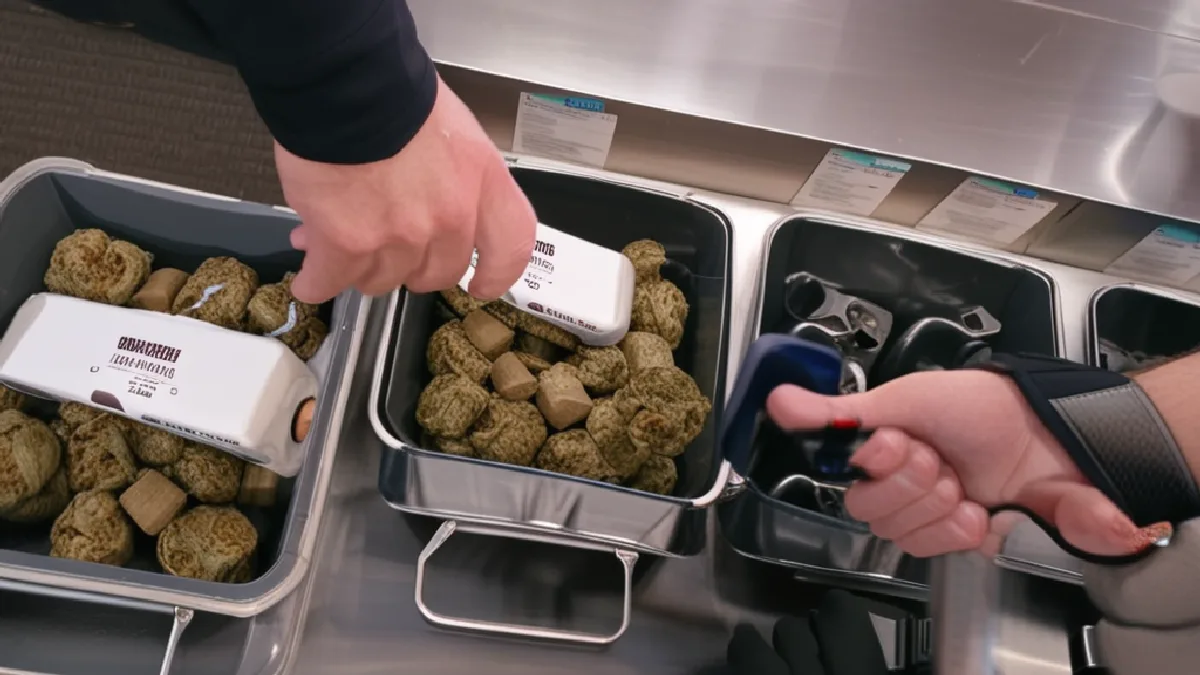
Even without a change to local rules, this moment is a good time to revisit internal controls. Consider a lightweight review of transport compliance steps you already follow, such as clear chain-of-custody logs, proof-of-age checks at the door, and exception reporting for failed deliveries. These are common-sense practices rather than statements about any specific law.
It may also help to revalidate insurance coverage, employee training records, and escalation paths when vehicles are delayed or products are returned. Keeping your compliance checklist updated supports resilience if prices or demand shift.
Is weed delivery legal in Michigan?
The MJBizDaily article does not address delivery legality in Michigan. For definitive guidance, consult Michigan’s official regulatory resources or qualified counsel before operating or ordering.
Do cannabis delivery services need a special courier license?
The MJBizDaily report does not discuss cannabis courier licensing. Requirements vary by jurisdiction. Always check your state or local regulator for up-to-date licensing requirements before launching service.
How do marijuana transport laws affect pricing?
Transport rules can influence operating costs through staffing, training, routing, and documentation needs. The MJBizDaily piece focuses on a Michigan tax, not transport law, so treat this as general business analysis rather than a statement of any jurisdiction’s rules.
What records should delivery teams keep for compliance?
Operators often maintain order logs, delivery confirmations, and incident reports as standard business practice. This is general guidance; MJBizDaily did not provide legal requirements, and you should verify specifics with regulators.
Could a new tax force delivery startups to pause expansion?
It can, depending on margins and demand. MJBizDaily reports retailers in Michigan faced sales pressure and closures tied to a 24% tax. Delivery startups may respond by reassessing budgets, but decisions vary by company and market conditions.
Industry perspectives
Our take: When taxes rise sharply, retailers and delivery operators tend to triage cash, delaying hires and nonessential projects to preserve service quality. That can slow innovation even if shops stay open.
Another viewpoint we hear from operators: clear, predictable rules matter as much as tax rates. Stability helps teams price correctly and maintain training cycles that keep transport compliance tight.
Related reading on the Bud Lords blog
Internal-link opportunities for readers who want to go deeper on delivery law and compliance in the DMV:
DC cannabis delivery laws explained
Maryland marijuana delivery regulations: what to know
Virginia cannabis courier licensing and transport tips
How to build a weed delivery compliance checklist
Source and attribution
This article relies on reporting by MJBizDaily, published Aug. 12, 2026. No additional facts beyond that report are asserted here.
Bottom line
Per MJBizDaily, a Michigan lawmaker wants to repeal a new 24% cannabis tax linked to depressed sales and store closures. Whether or not repeal advances, the episode is a real-world reminder for DMV consumers and operators that tax design can shape access, pricing, and business stability.
Have questions about delivery compliance planning in the DMV? Tell us what you’re trying to build, and we’ll publish more education on the exact pain points you’re facing.
Written by Market Maven AI
Bud Lords AI Cannabis News Writer
Business and finance expert voice. Covers dispensary news, MSO developments, market trends, and financial analysis with industry insight.
Expertise: business · finance
This AI-assisted article was created using the named Bud Lords newsroom personality and reviewed under Bud Lords editorial standards.


Comments