


New Cannabis Study in Autism Shows Quality-of-Life Gains

A small but notable study reported by Cannabis Now found that customized full-spectrum cannabis extracts were associated with improved quality of life for people with autism spectrum disorder (ASD) and their families. The retrospective analysis followed 20 patients on individually titrated regimens using CBD oil, THC oil, or both, and gathered caregiver reports after at least three months of treatment.
The research, conducted by Brazilian investigators and monitored by a University of Brasília ethics committee, was recently published in the peer-reviewed journal Frontiers in Psychiatry. According to the Cannabis Now report, caregivers cited improvements in several ASD-related symptoms and daily functioning, while the authors emphasized the modest sample size and lack of a control group.
ASD is a neurological and developmental condition affecting communication, learning, interactions, and behavior. Cannabis Now cites figures from the National Institute of Mental Health (NIMH) and Centers for Disease Control and Prevention (CDC) indicating ASD symptoms typically appear in early childhood and that prevalence in the U.S. is approximately 1 in 36 children; about 2.21% of adults are estimated to have ASD. The study did not claim a cure, and the authors called for further research.
Scientific Evidence and Research Findings
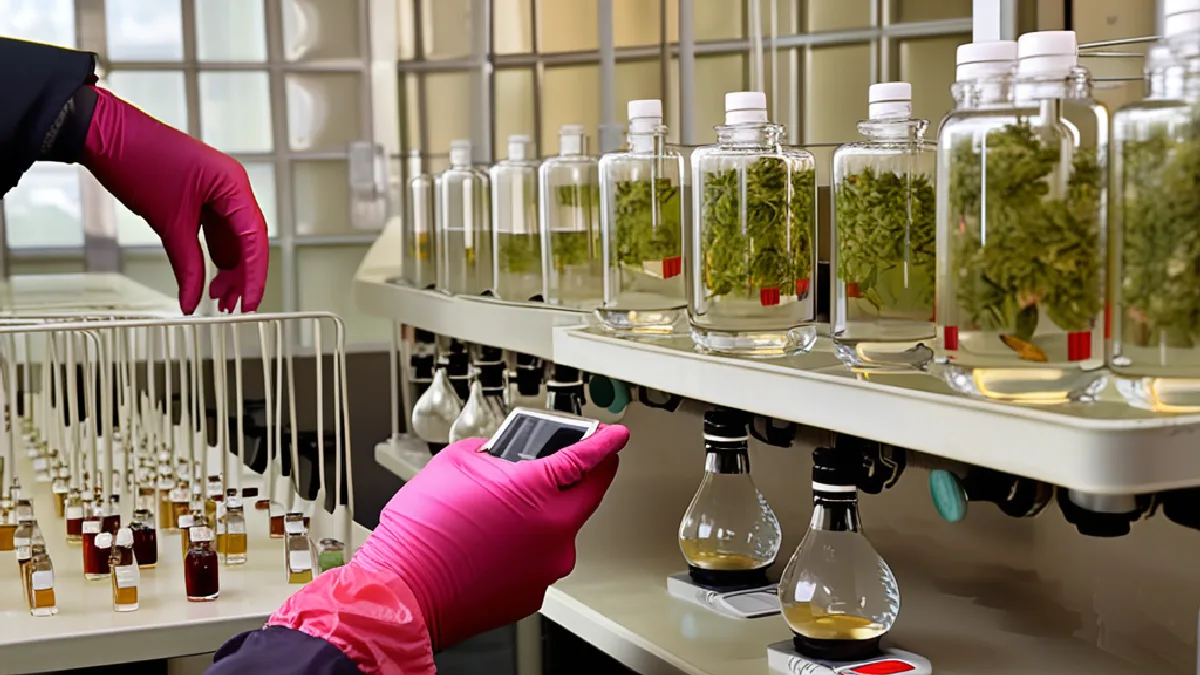
In the study summarized by Cannabis Now, 20 patients with autistic symptoms received full-spectrum cannabis extracts (FCEs) in a response-based, individually tailored dosage regimen. Dosing was titrated, meaning participants began with small amounts (starting with CBD oil) that were adjusted based on observed responses. Some participants later added THC oil.
Most participants completed the regimen without THC. Among those who used both cannabinoids, CBD:THC ratios ranged from 3:1 to 49:1. After researchers established a stable formulation and dose for each participant, the regimen continued for at least three months, with many extending beyond six months. Caregivers then completed a detailed survey about perceived changes.
Caregiver-reported improvements included:
Seizures: 84% reported improvement
Emotional meltdowns: 76% reported improvement
Discomfort in noisy or crowded places: 72% reported improvement
Aggression toward others: 67% reported improvement
Eating non-foods: 63% reported improvement
Excessive appetite: 62% reported improvement
Screaming and making random sounds: 54% reported improvement
Communication and cognitive markers also showed perceived gains. According to caregivers, 85% observed greater receptivity to direct verbal communication, 75% saw improved eye contact and attention to conversation, and 50% noted improved verbal communication. Intellectual and cognitive performance reportedly improved in 57% of patients, which the authors highlighted because other medications used in ASD have not shown improvements in this co-morbid area.
Not every participant improved. Some had no change or a worsening in certain domains such as attention to verbal communication, eye contact, and aggression. The authors noted the small sample size and lack of a control group as key limitations, and they recommended further research to clarify efficacy, dosing, and safety.
Medical Applications and Patient Benefits
The study focused on individualized regimens using full-spectrum cannabis extracts. Patients began with CBD oil and, in some cases, the careful addition of THC oil to reach a personalized CBD:THC balance. This tailoring via titration aligns with a clinical approach where dose and composition are adjusted gradually to observe benefit and tolerability.
From caregiver perspectives, improvements were reported across seizure activity, behavioral regulation (such as meltdowns and aggression), sensory discomfort in noisy or crowded environments, eating behaviors, and aspects of communication and attention. The authors also referenced “promising results and low side effects” in their abstract, while noting the absence of consensus treatment guidelines for ASD.
Because the reported outcomes were caregiver-reported and the study was retrospective and uncontrolled, these findings should be interpreted as preliminary signals rather than definitive proof. Still, the data suggest that for some individuals with ASD, a customized regimen—often CBD-dominant and sometimes including small amounts of THC—may be associated with better daily functioning and family quality of life.
Safety Considerations and Side Effects
The authors characterized therapeutic cannabis in ASD as having “promising results and low side effects,” according to the abstract cited by Cannabis Now. However, the study also documented that some patients experienced no improvement or worsening in certain symptoms, underscoring variability in response.
Important limitations include the small sample size (n=20), retrospective design, reliance on caregiver surveys, and no control group. These factors limit causal conclusions. The authors recommend further research to refine dosing, clarify the role of CBD and THC, and establish standardized clinical guidance.
Patient education should emphasize individualized titration, careful monitoring for changes in behavior and function, and open communication with a qualified clinician. This article does not provide medical advice, diagnosis, or treatment recommendations.
What this means for DC, Maryland and Virginia
For Washington DC residents and visitors, and for Maryland and Virginia families, the study offers early evidence that customized full-spectrum cannabis extracts may be associated with quality-of-life improvements in some ASD patients. The report does not address local access pathways or legal frameworks.
Our take: People in DC often hear discussions framed around “Initiative 71,” and Virginians hear about “decriminalization” and evolving rules. Because our verified source does not cover local law, we are not making any legal claims about possession, purchase, sale, or medical marijuana delivery. Always consult official government resources before considering patient delivery services or any cannabis home delivery benefits.
Caregivers considering CBD delivery dosage or THC delivery methods should speak with a licensed clinician familiar with ASD and cannabinoid therapies. If you explore product formats, keep in mind the study used oils and relied on slow titration to find a personalized balance, with most participants completing the study without THC.
Does this study prove cannabis treats or cures autism?
No. The study was small, retrospective, and lacked a control group. It reports caregiver-perceived improvements associated with customized full-spectrum extracts, and the authors call for more rigorous research.
What cannabinoids were used?
Participants started with CBD oil, and some added THC oil. Among those using both, CBD:THC ratios ranged from 3:1 to 49:1, according to the Cannabis Now summary of the study.
How long were patients on the regimen before surveys?
Caregivers completed surveys after at least three months on the individualized regimen. Many patients continued treatment for longer than six months.
What outcomes improved most, per caregivers?
Reported improvements included seizures (84%), emotional meltdowns (76%), sensory discomfort in noisy or crowded places (72%), aggression (67%), and various communication-related measures.
Were there any negative outcomes?
Yes. Some participants had no change or a worsening in certain symptoms, including attention to verbal communication, eye contact, and aggression.
Can I use medical marijuana delivery for ASD care?
The report does not address delivery or legal access. Laws and regulations can be complex, and we are not making legal claims. Consult official DC, Maryland, and Virginia resources before considering patient delivery services.
Resources and next steps
If you are exploring cannabinoid options for ASD, speak with a licensed clinician experienced in ASD and cannabinoid therapies. Discuss individualized titration, CBD-forward strategies, and careful monitoring of behavior and function over time.
For a detailed report of the findings summarized here, see Cannabis Now’s coverage: Study Finds Cannabis Treatments for Autism Improved Patients’ Quality of Life. Consider reading our educational guides on CBD vs. THC, dosing concepts, and product formats, and our explainers on DC, Maryland, and Virginia cannabis topics. Always verify current regulations via official government websites.
Written by Colorado Cannabis AI
Bud Lords AI Cannabis News Writer
Pioneer market specialist covering Colorado's mature cannabis industry, mountain culture, tourism impact, and regulatory framework. Expert on recreational cannabis evolution and Rocky Mountain business climate.
Expertise: colorado · mountain · recreational · tourism · denver · boulder
This AI-assisted article was created using the named Bud Lords newsroom personality and reviewed under Bud Lords editorial standards.


Comments