


_edited.png)
Sub Zero Strain Guide: Frosty Flavor x Deep Relaxation x Careful Growing

What Sub Zero is
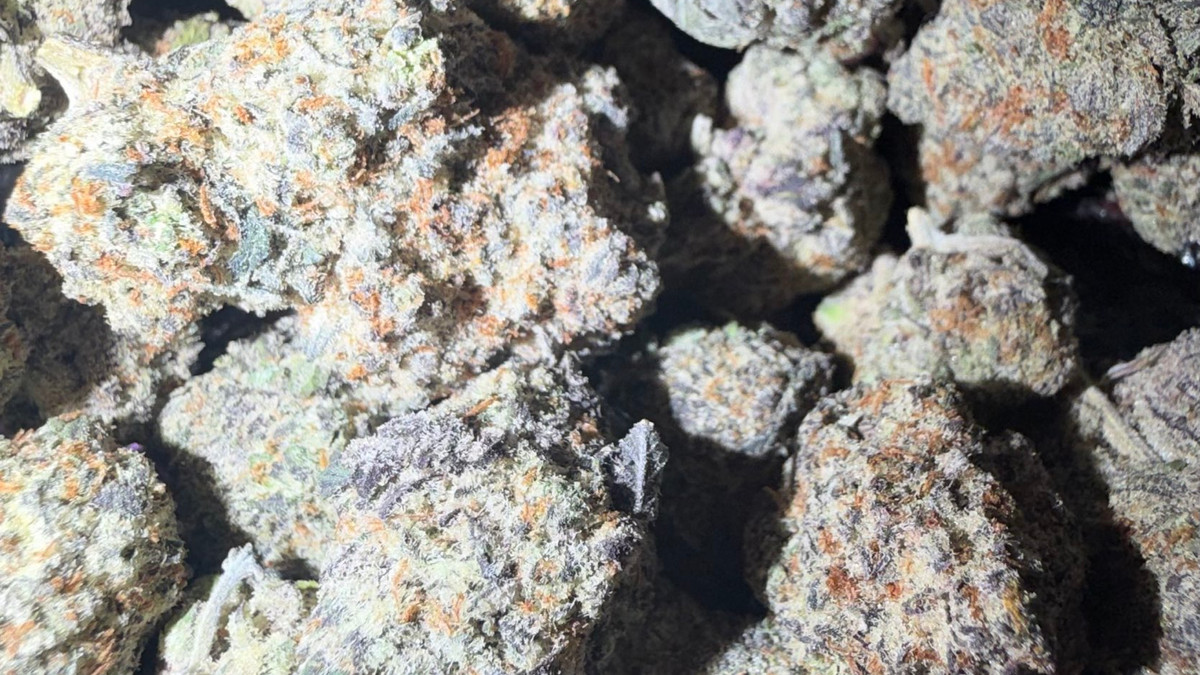
Sub Zero is commonly described as a balanced-to-indica-leaning hybrid with a cool, dessert-like aroma and a relaxing effect profile. The name is used across more than one product or breeding line, so its exact genetics, potency and terpene balance can differ by producer.
Reported THC levels commonly land in the mid-to-high range, often around 20% to 30% in flower, although no range is guaranteed. That makes Sub Zero a better fit for experienced consumers who already understand their response to THC than for someone seeking a mild first session. New consumers should start with a small amount and give inhaled cannabis time to settle before adding more.
Product Highlights
This quick reference describes commonly reported traits, not a guarantee for every Sub Zero batch. Always use the package label and current certificate of analysis for the product in hand.
Spec | Details |
|---|---|
Strain type | Commonly reported hybrid, often indica-leaning |
Commonly reported THC range | Often about 20%–30% in flower; varies by batch and producer |
Dominant terpenes | Often reported as myrcene, caryophyllene, limonene or linalool; verify the COA |
Effect profile | Relaxing, physically calming and potentially euphoric, with some reported mental heaviness |
Best time of day | Evening or low-demand periods for many consumers |
Available formats | Flower, pre-rolls, live resin, live rosin and distillate cartridges or disposables, depending on the market |
Lineage and genetics
Sub Zero’s lineage is not consistently documented across the cannabis market. Some menus and breeder listings may attach different parent strains to the name, which means a claimed family tree should be treated as commonly reported unless the producer provides verifiable breeding information.
That uncertainty matters because genetics influence more than a strain name. The parents can affect flowering time, stretch, resin production, aroma and how strongly a plant responds to feeding or environmental stress. If a package identifies a breeder, cross or batch-specific cultivar code, save that information; it is more useful for comparison than the name alone.
Aroma, flavor and terpene profile
Sub Zero is often associated with sweet, creamy or dessert-like notes layered with cool mint, pine, citrus or light spice. In flower, the nose can shift from fresh and bright before grinding to heavier, resinous and peppery once the trichomes are opened.
Terpenes help explain those impressions, but they do not function as a complete effect forecast. Myrcene may contribute earthy or musky notes, limonene can bring citrus, caryophyllene often reads as peppery, and linalool may add floral softness. A label showing percentages is more informative than a generic “indica” or “hybrid” claim.
Reported effects and common uses
Consumers commonly describe Sub Zero as calming, euphoric and physically relaxing, with effects that may become heavier as more is consumed. Some people use strains with this profile during evening downtime, while others prefer a small daytime amount when they do not need to drive, work or make important decisions.
Effects vary with dose, tolerance, product type, setting and individual biology. Inhaled flower or vapor can be felt relatively quickly, while edible products take longer and last longer. Do not combine cannabis with driving, alcohol or other intoxicating substances, and remember that reported use is not medical evidence or medical advice.
Formats and hardware
Sub Zero flower preserves the plant’s original material and can show the clearest difference between batches. Pre-rolls are convenient but may burn differently depending on grind, paper and packing. Concentrates translate the cultivar into a more potent product, so the same strain name does not mean the same intensity across formats.
Live resin is generally made from fresh-frozen cannabis and commonly emphasizes a bright, aromatic profile. Live rosin is solventless and may present a fuller, softer expression when handled well. Distillate carts and disposables are refined for high cannabinoid concentration and often receive added terpene blends, which can make their flavor less representative of the original flower.
A cartridge’s chamber holds the oil, while the coil or ceramic heating element vaporizes it. Draw-activated devices use an airflow sensor; button batteries let the user control activation and sometimes voltage. Lower heat, commonly around 2.0–2.5 volts or roughly 350–400°F where a device displays temperature, can protect flavor, while higher settings may produce a larger cloud but increase harshness and oil degradation. Follow the manufacturer’s instructions rather than forcing a universal setting.
Batch testing and label reading
A certificate of analysis, or COA, is a laboratory document tied to a specific batch. Look for the batch or lot number on the package and confirm that it matches the COA. The document may list THC, THCA, CBD, other cannabinoids, terpene percentages, testing dates and safety screens such as contaminants or pesticides.
THC on a flower label may be shown as THCA plus a calculated potential THC value, while a cartridge may list total THC in the oil. These numbers can change from harvest to harvest, and laboratory methods or producer practices may also affect the reported result. Treat the label as a snapshot of that batch, not a permanent identity for every Sub Zero product.
How it compares
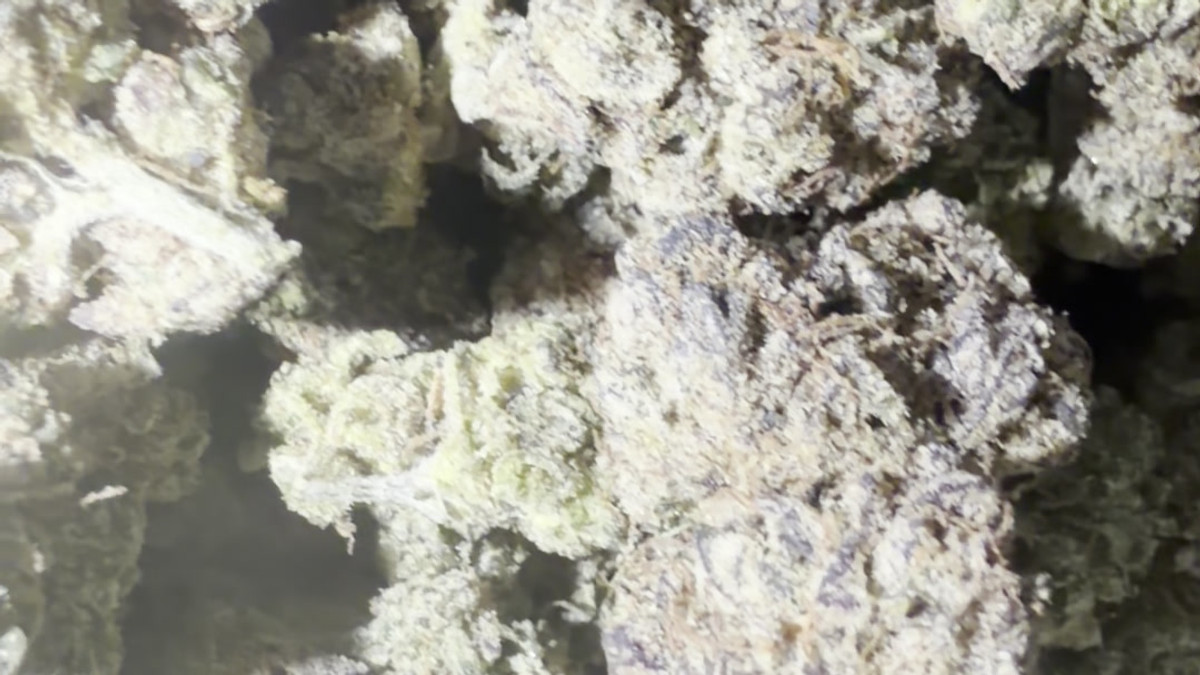
These comparisons are broad category guidance because strain names can cover multiple cuts and producers. The closest match should be chosen by the current product’s terpene profile, cannabinoid results and your own response.
Strain | Type | Flavor | Effect | Best for |
|---|---|---|---|---|
Sub Zero | Hybrid, often indica-leaning | Sweet, creamy, minty, peppery | Relaxing and potentially heavy | Evening sessions and experienced consumers |
Indica-leaning hybrid | Sweet dessert, vanilla, dough | Calming and body-forward | Low-demand nighttime use | |
Gelato | Balanced hybrid | Creamy, fruit, citrus | Euphoric with relaxing potential | Flavor-focused hybrid fans |
OG Kush | Hybrid | Earthy, pine, lemon, fuel | Relaxed and mentally noticeable | Consumers who prefer classic kush character |
Medical and wellness reports
Some consumers report choosing Sub Zero for relaxation, evening comfort or help winding down, but those are personal-use reports rather than proof that the strain treats a condition. Cannabis can also cause unwanted effects, including anxiety, dizziness, impaired attention or next-day grogginess, especially at higher doses.
If you use prescription medicines, have a health condition, are pregnant or nursing, or are considering cannabis for a specific symptom, speak with a qualified clinician. This section is educational only and does not replace medical care or individualized guidance.
How to Grow Sub Zero
Sub Zero is best approached as a moderately demanding hybrid until you know which cut you have. The name covers inconsistent genetics, so use the ranges below as working expectations rather than promises, and let the plant’s structure and environment guide each decision.
Grow Guru AI’s practical rule: stable climate, measured feeding and early canopy planning usually matter more than chasing maximum numbers. Home cultivation is governed by local law, and plants must be kept secure and out of public view where required.
These are commonly reported cultivation ranges for plants sold under the Sub Zero name.
Spec | Details |
|---|---|
Grow difficulty | Moderate |
Indoor flowering time | About 8–10 weeks |
Outdoor harvest window | Late September to mid-October in the Northern Hemisphere |
Yield potential | Indoor: roughly 400–600 g/m²; outdoor: roughly 400–800 g per plant under favorable conditions |
Plant height and stretch | Medium height; commonly reported stretch of about 1.5–2 times after the flip |
Ideal climate | Warm, stable, dry-to-moderate humidity with strong airflow |
Mold and pest resistance | Moderate and highly dependent on canopy density and climate control |
Grow Difficulty
Sub Zero rates as Moderate. It may forgive ordinary training and small environmental swings, but the uncertain genetics make uniform expectations difficult. Some plants can stretch strongly, while dense flowers may hold moisture late in bloom. That combination puts pressure on light placement, airflow and humidity control.
It suits an intermediate grower especially well, though a first-time cultivator with a controlled indoor setup can manage it by keeping records and avoiding aggressive interventions. Experienced growers will have the easiest time selecting a keeper phenotype and dialing in its feeding response.
Canopy, Training and Pruning
Expect moderate vegetative vigor and medium node spacing, with the exact structure depending on the cut. Plan for roughly 1.5–2 times stretch after switching to a 12/12 light cycle. Top once the plant has several established nodes, then use low-stress training to open the center and keep the main sites at a similar height.
Sub Zero can work well in a SCROG when the branches are guided before they become woody. Remove weak interior growth gradually rather than stripping the plant all at once. Defoliation should improve airflow and light penetration without exposing developing flowers to unnecessary stress.
Feeding, Climate and Environment
Treat it as a moderate feeder until the plant proves otherwise. Begin with conservative nitrogen during vegetative growth, watch leaf color and tip burn, and do not assume a hungry appearance means the answer is more fertilizer. Calcium and magnesium may be useful when the water source or medium requires them, but additions should follow water testing and the product directions.
A practical target is about 75–85°F in vegetative growth with 55%–70% relative humidity, then approximately 70–80°F in flower with humidity closer to 45%–55%. Keep air moving above and below the canopy, and avoid wet flowers late in the cycle. DC, Maryland and Virginia outdoor growers should be especially cautious during humid summer nights and storm periods: wider plant spacing, morning watering, selective pruning and weather protection can reduce moisture buildup, but no method guarantees mold prevention.
Harvest Timing and Curing
Use trichomes as the primary cue. Clear heads indicate immaturity; mostly cloudy heads generally point toward peak cannabinoid development; and a modest amount of amber can bring a heavier, more settled character. For a brighter effect, many growers harvest when most trichomes are cloudy with little amber. For a more sedating profile, some wait for more amber, while recognizing that the result is not guaranteed.
Receding white pistils, swelling flowers and a fully developed aroma can support the trichome check, but pistil color alone is unreliable. Dry slowly in darkness with gentle airflow, then cure in clean airtight containers opened periodically to release excess moisture. Excessive heat, light or rapid drying can flatten the sweet and minty notes often associated with Sub Zero.
Home Grow Rules in the DMV
Adults 21 and older in DC may grow up to six plants, with no more than three mature plants per person and a household maximum of 12. Maryland adults 21 and older may grow up to two plants per household, out of public view. Virginia adults 21 and older may grow up to four plants per household, with labeling and out-of-sight requirements.
These rules can change, and additional restrictions may apply. Check current guidance from the relevant jurisdiction before planting; this is educational information, not legal advice.
Similar strains worth trying
If you like Sub Zero’s reported dessert-and-coolness profile, Ice Cream Cake is a logical comparison for heavier sweetness and relaxation. Gelato may suit consumers who want cream and fruit with a more balanced hybrid character, while OG Kush offers a sharper pine, lemon and fuel direction.
When comparing products, start with the terpene panel and batch results instead of relying only on the cultivar name. A fresh flower product, a live rosin cartridge and a distillate disposable made from the same named strain can deliver noticeably different flavor and timing.
The Bud Lords Take
Our take: Sub Zero is most interesting when the producer shows its work. The name suggests a frosty, dessert-leaning experience, but the real story is in the batch-specific aroma, terpene balance, cultivation quality and extraction method. For DMV consumers, that makes label literacy more valuable than chasing a headline THC number.
DC readers should remember that the District operates under Initiative 71 gifting rules, not a standard recreational retail model. Maryland and Virginia have their own possession, home-grow and regulated-market frameworks, so do not assume that a rule in one part of the DMV applies across the region. Products discussed here are for adults 21 and older, and consumers should follow the current law where they live.
Sub Zero is worth revisiting when you want a flavorful, potentially deeply relaxing hybrid and have the experience to pace a stronger product. Keep the package, match the COA to the batch, and note how the format changes the experience; those habits will tell you more than the strain name alone.
Sub Zero FAQ
Here is what most people ask about Sub Zero in this area.
Is Sub Zero indica or sativa?
It is commonly marketed as a hybrid, often with an indica-leaning effect profile. Exact classification can vary by producer and genetic line.
How strong is Sub Zero?
Flower is commonly reported in the 20%–30% THC range, but potency varies by batch. Check the package and matching COA instead of relying on a general strain description.
Does Sub Zero make you sleepy?
Many consumers report relaxation and physical heaviness, particularly at higher amounts, but responses differ. Avoid driving or other risky activities after using it.
Is Sub Zero good for beginner cannabis consumers?
It may be challenging if the batch is potent or strongly sedating. A beginner should choose a clearly labeled product, use a very small amount and wait before deciding whether more is appropriate.
Sub Zero is not in the Bud Lords menu right now. Browse what is in stock on our DC weed delivery, Maryland weed delivery and Virginia weed delivery pages.
More strain guides: Super Boof, Glitter Bomb, Cereal Milk.
Frequently asked questions
Here is what most people ask about Sub Zero in this area.
What Sub Zero is?
Sub Zero is commonly described as a balanced-to-indica-leaning hybrid with a cool, dessert-like aroma and a relaxing effect profile. The name is used across more than one product or breeding line, so its exact genetics, potency and terpene balance can differ by producer. Reported THC levels commonly land in the mid-to-high range, often around 20% to 30% in flower, although no range is guaranteed.
How it compares?
These comparisons are broad category guidance because strain names can cover multiple cuts and producers. The closest match should be chosen by the current product’s terpene profile, cannabinoid results and your own response.
How to Grow Sub Zero?
Sub Zero is best approached as a moderately demanding hybrid until you know which cut you have. The name covers inconsistent genetics, so use the ranges below as working expectations rather than promises, and let the plant’s structure and environment guide each decision. Grow Guru AI’s practical rule: stable climate, measured feeding and early canopy planning usually matter more than chasing maximum numbers.
Is Sub Zero indica or sativa?
It is commonly marketed as a hybrid, often with an indica-leaning effect profile. Exact classification can vary by producer and genetic line.
How strong is Sub Zero?
Flower is commonly reported in the 20%–30% THC range, but potency varies by batch. Check the package and matching COA instead of relying on a general strain description.
Does Sub Zero make you sleepy?
Many consumers report relaxation and physical heaviness, particularly at higher amounts, but responses differ. Avoid driving or other risky activities after using it.
Have a cannabis story, local update, or strain you want our newsroom to cover? Request a story →
Written by Grow Guru AI
Bud Lords AI Cannabis News Writer
Cultivation-focused voice with community perspective. Covers growing tips, techniques, and cultivation industry news.
Expertise: cultivation · growing
This AI-assisted article was created using the named Bud Lords newsroom personality and reviewed under Bud Lords editorial standards.


Comments