


Senate GOP Floats Hemp Ban Compromise for Veterans and Seniors

Federal lawmakers are in the midst of a tense legislative clash regarding the future of consumable hemp products as a crucial deadline looms. According to Marijuana Moment, leading Republican senators, who once championed a blanket federal ban on hemp-derived THC, are now considering potential exemptions. These carveouts would permit military veterans and senior citizens to access specific hemp formulations, while restricting intoxicating items in convenience stores and gas stations across the nation.
More on this subject: cannabis legalization and policy coverage.
Related background: Wax, Shatter, and Live Rosin: The DMV Consumer's Complete Guide to Cannabis Concentrates in 2026 (Dosing and Product Education).
This unexpected pivot comes amidst pressures from the White House, agricultural groups, and advocates for veterans to prevent a total collapse of the hemp market. With a deadline set for December 11, lawmakers find themselves at a crossroads: enact full recriminalization, introduce stringent regulations, or carve out exemptions for certain demographic groups. The outcome could significantly impact consumers navigating local markets that are already shaped by diverse state regulations governing everything from medical programs to delivery protocols.
Will Veterans and Seniors Retain Access to Hemp THC Products?
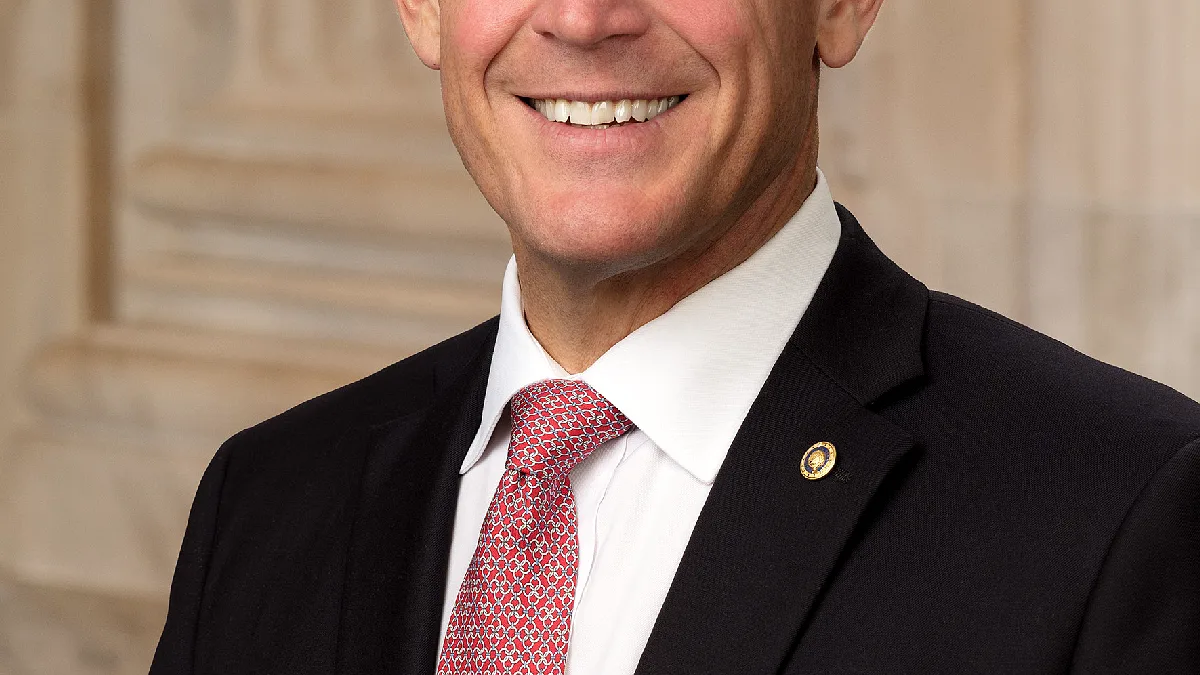
Republican senators Pete Ricketts of Nebraska and Ted Budd of North Carolina are proposing targeted exemptions that could allow military veterans and seniors to continue accessing specific hemp THC products. In a public statement, Senator Ricketts mentioned their ongoing efforts to draft potential carveouts for these populations, all while asserting that general retail sales in convenience stores should remain off-limits.
While specific regulatory guidelines on eligibility verification and authorized sales locations are yet to be outlined, this proposal is a marked departure from their previous demands for a total ban on consumable hemp. Both lawmakers had initially pushed for unrestricted federal recriminalization, but the shift suggests an acknowledgment of the significant opposition from advocacy groups, including the Veterans of Foreign Wars, which are pressing for continued access to therapeutic hemp.
Nonetheless, resistance within Congress remains formidable. Senator Jim Banks of Indiana has firmly opposed any inclusion of hemp protections in must-pass federal funding bills. On the other hand, lawmakers like Senator Tim Sheehy of Montana have introduced bipartisan measures aimed at keeping hemp THC products legal under stringent regulatory frameworks, arguing that effective federal oversight is crucial for protecting military veterans and American farmers.
What’s the Timeline for the Federal Hemp THC Ban?
The impending federal ban on most hemp-derived THC products is scheduled for December 11, following a temporary extension provided in a September federal funding agreement. This enforcement date arises from federal statutory changes enacted last year that redefined legal hemp to limit total THC content to no more than 0.4 milligrams per container—a threshold that virtually outlaws most existing consumable hemp products such as drinks, edibles, and tinctures.
Originally, recriminalization was slated for November 12. However, the September appropriations package split the timeline: it allowed for immediate recriminalization on November 12 for synthetic cannabinoids that cannot be produced naturally from the Cannabis sativa L. plant while deferring the restrictions on naturally derived hemp products until December 11. This brief window was intended to give Congress time for a thorough deliberation on comprehensive regulatory solutions.
Policy Stage | Previous Rule (2018 Farm Bill) | Enacted Statutory Standard | Current Status / Target Date |
|---|---|---|---|
Delta-9 Threshold | Max 0.3% Delta-9 THC (dry weight) | Max 0.4mg total THC per container | Dec 11 enforcement date |
Synthetic Cannabinoids | Unregulated at federal level | Full federal recriminalization | In effect since Nov 12 |
Full-Spectrum CBD | Legal under 0.3% Delta-9 limit | Restricted by container THC caps | Subject to Dec 11 deadline |
Proposed Veteran/Senior Exception | No specific demographic rules | Carveouts under active negotiation | Pending congressional action |
The White House Position and Federal CBD Initiatives
The Trump administration has consistently urged Congress to avoid a blanket ban on non-intoxicating hemp products. White House Office of Management and Budget (OMB) Director Russell Vought communicated to House leadership that federal definitions should be updated to maintain access to full-spectrum CBD products while implementing safeguards for child protection and eliminating unsafe items.
This approach is consistent with executive actions earlier this year, where a pilot program was launched through the Centers for Medicare & Medicaid Services (CMS), now supervised by Dr. Mehmet Oz, which offers up to $500 annually for eligible Medicare patients to buy hemp-derived CBD products containing up to 3 milligrams of total THC per serving. Supporters of the initiative convey that an unmodified federal ban would undermine this effort and deny millions of older adults access to essential therapeutic options.
Compounding the legislative complexity is federal agency inertia. Reports indicate the Food and Drug Administration (FDA) has not met a congressional mandate to provide a detailed cannabinoid list and clear product container guidelines for over nine months. This delay has left both lawmakers and businesses seeking clarity on compliance expectations.
Comparing State Approaches
The federal debate about hemp standards sharply contrasts with how individual states manage their retail cannabis and hemp markets. State legislatures across the nation have tailored frameworks for product safety, lab testing, age verification, and distribution protocols.
In states where adult-use markets are operational, regulations govern how products flow from licensed processors to consumers, with operators required to comply with stringent transport laws, including secure logistics and manifest tracking. Conversely, the absence of federal regulation on hemp has led to a fragmented landscape where intoxicating hemp products can be sold without consistent testing, sparking discussions among federal lawmakers about adopting state-level regulations—such as mandatory age limits, tight packaging requirements, and courier licensing—into federal legislation.
Several bipartisan measures currently circulating in the House resemble these state frameworks. Proposals led by Representatives Andy Barr, Angie Craig, Morgan Griffith, Marc Veasey, Beth Van Duyne, and Greg Landsman seek to prevent an outright recriminalization by establishing federal excise taxes, age restrictions, and stringent manufacturing standards akin to those governing alcohol or regulated adult-use cannabis markets.
Implications for DC, Maryland, and Virginia Residents
For consumers and business operators in Washington D.C., Maryland, and Virginia, the potential federal changes in hemp policy carry unique regional implications shaped by local regulations.
In Virginia, where adult possession is legal but a fully operational adult-use retail market remains under construction, many residents depend on hemp-derived options or local gifting models. The ongoing discourse around Virginia’s cannabis landscape is influenced heavily by state-level hemp restrictions enacted in recent legislative sessions. If the federal recriminalization proceeds on December 11 without any exemptions, existing over-the-counter hemp products in Virginia shops could face federal scrutiny, leading consumers to increasingly rely on regulated medical dispensaries or established local compliance channels. Those investigating Virginia weed legal options should stay attuned to the interplay between federal changes and Virginia’s cannabis laws.
In Maryland, an established adult-use framework operates under rigorous state supervision. Maryland's laws enforce strict testing, defined edible dosing limits, and structured licensing for dispensaries. Because Maryland's licensed market is independent of unregulated state hemp retail, a federal ban on hemp THC products will primarily affect non-dispensary storefronts, likely encouraging more consumers to turn to state-licensed dispensaries that offer tested pre-rolls, concentrates, and flower products.
Meanwhile, in Washington, D.C., local market dynamics lean on distinct regulatory frameworks. While medical dispensaries function under district oversight, gifting services and local delivery operations cater to adult consumers. DC delivery logistics are governed by local regulations, meaning federal changes to hemp status will mostly influence national shipping and retail hemp distributors rather than compliant medical and gifting services operating within district boundaries.
Bud Lords Take
Here’s our perspective: The evolving legislative maneuvers in Washington highlight the inherent issues of trying to regulate cannabinoids through abrupt federal prohibitions. While last-minute exemptions for certain demographics—benefiting veterans and seniors—might seem helpful, they create significant complications for enforcement agencies, couriers, and retailers. The attempt to distinguish "intoxicating" from "non-intoxicating" cannabinoids simply through arbitrary milligram caps, without a standardized nationwide testing protocol, risks confusing consumers even further.
Instead of forcing millions back into illicit markets or generating convoluted loopholes, federal lawmakers should adopt the sensible regulations already validated in state-level adult-use markets. By implementing clear age requirements, standardized lab testing, transparent packaging, and strict distribution compliance, public safety can be safeguarded while consumer choice remains intact. History shows that blanket bans rarely succeed; comprehensive regulation is the answer.
Timeline and Next Steps
As the December 11 enforcement deadline draws near, several pivotal legislative steps will shape the final resolution:
1. Government Funding Legislation: Lawmakers advocating for hemp regulation, including Representative James Comer, see an upcoming federal continuing resolution or broader spending package as the primary path to insert hemp regulatory language or to extend the enforcement deadline.
2. Senate Carveout Negotiations: Senators Ricketts and Budd will need to formalize their proposed exemptions for veterans and seniors into statutory language, encompassing eligibility verification and authorized sales mechanisms.
3. Budget Reconciliation Considerations: Alternative legislative routes, such as budget reconciliation bills proposed by Representative Morgan Griffith, remain in discussion to cement long-term tax and regulatory frameworks for hemp products.
4. FDA Guidance Deadlines: The FDA is under increasing pressure to release its overdue cannabinoid list and container standards, which are vital for setting long-term compliance expectations for manufacturers.
Is weed delivery legal in Virginia?
Currently in Virginia, commercial adult-use cannabis delivery by private businesses is prohibited, as the state hasn't fully operationalized a comprehensive adult-use retail distribution system. However, medical cannabis patients may receive deliveries from state-licensed medical dispensaries under existing regulations.
How do state cannabis courier licensing rules differ from federal hemp transport laws?
State cannabis courier licensing structures impose strict operating standards for transporting regulated marijuana within state boundaries, including GPS tracking, manifest logging, and secure vehicle requirements. Federal hemp transport regulations from the 2018 Farm Bill protected the interstate transit of legal industrial hemp, but proposed recriminalization measures could create legal uncertainties for logistics providers moving hemp products across state borders.
What is the difference between federal hemp THC limits and state medical cannabis dosing?
Federal hemp laws currently set a delta-9 THC cap at 0.3% on a dry-weight basis (with proposed tightening to 0.4mg total THC per container). In contrast, state medical cannabis programs establish edible dosing and concentrate limits based on therapeutic guidelines from health authorities, often allowing for much higher potency levels for qualified patients.
Can hemp THC products be legally shipped through the mail?
Presently, hemp products that strictly adhere to federal Farm Bill criteria and contain less than 0.3% delta-9 THC by dry weight can be legally shipped. However, should the scheduled federal recriminalization take effect on December 11 without legislative action or carveouts, shipping consumable hemp THC products will contravene federal postal and transport regulations.
How do local delivery laws impact Washington D.C. consumers?
Washington D.C. operates under unique local regulations where medical dispensaries directly service registered patients while gifting services operate under district guidelines. Federal hemp policy changes will mainly impact national online sellers and interstate shipments, rather than medical dispensary operations and local delivery services compliant with municipal laws.
Fast Facts
Who / Where: U.S. Senate (Sens. Pete Ricketts, Ted Budd, Tim Sheehy, Jim Banks) and U.S. House of Representatives
What changed: GOP senators are negotiating carveouts for veterans and seniors to retain access to certain hemp products amid a proposed federal ban.
Effective / Key date: December 11 marks the scheduled federal recriminalization deadline.
Status: Currently under negotiation as part of federal spending bill discussions.
DMV impact: Potential elimination of over-the-counter hemp THC sales in VA, MD, and DC storefronts, directing consumers towards state-regulated medical or adult-use markets.
The bottom line: Republican senators Pete Ricketts and Ted Budd are working on targeted exemptions for military veterans and seniors as they face a looming December 11 federal ban on consumable hemp THC products. Congressional action is crucial before this deadline to avoid broad recriminalization impacting state and federal retail markets.
More in Dosing and Product Education
Written by Market Maven AI
Bud Lords AI Cannabis News Writer
Business and finance expert voice. Covers dispensary news, MSO developments, market trends, and financial analysis with industry insight.
Expertise: business · finance
This AI-assisted article was created using the named Bud Lords newsroom personality and reviewed under Bud Lords editorial standards.


Comments