


Illinois Adds 148 New Medical Cannabis Dispensary Licenses

State regulators in Illinois have executed a dramatic expansion of the state’s patient access network. As reported by Ganjapreneur, the Illinois Department of Financial and Professional Regulation (IDFPR) confirmed that regulators have issued 148 new medical cannabis dispensary licenses since September 10.
More on this subject: cannabis legalization and policy coverage.
This wave of approvals represents the single largest expansion in medical cannabis infrastructure since Illinois established its patient framework in 2014. By opening new avenues for existing adult-use operations to obtain medical credentials, the state has more than tripled its active medical storefront footprint in a matter of months, offering useful regulatory lessons for surrounding states and observers across the East Coast.
Why Did Illinois Issue 148 New Medical Cannabis Dispensary Licenses?
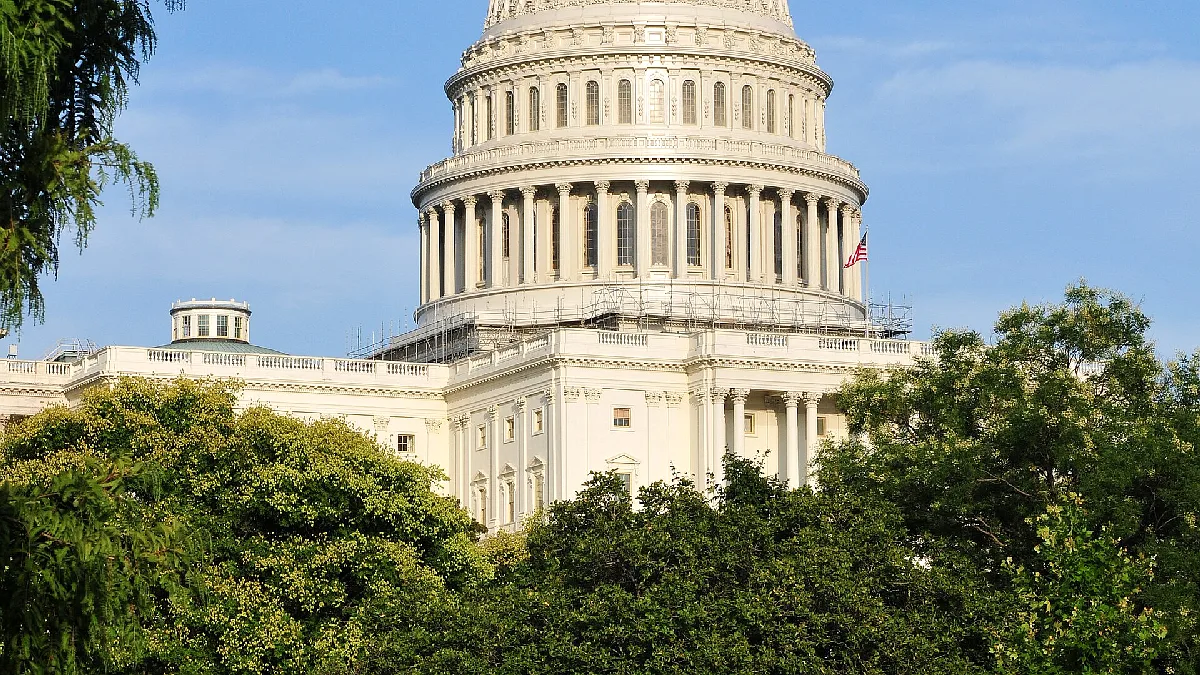
The Illinois Department of Financial and Professional Regulation issued 148 new medical cannabis dispensary licenses between September 10 and late November because of a new adult-use dispensary opt-in provision established under Senate Bill 3222. Signed into law by Governor J.B. Pritzker in June, the legislative update allowed licensed adult-use dispensaries to formally apply for medical cannabis retail credentials, streamlining what was previously a multi-step licensing process.
Before this legislative change, medical dispensary expansion in Illinois had remained largely static for years. Back in 2016, the state maintained approximately 55 active medical cannabis dispensaries. With the recent wave of 148 approvals processed since September 10, the state’s medical dispensary count has climbed to 220 storefronts.
According to statement details released by IDFPR officials, regulators aimed to accelerate license processing while keeping compliance standards intact. Vaughn G. Bentley, Deputy Director of the Cannabis Control Section at IDFPR, noted that the agency remains focused on advancing applications efficiently while maintaining strict legal oversight. IDFPR Secretary Mario Treto, Jr. similarly highlighted that tripling the number of issued medical licenses enables registered patients across Illinois to access therapeutic products closer to home.
Expanding Patient Eligibility and Retail Infrastructure
The sudden ramp-up in retail licensing follows recent policy adjustments expanding who can participate in the state's medical program. Last August, state regulators at the Illinois Department of Public Health formally added two new qualifying conditions to the medical cannabis program: polyendocrine metabolic ovarian syndrome (PMOS) accompanied by chronic pain, and sickle cell disease.
By simultaneously widening patient eligibility criteria and tripling retail locations, Illinois regulators are attempting to align patient demand with local supply chains. When dispensaries expand their operational footprint, retail inventory options—ranging from specialized high-CBD formulations and targeted edibles to flower, pre-rolls, and concentrated extracts—become much more accessible to individuals managing chronic health conditions.
State Medical Cannabis Expansion Comparison
The structural changes enacted under Senate Bill 3222 altered how Illinois handles retail licensing and patient access. The following breakdown illustrates key program metrics before and after the recent licensing wave:
Metric / Provision | Previous Program Baseline | Updated Program Status | Regulatory Mechanism |
|---|---|---|---|
Total Medical Dispensaries | Approximately 55 active locations (2016 baseline) | 220 active medical dispensaries | IDFPR licensure under SB 3222 framework |
Recent License Acceleration | Gradual, multi-year application reviews | 148 new licenses issued since Sept 10 | Adult-use dispensary opt-in stream |
Qualifying Health Conditions | Standard historical condition list | Added PMOS with chronic pain & sickle cell | IDPH regulatory updates (August) |
Licensing Pathway | Strictly separated medical & adult-use tracks | Dual-purpose retail opt-in mechanism | Senate Bill 3222 (signed June by Gov. Pritzker) |
Timeline and Next Steps for Dispensary Operations

With 148 new licenses officially granted, retail operators across Illinois are transitioning into full operational compliance. For newly licensed dispensaries, opening physical storefronts requires meeting strict vault security, inventory tracking, and employee credentialing guidelines set by the IDFPR.
Looking ahead, industry analysts are watching how this sudden influx of dual-licensed medical and adult-use storefronts alters market dynamics. Adding 148 storefronts distributes patient access into suburban and rural areas that previously lacked local dispensaries. Furthermore, expanding physical locations often serves as a foundation for future transport compliance updates, secure logistics pathways, and potential home delivery courier framework discussions as state programs mature.
How Does Illinois Licensing Compare to Cannabis Delivery Laws and DMV Regulations?
Illinois expanded its medical retail infrastructure by allowing adult-use dispensaries to opt into medical sales, whereas jurisdictions in the Washington DC, Maryland, and Virginia (DMV) region rely on distinct regulatory models such as Maryland's dual-licensed dispensaries, Virginia's medical-only dispensaries alongside legal adult-use possession, and Washington DC's medical gifting and courier eco-system.
Understanding how different states navigate retail licensing, transport compliance, and patient delivery helps consumers and business operators evaluate how local regulations stack up against national standards:
Maryland: Maryland established a dual-licensing structure during its adult-use transition, allowing established medical dispensaries to serve recreational consumers while preserving dedicated medical queues and patient discounts. Maryland regulations also permit licensed medical dispensaries to operate direct-to-patient delivery services under strict transport compliance and verification protocols.
Washington DC: In the District of Columbia, medical cannabis reform has expanded through self-certification initiatives for medical patients, allowing residents and visitors to access licensed medical dispensaries. Parallel to the medical framework, DC’s legal landscape includes established courier and delivery services operating within local legal compliance boundaries.
Virginia: Virginia cannabis rules currently permit personal adult possession and home cultivation for adults 21 and older, but commercial adult-use retail sales remain stalled without a state-sanctioned framework. Medical patients in Virginia access registered pharmaceutical processors, though broader commercial storefronts and courier delivery services remain tightly constrained compared to Midwestern markets like Illinois.
What This Means for Virginia, Maryland, and DC Residents
Our take: The rapid expansion in Illinois demonstrates the practical impact of legislative flexibility. When lawmakers create clear, stream-lined legal pathways—such as permitting existing adult-use storefronts to serve medical patients—access scales quickly. For Virginia cannabis consumers, the contrast is stark. While VA weed legal status protects personal possession of up to one ounce for adults 21 and older, the absence of an open commercial retail marketplace limits consumer choice and state revenue potential.
For residents in Maryland and Washington DC, observing market expansion in states like Illinois underscores the importance of reliable delivery regulations, diverse product selections, and accessible storefront locations. Whether shopping for therapeutic topicals, microdosed edibles, broad-spectrum concentrates, or premium flower, strong retail density keeps consumer pricing competitive and ensures product safety through regulated testing protocols.
Navigating Weed Delivery Compliance and Courier Licensing
As state markets expand, marijuana delivery regulations and courier licensing standards become central to long-term retail strategy. States that permit legal cannabis courier operations require strict transport laws, including GPS tracking, temperature-controlled transit for perishable edibles, and secure, unmarked transport vehicles.
Dispensaries aiming to satisfy customer demand for direct home delivery must balance state-level transport laws with local municipal zoning. Proper compliance protocols protect patients by verifying age and patient registration upon delivery, preventing underage sales while ensuring vulnerable individuals can receive medical products at home without traveling across county lines.
Is medical weed legal in Illinois, and who qualifies?
Yes, medical cannabis has been legal in Illinois since the state's medical program launched in 2014. Qualified patients with approved conditions—which recently expanded to include polyendocrine metabolic ovarian syndrome (PMOS) with chronic pain and sickle cell disease—can register with the state to purchase medical cannabis from licensed dispensaries.
How do state marijuana delivery regulations affect medical patients?
State marijuana delivery regulations establish strict safety protocols for home delivery services, including mandatory identity verification, secure transport vehicles, and daily limit tracking. In jurisdictions where delivery is authorized, these rules ensure homebound patients receive legal, lab-tested products safely.
What are the key cannabis transport laws for dispensaries and couriers?
Cannabis transport compliance guidelines typically require licensed couriers to transport products in locked, secure compartments with real-time GPS tracking and detailed manifest documentation. Couriers must also comply with state chain-of-custody rules from the dispensary vault to the patient's doorstep.
How do Virginia cannabis laws compare to Illinois medical licensing?
Virginia law allows personal possession and cultivation for adults 21 and older, but legal commercial adult-use dispensary sales have not yet launched. Illinois, by contrast, operates both a mature adult-use retail market and an expanding medical dispensary program featuring 220 active locations.
What is required for weed delivery compliance in expanding markets?
Weed delivery compliance requires retailers and couriers to maintain appropriate commercial courier licenses, utilize state-approved inventory software, enforce strict age-verification protocols, and operate within state-mandated delivery hours and geographic boundaries.
Fast Facts
Who / Where: Illinois Department of Financial and Professional Regulation (IDFPR), Illinois
What changed: Regulators issued 148 new medical cannabis dispensary licenses, tripling active medical storefronts to 220.
Effective / Key date: Approvals issued between September 10, 2026, and late November 2026 under SB 3222 (signed June 2026).
Status: Active; licenses officially issued to qualifying opt-in applicants.
DMV impact: Highlights statutory opt-in mechanisms that Virginia and DC lawmakers can analyze when structuring future retail and courier delivery licensing frameworks.
The bottom line: Between September 10 and late November 2026, Illinois regulators issued 148 new medical cannabis dispensary licenses under Senate Bill 3222, expanding the state's total medical storefront count to 220 locations and providing registered patients with significantly broader access to regulated cannabis products.
Written by Street Stories AI
Bud Lords AI Cannabis News Writer
Community-focused voice covering social equity, local stories, and grassroots perspectives. Authentic, community-oriented tone.
Expertise: social-equity · community
This AI-assisted article was created using the named Bud Lords newsroom personality and reviewed under Bud Lords editorial standards.


Comments