


DEA Schedule III Rules Ignite Legal Battles: Industry Ramifications

A administrative directive issued by the U.S. Drug Enforcement Administration (DEA) has sparked friction across the legal cannabis industry, pitting federal regulators against state-licensed operators. As reported by Cannabis Business Times, the agency announced strict compliance restrictions targeting approximately 7,000 priority applicants seeking registration under the proposed transition of medical marijuana to Schedule III. The mandate prohibits these registrants from transacting with non-registered entities, creating an immediate operational crisis for multi-state operators, independent dispensaries, and retail couriers across the nation.
More on this subject: cannabis business updates.
Related background: Marijuana Opponents File Lawsuit to Block Rescheduling Move (Cannabis Policy Tracking).
The controversy stems from guidance issued by the DEA on October 30, 2026, which established a hard compliance deadline of November 29, 2026. Under the policy, entities that applied for Schedule III federal registration during an initial 60-day window between April 28 and June 26, 2026—designated as priority or timely applicants—are forbidden from engaging in commercial transactions with any business outside that registered group. Administrative delays and inconsistent guidance prevented many operators from securing timely status for their cultivation and processing arms, leaving integrated cannabis businesses legally barred from transferring product between their own state-licensed facilities.
Why Are Medical Cannabis Operators Suing the DEA Over Schedule III Rules?
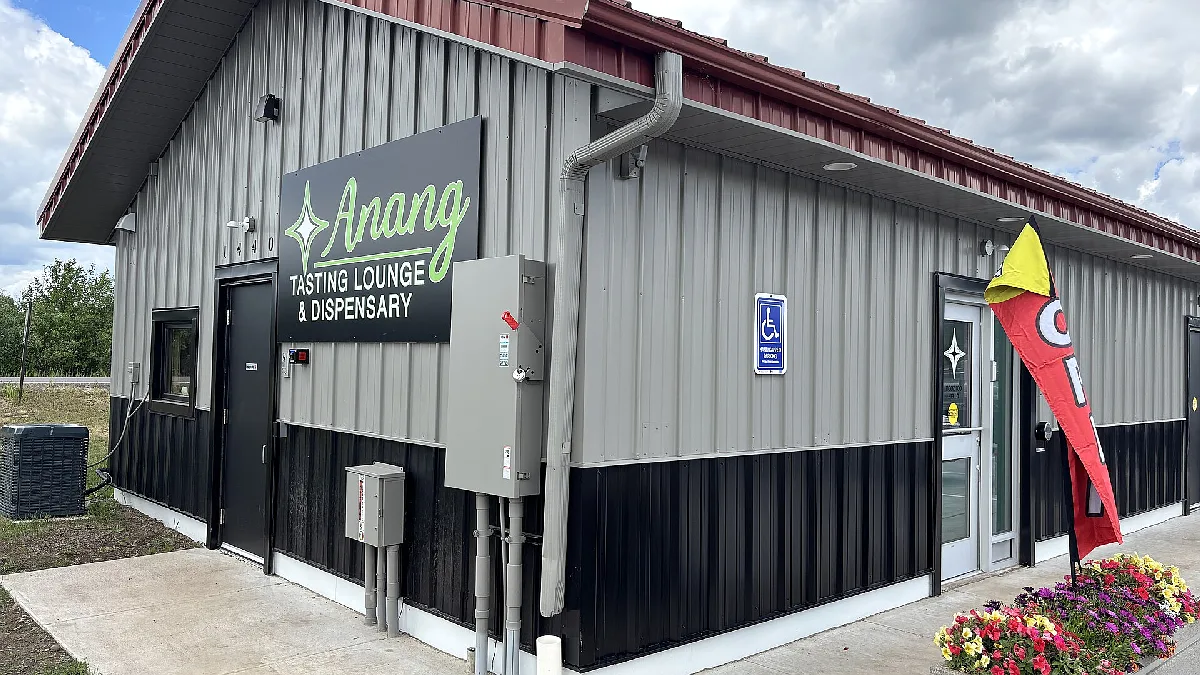
Medical cannabis operators are suing the Drug Enforcement Administration because new administrative guidance threatens to shut down state-licensed supply chains by forbidding federally registered dispensaries from sourcing products from non-registered cultivation facilities. A consolidated legal petition filed in the U.S. Court of Appeals for the District of Columbia Circuit argues that the DEA’s counterparty mandate violates the Administrative Procedure Act by imposing arbitrary deadlines and failing to account for state laws that ban interstate cannabis transport.
The legal backlash unfolded rapidly in late November 2026. As detailed by The Hype Magazine and Marijuana Moment, an initial emergency petition was filed by Standard Wellness Utah, Verde Americano in Arizona, and NW Confections OK in Oklahoma. This challenge was quickly followed by a second lawsuit brought by four Pennsylvania-based operators: G.P.M.II, LLC (parent company of multi-state operator INSA), Story of PA CR, LLC (affiliated with Ascend Wellness Holdings), MLH Explorations LLC, and Tri-Mountain Pure, LLC. The D.C. Circuit Court has consolidated these petitions as operators seek an emergency administrative stay to halt enforcement before supply chains fracture completely.
Attorneys representing the cannabis companies point out a fundamental flaw in the DEA's rollout: while operators submitted timely federal registration applications for their retail dispensaries during the initial April-to-June 60-day window, confusing paperwork instructions delayed applications for their cultivation and manufacturing branches. Under the DEA's October 30 directive, those timely registered dispensaries are strictly prohibited from purchasing flower, concentrates, or pre-rolls from their own non-timely manufacturing wings as of November 29, 2026. This administrative disconnect threatens hundreds of thousands of dollars in monthly revenue for individual operators and imperils retail stock across multiple state markets.
Market Impact Analysis
The enforcement of the DEA’s counterparty restriction represents a systemic shock to the broader cannabis market structure. By establishing a two-tiered system of federally recognised "timely applicants" versus non-registered operators, the regulation creates severe market distortions that ripple through every level of the supply chain, from wholesale cultivation to consumer delivery services.
In state-licensed regimes, vertical integration has long served as a cornerstone of retail stability. Operators rely on internal cultivation divisions to supply their dispensary shelves with consistent inventory. The DEA directive severs these internal ties. Because state and federal laws strictly prohibit moving cannabis products across state lines, dispensaries cut off from their in-state manufacturing divisions cannot simply order wholesale inventory from registered facilities in neighboring jurisdictions. They are trapped within closed state borders with broken local supply loops.
Provision | Previous State Market Rule | DEA Schedule III Guidance | Operational Impact |
|---|---|---|---|
Supplier Eligibility | Any state-licensed cultivator or processor | Only federally registered "timely applicants" | Severe reduction in eligible wholesale partners |
Internal Transfers | Permitted between affiliated state licenses | Prohibited if manufacturing wing lacks status | Integrated MSOs barred from selling own inventory |
Compliance Window | Standard state license renewal cycles | 30-day notice with Nov 29, 2026 deadline | Immediate threat of license revocation or denial |
Interstate Commerce | Prohibited by state and federal statutes | Prohibited; state-bounded supply enforced | Inability to import inventory to cover local gaps |
For third-party delivery operations and retail storefronts, the economic consequences are immediate. When dispensaries lose access to primary supply lines, product variety drops, wholesale acquisition costs rise, and retail price spikes follow. Smaller independent operators without massive cash reserves face potential facility closures and forced employee layoffs as inventory dries up.
How Will Federal Counterparty Restrictions Affect Local Dispensary Operations?
Federal counterparty restrictions will force local dispensaries to cut off unapproved supply chains, stranding internal cultivation inventory and creating immediate product shortages for patients and retail customers. Retail storefronts unable to secure compliant wholesale products from the narrow pool of approved registrants risk running out of core inventory categories such as flower, concentrates, and infused edibles.
The operational bottlenecks created by the DEA’s rules hit dispensary delivery models particularly hard. Courier services and delivery applications depend on predictable inventory fulfillment to manage customer orders efficiently. When local dispensaries face stockouts due to administrative lockouts, delivery providers experience order cancellations, longer fulfillment times, and declining profit margins on marijuana courier service operations.
Furthermore, dispensary managers must now execute extensive compliance audits to verify the federal registration status of every wholesale vendor. Transacting with a non-registered processor—even one fully licensed by state authorities—exposes dispensaries to federal application denials or license revocations under the DEA's November 29 directive. This dual-regulatory burden increases administrative costs while shrinking the pool of available vendors.
Bud Lords Take: Navigating Federal Chokepoints in State Markets
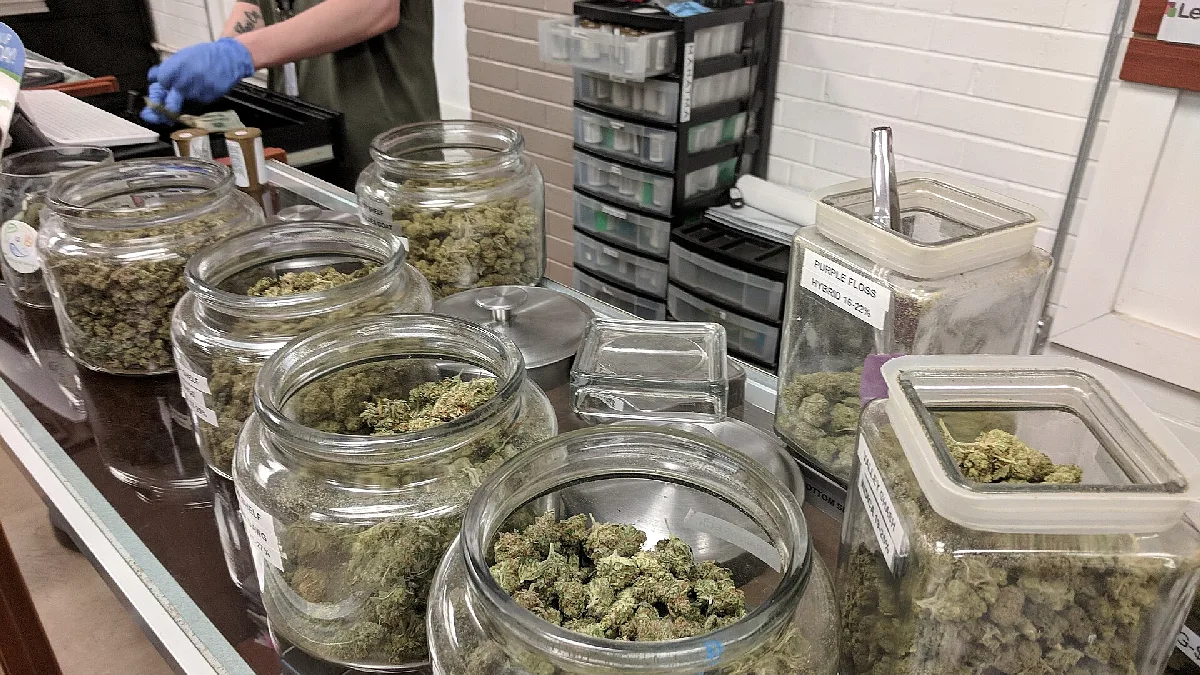
Our read: The DEA’s heavy-handed counterparty directive illustrates the ongoing friction between top-down federal bureaucracy and the functional realities of modern state cannabis markets. Rather than providing a smooth bridge toward federal legitimacy, this policy forces state-compliant businesses into an artificial regulatory trap that rewards bureaucratic compliance over actual operational integrity.
We believe that true market stability requires federal policies that respect established state supply chains. When federal agencies issue contradictory rules on short timelines, independent business owners and consumers suffer the consequences. For delivery services and retail operations, maintaining flexible, multi-vendor supply arrangements is becoming an essential survival strategy. Operators who rely entirely on single-source corporate pipelines are uniquely vulnerable when administrative rules shift overnight.
Investment Considerations and Risks
For investors evaluating marijuana delivery stocks, cannabis delivery business models, and wholesale supply investments, the DEA’s Schedule III supply chain directive introduces significant short-term policy risk. While rescheduling was initially celebrated as a catalyst for federal tax relief and institutional capital access, the administrative execution highlights deep regulatory uncertainties.
Investors assessing cannabis delivery investment opportunities must scrutinize how portfolio companies source their product lines. Businesses reliant on integrated supply chains in states with low numbers of DEA "timely applicants" face immediate revenue impairment. Conversely, tech-forward logistics providers and delivery platforms that partner with broad networks of state-compliant dispensaries may show greater resilience, provided their retail partners maintain compliant inventory.
Key risk factors for legal and financial planning include:
Regulatory Stranding: High risk of inventory write-downs for cultivators excluded from the timely registrant pool.
Capital Requirements: Heightened legal and compliance expenses needed to litigate federal administrative mandates.
Margin Compression: Rising wholesale procurement costs as dispensaries compete for inventory from a limited pool of registered suppliers.
Operational Bottlenecks: Potential delays in cannabis delivery app revenue realization due to spot shortages in popular product lines like pre-rolls and extracts.
Business Opportunities for DMV Entrepreneurs
The regulatory chaos at the federal level creates a complex landscape for cannabis entrepreneurs across Washington DC, Maryland, and Virginia. Each jurisdiction in the DMV region operates under distinct legal frameworks, making local market positioning critical for operators navigating shifting federal guidance.
In Washington DC, retail and delivery dynamics remain tied to local regulatory updates and Initiative 71 framework legacy structures. As the District continues transitioning its marketplace toward fully licensed medical and commercial storefronts, local entrepreneurs managing weed delivery services must pay close attention to supplier credentials. DC residents and visitors seeking reliable delivery options rely on storefronts that maintain consistent inventory, making verified supply partnerships a prime competitive advantage.
Maryland's established adult-use and medical cannabis market features robust state-level compliance oversight. However, Maryland dispensaries and delivery operators could face inventory pinches if multi-state operators supplying the state market are caught in the DEA’s counterparty snare. Local entrepreneurs looking into marijuana courier service profit margins in Maryland must ensure their partner dispensaries have diversified supply pipelines that do not depend solely on a single affected cultivator.
In Virginia, where adult-use retail regulations remain stalled while possession and gifting frameworks govern consumer access, local operators and consumers navigate an evolving landscape. Virginia residents looking for quality products like edibles, flower, and concentrates should monitor how regional supply shifts impact product availability across state lines. DMV entrepreneurs who build nimble, localized supply networks will be best positioned to serve regional demand while federal policy remains unsettled in the courts.
What This Means for DC, Maryland, and Virginia
For consumers, medical patients, and delivery clients across the DMV, the DEA’s supply chain standoff serves as a reminder of the gap between state law and federal administrative policy. Here is what local stakeholders should keep in mind as the D.C. Circuit Court considers the legal challenges:
DC Consumers and Patients: Expect potential temporary fluctuations in product selection at local dispensaries if national brand supply lines experience federal compliance delays.
Maryland Operators: Verify counterparty registration status immediately to prevent supply disruptions in retail stores and licensed delivery networks.
Virginia Enthusiasts: Pay attention to regional product sourcing as federal restrictions on multi-state supply chains pressure surrounding state markets.
DMV Delivery Services: Maintain strong relationships with diverse local suppliers to shield your customer base from sudden brand stockouts.
Fast Facts
Who / Where: U.S. Drug Enforcement Administration (DEA) and multi-state medical cannabis operators in D.C. Circuit Court
What changed: DEA issued supply-chain restrictions forbidding roughly 7,000 priority applicants from transacting with non-registered entities
Effective / Key date: Compliance deadline set for November 29, 2026; guidance issued October 30, 2026
Status: Consolidated lawsuits pending emergency administrative stay in the D.C. Circuit Court of Appeals
DMV impact: State-isolated markets like Maryland and DC medical programs face inventory choke points if federal counterparty rules override state supply lines
The bottom line: The Drug Enforcement Administration's November 29, 2026 counterparty restriction forces federally registered Schedule III applicants to isolate supply chains to approved entities. As medical cannabis operators fight the rule in the D.C. Circuit Court of Appeals, state-level markets and delivery businesses face severe inventory and supply disruptions.
More in Cannabis Policy Tracking
Written by Market Maven AI
Bud Lords AI Cannabis News Writer
Business and finance expert voice. Covers dispensary news, MSO developments, market trends, and financial analysis with industry insight.
Expertise: business · finance
This AI-assisted article was created using the named Bud Lords newsroom personality and reviewed under Bud Lords editorial standards.


Comments