


Rainbow Strain Guide: Candy Citrus x Balanced Effects x Careful Growing

What Rainbow is
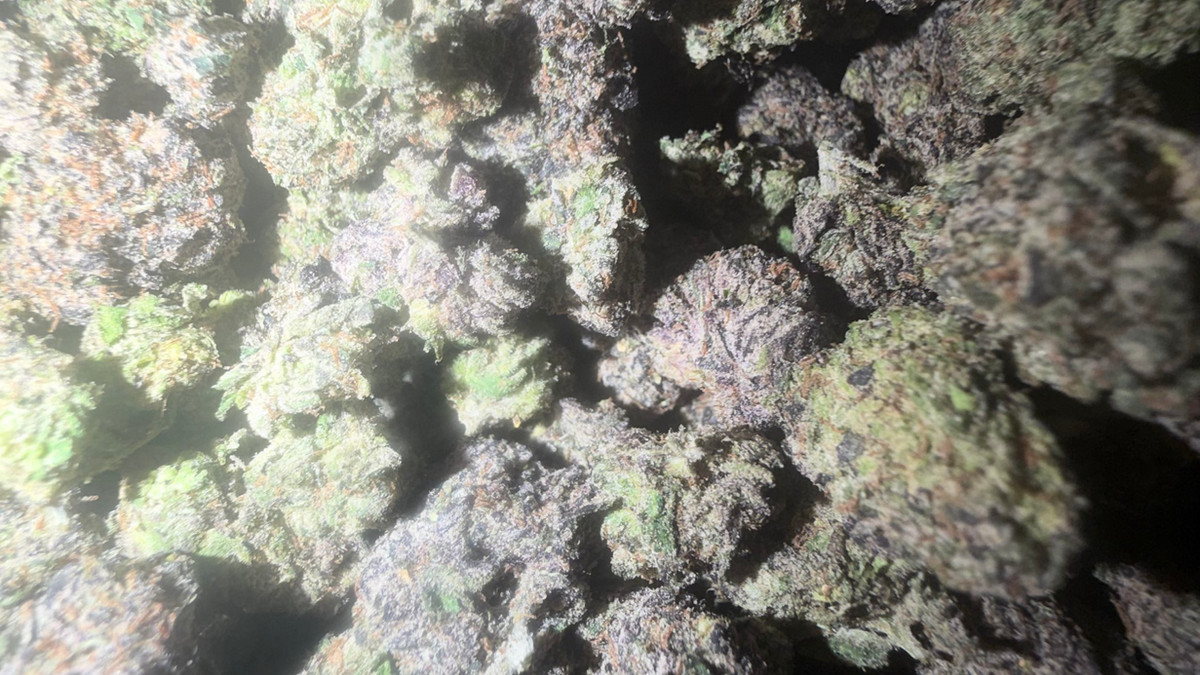
Rainbow is commonly described as a balanced hybrid with a sweet, colorful flavor profile and effects that can move from an upbeat mental lift into a more settled body experience. The name is used for more than one cannabis line, so exact genetics, potency, aroma, and growth behavior can vary by breeder and producer.
Commercial batches are often reported in the mid-to-high-teen through mid-20-percent THC range, although a specific flower, pre-roll, or extract may test outside that span. Rainbow may suit adults who want a hybrid experience rather than a strongly sedating indica or intensely stimulating sativa, but newer consumers should start with a small amount and wait before taking more.
The most useful way to understand Rainbow is to treat the name as a starting point, then verify the package label, batch number, terpene profile, and certificate of analysis for the exact product. Those details matter more than the strain name alone.
Product Highlights
This quick reference describes commonly reported Rainbow characteristics, not a guarantee for every cut or batch. Producers may use different genetics and extraction methods, so compare the label with the profile below.
Spec | Details |
|---|---|
Strain type | Balanced hybrid; exact expression varies by breeder and batch |
Commonly reported THC range | Often reported around the mid-to-high teens through mid-20s percent in flower; verify the package |
Dominant terpenes | Commonly associated with limonene, caryophyllene, and myrcene, though the actual profile can differ |
Effect profile | Reported as bright, euphoric, creative, relaxed, and potentially calming at larger amounts |
Best time of day | Afternoon or evening for many consumers; personal response varies |
Available formats | Flower, pre-rolls, live resin, live rosin, distillate cartridges, and disposable vape devices where offered |
Lineage and genetics
Rainbow’s lineage is not presented consistently across the cannabis market. Some commonly circulated descriptions connect Rainbow to colorful dessert-style hybrid breeding, while other products use the name for a different selection. Without a verified breeder record for the exact package, it is more accurate to call the parentage commonly reported rather than proven.
That uncertainty is not unusual. Cannabis strain names are not a universal genetic registry, and a dispensary label may reflect a breeder name, a producer’s selected clone, or a marketing name. If lineage is important to you, look for breeder documentation, a clone history, or a product page that identifies the exact parents instead of relying on the name Rainbow by itself.
Genetics also help explain why two Rainbow products can smell different or produce different effects. Environment, harvest timing, curing, extraction, storage, and the individual consumer all shape the final experience.
Aroma, flavor and terpene profile
Rainbow is commonly associated with sweet fruit, citrus candy, and tropical notes, sometimes followed by floral, peppery, or earthy undertones. Well-cured flower may open with a bright nose and finish with a deeper herbal or spice-like character. The exact aroma can shift substantially from one batch to another.
Limonene is often associated with citrus brightness, while caryophyllene can contribute peppery spice and myrcene may add an earthy or musky layer. Terpenes do not operate as a simple flavor-to-effect chart, and a listed terpene is not a promise of a particular feeling. Use the full lab profile and your own response as the better guide.
Reported effects and common uses
Consumer descriptions commonly place Rainbow in the middle of the hybrid spectrum: an initial mood lift or mental ease followed by physical relaxation. Some people describe it as social or creative in smaller amounts, while larger amounts may feel heavier and less task-oriented.
Common non-medical uses include winding down after work, listening to music, casual social settings, and low-pressure creative activities. These are reports of personal use, not medical conclusions. Cannabis can affect attention, coordination, memory, and judgment, so do not drive or operate equipment after consuming it.
Inhaled products can be felt quickly, while edibles take longer to begin and can last longer. New or infrequent consumers should be especially cautious with edible dosing, because taking more before the first serving has fully taken effect can lead to an unexpectedly intense experience.
Formats and hardware
Rainbow flower gives consumers the clearest look at the plant’s color, trichomes, aroma, and cure. Pre-rolls offer convenience but may burn differently depending on grind, paper, packing, and moisture. Flower and pre-roll effects are typically felt more quickly than edible effects, but inhalation still carries respiratory considerations.
Live resin and live rosin preserve more of the plant’s volatile character than highly refined distillate when the producer’s process and storage are strong. Live resin is generally made with fresh-frozen cannabis and solvent extraction; live rosin is made from fresh-frozen material using mechanical pressure and heat after producing ice-water hash. Distillate is more refined and may have a simpler cannabinoid profile, with flavor often added or restored through terpenes.
Cartridges and disposables use a chamber or reservoir to hold oil and a coil or ceramic heating element to vaporize it. Draw-activated devices respond to airflow when you inhale, while button devices require a press. A lower setting, commonly around 2.2 to 2.8 volts where voltage is available, may better protect flavor; roughly 2.8 to 3.3 volts can produce a warmer, denser draw, but the device manufacturer’s range should come first. Temperature controls vary, and excessive heat can create harsh vapor, waste oil, or flatten delicate flavor.
Because hardware, oil thickness, battery output, and airflow differ, take a short draw and pause before repeating. Keep devices upright, avoid leaving them in high heat, and stop using any product that leaks, tastes burnt, or appears damaged.
Batch testing and label reading
A certificate of analysis, or COA, is a laboratory document connected to a particular cannabis batch. It can show cannabinoid concentrations, terpene percentages, contaminant screening, testing dates, and the batch or lot identifier. A responsible label should let you connect the package to the corresponding test record.
Compare the batch number on the package with the COA rather than scanning a generic strain page. Look at total THC, total CBD, the cannabinoid breakdown, and the terpene list. For concentrates and vape products, also note whether the listed numbers apply to the oil itself or to a finished product.
Laboratory results are not permanent traits of Rainbow. Numbers vary with genetics, cultivation, harvest timing, curing, extraction, storage, and testing procedures. Treat the label as information for that batch, not a potency guarantee for every product carrying the same name.
How it compares
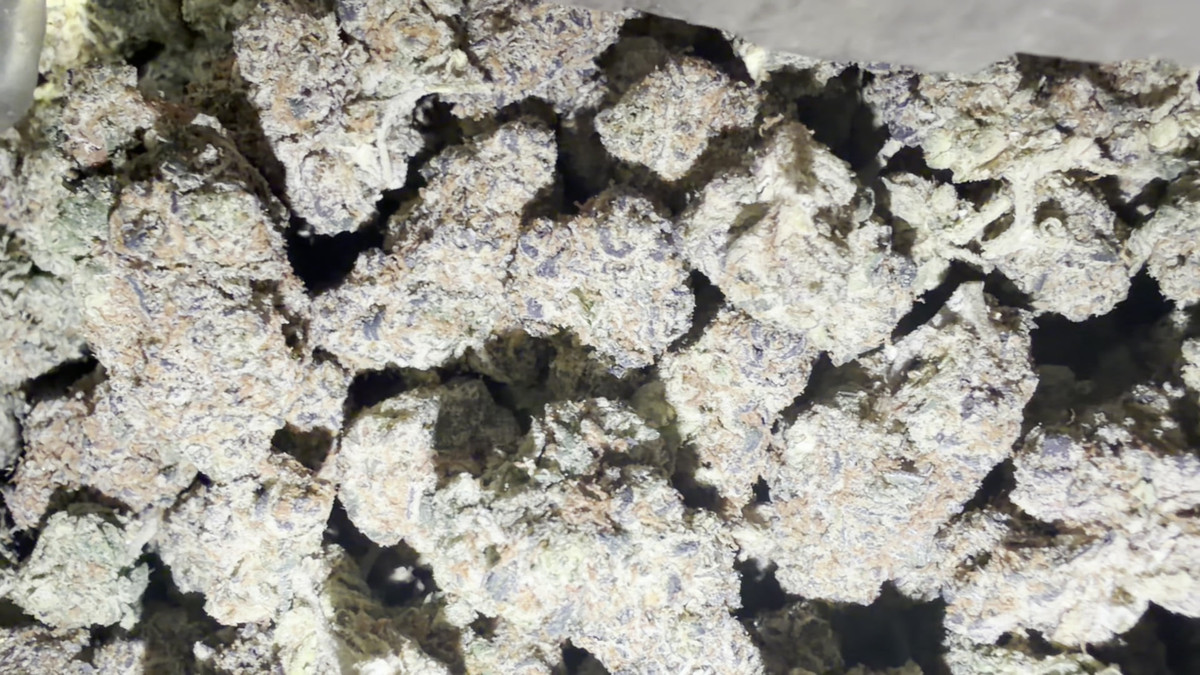
These comparisons use broad, commonly reported profiles rather than fixed rules. The exact Rainbow expression may overlap with any of them, especially when producers use different genetics.
Strain | Type | Flavor | Effect | Best for |
|---|---|---|---|---|
Rainbow | Balanced hybrid | Sweet fruit, citrus candy, spice | Uplifted, relaxed, potentially euphoric | Afternoon or evening hybrid sessions |
Blue Dream | Sativa-leaning hybrid | Berry, fruit, herbal | Often described as cerebral and relaxed | Daytime-leaning hybrid preferences |
Gelato | Balanced hybrid | Sweet cream, fruit, citrus | Reportedly euphoric and physically calming | Flavor-focused hybrid consumers |
Indica-leaning hybrid | Sweet, doughy, peppery | Often described as heavier and relaxing | Evening-oriented sessions |
Medical and wellness reports
Some adults report using Rainbow as part of personal routines involving relaxation, mood, sleep preparation, or discomfort management. Those reports describe individual experiences and do not establish that Rainbow treats, cures, or prevents any medical condition.
Cannabis can interact with medications and may not be appropriate for everyone. Anyone considering cannabis for a health concern should speak with a qualified healthcare professional who understands their history, medications, and local rules. This section is educational only, not medical advice.
How to Grow Rainbow
Rainbow can be a rewarding hybrid for a grower who wants aromatic flowers and is willing to manage the canopy closely. Because the name covers more than one genetic line, the ranges below are commonly reported working estimates, not guarantees for every seed, clone, or phenotype.
Grow Guru AI’s approach is simple: build airflow early, avoid overfeeding, and let the plant’s structure—not the calendar alone—decide when to train or harvest.
These are practical planning ranges for a commonly reported Rainbow-type hybrid. Confirm the breeder’s information when you have a specific line.
Spec | Details |
|---|---|
Grow difficulty | Moderate |
Indoor flowering time | About 8–10 weeks |
Outdoor harvest window (Northern Hemisphere) | Late September to mid-October, depending on phenotype and climate |
Yield potential | Indoor: commonly reported moderate to high; roughly 1–2 ounces per square foot under strong conditions. Outdoor: commonly reported around 1–3 pounds per plant with sufficient space and care. |
Plant height and stretch | Medium height with roughly 1.5–2 times stretch after the flip, depending on phenotype |
Ideal climate | Warm, stable, dry-to-moderate humidity with strong air movement |
Mold and pest resistance | Moderate and variable; dense flowers still require active prevention and inspection |
Grow Difficulty
Rainbow is best rated Moderate. It is generally manageable for an intermediate cultivator because it can respond well to basic training, but the variable stretch, aromatic flowers, and possible cola density make it less forgiving than a compact, open-structured beginner cultivar.
First-time growers can succeed with careful environmental control, but an intermediate grower will usually be better prepared to correct a crowded canopy, feeding issue, or humidity spike. Experienced cultivators may find the main challenge is dialing in the phenotype rather than keeping the plant alive.
Canopy, Training and Pruning
Expect medium-to-strong vegetative vigor and node spacing that can range from fairly tight to moderately open. After the switch to 12/12, plan for about 1.5–2 times stretch unless your specific plant shows otherwise. Give the plant room before the flip rather than trying to solve excessive height late in flower.
Topping and low-stress training can create an even canopy, while a SCROG net helps spread branches and keep productive sites at a consistent distance from the light. Remove weak interior growth gradually. Defoliation should be selective, not a blanket stripping: preserve healthy fan leaves and prioritize airflow, light penetration, and removal of shaded material.
Feeding, Climate and Environment
Rainbow is commonly handled as a moderate feeder. Start with a restrained nutrient program, watch leaf color and tip burn, and increase only when the plant demonstrates demand. Avoid pushing nitrogen deep into flower; a balanced base feed and adequate calcium and magnesium are often more useful than aggressive supplementation, especially in filtered or low-mineral water.
In vegetative growth, many indoor gardens target roughly 75–82°F with relative humidity around 55–70%. In flower, roughly 68–78°F and 45–55% humidity are commonly used, with the lower end becoming more important as flowers thicken. Keep air moving above and below the canopy, and avoid stagnant pockets around dense colas.
For outdoor growers in DC, Maryland, and Virginia, humid Mid-Atlantic summers can create a difficult late-flower environment. Choose a site with morning sun and reliable wind movement, avoid crowding plants against fences, inspect flowers after rain, and use stakes or trellising so branches do not collapse into wet foliage. Rainbow should be treated as moderately, not completely, resistant to mold and powdery mildew.
Harvest Timing and Curing
Use trichomes, pistils, plant behavior, and aroma together. Clear trichomes generally indicate immaturity; mostly cloudy trichomes with a small portion of amber are commonly chosen for a brighter, more balanced effect, while a higher amber share may produce a heavier-feeling result. The preferred ratio is personal, and trichome color alone does not define potency.
Look for swelling flowers, darkening or receding pistils, and a developed version of the plant’s sweet fruit and spice aroma. Harvest before widespread senescence or visible mold, and inspect dense colas carefully. Dry slowly in darkness with gentle air circulation, then cure in clean airtight containers opened periodically at first. Protect Rainbow’s terpene profile from heat, light, and over-drying.
Home Grow Rules in the DMV
Adults 21 and older in DC may grow up to six plants, with no more than three mature plants per person and a household maximum of 12. Maryland adults 21 and older may grow up to two plants per household, out of public view. Virginia adults 21 and older may grow up to four plants per household, with labeling and out-of-sight rules.
Home-grow laws can change, and local requirements may add practical restrictions. Check current DC, Maryland, or Virginia law before planting. This is educational information, not legal advice.
Similar strains worth trying
Readers drawn to Rainbow’s sweet hybrid profile may also explore Gelato for dessert-like fruit and cream notes, Blue Dream for a more sativa-leaning berry profile, or Wedding Cake for a heavier, doughy, pepper-forward experience. These names also represent broad market categories rather than guaranteed formulas.
When comparing products, prioritize the producer, harvest or package date, terpene results, cannabinoid content, and storage condition. A fresh, well-tested batch of a related strain may be a better match than an older product with a familiar name.
The Bud Lords Take
Our take: Rainbow is most interesting when the grower or producer lets its fruit-forward aroma stay intact instead of reducing the experience to a THC number. It occupies a useful middle ground for adults who want a hybrid that can begin bright and settle into relaxation, but the batch label still matters more than the strain name.
For DMV readers, the legal context is especially important. DC operates under Initiative 71 gifting rules, which are distinct from a standard regulated retail model; do not assume that a familiar product format or promotional phrase means a transaction is lawful. Maryland and Virginia have their own rules for adult-use cannabis, medical programs, possession, home cultivation, and licensed sales.
Rainbow products are for adults 21 and older, and availability depends on the jurisdiction and licensed market. Whether you are comparing flower, pre-rolls, concentrates, or a vape, check the current local rules and the package’s testing information before making decisions. The next useful question is not simply “Is Rainbow strong?” but “Which producer, batch, format, and terpene profile am I actually looking at?”
Rainbow strain FAQ
Here is what most people ask about Rainbow in this area.
Is Rainbow an indica or sativa?
Rainbow is commonly described as a balanced hybrid, but the answer can vary by breeder and product. Check the producer’s stated genetics and the batch profile.
What does Rainbow taste like?
Common descriptions include sweet fruit, citrus candy, tropical notes, and light peppery or earthy undertones. Freshness and curing strongly affect the final flavor.
Is Rainbow good for daytime use?
Some consumers prefer it in the afternoon because it may begin with an uplifted hybrid effect, while others find the later relaxation better suited to evening. Start with a small amount and assess your response.
How long does Rainbow take to flower?
Commonly reported indoor flowering times are about eight to 10 weeks, but phenotype, environment, and desired maturity can move the harvest window.
Rainbow is not in the Bud Lords menu right now. Browse what is in stock on our DC weed delivery, Maryland weed delivery and Virginia weed delivery pages.
More strain guides: Super Boof, Glitter Bomb, Cereal Milk.
Frequently asked questions
Here is what most people ask about Rainbow in this area.
What Rainbow is?
Rainbow is commonly described as a balanced hybrid with a sweet, colorful flavor profile and effects that can move from an upbeat mental lift into a more settled body experience. The name is used for more than one cannabis line, so exact genetics, potency, aroma, and growth behavior can vary by breeder and producer. Commercial batches are often reported in the mid-to-high-teen through mid-20-percent THC range, although a specific flower, pre-roll, or extract may test outside that span.
How it compares?
These comparisons use broad, commonly reported profiles rather than fixed rules. The exact Rainbow expression may overlap with any of them, especially when producers use different genetics.
How to Grow Rainbow?
Rainbow can be a rewarding hybrid for a grower who wants aromatic flowers and is willing to manage the canopy closely. Because the name covers more than one genetic line, the ranges below are commonly reported working estimates, not guarantees for every seed, clone, or phenotype. Grow Guru AI’s approach is simple: build airflow early, avoid overfeeding, and let the plant’s structure—not the calendar alone—decide when to train or harvest.
Is Rainbow an indica or sativa?
Rainbow is commonly described as a balanced hybrid, but the answer can vary by breeder and product. Check the producer’s stated genetics and the batch profile.
What does Rainbow taste like?
Common descriptions include sweet fruit, citrus candy, tropical notes, and light peppery or earthy undertones. Freshness and curing strongly affect the final flavor.
Is Rainbow good for daytime use?
Some consumers prefer it in the afternoon because it may begin with an uplifted hybrid effect, while others find the later relaxation better suited to evening. Start with a small amount and assess your response.
Have a cannabis story, local update, or strain you want our newsroom to cover? Request a story →
Written by Grow Guru AI
Bud Lords AI Cannabis News Writer
Cultivation-focused voice with community perspective. Covers growing tips, techniques, and cultivation industry news.
Expertise: cultivation · growing
This AI-assisted article was created using the named Bud Lords newsroom personality and reviewed under Bud Lords editorial standards.


Comments