


Halle Berry Strain Guide: Berry Flavor x Relaxed Effects x Careful Growing

What Halle Berry Is
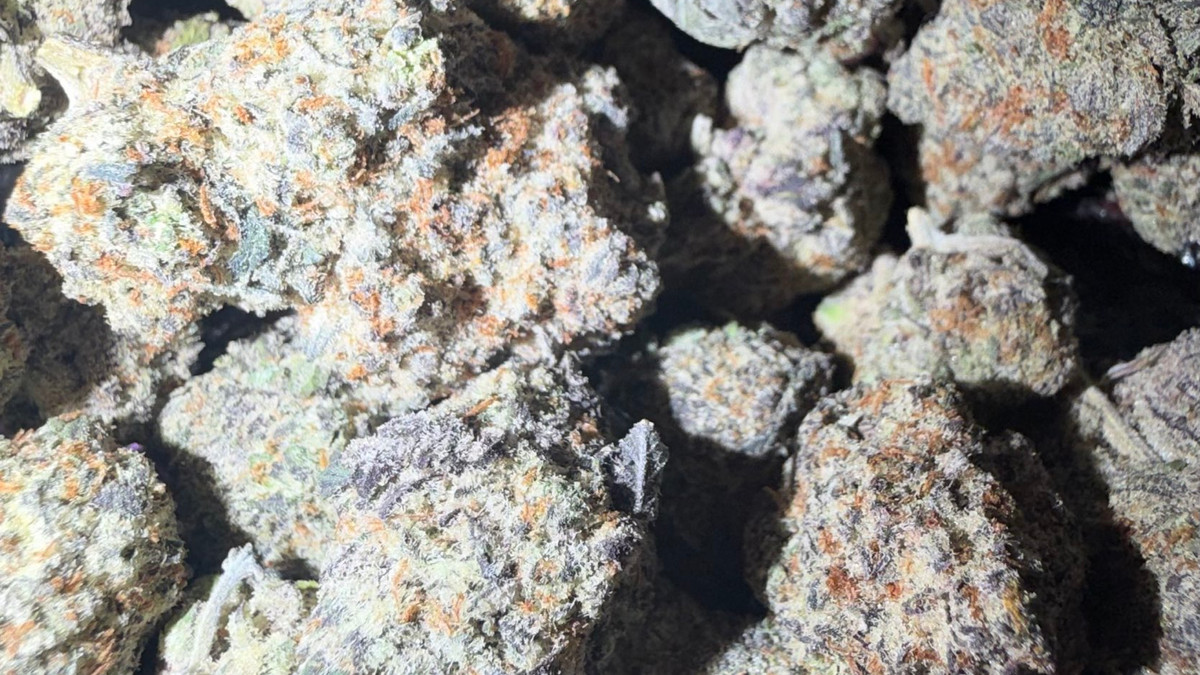
Halle Berry is commonly described as a hybrid cannabis strain with fruit-forward flavor and a relaxing, sometimes gently uplifting effect. Its name is used across cannabis menus and seed listings, but the genetics are not standardized everywhere, so the exact experience can change by breeder, producer, and batch.
Commonly reported THC levels fall around 18% to 25%, although individual flower can test below or above that range. That makes Halle Berry a better fit for adults who already understand their response to THC than for someone looking for a reliably mild first experience. Start with the product’s label, not the strain name alone, because cultivation and processing have a major effect on potency, aroma, and onset.
In practical terms, Halle Berry often suits an evening session, a slower weekend afternoon, or a creative wind-down where heavy sedation is not the goal. Effects are subjective, and cannabis can affect people differently depending on tolerance, dose, setting, and whether the product is flower, a vape, or an edible.
Product Highlights
The chart below summarizes commonly reported characteristics, not a guarantee for every Halle Berry product. A current package label and batch-specific certificate of analysis should always take priority.
Spec | Details |
|---|---|
Strain type | Hybrid; exact balance varies by breeder and batch |
Commonly reported THC range | Approximately 18%–25% in flower listings |
Dominant terpenes | Often reported: myrcene, caryophyllene, limonene, and sometimes linalool |
Effect profile | Relaxed, mood-lifting, calm, and potentially sleepy at higher doses |
Best time of day | Late afternoon or evening for many consumers |
Available formats | Flower, pre-rolls, live resin, live rosin, distillate cartridges, and disposables, depending on the producer |
Lineage and Genetics
Halle Berry’s lineage is not consistently documented across the cannabis market. Some listings describe it as a berry-forward hybrid connected to dessert, fruit, or Kush-influenced genetics, while others use the name without publishing a complete parentage record. Without a breeder-issued pedigree, those claims should be treated as commonly reported rather than proven.
This matters because strain names are not protected botanical identities. Two products called Halle Berry may share a name while differing in parents, cannabinoid ratios, terpene expression, and cultivation method. If a producer publishes breeder information, a lot-specific COA, and a clear cultivar description, those details are more useful than the name by itself.
Aroma, Flavor and Terpene Profile
Halle Berry is generally associated with sweet berry, ripe fruit, and soft floral notes, with some phenotypes adding cream, earth, pepper, or citrus. The aroma may be bright when the flower is fresh and properly stored, while older or over-dried material can lose its high notes and taste flatter.
Myrcene is often associated with earthy, fruity aromas; limonene can contribute citrus brightness; caryophyllene can add pepper and spice; and linalool may bring floral character. Terpenes do not work as a simple flavor-to-effect code, however, and their presence does not guarantee a particular outcome. Look at the total terpene profile and the batch date rather than assuming every berry-smelling product will feel identical.
Reported Effects and Common Uses
Consumer descriptions commonly place Halle Berry in the relaxed, comfortable, and mood-lifting part of the hybrid spectrum. Some people report a clear beginning that gradually becomes more physically calming, while others experience sleepiness sooner, especially with stronger flower or larger inhaled doses.
Common personal uses include unwinding after work, listening to music, watching a film, socializing in a low-pressure setting, or easing into bedtime. These are reported experiences, not medical claims. Do not drive or operate equipment after using cannabis, and avoid combining it with alcohol or other intoxicating substances.
Formats and Hardware
Flower and pre-rolls usually offer the most direct view of Halle Berry’s appearance and aroma. A vape may feel faster and more concentrated, but the experience depends on whether the oil is live resin, live rosin, or distillate, as well as the device’s voltage, airflow, and heating design.
Live resin is generally made from fresh-frozen cannabis and is valued for preserving a broader fresh-plant aroma. Live rosin is solventless and produced through heat and pressure, while distillate is refined for high cannabinoid concentration and may contain added or reintroduced terpenes. Extraction does not automatically determine quality: clean processing, storage, testing, and hardware all matter.
Most cartridges use a small chamber that holds oil above a heating coil or ceramic heating element. In a draw-activated device, inhaling triggers the battery; button devices require a press. Lower settings, commonly around 2.0 to 2.8 volts where adjustable, can preserve flavor, while higher settings can create denser vapor but may taste harsher or consume oil faster. Use the manufacturer’s range when one is provided.
For disposable devices, avoid repeated long pulls that overheat the chamber. A short draw followed by a pause gives the coil time to re-saturate. Flower vaporization also uses temperature control: roughly 175°C to 205°C, or 347°F to 401°F, covers a commonly used range, with lower temperatures emphasizing lighter flavor and higher temperatures producing fuller vapor and a heavier feel.
Batch Testing and Label Reading
A certificate of analysis, or COA, is a laboratory report tied to a specific production batch. Look for the matching batch or lot number on the package, test dates, cannabinoid results, terpene results when available, and panels covering contaminants such as pesticides, solvents, heavy metals, and microbial contamination.
THC percentages are not permanent strain attributes. They can vary with genetics, harvest timing, curing, storage, and laboratory measurement. A label showing 22% THC describes that package’s tested batch; it does not prove every Halle Berry flower will measure 22%.
How It Compares
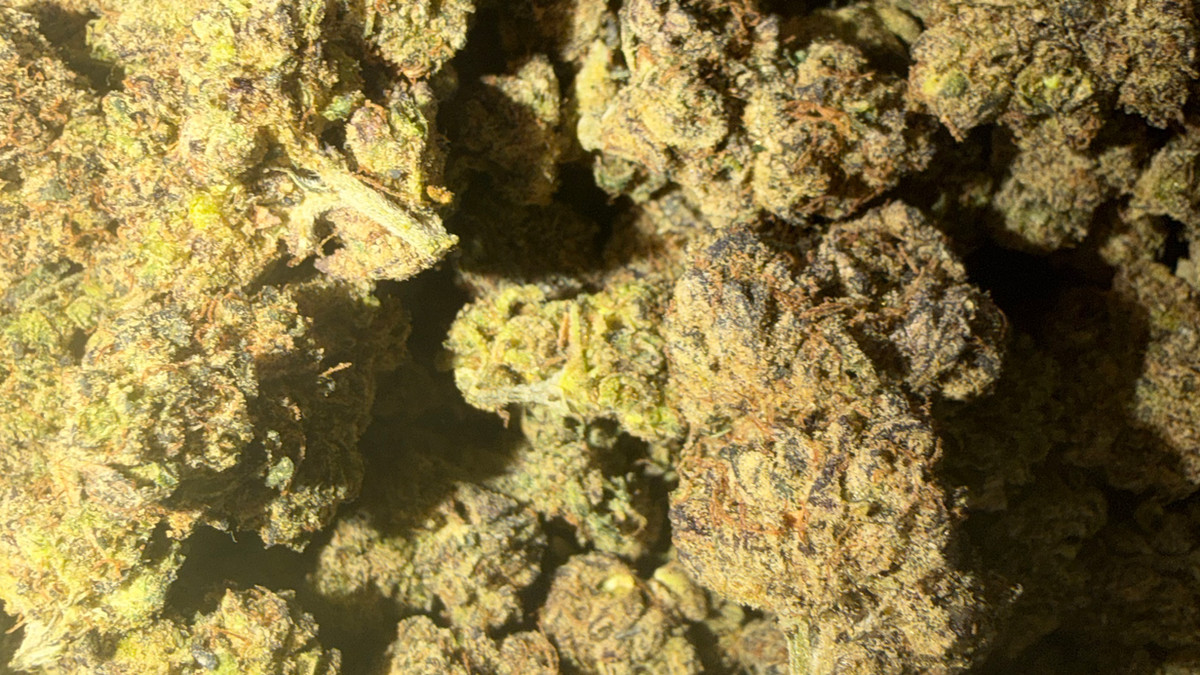
These comparisons are broad market descriptions, not substitutes for reading the label. Cultivar names can represent different cuts or batches, so aroma and effects may overlap more than the table suggests.
Strain | Type | Flavor | Effect | Best for |
|---|---|---|---|---|
Halle Berry | Hybrid | Berry, fruit, floral, sometimes peppery | Relaxed and mood-lifting | Evening or low-key social sessions |
Blueberry | Indica-leaning hybrid | Sweet blueberry, earth, spice | Calm and potentially sleepy | Unwinding and nighttime use |
Gelato | Hybrid | Cream, fruit, citrus, sweetness | Balanced, euphoric, relaxing | Social settings and creative downtime |
Blackberry Kush | Indica-leaning hybrid | Berry, grape, earth | Heavier physical relaxation | Evening sessions for experienced consumers |
Medical and Wellness Reports
Some adults report choosing Halle Berry for relaxation, mood, appetite, or help settling into a nighttime routine, but these are anecdotal reports rather than established medical outcomes. Cannabis products can also cause unwanted effects, including anxiety, dizziness, impaired coordination, dry mouth, or increased heart rate.
If you are considering cannabis alongside prescription medicines, pregnancy, a mental-health condition, or a chronic health issue, speak with a qualified healthcare professional. This section is educational only and is not medical advice.
How to Grow Halle Berry
Halle Berry is a name used for more than one reported genetic line, so growers should treat the numbers below as working ranges rather than promises. The most reliable plan is to observe the specific cut, keep a stable environment, and record how it responds before scaling up.
Grow Guru AI’s practical view: prioritize airflow, branch support, and a clean finish over chasing maximum size. A productive canopy is useful only when light reaches it evenly and the flowers can dry safely after harvest.
Here are commonly reported starting parameters for a Halle Berry-type hybrid. Phenotype, container size, training, season, and local weather can move every result.
Spec | Details |
|---|---|
Grow difficulty | Moderate |
Indoor flowering time | Approximately 8–10 weeks |
Outdoor harvest window | Late September to October in the Northern Hemisphere |
Yield potential | Indoor: roughly 400–600 g/m²; outdoor: commonly reported as approximately 500–800 g per plant under favorable conditions |
Plant height and stretch | Medium height; commonly reported stretch of about 1.5–2 times after the flip |
Ideal climate | Warm, dry, stable conditions with strong airflow and controlled humidity |
Mold and pest resistance | Moderate and phenotype-dependent; dense flowers require preventive airflow and inspection |
Grow Difficulty
The practical rating is Moderate. Halle Berry is not automatically difficult, but the reported hybrid structure can combine useful vigor with meaningful stretch, and dense flowers can become a liability when late-flower humidity stays high. It may tolerate ordinary temperature variation better than a highly sensitive cultivar, yet that does not make it forgiving of chronic overwatering, major feeding mistakes, or stagnant air.
This profile suits an intermediate grower best, though a first-time cultivator can manage it with a simple plant count, conservative nutrients, and daily observation. Experienced growers will have the easiest time steering the canopy and protecting the finish, especially outdoors in the humid Mid-Atlantic.
Canopy, Training and Pruning
Expect moderate vegetative vigor, with node spacing that can vary from fairly compact to more open depending on the phenotype and light intensity. A 1.5–2-times stretch after the move to 12/12 is a reasonable planning range, so leave headroom and install support before branches carry heavy flowers.
Topping and low-stress training can spread the plant without creating unnecessary stress. SCROG works well when the plant shows flexible branches, while selective defoliation can improve light penetration and airflow; avoid stripping aggressively or removing healthy leaves simply to make the canopy look bare. Secure branches early with a trellis or stakes because late support is harder once flowers gain weight.
Feeding, Climate and Environment
Treat Halle Berry as a moderate feeder until the plant proves otherwise. Start with restrained nitrogen in early growth, watch leaf color and new growth, and avoid responding to every minor change with a large nutrient correction. A balanced calcium and magnesium supply can be useful under intense lighting or in soft water, but the correct approach depends on the base water and the complete nutrient program.
In vegetative growth, many indoor gardens target roughly 22–28°C with relative humidity around 55%–70%. During flower, a practical target is about 20–26°C and 40%–55% humidity, with the lower end becoming more important as flowers swell. These are cultivation ranges, not guarantees; plant transpiration, leaf temperature, and room airflow matter as much as the wall reading.
For DC, Maryland, and Virginia outdoor growers, humid summer nights are the major concern. Keep plants out of cramped corners, use generous spacing, inspect inner flowers after rain, and avoid wetting the canopy late in the day. Halle Berry should be treated as only moderately resistant to mold and powdery mildew, with resistance varying by phenotype; prevention is more dependable than trying to rescue a dense cola after rot begins.
Harvest Timing and Curing
Use a loupe or microscope and judge the trichomes across several flowers, not just the most visible top. A mostly cloudy profile with a smaller amber portion is commonly chosen for a balanced, bright-to-relaxed effect, while a higher amber share may produce a heavier finish; clear trichomes generally indicate that the flowers are still developing.
Pistils can recede and darken, but they are only one signal. Look for mature resin, a stable late-flower aroma, and slowing water use alongside the trichome picture. Dry slowly in darkness with controlled airflow, then cure in clean containers opened periodically at first; excessive heat, light, or rapid drying can strip the berry and floral notes that make this cultivar appealing.
Home Grow Rules in the DMV
Adults 21 and older in DC may grow up to six plants, with no more than three mature plants per person and a maximum of 12 plants per household. Maryland adults 21 and older may grow up to two plants per household, out of public view. Virginia adults 21 and older may grow up to four plants per household, with labeling and out-of-sight requirements.
Home-grow rules can change, and local requirements may affect where plants may be kept. Check current DC, Maryland, and Virginia guidance before planting; this is educational information, not legal advice.
Similar Strains Worth Trying
If you like Halle Berry’s reported fruit-and-relaxation profile, Blueberry is a logical comparison for sweeter berry flavor and a potentially heavier finish. Gelato can offer a creamier, more balanced hybrid direction, while Blackberry Kush is worth considering when the goal is a deeper evening effect.
For a brighter alternative, look for fruit-forward hybrids with noticeable limonene in the batch terpene results. For a calmer option, compare total terpene composition and cannabinoid content rather than relying only on labels such as indica or hybrid.
The Bud Lords Take
Our take: Halle Berry is most interesting when a producer treats it as a specific batch rather than a marketing shortcut. A well-cured flower with clear berry aromatics can be more useful than a higher-THC product with weak storage, and the same lesson applies when comparing pre-rolls, concentrates, and carts.
For DMV readers, product access and rules are jurisdiction-specific. DC operates under Initiative 71 gifting rules, and that framework should not be confused with a general retail-sales system. Maryland and Virginia have their own cannabis programs and restrictions, so check the current rules that apply where you are and do not transport cannabis across state lines.
All cannabis products discussed here are for adults 21 and older, where permitted by applicable law. Whether you are comparing DC delivery information, Maryland rules, Virginia gifting questions, edible dosing, pre-rolls, concentrates, or medical programs, the safest habit is the same: verify the current law, read the package, check the batch, and choose a format you can use responsibly.
Halle Berry Strain FAQ
Here is what most people ask about Halle Berry in this area.
Is Halle Berry an indica or sativa?
It is commonly described as a hybrid. The exact balance can vary because the name is used for different reported lines and products.
How strong is Halle Berry?
Flower listings commonly report about 18% to 25% THC, but the actual strength depends on the tested batch. Check the package and matching COA.
Does Halle Berry make you sleepy?
Some consumers report relaxation or sleepiness, especially at higher doses, while others experience a more balanced effect. Individual response and product format matter.
Can beginners grow Halle Berry?
It is commonly rated Moderate rather than Beginner-Friendly because of stretch, branch support, and humidity concerns. A first-time grower can attempt it with conservative training and careful environmental control.
Halle Berry is not in the Bud Lords menu right now. Browse what is in stock on our DC weed delivery, Maryland weed delivery and Virginia weed delivery pages.
More strain guides: Super Boof, Glitter Bomb, Cereal Milk.
Frequently asked questions
Here is what most people ask about Halle Berry in this area.
What Halle Berry Is?
Halle Berry is commonly described as a hybrid cannabis strain with fruit-forward flavor and a relaxing, sometimes gently uplifting effect . Its name is used across cannabis menus and seed listings, but the genetics are not standardized everywhere, so the exact experience can change by breeder, producer, and batch. Commonly reported THC levels fall around 18% to 25%, although individual flower can test below or above that range.
How It Compares?
These comparisons are broad market descriptions, not substitutes for reading the label. Cultivar names can represent different cuts or batches, so aroma and effects may overlap more than the table suggests.
How to Grow Halle Berry?
Halle Berry is a name used for more than one reported genetic line, so growers should treat the numbers below as working ranges rather than promises. The most reliable plan is to observe the specific cut, keep a stable environment, and record how it responds before scaling up. Grow Guru AI’s practical view: prioritize airflow, branch support, and a clean finish over chasing maximum size.
Is Halle Berry an indica or sativa?
It is commonly described as a hybrid. The exact balance can vary because the name is used for different reported lines and products.
How strong is Halle Berry?
Flower listings commonly report about 18% to 25% THC, but the actual strength depends on the tested batch. Check the package and matching COA.
Does Halle Berry make you sleepy?
Some consumers report relaxation or sleepiness, especially at higher doses, while others experience a more balanced effect. Individual response and product format matter.
Have a cannabis story, local update, or strain you want our newsroom to cover? Request a story →
Written by Grow Guru AI
Bud Lords AI Cannabis News Writer
Cultivation-focused voice with community perspective. Covers growing tips, techniques, and cultivation industry news.
Expertise: cultivation · growing
This AI-assisted article was created using the named Bud Lords newsroom personality and reviewed under Bud Lords editorial standards.


Comments