


Chocolate Strain Guide: Cocoa Flavor x Relaxed Effects x Careful Growing

What Chocolate is
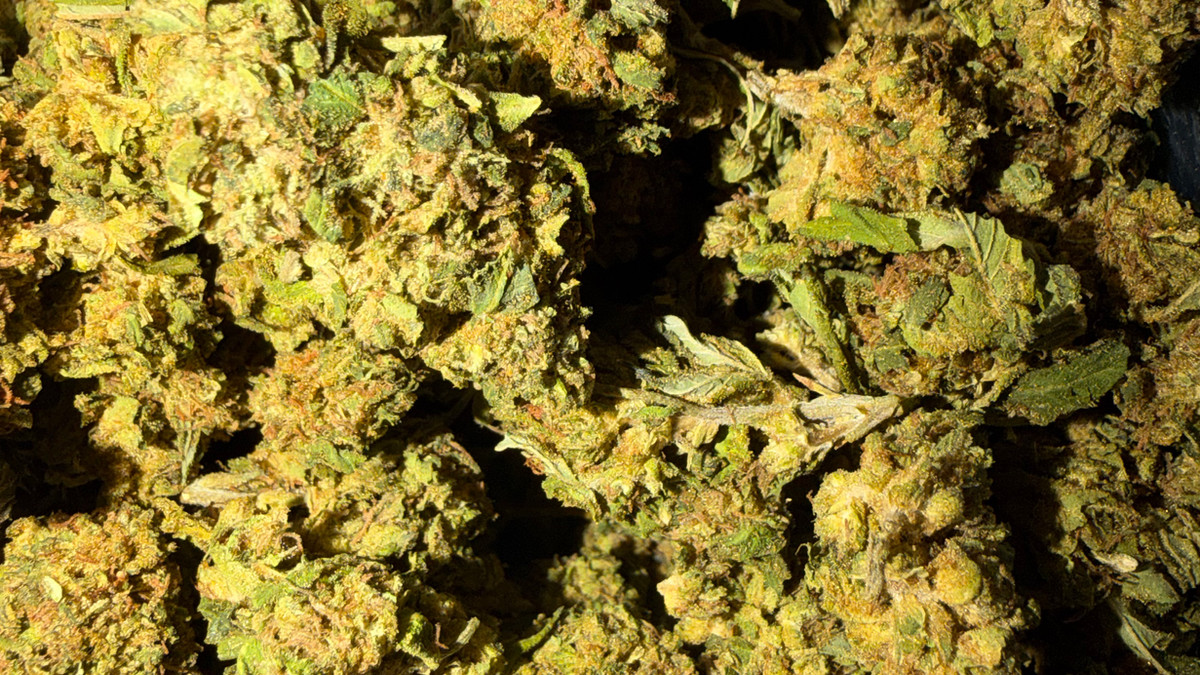
Chocolate is a cannabis strain name used for cultivars associated with cocoa-like flavor, earthy richness, and a generally relaxing experience. The name is not perfectly standardized across breeders or retailers, so genetics and chemistry can differ from one Chocolate-labeled product to another.
It is commonly described as an indica-leaning hybrid, with reported THC often landing in the mid-to-high teens or 20s, though a label and certificate of analysis are more reliable than a strain name. Chocolate may suit adults looking for a slower, evening-leaning profile, while newcomers should approach carefully because potency and individual response vary.
For DMV readers, the useful question is not only whether a product says Chocolate, but also where it was produced, whether it was tested, its cannabinoid and terpene profile, and whether the sale or transfer follows current DC, Maryland, or Virginia rules.
Product Highlights
This quick reference describes commonly reported traits, not a promise about every Chocolate flower, cartridge, or edible. Check the package and batch-specific certificate of analysis before relying on any number.
Spec | Details |
|---|---|
Strain type | Commonly reported indica-leaning hybrid |
Commonly reported THC range | Often mid-to-high teens through the 20s; varies by cultivar and batch |
Dominant terpenes | Commonly reported myrcene, caryophyllene, and limonene; verify by COA |
Effect profile | Relaxing, body-centered, mellow, and sometimes mentally calming |
Best time of day | Late afternoon or evening for many consumers |
Available formats | Flower, pre-rolls, concentrates, live resin, live rosin, distillate carts, disposables, and infused products where available |
Lineage and genetics
Chocolate’s lineage is one of the least consistent parts of the name. Several cannabis lines and breeder selections have used Chocolate, Chocolate Kush, Chocolate Thai, or related naming, and retailers may apply the shorter name to products with different parentage. Without a breeder, seed-bank record, or producer disclosure, a definitive family tree should not be assumed.
Chocolate Thai is often discussed in connection with chocolate-named cannabis because of its historic reputation for spicy, coffee-like, and cocoa-adjacent aromas. Other products may be connected to Kush or dessert-style hybrids. Treat those links as commonly reported possibilities, not proof that every modern Chocolate product descends from the same parents.
The practical takeaway is to separate identity from expression: lineage can explain what a plant might inherit, but the finished flower’s terpene balance, cultivation conditions, harvest timing, curing, and storage determine what reaches the consumer.
Aroma, flavor and terpene profile
Well-cured Chocolate flower is commonly described with notes of cocoa, roasted coffee, earth, spice, wood, and sometimes citrus. The profile can be savory rather than candy-sweet, especially when caryophyllene and earthy terpenes lead the batch.
Myrcene is often associated with herbal, earthy aromas; caryophyllene can bring peppery spice; and limonene may add a brighter citrus edge. Terpenes are not a guarantee of an effect, and the same strain name can smell different when grown, dried, or extracted under different conditions.
For the clearest flavor, look for intact trichomes, a package date that is not unnecessarily old, and storage that protects the flower from heat, light, and excessive dryness. A chocolate aroma should not be confused with a sweetener or flavor additive.
Reported effects and common uses
Consumers commonly describe Chocolate as relaxing, physically soothing, and easier to settle into than a sharply stimulating daytime cultivar. Some report a calm mental state, while others experience sleepiness or reduced motivation at higher doses. Those descriptions are subjective and cannot predict an individual response.
Adults may choose it for evening unwinding, quiet activities, music, or low-key social time. New consumers should begin with a small amount, avoid combining cannabis with alcohol or other intoxicants, and wait long enough to understand the response before taking more. Inhaled products act sooner than edibles, but neither format is risk-free.
Do not drive or operate equipment after using cannabis. Keep products secured away from children and pets, and remember that THC levels, tolerance, medications, metabolism, and setting can all change the experience.
Formats and hardware
Chocolate flower offers the fullest chance to experience the cultivar’s natural aroma, while pre-rolls provide convenience but may include a blend of flower or an infusion depending on the label. Concentrates can be sold as live resin, live rosin, or distillate. Live resin generally preserves volatile compounds through hydrocarbon extraction of freshly frozen material; live rosin uses heat and pressure rather than hydrocarbon solvents; distillate is highly refined and may have terpenes added back.
Those methods change flavor and onset. Live resin and live rosin often taste more plant-specific and layered, while distillate commonly tastes cleaner or more neutral and may feel more direct because it is frequently high in THC. A cartridge or disposable contains a reservoir, a heating chamber, a coil or ceramic heating element, and a mouthpiece. Draw-activated hardware fires when airflow is detected; button-activated devices require a press.
Hardware temperature matters. Lower settings, often roughly 2.5–3.0 volts on adjustable oil batteries, can preserve flavor and produce lighter vapor; higher settings can make larger, harsher draws and may accelerate oil consumption. Device specifications differ, so follow the manufacturer’s instructions, avoid repeated long pulls, and stop using a device that leaks, tastes burnt, or becomes unusually hot.
Batch testing and label reading
A certificate of analysis, or COA, is a laboratory record tied to a particular batch. Match the COA’s batch or lot number to the package rather than relying on a product page or a strain name. A useful COA may list cannabinoids, terpenes, moisture or water activity, contaminants, and testing dates, depending on the jurisdiction and laboratory.
Read THC and CBD percentages as measurements for that batch, not permanent properties of the strain. Flower and concentrate labels can use different reporting conventions, and edible packages require attention to both serving size and total package content. Terpene percentages can help explain aroma, but they do not function as a guaranteed effect chart.
Testing is educational, not a promise of a particular experience. If the batch number is missing, the document cannot be matched, or the product appears damaged, ask the licensed retailer or producer for clarification before using it.
How it compares
These comparisons use commonly reported strain identities and broad consumer descriptions. Actual results depend on the specific cut, batch, dose, and format.
Strain | Type | Flavor | Effect | Best for |
|---|---|---|---|---|
Chocolate | Indica-leaning hybrid | Cocoa, earth, coffee, spice | Relaxed and body-centered | Evening unwinding |
Chocolate Thai | Commonly reported sativa-leaning line | Spice, coffee, herbs, cocoa | More alert or cerebral for some | Daytime exploration, where personally tolerated |
OG Kush | Hybrid | Earth, pine, fuel, citrus | Balanced relaxation and mental lift | Experienced consumers seeking a classic hybrid |
Indica-leaning hybrid | Grape, berry, earth | Heavy, calming, and evening-oriented | Quiet nighttime use |
Medical and wellness reports
Some adults report choosing Chocolate during personal wellness routines involving relaxation, appetite, rest, or stress management. These are consumer reports, not evidence that the strain treats, cures, or prevents a medical condition. A strain label cannot replace individualized medical guidance.
If you use prescription medicines, are pregnant or breastfeeding, have a history of problematic substance use, or are considering cannabis for a health concern, speak with a qualified healthcare professional. Medical cannabis programs in the DMV have their own registration, product, and possession rules, which can differ from adult-use access.
How to Grow Chocolate
Grow Guru AI’s hands-on view: Chocolate can reward a patient cultivator with aromatic, resinous flowers, but the name covers multiple genetic expressions. Use the ranges below as planning guidance, not guarantees, and adjust to the specific seed or clone, local weather, and plant response.
Indoor growers should prioritize canopy control and airflow. Outdoor DMV growers need an early mold plan because humid summers and wet autumn weather can turn dense flowers into a liability quickly.
These are commonly reported cultivation ranges for Chocolate-type plants.
Spec | Details |
|---|---|
Grow difficulty | Moderate |
Indoor flowering time | Approximately 8–10 weeks |
Outdoor harvest window | Commonly late September through October in the Northern Hemisphere |
Yield potential | Indoor: roughly 1–2 ounces per square foot; outdoor: roughly 1–3 pounds per plant under favorable conditions |
Plant height and stretch | Medium to tall; commonly about 1.5–2 times the pre-flip height after 12/12 |
Ideal climate | Warm, stable, well-ventilated conditions with dry flower maturation |
Mold and pest resistance | Moderate and variable; dense flowers require active prevention |
Grow Difficulty
Chocolate is best rated Moderate. It is a reasonable choice for an intermediate grower and can suit a first-time grower who is willing to learn canopy management, but it is not a plant to ignore. Stretch, variable branching, and dense flowers can create uneven light exposure and late-flower humidity pockets.
Some expressions tolerate ordinary temperature swings and modest feeding mistakes, while others show stress from excessive nitrogen, abrupt environmental changes, or intense light. The main failure point is usually not basic vigor; it is allowing a crowded canopy or wet flowers to persist.
Canopy, Training and Pruning
Expect medium-to-strong vegetative growth and moderate node spacing, with stretch commonly appearing after the flip to 12/12. Top once the plant has established several healthy nodes, then use low-stress training to spread branches before flowering. A SCROG net can make the most of the stretch and keep the canopy level.
Chocolate generally responds well to topping and LST when those techniques are introduced early enough for recovery. Remove weak interior growth and selected fan leaves rather than stripping the plant aggressively. Light defoliation around the transition and again after the stretch can improve airflow, but avoid removing so much foliage that development stalls.
Feeding, Climate and Environment
Feed conservatively until the plant demonstrates its appetite. Many Chocolate-type plants perform as moderate feeders: they appreciate balanced nutrition but may show tip burn or overly dark foliage when nitrogen is pushed too hard. Cal-mag needs depend on water source and medium, so correct a documented deficiency rather than adding supplements automatically.
In vegetative growth, many growers target roughly 75–85°F with relative humidity around 55–70%. In flower, approximately 68–80°F and 40–55% humidity is a safer general target, with lower humidity as the flowers become dense. Keep air moving below and through the canopy, and use dehumidification indoors when necessary.
For DC, Maryland, and Virginia outdoor growers, humid Mid-Atlantic summers call for wide spacing, morning watering, selective pruning, and regular inspection after rain. Powdery mildew and bud rot resistance should be treated as moderate at best unless the particular cut has proven otherwise. Never assume a vigorous plant can overcome stagnant air.
Harvest Timing and Curing
Use a loupe or microscope and judge trichomes on the flowers, not only sugar leaves. A clearer, mostly cloudy presentation is often selected for a brighter effect; more amber mixed with cloudy heads is commonly chosen for a heavier, more settled expression. There is no universal ideal ratio, and harvest timing also depends on aroma, flower maturity, and personal preference.
Receding pistils, swollen bracts, and a developed cocoa, earth, or spice aroma can support the trichome inspection, but none is decisive alone. Dry slowly in darkness with gentle airflow, then cure in clean containers while monitoring moisture and briefly venting when needed. Excess heat, rapid drying, and prolonged exposure to light can flatten the terpene profile.
Home Grow Rules in the DMV
Adults 21 and older in DC may grow up to six plants, with no more than three mature, and a household maximum of 12. Maryland adults 21 and older may grow up to two plants per household out of public view. Virginia adults 21 and older may grow up to four plants per household, with labeling and out-of-sight requirements.
Home-grow rules can change and other restrictions may apply, including property, visibility, and plant-maturity rules. Check current official law before planting. This is educational information, not legal advice.
Similar strains worth trying
If the cocoa-and-earth direction appeals to you, Chocolate Thai is a logical comparison but may feel more cerebral than modern indica-leaning Chocolate. OG Kush offers a sharper pine-and-fuel profile with a classic hybrid balance, while Granddaddy Purple moves toward berry, grape, and heavier nighttime relaxation.
Other dessert-named strains can share sweet or roasted notes without sharing Chocolate’s genetics. Choose by verified batch chemistry and desired experience rather than assuming that a familiar name guarantees the same plant.
The Bud Lords Take
Our take: Chocolate is most interesting when approached as a flavor family and a flexible cultivar name, not as one perfectly fixed strain. The best version should bring genuine cocoa, coffee, earth, or spice alongside a comfortable, unhurried effect, but the package’s COA and producer details matter more than the front label.
For DC readers, remember that the local market operates under Initiative 71 gifting rules; that framework is not the same thing as a general retail storefront system. Maryland and Virginia have different adult-use, medical, home-grow, and transfer rules, so do not carry assumptions across the border. Products discussed here are for adults 21 and older, where permitted by applicable law.
Whether you are evaluating flower, a pre-roll, or a live resin cartridge, start with the batch identity, read the testing information, and use less rather than more when the product is unfamiliar. Chocolate is worth revisiting when you want depth and calm, but its real character is found in the specific grower’s harvest—not just the strain name.
Frequently asked questions
Here is what most people ask about Chocolate in this area.
Is Chocolate an indica or a sativa?
Chocolate is commonly described as an indica-leaning hybrid, but the name is used for multiple genetic lines. Check the producer’s lineage and the product’s chemistry rather than relying on the name alone.
How strong is Chocolate strain?
Reported THC commonly ranges from the mid-to-high teens into the 20s, but potency varies by cultivar, product format, and batch. Use the label and matching COA for the most reliable information.
Does Chocolate strain taste like chocolate?
It can, but the flavor is usually a layered impression of cocoa, coffee, earth, wood, or spice rather than a guaranteed candy flavor. Terpene balance, curing, and storage all influence the result.
Is Chocolate good for beginners?
Its relaxing profile may appeal to some newcomers, but potency and effects vary. New consumers should use a small amount, avoid mixing intoxicants, and wait before consuming more.
Chocolate is not in the Bud Lords menu right now. Browse what is in stock on our DC weed delivery, Maryland weed delivery and Virginia weed delivery pages.
More strain guides: Super Boof, Glitter Bomb, Cereal Milk.
Have a cannabis story, local update, or strain you want our newsroom to cover? Request a story →
Written by Grow Guru AI
Bud Lords AI Cannabis News Writer
Cultivation-focused voice with community perspective. Covers growing tips, techniques, and cultivation industry news.
Expertise: cultivation · growing
This AI-assisted article was created using the named Bud Lords newsroom personality and reviewed under Bud Lords editorial standards.


Comments