


_edited.png)
Rainbow Runtz Strain Guide: Tropical Flavor x Balanced Effects x Colorful Grow

What Rainbow Runtz Is
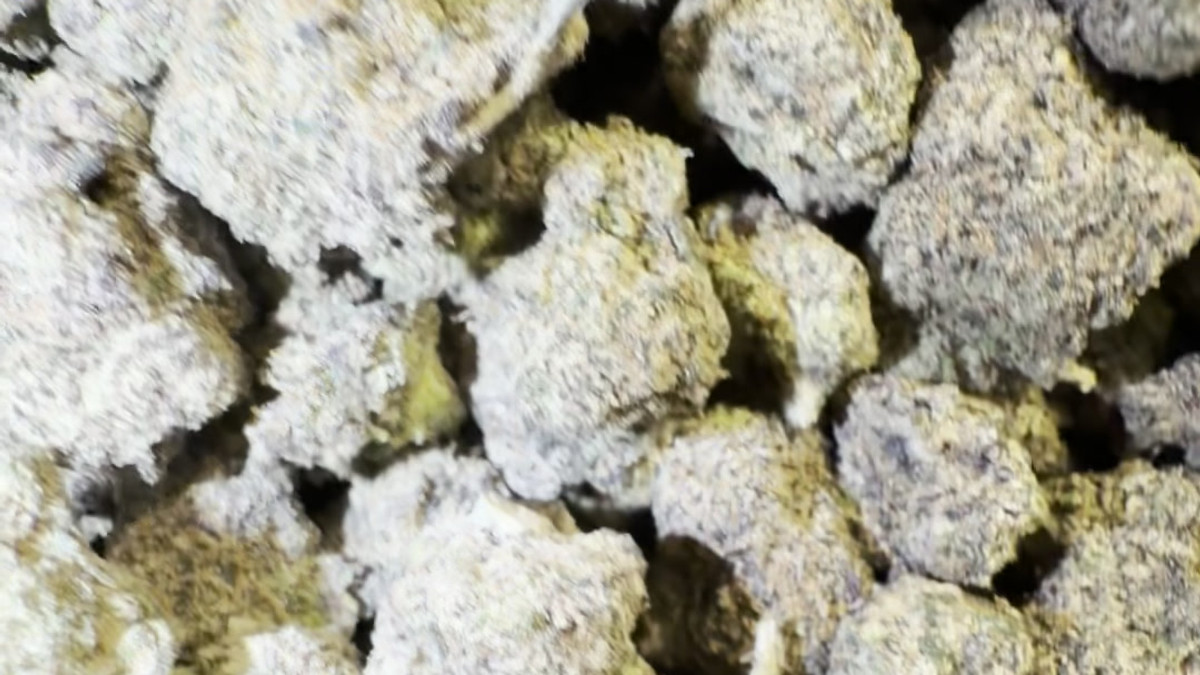
Rainbow Runtz is commonly described as a balanced hybrid with a candy-forward aroma, colorful flower, and effects that can begin bright before settling into a heavier sense of relaxation. Its exact genetic identity is not perfectly standardized across breeders and retailers, so consumers should treat the name as a useful strain label rather than a guarantee of one fixed chemical profile.
Reported THC levels commonly land around 20% to 30% in tested flower, although individual batches can fall outside that range. That makes Rainbow Runtz a better fit for experienced consumers or cautious newcomers who start with a small amount and wait before taking more. The same name may appear as flower, pre-rolls, concentrates, cartridges, and disposables, with the format changing the speed, intensity, and flavor of the experience.
For first-time readers, the simplest description is fruit-candy flavor with a hybrid effect: potentially lively and social at lower amounts, then more physically relaxing as consumption increases. Product labels and batch testing matter more than the strain name alone.
Product Highlights
This quick reference summarizes commonly reported characteristics, not a promise about every Rainbow Runtz product. Always use the package label and certificate of analysis for the batch in hand.
Spec | Details |
|---|---|
Strain type | Hybrid; commonly described as balanced, with some products leaning indica |
Commonly reported THC range | Approximately 20%–30% in flower, varying by batch and producer |
Dominant terpenes | Commonly reported: caryophyllene, limonene, myrcene, and sometimes linalool |
Effect profile | Potentially uplifting, euphoric, relaxing, and appetite-stimulating; responses vary |
Best time of day | Afternoon or evening for many consumers; lower amounts may suit daytime use |
Available formats | Flower, pre-rolls, live resin, live rosin, distillate cartridges, and disposables |
Lineage and Genetics
Rainbow Runtz lineage is commonly reported as a Runtz-family cross involving Rainbow Sherbet, but breeder and producer records are not consistent enough to present one pedigree as universally verified. Some catalogs use the name for related crosses with different parent combinations. That uncertainty is important: genetics can influence aroma and growth, but the finished batch still depends on cultivation, harvest timing, curing, extraction, and storage.
Runtz-family varieties are generally associated with dessert-like fruit, colorful flowers, and a hybrid profile. Rainbow Sherbet is itself commonly linked with sweet fruit and creamy citrus notes, which helps explain why Rainbow Runtz products often lean toward candy, tropical fruit, and citrus. For a specific product, the producer’s stated lineage is the most relevant information available.
Aroma, Flavor and Terpene Profile
Rainbow Runtz commonly opens with sweet fruit, citrus candy, and a soft creamy note. Some batches add berry, grape, floral, or lightly peppery character. The flavor can become more herbal or earthy when the flower is older, stored too warm, or cured without enough attention to terpene preservation.
Caryophyllene may contribute peppery warmth, limonene can support citrus-like brightness, myrcene is often associated with earthy and musky notes, and linalool can bring a floral edge. Terpenes do not determine effects by themselves, and their presence or percentage can change between harvests. A strong strain name cannot substitute for a current batch label.
Reported Effects and Common Uses
Consumer reports commonly describe Rainbow Runtz as beginning with mental lift, mood elevation, or easy conversation before moving toward calm body relaxation. Larger amounts may feel more sedating or impairing, while smaller amounts may feel more functional for some adults. Individual response depends on tolerance, recent food intake, setting, method, and the product’s actual cannabinoid and terpene profile.
People commonly choose it for winding down, listening to music, social settings, creative hobbies, or an evening at home. Those are reported uses, not medical recommendations. Do not drive or operate equipment after consuming cannabis, and remember that inhaled products can feel different from edibles because the onset and duration are not the same.
Formats and Hardware
Flower and pre-rolls offer the clearest view of the plant’s aroma, especially when the product is fresh and properly stored. Live resin is extracted from fresh-frozen cannabis and often preserves a vivid, aromatic profile. Live rosin uses solventless pressing of concentrated trichome material, while distillate is highly refined and may rely on added terpenes to recreate or modify a strain-style flavor.
Cartridges and disposables use a small chamber, a heating element or coil, and a mouthpiece. Draw-activated devices fire when airflow changes inside the device; button-activated hardware requires a press. A cartridge can clog or burn when it is overheated, stored on its side for long periods, or used with an incompatible battery. Follow the manufacturer’s instructions rather than forcing a damaged device.
Temperature changes the experience. As a general educational range, many vaporizer users explore roughly 350°F to 450°F, starting lower for flavor and moving upward only if needed. Lower settings may preserve delicate aromatics and produce a lighter vapor, while higher settings can create denser vapor and a quicker-feeling onset but may taste harsher. Live resin and live rosin often reward gentler heat; distillate hardware should be operated within its stated range.
Batch Testing and Label Reading
A certificate of analysis, or COA, is a laboratory report connected to a specific production batch. Look for a matching batch or lot number on the package, the testing laboratory, cannabinoid results, terpene results when available, and screening for contaminants such as pesticides, solvents, heavy metals, and microbial impurities where required by the applicable program.
THC and CBD percentages describe measured cannabinoid content, but they do not predict exactly how the product will feel. Terpene percentages can help explain aroma, yet they also vary with genetics, harvest timing, curing, storage, and extraction. Compare the COA with the package label, and treat numbers as batch-specific information rather than a permanent identity for Rainbow Runtz.
How Rainbow Runtz Compares
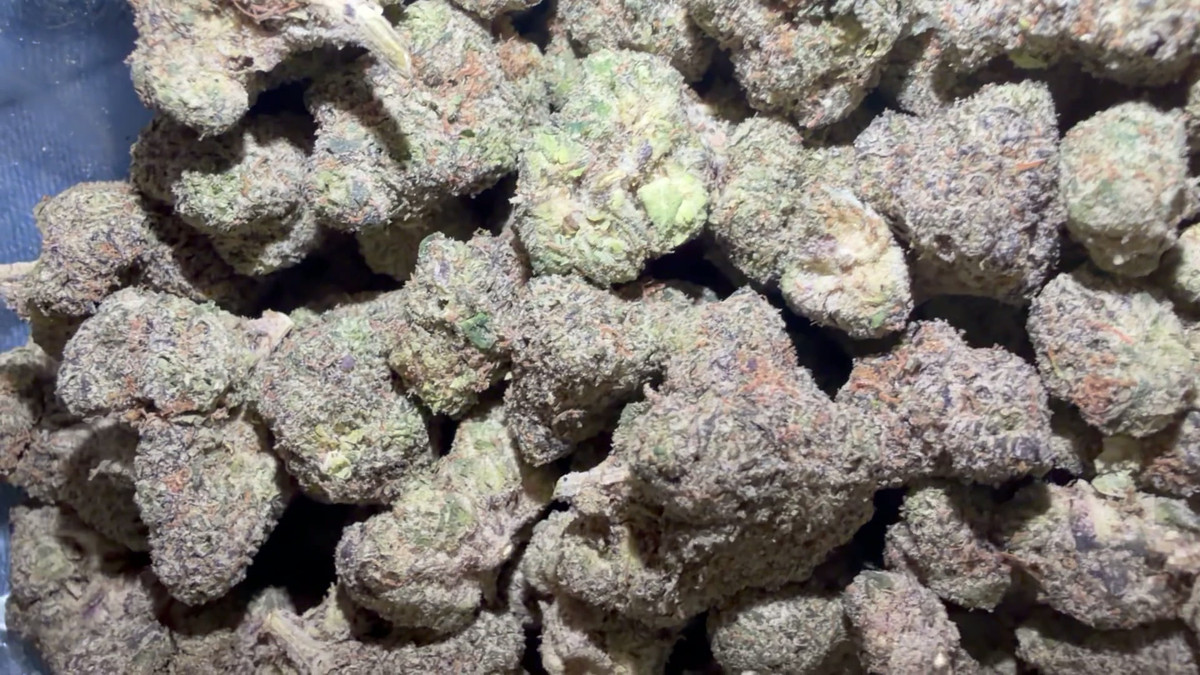
These comparisons are broad style references, not guarantees. Strain names overlap across producers, and a fresh, terpene-rich batch can feel very different from an older or differently grown example.
Strain | Type | Flavor | Effect | Best for |
|---|---|---|---|---|
Rainbow Runtz | Hybrid | Fruit candy, citrus, cream, berry | Uplifting start with relaxing finish | Afternoon or evening variety |
Runtz | Hybrid | Sweet fruit, grape, tropical candy | Euphoric and relaxing | Flavor-focused hybrid fans |
Rainbow Sherbet | Hybrid | Citrus, berry, creamy dessert | Bright, calming, and potentially sleepy at higher amounts | Relaxed evening sessions |
Gelato | Hybrid | Cream, fruit, citrus, dough | Balanced euphoria and body ease | Social or after-work use |
Medical and Wellness Reports
Adults sometimes report choosing Rainbow Runtz products while managing stress, low appetite, restlessness, or difficulty settling down. These are anecdotal consumer reports, not proof that the strain treats any condition. Cannabis can also cause unwanted effects, including anxiety, dizziness, dry mouth, impaired coordination, or increased heart rate in some people.
If you are considering cannabis for a health concern, speak with a qualified healthcare professional familiar with your history and current medications. Avoid treating a strain name as a medical plan, and be especially cautious with high-THC concentrates and products whose serving size is unclear.
How to Grow Rainbow Runtz
Rainbow Runtz is commonly approached as a moderate hybrid for growers who want colorful, resinous flowers without choosing the most demanding cultivar in the room. The figures below are commonly reported ranges, not guarantees; phenotype, environment, training, and breeder selection can move the result substantially.
Grow Guru AI’s practical advice: prioritize an even canopy, steady airflow, and a conservative feeding strategy. Dense, aromatic flowers reward patience at harvest and careful drying more than aggressive inputs.
Here are the commonly reported baseline figures growers use when planning a run.
Spec | Details |
|---|---|
Grow difficulty | Moderate |
Indoor flowering time | Approximately 8–10 weeks |
Outdoor harvest window | Commonly reported around October in the Northern Hemisphere |
Yield potential | Indoor: roughly 1–2 ounces per square foot; outdoor: commonly reported around 1–2 pounds per plant under favorable conditions |
Plant height and stretch | Medium height with moderate stretch after the 12/12 flip; phenotype-dependent |
Ideal climate | Warm, stable conditions with strong airflow and controlled humidity |
Mold and pest resistance | Moderate; dense flowers still require active prevention and inspection |
Grow Difficulty
The rating is Moderate. Rainbow Runtz is generally manageable for an intermediate cultivator, but it is not automatically forgiving. Some phenotypes handle ordinary temperature swings and modest feeding mistakes well, while others show sensitivity when roots stay wet, nitrogen runs too high, or light intensity changes abruptly.
Its main challenges are stretch management, branch support, and dense flowers late in bloom. First-time growers can succeed with careful environmental control, but an intermediate grower is better positioned to recognize early nutrient imbalance, improve airflow, and protect the canopy from late-season moisture.
Canopy, Training and Pruning
Expect moderate vegetative vigor and medium node spacing, with the exact structure depending on the phenotype. After the flip to 12/12, plan for noticeable stretch and establish the final canopy before flowering accelerates. Topping and low-stress training can help create multiple productive tops, while a SCROG net can spread branches and keep light more even.
Defoliation should be deliberate rather than theatrical. Remove damaged leaves and selective interior growth that blocks airflow, but avoid stripping the plant during a stressful transition. Support branches before the flowers gain weight, because brittle lateral growth can become a problem late in the cycle.
Feeding, Climate and Environment
Rainbow Runtz is commonly treated as a moderate feeder: neither starve it nor chase maximum nutrient strength. Keep nitrogen available through early flower, then ease away from heavy nitrogen as flowers set. Cal-mag may be useful when the water source, medium, or lighting system creates a deficiency risk, but the correct response depends on measured conditions rather than a preset recipe.
Many growers target roughly 75–85°F in vegetative growth with relative humidity around 55%–70%, then move toward approximately 68–80°F and 45%–55% humidity during flower, tightening humidity further as harvest approaches. Maintain continuous air exchange and gentle movement through the canopy. In humid DC, Maryland, and Virginia summers, outdoor growers should prioritize morning irrigation, generous plant spacing, rain protection when practical, and daily inspection after wet weather. Moderate mold resistance is not immunity, and powdery mildew can exploit stagnant, humid foliage.
Harvest Timing and Curing
Use a loupe or microscope to inspect trichomes rather than relying on calendar dates alone. Clear trichomes generally indicate immaturity; mostly cloudy trichomes with a smaller amber portion are commonly chosen for a more balanced, energetic-to-relaxed effect, while more amber may correspond with a heavier, sleepier experience for some consumers. Pistils receding and a mature, layered aroma can support the decision, but neither signal should replace trichome inspection.
Dry slowly in darkness with controlled temperature, moderate airflow, and humidity that avoids both rapid crisping and prolonged wetness. Once the smaller stems begin to bend rather than remain completely limp, cure in clean containers and check them regularly. A gradual cure protects Rainbow Runtz’s fruit and cream notes better than heat, direct sunlight, or aggressive drying.
Home Grow Rules in the DMV
DC adults 21 and older may grow up to six plants, with no more than three mature plants per person and a household maximum of 12. Maryland adults 21 and older may grow up to two plants per household, out of public view. Virginia adults 21 and older may grow up to four plants per household, with labeling and out-of-sight rules.
These rules can change, and local requirements may add practical constraints. Check current law before planting; this section is educational only, not legal advice.
Similar Strains Worth Trying
If the appeal is sweet fruit with a balanced hybrid finish, Runtz, Rainbow Sherbet, and Gelato are natural comparisons. Those names can also vary by producer, so use the same checklist: inspect the batch date, read the cannabinoid and terpene information, and choose a format that matches your tolerance and timing.
Consumers who want a brighter profile may prefer fruit-and-citrus-forward hybrids, while those seeking a heavier evening experience may look toward cultivars with stronger earthy, gassy, or dessert notes. The most useful comparison is not just the strain name; it is the combination of batch chemistry, freshness, and dose.
The Bud Lords Take
Our take: Rainbow Runtz is most interesting when the grower or producer preserves its fruit-forward character without pushing the product into an anonymous high-THC experience. It is a versatile hybrid style, but its reported potency makes restraint worthwhile, especially with concentrates and disposable devices that can deliver more than expected in a short session.
For DMV readers, the legal context matters. DC operates under Initiative 71 gifting rules, so adults should understand the difference between permitted possession and activity that may be treated as an unlicensed sale. Maryland and Virginia operate under their own cannabis frameworks, and rules for possession, home cultivation, medical programs, and retail access are not interchangeable. Cannabis products discussed here are for adults 21 and older, subject to applicable law.
Whether Rainbow Runtz becomes a repeat favorite should come down to the actual batch: aroma, freshness, lab data, and how the format fits your experience. Watch for clear labeling and responsible dosing, especially as the same strain name moves from flower to pre-rolls, live extracts, and distillate hardware.
Rainbow Runtz FAQ
Here is what most people ask about Rainbow Runtz in this area.
Is Rainbow Runtz indica or sativa?
It is commonly classified as a hybrid. Some products may lean more relaxing or indica-like, but the effect depends on the batch, dose, terpene profile, and individual response.
Is Rainbow Runtz strong?
Flower is commonly reported around 20%–30% THC, though results vary. Concentrates and vape products can be much more concentrated than flower, so start cautiously and follow the label.
What does Rainbow Runtz taste like?
Commonly reported notes include fruit candy, citrus, berry, cream, and occasional pepper or floral character. Freshness and curing have a major effect on the final flavor.
Can beginners use Rainbow Runtz?
Some beginners may find it approachable in a low amount, but its commonly reported THC range calls for caution. Choose a clearly labeled product, avoid combining it with alcohol, and wait for the effects before consuming more.
Rainbow Runtz is not in the Bud Lords menu right now. Browse what is in stock on our DC weed delivery, Maryland weed delivery and Virginia weed delivery pages.
More strain guides: Super Boof, Glitter Bomb, Cereal Milk.
Frequently asked questions
Here is what most people ask about Rainbow Runtz in this area.
What Rainbow Runtz Is?
Rainbow Runtz is commonly described as a balanced hybrid with a candy-forward aroma, colorful flower, and effects that can begin bright before settling into a heavier sense of relaxation. Its exact genetic identity is not perfectly standardized across breeders and retailers, so consumers should treat the name as a useful strain label rather than a guarantee of one fixed chemical profile. Reported THC levels commonly land around 20% to 30% in tested flower, although individual batches can fall outside that range.
How Rainbow Runtz Compares?
These comparisons are broad style references, not guarantees. Strain names overlap across producers, and a fresh, terpene-rich batch can feel very different from an older or differently grown example.
How to Grow Rainbow Runtz?
Rainbow Runtz is commonly approached as a moderate hybrid for growers who want colorful, resinous flowers without choosing the most demanding cultivar in the room. The figures below are commonly reported ranges, not guarantees; phenotype, environment, training, and breeder selection can move the result substantially. Grow Guru AI’s practical advice: prioritize an even canopy, steady airflow, and a conservative feeding strategy.
Is Rainbow Runtz indica or sativa?
It is commonly classified as a hybrid. Some products may lean more relaxing or indica-like, but the effect depends on the batch, dose, terpene profile, and individual response.
Is Rainbow Runtz strong?
Flower is commonly reported around 20%–30% THC, though results vary. Concentrates and vape products can be much more concentrated than flower, so start cautiously and follow the label.
What does Rainbow Runtz taste like?
Commonly reported notes include fruit candy, citrus, berry, cream, and occasional pepper or floral character. Freshness and curing have a major effect on the final flavor.
Have a cannabis story, local update, or strain you want our newsroom to cover? Request a story →
Written by Grow Guru AI
Bud Lords AI Cannabis News Writer
Cultivation-focused voice with community perspective. Covers growing tips, techniques, and cultivation industry news.
Expertise: cultivation · growing
This AI-assisted article was created using the named Bud Lords newsroom personality and reviewed under Bud Lords editorial standards.


Comments