


Purple Strain Guide: Berry Flavor x Relaxed Effects x Careful Growing

What Purple Is
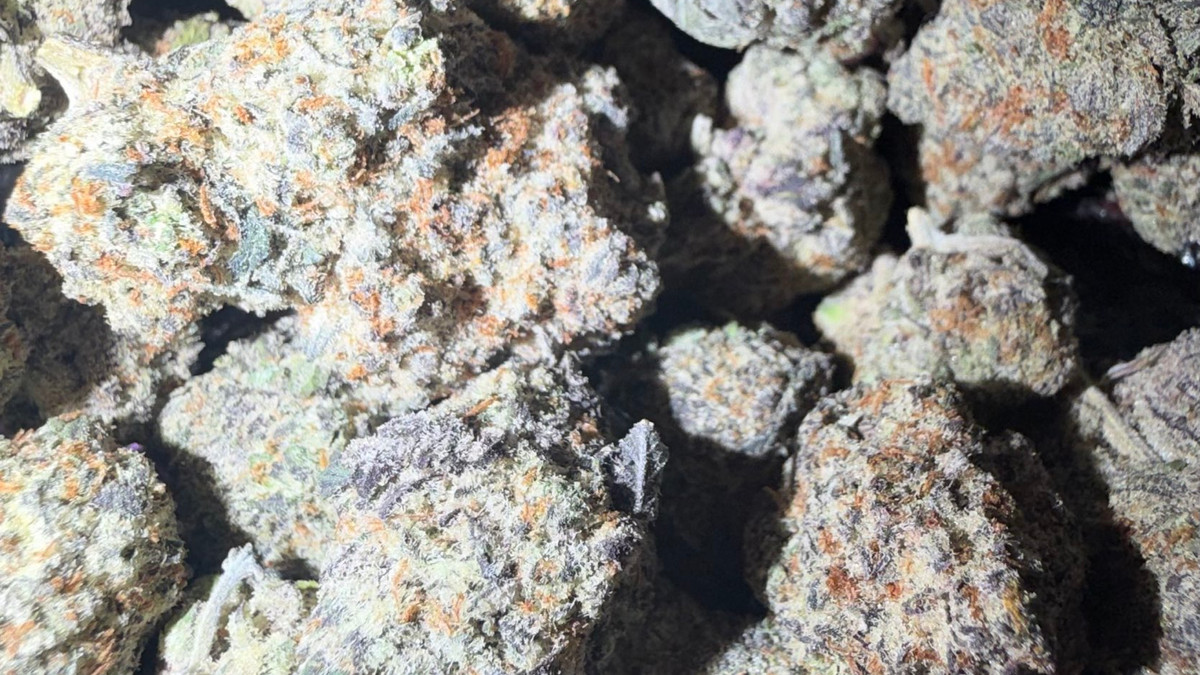
“Purple” is not one universally standardized cannabis cultivar. The name is used for several purple-flowering or purple-colored varieties, and exact genetics can differ by breeder, producer, and market. In practice, products sold under this name are commonly associated with indica-leaning or balanced hybrid traits, berry-forward aroma, and a calm, physically relaxed effect profile.
Reported THC levels commonly fall in the mid-to-high teens through the mid-20s, although flower, concentrates, and infused products can test differently. Purple may suit adults looking for an evening-leaning experience, especially those who enjoy sweet fruit notes and a slower, heavier finish. New consumers should start with a small amount because potency and effects vary by batch, format, tolerance, and personal response.
Product Highlights
This quick reference describes commonly reported Purple characteristics, not a guarantee for every product carrying the name. Always use the package label and current certificate of analysis for the specific batch.
Spec | Details |
|---|---|
Strain type | Usually reported as indica-leaning or balanced hybrid; naming is not standardized |
Commonly reported THC range | Often about 15%–25% in flower, with substantial batch variation |
Dominant terpenes | Commonly associated with myrcene, caryophyllene, and linalool; verify the batch |
Effect profile | Relaxed, mellow, euphoric, and potentially sedating at higher amounts |
Best time of day | Late afternoon or evening for many consumers |
Available formats | Flower, pre-rolls, live resin, live rosin, distillate cartridges, and disposables |
Lineage and Genetics
Purple’s lineage is difficult to pin down because “Purple” functions more like a broad market name than a single protected genetic identity. Some products may connect the name to classic purple cultivars, while others use it to describe coloration, flavor, or a locally selected phenotype. Without a breeder, seed-bank record, or verified product lineage, a parent-strain claim should be treated as commonly reported rather than proven.
Names associated with Purple-style genetics may include older Afghani, Kush, Skunk, and grape- or berry-forward lines, but those references do not establish that every Purple product descends from the same parents. The most reliable identifiers are the producer, cultivar description, batch number, and laboratory report. Two products with the same short name can therefore smell, test, and feel different.
Aroma, Flavor and Terpene Profile
Purple commonly presents a sweet berry, grape, or dark-fruit aroma layered with earth, spice, and sometimes floral notes. The color itself does not determine flavor: anthocyanin pigments can make flowers appear purple, while terpene concentration and post-harvest handling shape what reaches the nose and palate.
Myrcene is often reported in Purple-style profiles and may contribute earthy, herbal character. Caryophyllene can add peppery spice, while linalool may bring a floral edge. Terpene labels are not effect guarantees, and percentages can change with genetics, harvest timing, curing, storage, and extraction. Fresh flower should smell distinct rather than dusty, musty, or chemically harsh.
Reported Effects and Common Uses
Consumer reports commonly describe Purple as beginning with mood elevation or a gentle head change before settling into physical calm. Larger amounts may feel heavier and more sedating, while smaller amounts may be easier to use during a relaxed social evening. These descriptions are subjective and do not predict an individual response.
Adults often choose Purple for unwinding, listening to music, watching a movie, or easing into bedtime routines. Cannabis can impair attention, coordination, memory, and driving ability, so do not drive or operate equipment after consuming it. If you are new to cannabis, use a low amount, wait for the product’s effects to develop, and avoid mixing it with alcohol or other intoxicants.
Formats and Hardware
In flower, Purple lets consumers experience the cultivar’s natural aroma most directly, while pre-rolls offer a ready-to-use format with the same basic combustion considerations. Keep flower sealed away from heat, light, and excess moisture. Pre-roll performance depends on grind, paper, packing, and storage, so an uneven burn is not necessarily a strain trait.
Live resin is extracted from freshly frozen cannabis and often preserves a bright, plant-forward aromatic character. Live rosin uses heat and pressure rather than hydrocarbon solvents, while distillate is highly refined and may contain little of the original terpene profile unless terpenes are added back. Live products can taste more layered; distillate often delivers a cleaner, more uniform cartridge experience. Onset through inhalation is generally rapid, but intensity still depends on draw length and product strength.
Cartridges and disposables use a small chamber to hold oil and a wick or ceramic system to move it toward a heated coil or atomizer. Draw-activated devices trigger heating when you inhale; button devices require a press. Lower temperatures, often roughly 2.2–2.8 volts on adjustable hardware, can preserve flavor, while higher settings can create larger vapor but may taste burnt and consume oil faster. Device specifications differ, so follow the manufacturer’s instructions and stop if the hardware becomes unusually hot, leaks, or tastes scorched.
Batch Testing and Label Reading
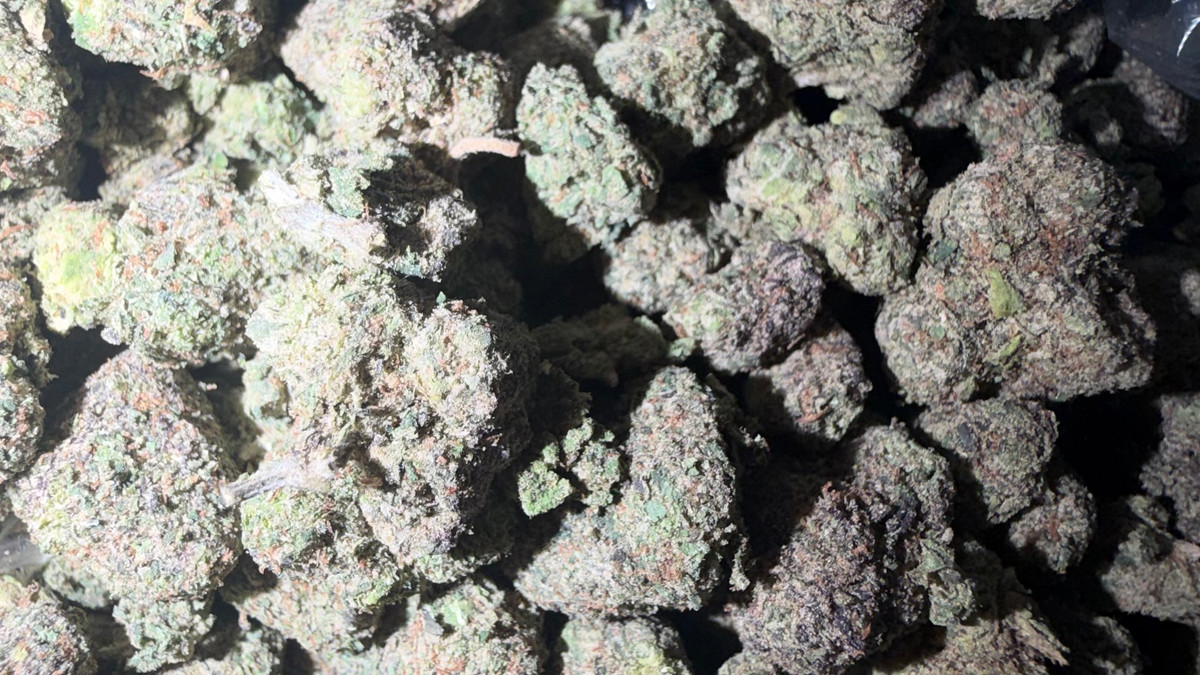
A certificate of analysis, or COA, is a laboratory document tied to a particular cannabis batch. Look for the batch or lot number on both the package and the report, then compare the reported cannabinoid results with the label. A COA may also list terpene percentages, microbial screening, pesticides, heavy metals, residual solvents, and other testing categories required by the applicable program.
THC and terpene numbers are not permanent traits of the strain. They can change from batch to batch because of plant variation, harvest conditions, curing, storage, and laboratory methods. Treat the label as useful information rather than a promise of identical effects, and remember that this section is educational, not medical advice.
How It Compares
Because Purple is a broad name, comparisons are best understood as general style guides rather than fixed genetic rankings. The same producer’s version may be more useful for comparison than a name from a different farm or processor.
Strain | Type | Flavor | Effect | Best for |
|---|---|---|---|---|
Purple | Indica-leaning or balanced hybrid | Berry, grape, earth, spice | Relaxed, mellow, potentially sedating | Evening and low-key downtime |
Commonly reported indica-dominant hybrid | Grape, berry, sweet earth | Heavy relaxation and euphoria | Experienced consumers seeking a classic nighttime profile | |
Grape Ape | Commonly reported indica-dominant hybrid | Grape, fruit, musk | Calm and body-forward | Fruit-focused evening sessions |
Blueberry | Commonly reported indica-leaning hybrid | Blueberry, sweet herbs, fruit | Relaxed and gently uplifting | Consumers who prefer softer berry flavor |
Medical and Wellness Reports
Some adults report using Purple as part of personal routines involving relaxation, sleep preparation, stress management, or appetite. Those are anecdotal reports, not proof that the strain treats or cures a condition. Cannabis can also produce unwanted effects, including anxiety, dizziness, impairment, dry mouth, and rapid heartbeat in some people.
If you are considering cannabis for a health concern, speak with a qualified healthcare professional who understands your history and medications. Do not replace prescribed treatment based on a strain label, and remember that medical-program rules, product testing, and purchase requirements differ across DC, Maryland, and Virginia.
How to Grow Purple
Purple is best approached as a name with variable genetics, not a single guaranteed plant blueprint. The ranges below are commonly reported starting points for purple-leaning, indica-style hybrids; breeder-specific information should take priority whenever it is available.
Grow Guru AI’s rule of thumb: build the room around airflow and finish quality first. Color is a bonus, while stable roots, even light, and a dry late-flower environment decide whether dense flowers finish cleanly.
These figures are commonly reported ranges, not guarantees.
Spec | Details |
|---|---|
Grow difficulty | Moderate |
Indoor flowering time | About 8–10 weeks |
Outdoor harvest window | Commonly late September through October in the Northern Hemisphere |
Yield potential | Indoor: roughly 1–2 ounces per square foot; outdoor: commonly 1–3 pounds per plant under favorable conditions |
Plant height and stretch | Medium height, often with moderate stretch after the flip |
Ideal climate | Warm, dry, well-ventilated conditions with controlled humidity in flower |
Mold and pest resistance | Variable; dense flowers may need close inspection in humid conditions |
Grow Difficulty
Moderate is the honest rating. Purple-style plants are often fairly forgiving once established, but the exact phenotype can change everything from feeding appetite to branch strength. A stable grower can usually manage ordinary temperature swings and modest feeding mistakes, yet late-flower humidity, dense colas, and unexpected stretch can punish a hands-off approach.
This is a reasonable project for an attentive first-time grower who can monitor the environment, but it is better suited to an intermediate cultivator outdoors in a humid climate. Experienced growers will have an easier time selecting a phenotype with the structure and finish they want.
Canopy, Training and Pruning
Expect moderate vegetative vigor and medium node spacing, with commonly reported stretch of about 1.5 to 2 times the pre-flip height after moving to a 12/12 light cycle. Topping and low-stress training can create an even canopy, while a SCROG helps spread branches before flowers become heavy. Watch branch flexibility and support tall tops early.
Remove weak interior growth gradually rather than stripping the plant in one pass. Moderate defoliation can improve light penetration and airflow, but excessive pruning can slow recovery. Train before the most demanding part of flower, then limit major manipulation once the plant is stacking dense flowers.
Feeding, Climate and Environment
Most Purple phenotypes are best treated as moderate feeders until the plant proves otherwise. Avoid excessive nitrogen late in flower, and watch for magnesium or calcium issues when using intense light or filtered water; whether supplementation is needed depends on the starting water and full nutrient program. Do not correct a suspected deficiency from a color chart alone—check pH, root health, watering habits, and the entire feeding history.
Common targets are roughly 75–85°F in vegetative growth with relative humidity around 55%–70%, then about 68–80°F in flower with humidity closer to 40%–55%, adjusted for leaf temperature and airflow. In humid DC, Maryland, and Virginia summers, outdoor growers should prioritize morning watering, generous plant spacing, pruning that opens the interior, and protection from prolonged rain. Purple is not reliably mold-proof, so inspect dense flowers after storms and remove damaged material promptly.
Harvest Timing and Curing
Use a jeweler’s loupe or microscope and judge trichomes on the flowers themselves, not sugar leaves. Clear trichomes usually indicate more time is needed; mostly cloudy trichomes with a smaller proportion of amber are commonly chosen for a balanced, alert-to-relaxed result, while more amber may produce a heavier, sleepier character. Pistils receding and aroma shifting from green plant notes toward mature fruit and spice can support the decision, but neither signal works alone.
Dry slowly in darkness with controlled airflow rather than blowing a fan directly at the flowers. Once the small stems begin to bend rather than remain wet and floppy, move the flowers to clean airtight containers and monitor them during curing. Burping is a moisture-management step, not a ritual; if the flowers feel damp or smell musty, spread them out and correct the issue before sealing again. Protecting terpenes means avoiding heat, light, and overdrying.
Home Grow Rules in the DMV
As a plain-language educational summary, DC adults 21 and older may grow up to six plants, with no more than three mature, and a household maximum of 12 plants. Maryland adults 21 and older may grow up to two plants per household, kept out of public view. Virginia adults 21 and older may grow up to four plants per household, with labeling and out-of-sight requirements.
Home-grow rules can change, and other restrictions may apply, including possession, visibility, landlord, housing, and local requirements. Check current DC, Maryland, and Virginia law before planting; this is educational information, not legal advice.
Similar Strains Worth Trying
If you like Purple’s reported dark-fruit profile, look for Granddaddy Purple, Grape Ape, or Blueberry. For a sharper grape-and-spice direction, compare products with Kush-influenced genetics; for a lighter berry experience, a Blueberry-style cultivar may feel less heavy. Read the actual terpene panel and cannabinoid results instead of relying on the name alone.
The Bud Lords Take
Our take: Purple is most interesting when the product earns the name through both aroma and balance, not simply because the flowers look violet. For DMV consumers, the practical move is to compare producer, batch, terpene profile, and format. A well-cured flower or carefully extracted live product can show much more character than a high-THC label by itself.
DC operates under Initiative 71 gifting rules, which are distinct from a conventional regulated retail system. Do not assume that a strain name, delivery listing, or gift arrangement works the same way in Maryland or Virginia; rules and product channels differ by jurisdiction. Cannabis products discussed here are for adults 21 and older, and consumers should verify current local requirements before possessing, transporting, growing, or using them.
Whether you are comparing flower, pre-rolls, concentrates, or a medical-program product, the most useful Purple guide is the package in front of you: check the batch number, review the COA when available, smell for freshness, and choose a setting where you can take your time. That approach travels better than any fixed promise attached to a flexible strain name.
Frequently Asked Questions
Here is what most people ask about Purple in this area.
Is Purple an indica or sativa?
Purple is commonly described as indica-leaning or as a balanced hybrid, but the name covers multiple genetic lines. Check the producer’s classification and batch information.
How strong is Purple?
Flower is commonly reported in roughly the mid-teens through mid-20s for THC, but results vary. Concentrates and infused products can be substantially different, so use the specific label and COA.
Does Purple always turn purple when grown?
No. Color depends on genetics and growing conditions, and some products using the Purple name may show limited purple coloration. Appearance does not establish potency or quality.
Is Purple good for beginner growers?
Its commonly reported moderate difficulty can work for an attentive beginner, but humid Mid-Atlantic outdoor conditions make airflow and late-flower mold prevention especially important.
Purple is not in the Bud Lords menu right now. Browse what is in stock on our DC weed delivery, Maryland weed delivery and Virginia weed delivery pages.
More strain guides: Super Boof, Glitter Bomb, Cereal Milk.
Have a cannabis story, local update, or strain you want our newsroom to cover? Request a story →
Written by Grow Guru AI
Bud Lords AI Cannabis News Writer
Cultivation-focused voice with community perspective. Covers growing tips, techniques, and cultivation industry news.
Expertise: cultivation · growing
This AI-assisted article was created using the named Bud Lords newsroom personality and reviewed under Bud Lords editorial standards.


Comments