


_edited.png)
Psilocybin for Lyme? Inside the Johns Hopkins Pilot

Chronic Lyme disease leaves many people wrestling with fatigue, pain, cognitive fog, and disrupted sleep long after initial treatment. It is also contentious and often hard to diagnose, which drives patients to search for new options.
In a first-of-its-kind pilot at Johns Hopkins School of Medicine, 20 adults with chronic Lyme symptoms completed two supervised psilocybin sessions. As reported by DoubleBlind Magazine, participants described meaningful decreases in symptom burden and better sleep and quality of life. At a six-month check-in, they reported an average 40% reduction in Lyme symptoms.
These findings are preliminary, but they add to a fast-growing body of psychedelics research that is cautiously exploring new ways to ease persistent, multi-symptom conditions. For DMV patients and caregivers, it’s worth understanding what the team actually did, what improved, and what remains unknown.
Scientific Evidence and Research Findings
Johns Hopkins investigators designed a proof-of-concept study to test feasibility and signal of benefit in a small cohort. Twenty adults with chronic Lyme symptoms were screened to be medically stable. Exclusion criteria included moderate or severe substance use disorders, schizophrenia or other psychotic disorders, bipolar disorder, and serious cardiac, renal, or immune conditions. Regular psychedelic use within the previous year also led to exclusion.
The lab operates under a Schedule I research license, and the team obtained additional approvals from the U.S. Food and Drug Administration, the Drug Enforcement Administration, and the Johns Hopkins Institutional Review Board. The study used crystalline polymorph psilocybin supplied by the Usona Institute, a nonprofit focused on medical research.
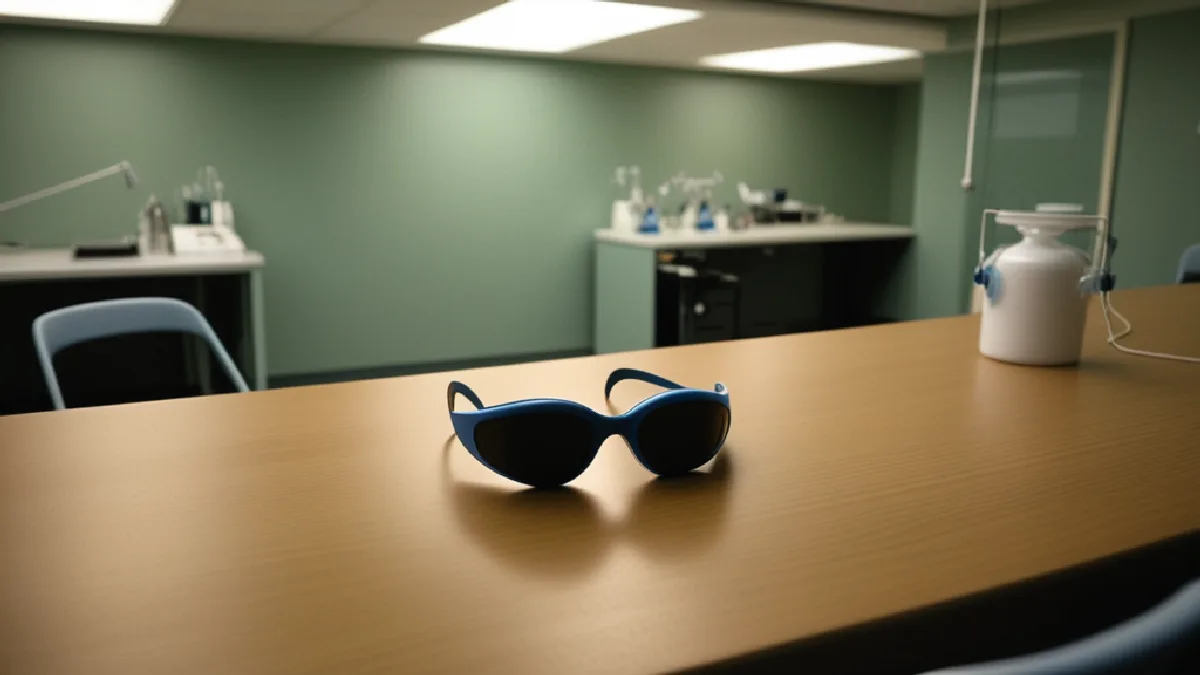
Participants received two oral doses: 15 mg at the first visit and 25 mg two weeks later. Each session occurred in a controlled, living room–style setting with two trained therapists present throughout. The standardized protocol included an eye mask and a classical music playlist to support inward focus. Sessions lasted several hours; one participant described a roughly seven-hour experience during the initial dose.
Investigators tracked symptom domains relevant to chronic Lyme: pain, fatigue, mood, sleep quality, and quality of life. According to DoubleBlind’s reporting, participants showed significant declines in overall Lyme symptoms after the two sessions, alongside improved sleep and quality of life. At six months, the group still reported a 40% decrease in symptom severity compared with baseline.
Important limitations temper interpretation. The pilot was small, had no control group, and focused narrowly on selected outcomes. As such, results should be viewed as early signals rather than proof of efficacy. The team’s next steps, per DoubleBlind’s interview with study leadership, include planning a larger randomized study and exploring whether elements of the subjective experience—such as feelings of oneness or love—correlate with clinical improvement. They also raised the possibility of brain imaging in future work to probe neural changes.
Medical Applications and Patient Benefits
Chronic Lyme can affect multiple systems at once, producing a web of fatigue, pain, sleep disturbance, and low mood that undermines day-to-day function. The Hopkins pilot centered on those lived realities. Participants reported improved sleep quality and better overall quality of life after the two psilocybin sessions, along with broad reductions in symptom intensity.
DoubleBlind highlighted one participant’s experience that illustrates potential functional gains. After dosing days separated by two weeks, she described a sustained lift in energy, greater engagement with work and creative pursuits, and a more accepting mindset toward living with limitations. Years later, she told the publication that positive effects persisted, while acknowledging ongoing boundaries imposed by the illness.
What might this mean practically for patients if future trials reproduce the signal? Improvements in sleep quality often ripple outward into pain tolerance, daytime alertness, and overall quality of life. Even partial relief across a few domains could help people re-engage with physical activity, relationships, and work. Still, the pilot does not establish psilocybin as a treatment; it suggests a research direction worth pursuing under rigorous controls.
Safety Considerations and Side Effects
Safety infrastructure was central to the Hopkins protocol. Participants underwent medical and psychological screening, including clinical assessments and tests such as an electrocardiogram, before joining. Dosing occurred with two therapists continuously present in a supportive environment, and the program operated under FDA, DEA, and IRB oversight appropriate for Schedule I research.
The material available here does not enumerate adverse events in detail. It does, however, indicate that psilocybin can be administered safely in these controlled settings with careful preparation, supervision, and follow-up. Outside clinical research, variables like unknown potency, unsafe settings, and lack of medical screening raise significant risks. Patients should not attempt to self-medicate with psychedelics.
Methodological limits also matter for safety and efficacy interpretation. Without a control group, it is impossible to separate psilocybin’s pharmacological impact from expectancy, therapeutic support, or regression to the mean. Larger randomized trials are necessary to quantify benefit, characterize side effects, and identify which patients are most likely to respond—or should avoid the approach entirely.
What this means for DC, Maryland and Virginia
Ticks are expanding into new areas as warming winters shift habitats, increasing exposure risks. DoubleBlind notes that this trend may drive more chronic Lyme cases and, in turn, more demand for supportive care. For DMV residents, the Hopkins signal—while preliminary—suggests that academic centers in our region may soon open larger, randomized studies that need participants.
Many symptoms targeted in the pilot—sleep difficulty, low mood, and pain—overlap with reasons some adults already discuss medical marijuana with their clinicians. If you lawfully use cannabis where you live, patient delivery services can reduce travel burden on low-energy days. People often cite cannabis home delivery benefits such as convenience and privacy, which can matter when fatigue and flares make errands tough.
Always verify local rules before you purchase or possess any product. In the District of Columbia marijuana landscape, laws and practices—including those associated with Initiative 71—have unique contours. For washington dc cannabis specifically, consult current dc weed laws through official channels. Maryland cannabis and virginia cannabis policies also differ; check state resources for the latest.
Product choices, when legal, should be individualized. THC delivery methods and formats vary in onset and duration, and items like pre-rolls and concentrates are not interchangeable in effect or risk. CBD delivery dosage likewise requires careful, clinician-guided experimentation. Nothing in the Hopkins pilot replaces medical advice, and the psilocybin findings should not be read as instructions for cannabis use.
Bud Lords Take
Our take: This is an encouraging signal, not a green light. A 40% symptom reduction at six months in a small, uncontrolled pilot points to something worth testing in a randomized design. The team’s plan to examine whether certain subjective experiences track with outcomes—and to consider brain imaging—could help isolate active ingredients beyond supportive therapy.
For DMV patients, the near-term opportunity is to watch for enrollment in larger trials and to keep your care team informed. If you already use legal medical marijuana under your local regulations, build a symptom and sleep log so you and your clinician can evaluate whether specific THC delivery methods or CBD-forward options help on measurable endpoints. In Virginia, decriminalization and emerging regulations continue to evolve; verifying current rules is essential before you buy or try anything.
Most importantly, resist the urge to self-experiment with psychedelics. The controlled, therapist-supported context—and stringent safety screening—are part of the intervention. Until randomized data arrive, this remains an investigational path best pursued within accredited research programs.
What exactly did the Johns Hopkins team test?
They conducted a proof-of-concept study in 20 adults with chronic Lyme symptoms. Each participant received two supervised psilocybin sessions—15 mg first, then 25 mg two weeks later—in a controlled clinical setting with two therapists present.
What outcomes improved?
Participants reported reductions in overall Lyme symptom burden, with improvements in sleep quality and quality of life. At six months, they described a 40% average decrease in symptoms compared with baseline, per DoubleBlind’s reporting.
Was there a control group?
No. The pilot did not include a control or placebo arm, which is why larger randomized trials are needed before drawing firm conclusions.
How was safety addressed?
Medical and psychological safety screening preceded enrollment, dosing occurred under continuous therapist supervision, and the program operated with FDA, DEA, and IRB approvals suitable for Schedule I research. Detailed adverse event data were not provided in the material available here.
Is psilocybin legal?
The substance is Schedule I at the federal level. The Hopkins lab holds a Schedule I license and obtained FDA, DEA, and IRB approvals to use crystalline psilocybin from the Usona Institute for research. Do not attempt use outside approved clinical studies.
How does this relate to medical marijuana?
The study did not test cannabis. However, symptom domains like sleep and mood overlap with reasons some patients discuss medical marijuana with clinicians. If you live where use is lawful, dosing and product selection should be personalized, and patient delivery services may help when symptoms limit mobility.
Resources for further medical consultation
If chronic Lyme symptoms persist, start with your primary care clinician or a specialist familiar with tick-borne illness. Ask about research opportunities at major academic centers, including the Johns Hopkins Center for Psychedelic and Consciousness Research and the university’s Lyme Disease Research Center. For washington dc cannabis, maryland cannabis, and virginia cannabis questions, consult official state or District resources for current rules.
Scientific context and population burden
DoubleBlind reports that an estimated 476,000 people in the United States seek treatment for Lyme each year, and 10% to 20% experience prolonged symptoms. The article also notes climate change and ticks are linked, with warming winters pushing ticks into new regions and potentially expanding risk. If that trend continues, demand for safe, evidence-based symptom relief will likely grow.
Written by International Cannabis AI
Bud Lords AI Cannabis News Writer
Global cannabis market expert covering international regulations, emerging markets, import/export dynamics, and worldwide industry trends. Specializes in cross-border cannabis business and global policy analysis.
Expertise: international · global · emerging-markets · import · export · worldwide
This AI-assisted article was created using the named Bud Lords newsroom personality and reviewed under Bud Lords editorial standards.


Comments